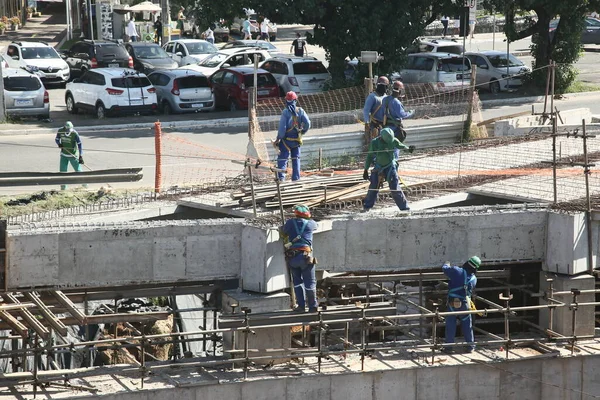
City life depends on more than mayors, architects, and transit maps. Much of the daily rhythm comes from workers whose titles rarely become part of public conversation, even though their decisions and hands-on work keep neighborhoods safe, connected, and functional.
That quiet labor matters even more as infrastructure systems age, digital tools spread into field work, and employers struggle to replace retiring workers. Research from Deloitte found that about 6.1 million new essential jobs could be needed in core infrastructure sectors over the next decade, with most of that demand tied to backfilling roles rather than creating entirely new ones.

1. Crossing Guards
Few roles are more visible for a few minutes a day and more invisible in the broader conversation about urban systems. Crossing guards create order at one of the most predictable pressure points in a city: the moments before and after school, when traffic, time pressure, and children converge.
The Los Angeles city workforce describes the job as helping ensure the safety of those crossing streets as children travel to and from school. It is part-time work, but its civic value is not part-time. The role reduces confusion at intersections, supports family routines, and adds a human layer of traffic safety that signs and signals alone cannot provide.
2. Emergency Dispatchers
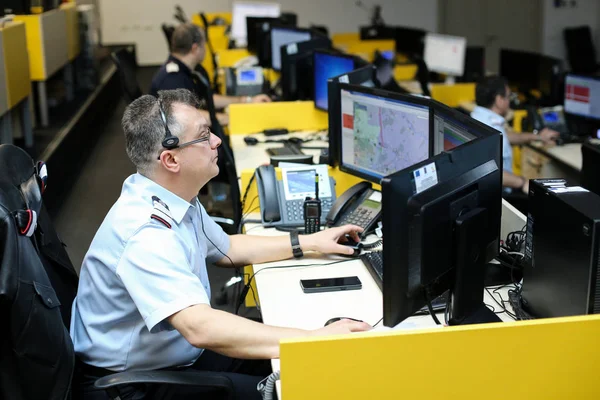
Emergency response starts long before a vehicle arrives. Dispatchers are the people who turn urgency into sequence, deciding how information is gathered, prioritized, and routed when seconds matter.
In Los Angeles, police service representatives handle both emergency and non-emergency calls while dispatching patrol cars and accessing databases that support field officers. That combination of communication, triage, and information management makes the role central to city operations. It is also a reminder that urban resilience depends as much on coordination as on equipment.

3. Civil Engineering Drafting Technicians
Before a repair crew arrives or a public works project breaks ground, someone has usually translated an idea into a usable plan. Drafting technicians do that foundational work, producing engineering designs, maps, and plans through computer-aided systems.
The role tends to sit behind the scenes, yet it affects roads, drainage, utilities, and public facilities. As infrastructure projects become more data-rich, these positions increasingly connect technical drawing with digital workflows. That shift reflects a broader pattern across infrastructure work, where mechanical knowledge now increasingly overlaps with software fluency.
4. High-Voltage Electrical Craft Trainees
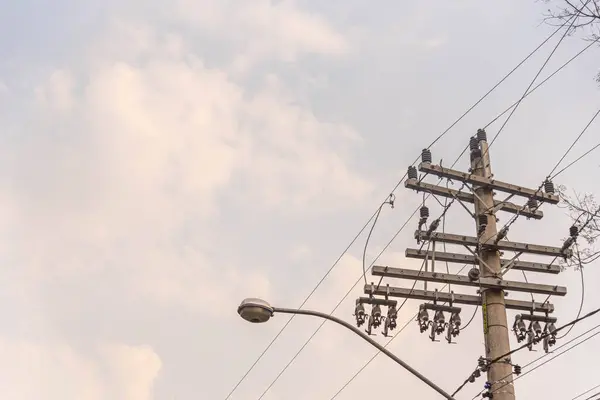
Power systems are easy to ignore until they fail. Apprentices and trainees working on high-voltage and auxiliary equipment are part of the long pipeline that keeps electrical networks functioning safely.
Los Angeles describes this pathway as a two-year apprenticeship focused on inspections, equipment cleaning, meter reading, and documentation. It is a strong example of how cities build continuity: not only by hiring experts, but by training future ones. Deloitte’s analysis notes that digital upskilling can have two to four times the impact on output compared with mechanical skills alone, which gives these training tracks even more significance as grids become smarter and more monitored.
5. Structural Engineering Supervisors
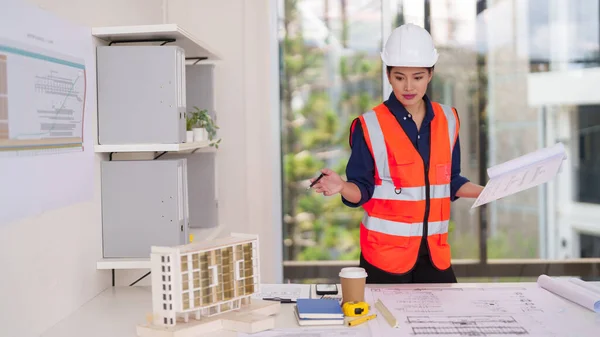
Many residents notice a building only when it opens, closes, or undergoes renovation. They rarely see the professionals who review plans for code compliance before construction moves ahead.
Supervisors in structural engineering groups check plans, specifications, and designs for alignment with building and zoning codes. That review work is a core city function because it shapes safety long before a structure is occupied. It also helps explain why overlooked office-based roles can be just as essential as field jobs in keeping a city running every day.

6. Workers’ Compensation Analysts
Cities do not run on infrastructure alone; they also run on systems that keep employees supported when injuries happen. Workers’ compensation analysts manage benefits, treatment authorization, interviews, and claim review for injured municipal staff.
It is administrative work, but it has operational consequences. When claims are handled efficiently, departments can return to stability faster, employees receive clearer guidance, and managers can make staffing decisions with less disruption. In a large city workforce, that kind of case management becomes part of the machinery of continuity.

7. Applications Programmers in City Departments
Modern city government runs through software as much as sidewalks. Applications programmers help develop and maintain the internal systems that departments rely on for reporting, databases, troubleshooting, and routine operations.
This is one of the clearest examples of how traditional public infrastructure now overlaps with digital infrastructure. The broader infrastructure labor market has also moved in that direction, with logistics and supply chain roles accounting for nearly one-third of all essential jobs in recent years and digitally integrated roles becoming more important across sectors. City programmers may not repair roads or inspect power equipment, but they support the systems that help those teams function.

8. Occupational and Correctional Care Nurses
Public health inside city systems often happens out of view. Nurses working in occupational health and correctional care support employees, detainees, and public agencies in environments that require clinical skill, documentation, and calm decision-making. Los Angeles lists roles tied to occupational health services and jail-based medical care, including emergency treatment, evaluations, diagnostic testing, and court-related duties. These jobs sit at the intersection of healthcare and municipal operations. They keep care available inside institutions that most residents never see directly, but that still form part of the city’s daily responsibilities.

Overlooked roles rarely stay overlooked when a system breaks. The people handling school crossings, electrical equipment, engineering plans, software systems, claims processing, dispatch calls, and institutional care are often the difference between a city that feels seamless and one that feels strained. That is why workforce pressure in infrastructure deserves attention beyond headline jobs. Even after years of automation, Deloitte found that 20% across the overall US workforce and 40% within core infrastructure sectors remain in essential jobs, underscoring a simple reality: cities still depend on people in roles many residents barely notice.