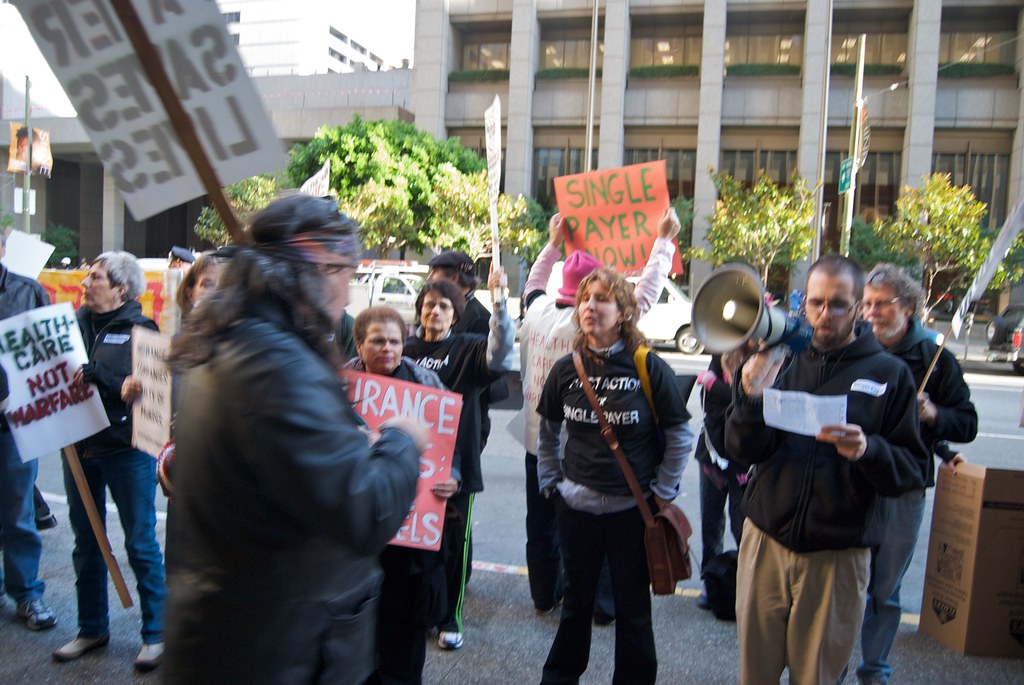
Ready or not, California’s safety net for health care is in for a seismic shake. The “One Big Beautiful Bill Act” signed into law by President Trump just last week has opened up a fierce fight, with proponents claiming fiscal responsibility and opponents crying public health catastrophe. As Governor Gavin Newsom described it, this is “one of the most calamitous and devastating bills of our lifetime.

With more than 15 million Californians dependent on Medi-Cal, the stakes are higher than ever. From more stringent Medicaid work requirements to the threat of rural hospital closures, the provisions in this mega bill have the potential to reverberate through every part of the state. Here’s what every policy observer, health advocate, and Medi-Cal family should know today.
1. Medi-Cal is Facing a Huge Funding Cliff
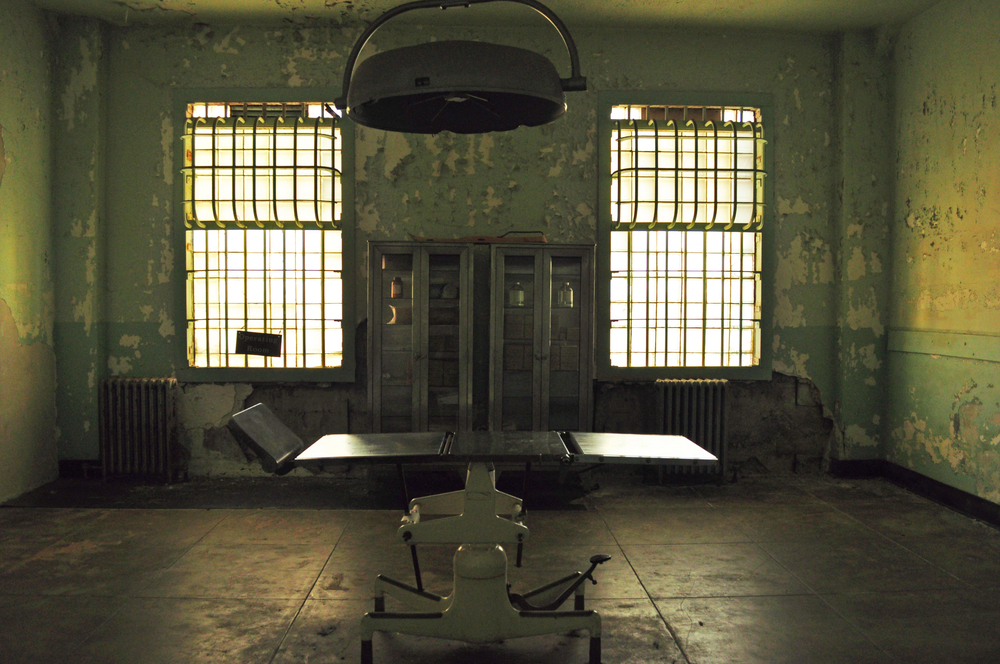
California is bracing for a 19% cut in federal Medicaid funding about $164 billion over the next decade, according to KFF. That’s not just a budget headache; it’s a full-blown crisis for a state where 1 in 3 residents depends on Medi-Cal for their health coverage. Lawmakers are already struggling with a $12 billion deficit, and experts warn there’s no way to plug the gap without deep service cuts.
Hospitals, clinics, and nursing homes particularly those that treat low-income and rural populations are ringing the alarm. When Medi-Cal dollars dwindle, these providers will be forced to reduce services, lay off employees, or shut their doors for good. The 2023 closure of Madera Community Hospital is a haunting glimpse of the possibilities statewide.

2. Work Requirements: Red Tape Trumps Coverage
Beginning December 31, 2026, the majority of Medi-Cal enrollees between 19 and 64 will have to demonstrate they’re working, seeking work, or volunteering a minimum of 80 hours per month. In theory, it makes sense. But Arkansas’s 2018 trial demonstrated the reality: more than 18,000 lost coverage within a few months, primarily because of paperwork delays not because they weren’t employed.
Studies repeatedly discover that a majority of Medicaid beneficiaries are already employed or have a valid excuse not to be. As the Center on Budget and Policy Priorities describes it, “work requirements are simply another way to cut Medicaid.” The result? Millions might lose coverage based on administrative barriers, not lack of ambition.
3. Rural Hospitals: The Next Domino to Fall?
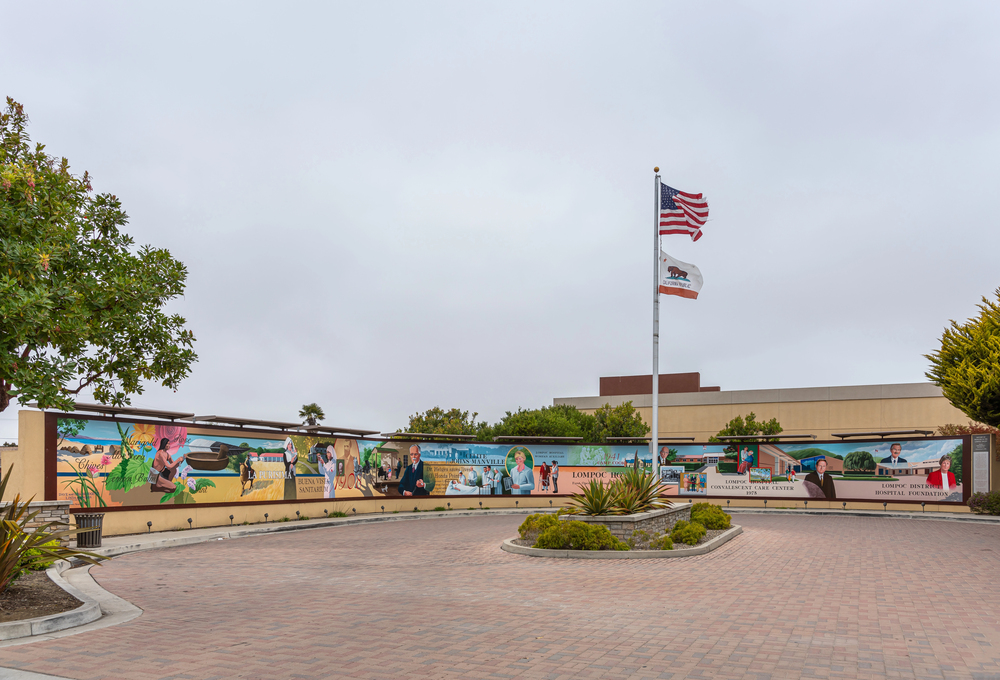
California’s rural areas are at the cutting edge of this health care upheaval. Almost half of all rural children and one out of every five rural adults depend on Medicaid or CHIP, and Medicaid pays for half of all births in the rural communities.
The National Rural Health Association is warning that rural hospitals might lose 21 cents out of every Medicaid dollar under this bill, with overall reductions totaling $70 billion over a decade. Those losses aren’t abstract hospital closures translate into lost jobs, increased drives for emergency services, and whole communities denied vital services.

4. New Costs and Barriers for Patients
Zero-dollar Medi-Cal visits are numbered for many. States will now be permitted to charge up to $35 copays for doctor visits for above-poverty line enrollees. Small fees can deter low-income patients from receiving care, resulting in poor health outcomes.
On top of that, everyone will need to re-qualify every six months twice the paperwork, twice the likelihood of losing coverage by mistake. As Jessica Altman of Covered California says, “The groups most likely to forego coverage because of administrative barriers are those who are young and healthy.”

5. Immigrants and Children: First in Line to Be Cut
California’s recent expansion of Medi-Cal to undocumented immigrants is now on the chopping block. The bill limits federal dollars for covering undocumented and certain legally present immigrants, placing the cost burden on the state. With already strained budgets, this could translate to rollbacks in coverage for thousands.
Kids are hardly immune. More than 5 million California children depend on Medi-Cal for everything from well visits to mental health treatment. If parents lose coverage because of work requirements or paperwork failures, their kids will likely get left behind, too.

6. Planned Parenthood and Reproductive Health Under Fire
The bill’s prohibition on Medicaid payments to abortion and gender-affirmative care for minors-providing clinics is a specific blow to Planned Parenthood. The Guttmacher Institute says that as much as one-third of its clinics might have to close.
And it’s not only about abortion these clinics provide STI screening, cancer screenings, and birth control. Although a federal judge temporarily halted the funding elimination, the future remains unclear as litigation presses on.

7. Will Politics Trump Policy?
Each of the nine California House Republicans supported the bill, despite the fact that several of their districts have high Medi-Cal participation and limited health access. Democrats and liberal advocacy groups are already launching attack ads, hoping voters will realize pain once the cuts become concrete. But since tax breaks are coming first and health care reductions are hitting later, the GOP is counting on the gain before the pain being visible to voters.
For the moment, California’s health care safety net remains in the balance hanging between budget calculations, political risk, and the everyday needs of millions.

The health care system of California stands at a crossroads. The One Big Beautiful Bill Act is not just a budget proposal it’s a roadmap on who receives care, who pays, and who gets left behind. As lawsuits are filed and dust settles, this much is certain: staying informed and involved no longer is an option. For millions of Californians, the coming years will be a test of resilience, activism, and the strength of community to fight for a healthier future.