Wondering what’s really lurking in your sheets? Well, it turns out that your bed is actually more of a microscopic metropolis than it is a serene sleeping oasis teeming with bacteria, dust mites, and even fungi. For health-conscious adults, allergy sufferers, pet owners, and parents, having your sleeping area sanitized isn’t just a question of fresh scent and silky bedclothes, it’s about protecting your health and improving your sleeping quality.
Today’s research and expert suggestions indicate that a regular washing of bedding makes all the difference. From staying away from allergies to supporting mental clarity, the benefits are far more than the washing basket. The following is an explanation of the science-proven benefits you need to give your bedding a makeover and the way to do it right.
1. Your Bed Is a Hotspot for Microbes and Allergens
Each evening, the human body exfoliates hundreds of thousands of skin cells, excretes oils, and sweats half a pint of liquid even after a shower. These body by-products, bacteria, and fungus from your skin migrate to your pillowcases and sheets in a snap. As Primrose Freestone, a Senior Lecturer in Clinical Microbiology at the University of Leicester, explains, “Our skin is home to millions of bacteria and fungi and some of them are transferred to bedsheets, pillows and duvets as we toss and turn during the night”.
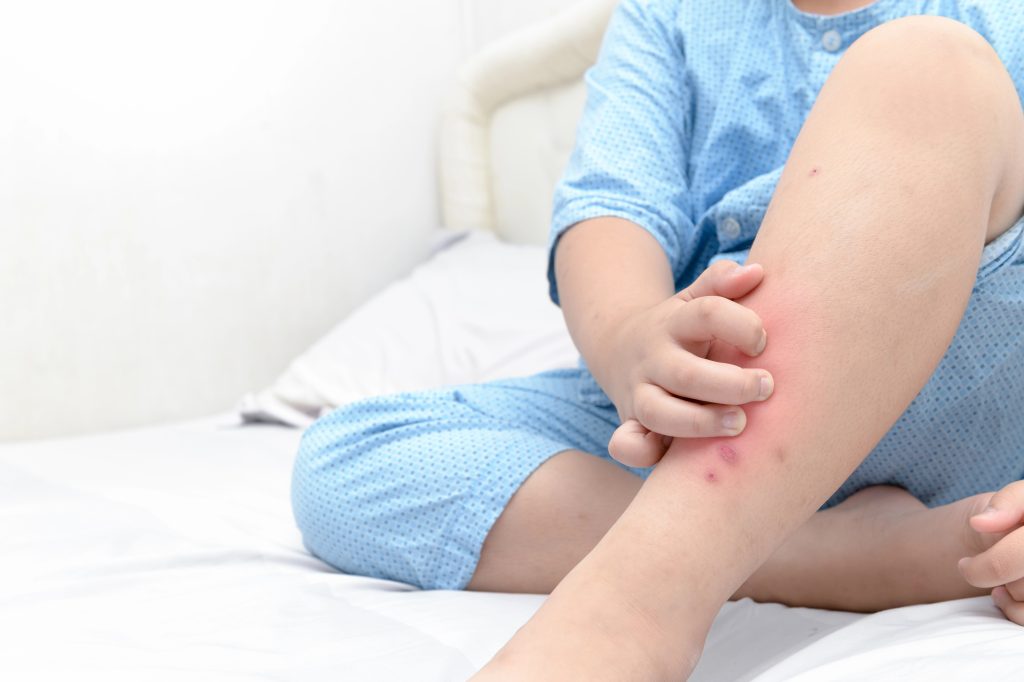
Add the dust, pollen, and pollutants your skin accumulates during the day, and your bed is an allergen hotbed. For patients with allergies, this means more sneezes, watery eyes, and even eczema breakouts. Frequent washing is your best defence against these tiny invaders.
2. Dust Mites: The Notorious Bed-dwellers Who Dine in Your Mattress
Those flakes of skin at night? They’re a dust mite buffet tiny insects that feed on warm, damp bedding and mattresses. Dust mites themselves are not harmful, but the waste they produce is potent allergens that can cause asthma, eczema, and allergic rhinitis.
And it gets worse: By the 8-year mark, your mattress can be home to millions of dust mites. If you’re waking up stuffy or itchy, your bed could be the culprit. Vacuuming your mattress weekly and using allergen-proof protectors can help keep these critters in check.

3. Fungi and Bacteria: More Than Just Gross
Your sleeping pillow is a warm, moist environment perfect for fungus like aspergillus fumigatus, which can be seen in used pillows and infect vulnerable individuals, resulting in serious lung infections. Bacteria also love to multiply in the sweat, saliva, and oils that accumulate in your bedding, leading to skin problems, infections, and even odors.
If you sleep with animals, the microbial mix is more active. Pets add more hair, dander, and even fecal deposits into your bed, making frequent washing a necessity for a truly clean sleeping environment.

4. Soiled Bedding Can Undermine Your Slumber and Mental Well-being
It’s not just what’s against your skin dirty bedding can actually disrupt your sleep. A 2022 review found there was a great correlation between disturbed sleep hygiene and a higher rate of insomnia, daytime sleepiness, and depression. Indeed, 76.5% of bad habit holders with poor sleep hygiene had sleep problems, which contrasted to just 56.1% of good habit followers.
Long-term sleeping issues aren’t simply leaving you feeling groggy-they’re also associated with a higher risk of mental illness, including depression and anxiety. Keeping your bedroom environment tidy is a simple, do-able step to help both your body and mind.
5. How Often to Wash? The Evidence-Based Calendar
The consensus view of microbiologists and cleaning experts: Pillowcases and sheets need to be washed once a week, or every three or four days if you sweat a lot, were ill, or share your bed with pets. Blankets and duvet covers? You can manage every two weeks, or more often if you have pets.
Pillows must be washed every four to six months, and mattresses vacuumed weekly and occasionally aired. As an extra mite-fighting tip, freeze your pillows for at least eight hours. Remember: always read labels and where possible use hot water (60°C or higher) to destroy germs and allergens.

6. Old Mattresses and Pillows: When to Say Goodbye
Even after regular cleaning, mattresses and pillows have an expiration date. By the 8-year mark, mattresses have accumulated that much dust, germs, and moisture that they cause allergic reactions, breathing problems, and skin diseases. Your mattress must be replaced every 7-10 years and your pillows every 1-2 years for optimum hygiene and support, says experts.
If you’ve noticed lingering odors, visible stains, or waking up with more allergy issues, it’s time for an update. Spending in a fresh new, hypoallergenic mattress or pillow can make a dramatic improvement to the quality of your sleep.

7. Clean Bedding = Better Sleep, Sharper Mind
The benefits of a clean bed go far deeper than simple comfort. Good sleep hygienelike regular washing of bedding has been found to significantly improve the quality of sleep and even improve mental abilities like memory and decision-making. A soothing pre-slumber routine, a sleeping environment, and regular wash cycles all help you wake feeling fresh and alert.

For individuals with busy lives, allergies, or children and pets at home, a consistent bedding routine is one of the easiest ways of improving your health and well-being.
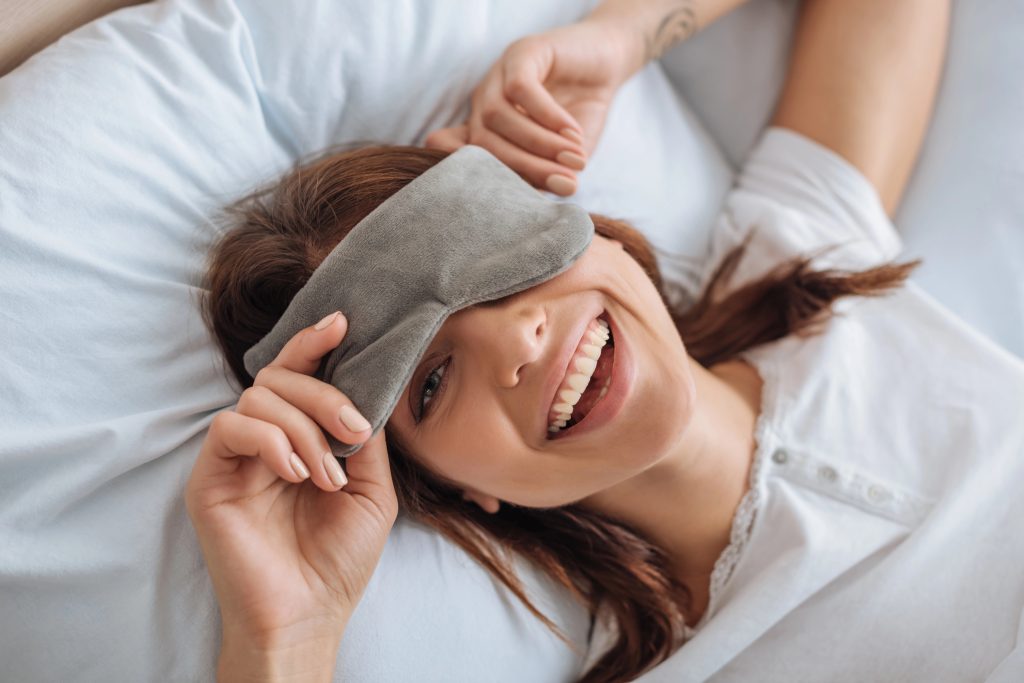
A clean bed isn’t just about fresh scents and soft sheetsit’s a powerful foundation for your health, sleep, and peace of mind. By making regular bedding care a non-negotiable part of your wellness routine, you’ll not only keep the creepy crawlies at bay but also enjoy deeper rest, clearer skin, and a sharper mind. Sweet dreams start with a clean slateso why not give your bedding the upgrade it deserves?