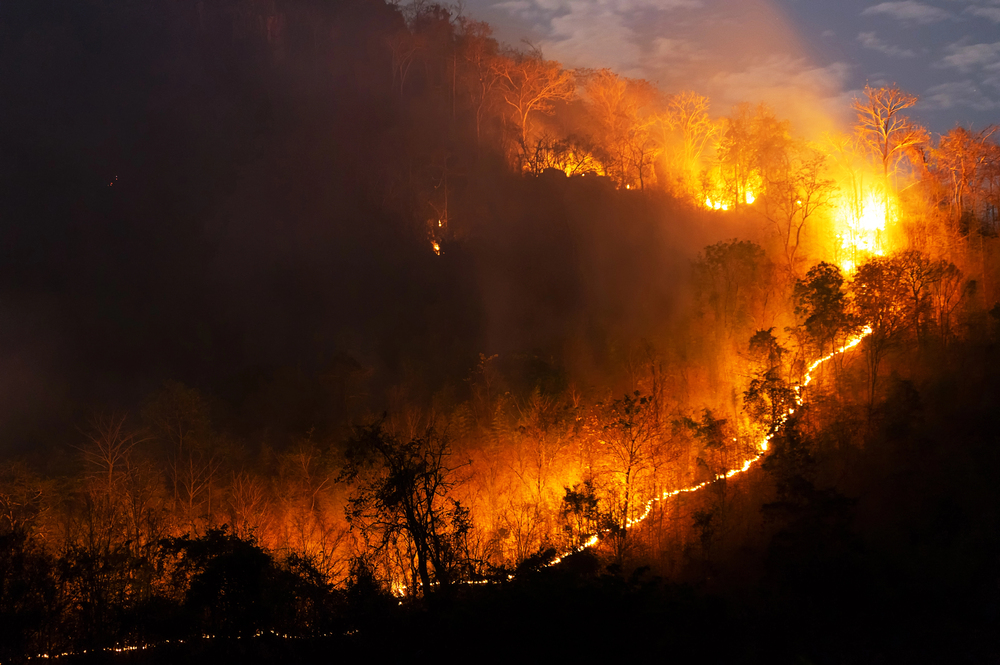
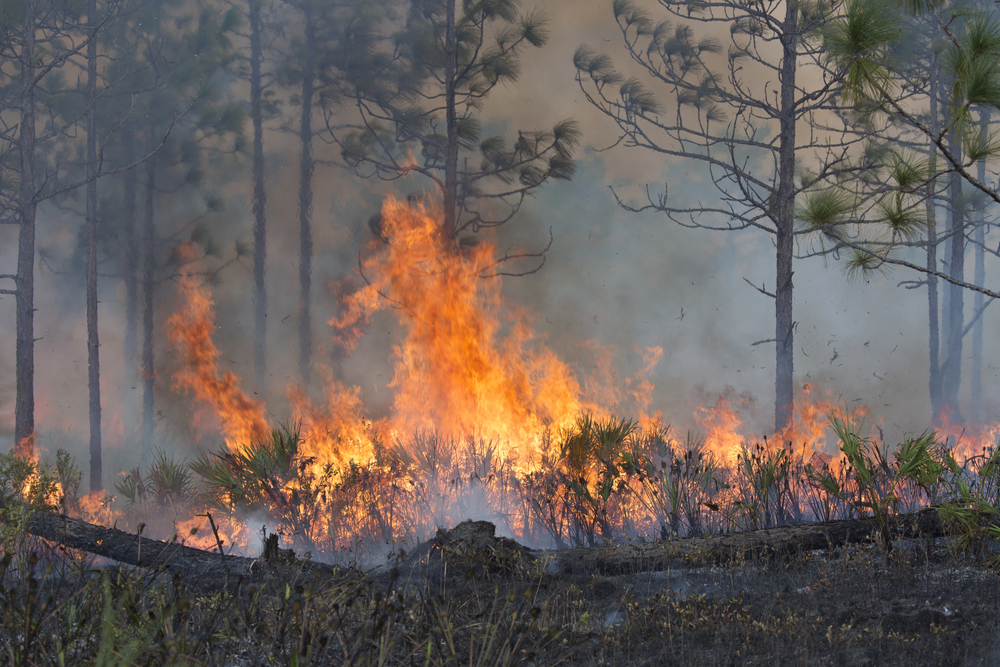
Is wildfire smoke actually worse than urban smog? That’s the question ringing out throughout California as the Madre Fire grows to 80,000 acres, triggering wholesale evacuations and shrouding neighborhoods in heavy, poisonous smoke. The statistics are mind-boggling, but the true tale is what’s occurring with humans, residences, and the environment today and what it portends for tomorrow.
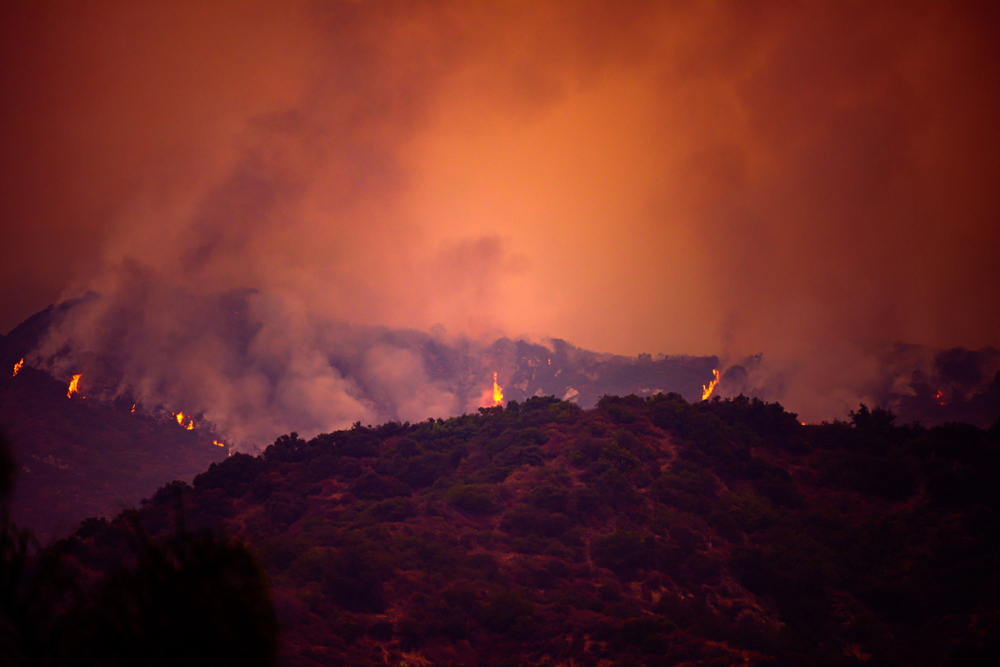
Wildfires aren’t just a seasonal nuisance anymore; they’re reshaping life in California, testing the resilience of residents and the land itself. This listicle dives into the most urgent and eye-opening facts about the current crisis, the hidden health dangers, and the science behind the flames. Expect expert insights, real data, and a few takeaways you’ll want to share.
1. The Madre Fire: A New Kind of Wildfire Emergency
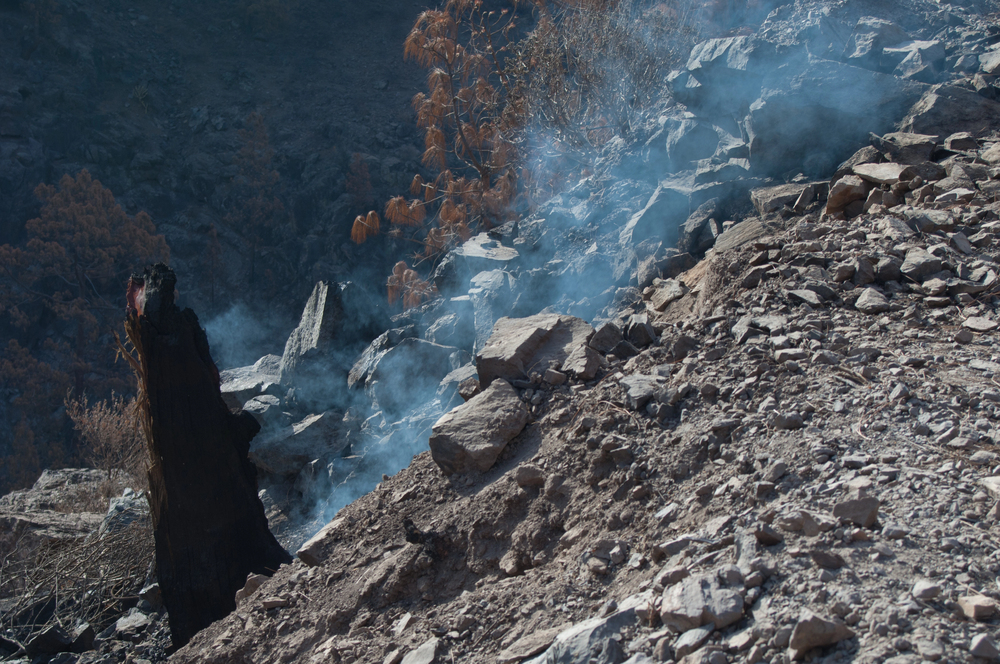
California’s biggest wildfire of the year, the Madre Fire, has already burned more than 80,000 acres, with hundreds ordered to evacuate in San Luis Obispo County. Shutdowns on Highway 166 and smoky skies have disrupted daily life. What’s new this time? The speed and ferocity of the fire are being measured against some of California’s greatest historical wildfires. The fire, as per Cal Fire, ravaged the Carrizo Plain National Monument, engulfing at least 11,500 acres of the precious natural reserve. Madre Fire Impact on Carrizo Plain. The sudden increase is an eye-opener for residents and emergency responders alike, pointing towards the rapidity with which a serene landscape can turn into a disaster area.
2. Smoke Exposure: More Toxic Than You Think
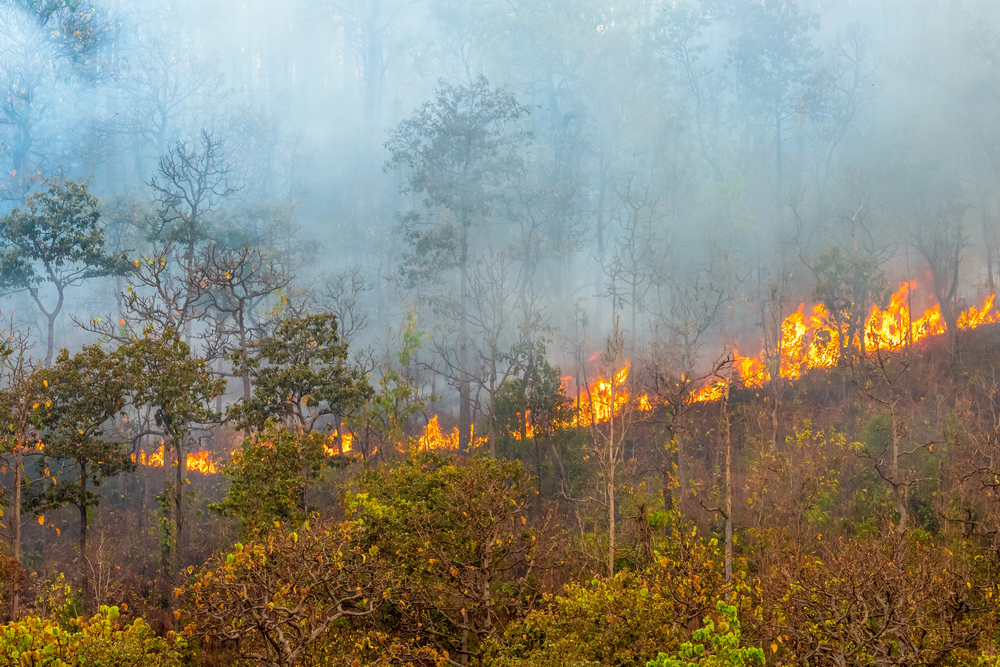
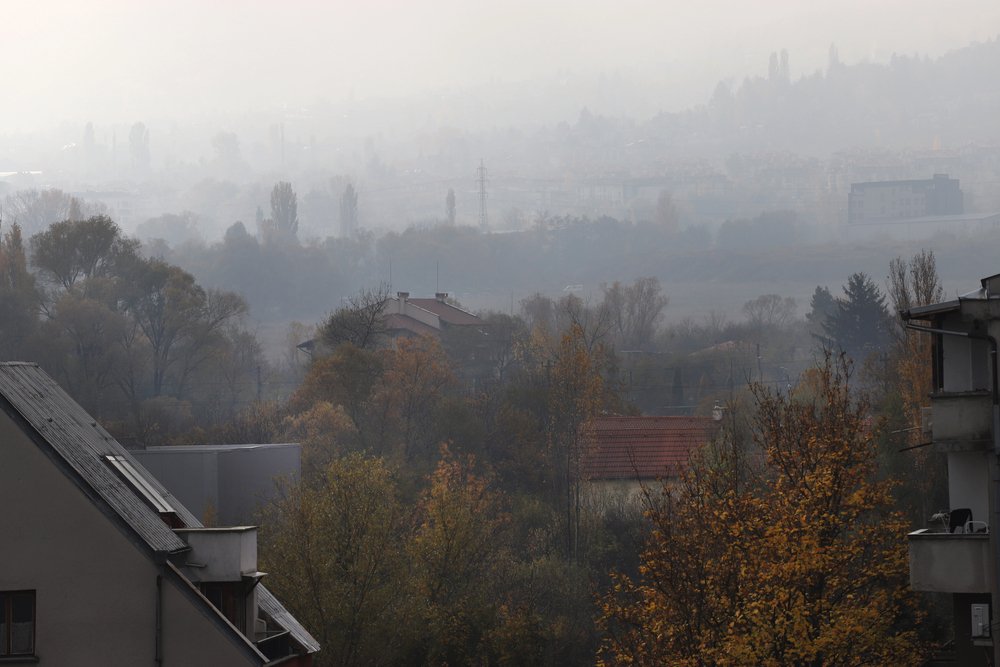
Wildfire smoke is not only a nuisance, it’s a powerful health threat. Stanford environmental scientist Marshall Burke states, “There is no safe level of exposure to wildfire smoke: the more exposure we get, the worse a range of health outcomes.” And pediatrician Lisa Patel cautions, “We estimate that wildfire smoke is about 10 times as toxic as the regular air pollution we breathe from the burning of fossil fuels,” Stanford Report. The soot contains fine particulates, heavy metals, and poisonous gases that can travel hundreds of miles, harming not only those around the fire but also vast areas. Children, elderly people, and those with respiratory problems are particularly vulnerable, but even the healthy can develop coughs, headaches, and lethargy after a mere few hours of exposure.
3. The Hidden Toll: Respiratory Hospitalizations Spike
The figures don’t lie: respiratory hospitalizations spike during wildfire episodes. A gargantuan global study discovered that a 1 µg/m³ rise in wildfire-related PM2.5 is associated with a marked increase in asthma, COPD, pneumonia, and even flu hospitalizations. Respiratory hazards of wildfire-specific PM2.5. The most exposed are children and the elderly, but individuals in low-income neighborhoods or neighborhoods already experiencing high pollution levels are at the highest risk. Actually, smoke from wildfires is more dangerous to your respiratory system than ordinary urban air pollution, and each smoky day is a serious public health issue.
4. Climate Change: Cranking Up the Heat on Wildfires
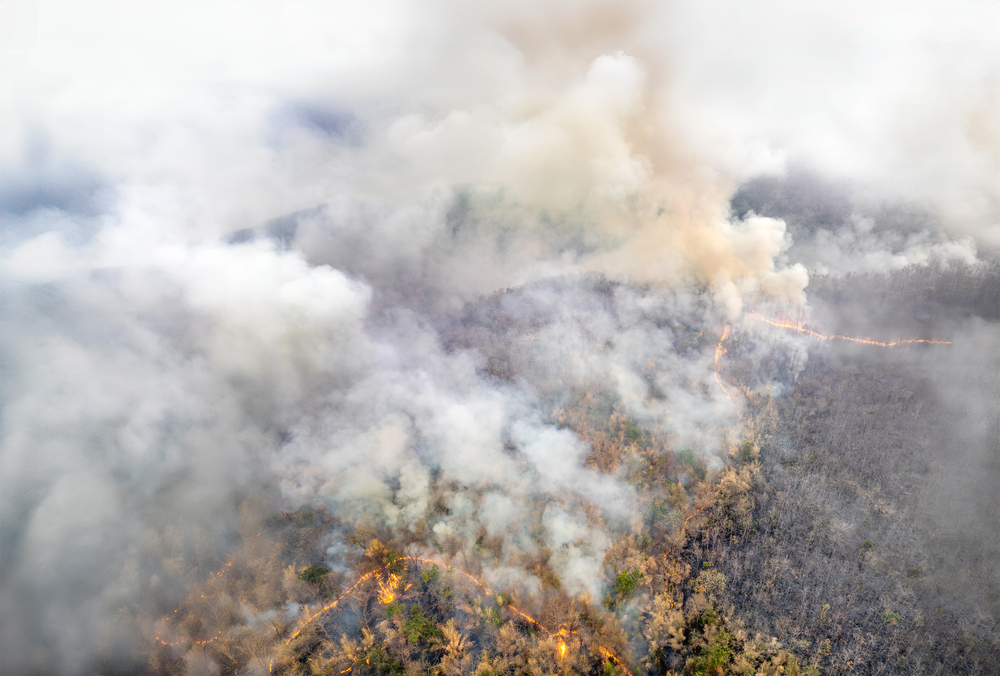
It’s not bad luck; climate change is increasing the size, speed, and intensity of wildfires. Ninety-seven percent of the growth in burned area in California over the last 50 years can be attributed to human-induced climate change, with a +320% growth in burned area from 1996 to 2021. Study Finds Climate Change to Blame. Increased hot summers, longer-lasting droughts, and an accumulation of dry fuels breed disaster. And as Marshall Burke explains, “climate change has made these events much more likely and much more severe.”
5. Who’s Most at Risk? The Unequal Burden of Wildfire Smoke
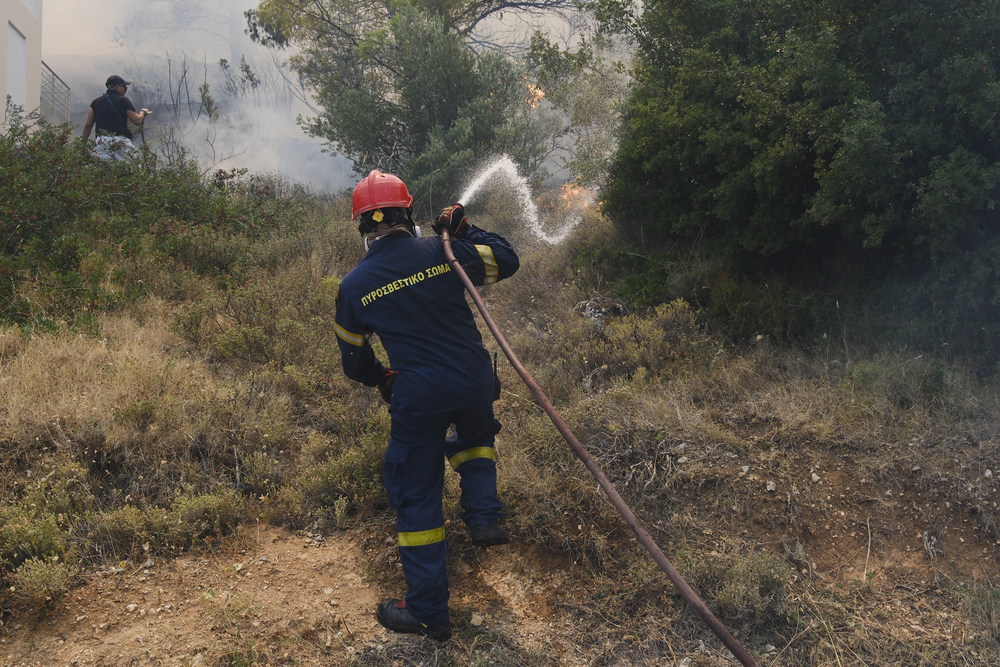
Not all people have to face wildfire smoke on an equal basis. Research indicates that those in low-income communities, the elderly, and those with chronic conditions suffer the most. Climate change heightened the risk of wildfire catastrophe. In Los Angeles, for example, neighborhoods with fewer resources struggled to evacuate and protect themselves, while wealthier areas were more likely to receive timely warnings and take action. This disparity means public health interventions need to be multilingual, accessible, and proactive, think opt-in alerts, community air filtration programs, and better emergency planning for vulnerable groups.
6. Long-Term Health Effects: What We’re Just Beginning to Learn
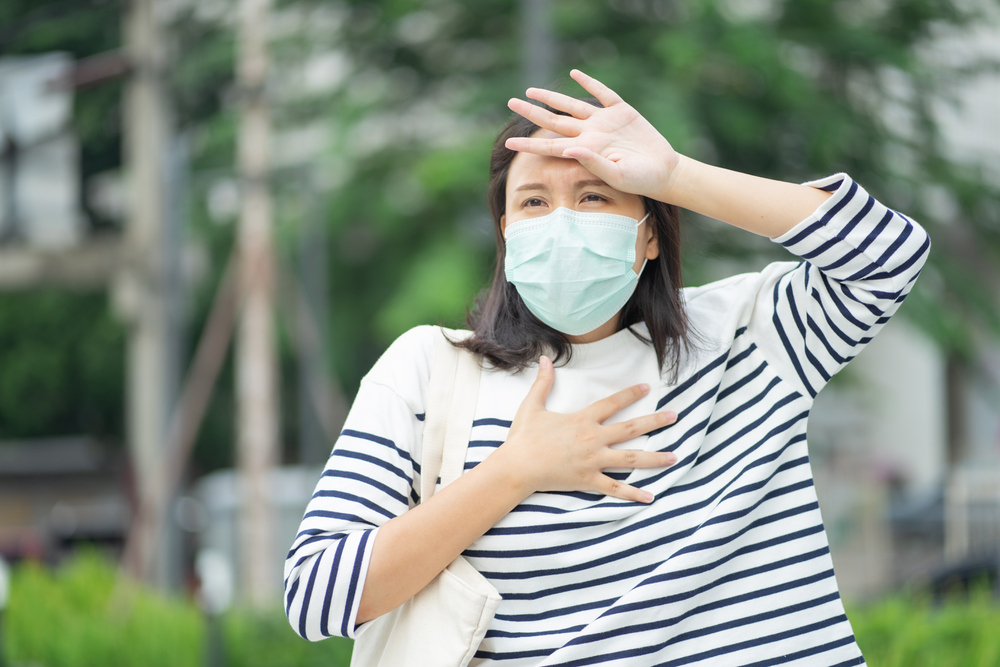
The short-term wildfire smoke effects coughing, asthma episodes, and trips to the emergency room, are only the beginning. Researchers are now initiating a decade-long program to investigate the long-term effects, from rising risks of heart disease and neurological problems to potential impacts on pregnancy and fetal development. Long-term, multi-institutional study on health impacts. Kari Nadeau, head of Harvard’s Department of Environmental Health, refers to the recent blazes as “an environmental and health disaster that will play out over decades.” The objective? To provide real-time responses and recovery plans for impacted communities, so that residents can know when it’s finally safe to go back home.
7. What Actions Work Against Wildfire Smoke?
So, what can you really do? Experts concur that portable indoor air cleaners and fitted N95 masks are your best protection when smoke levels are high. Public and school buildings require strong HVAC systems or portable air purifiers to ensure indoor air is safe for children and employees. For people in fire-prone areas, being informed through official warnings and moving quickly when ordered to evacuate is important. And in the larger picture, California’s future is in its wiser use of land, controlled burns, and immediate climate action to minimize the dangers for all.
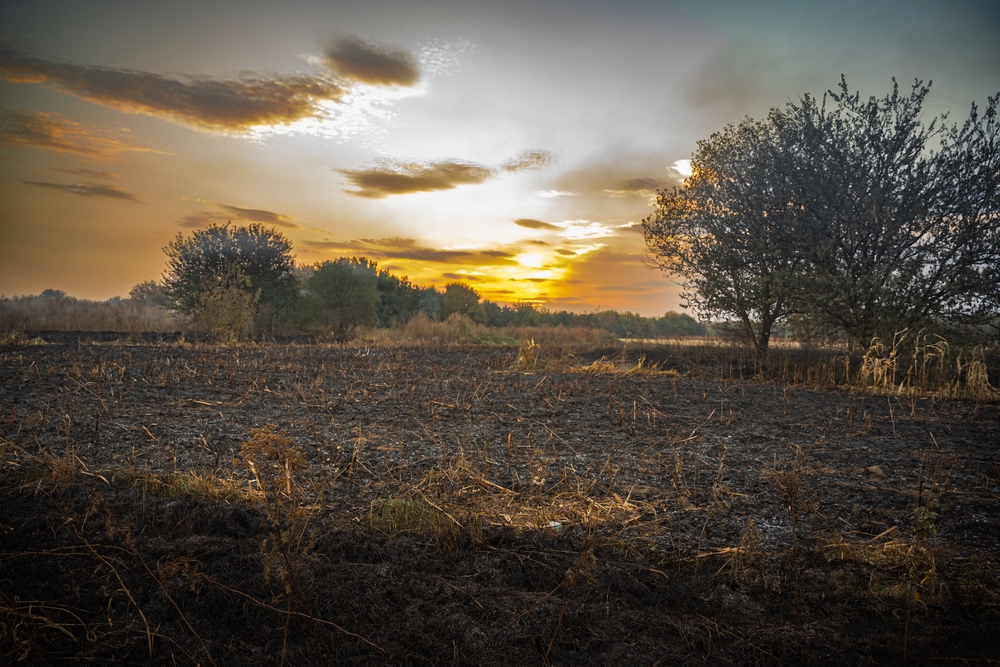
California’s wildfire disaster is more than a news headline; it’s a public health crisis, a warning sign of climate change, and a challenge to the resilience of a community. The science is clear: wildfires are intensifying, and their health effects go deeper than people know. But with knowledge, preparedness, and coming together, it’s possible to safeguard lives, homes, and the wild landscapes that make California home. Stay informed, stay safe, and remember: every step toward cleaner air and climate resilience counts.