
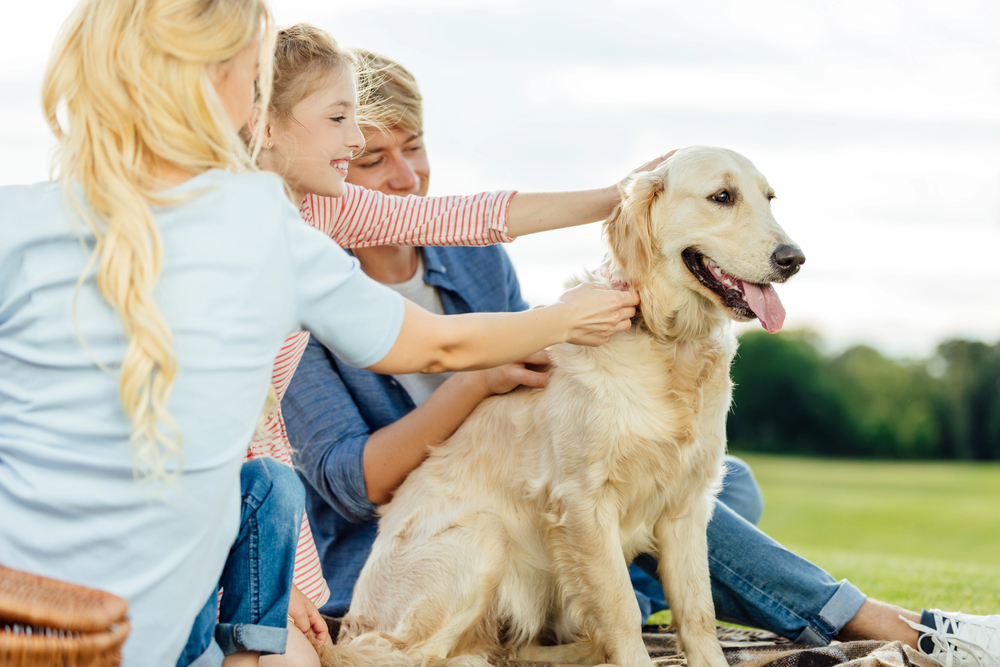
Ever wondered what truly makes a good dog owner great? It’s not the new toys or the cute Instagram selfies though, let’s be honest, those things don’t hurt. It’s the daily habits and tiny choices that build the foundation for a happy, healthy hound. As devoted canine parents, the little things we do can be worlds to our furry friend’s well-being.
From science of calm leadership to magic of mental stimulation, these habits suggested by the experts go beyond the basics and unlock the secrets of a happy, wagging friend. Here’s what every dedicated canine owner needs to know and ways you can implement these facts now.
1. Project Calm, Authoritative Energy Your Dog Bounces Off It All
Dogs are pack animals and instinctively look for a leader who exudes confidence and composure. According to Pack Leader Dogs, “Calm assertive energy is the most balanced energy and only energy that dogs will follow.” If you’re anxious, frustrated, or overly excited, your dog picks up on those vibes and may act out as a result. Instead, practice staying grounded and steady, especially during training or stressful situations. The key? Pause, take a breath, and reset your energy before engaging with your pup. As Southern K-9 Training Solutions so elegantly states, “True leadership is about guidance and consistency, not force.” By leading coolly and confidently, you make your dog feel secure and that’s when trust and good manners really take hold.
2. Enrichment as a Daily Habit
An exercised pup is not the same as a tired pup a mentally enriched puppy is a well-behaved, happy friend. Professionals agree that mental stimulation can prevent boredom, calm fear, and even halt unwanted behaviors. Puzzle toys are a savior in this regard: treat-spewing tumblers to problem-solving games, there’s a puzzle toy to accommodate every skill set. Smart Bark also mentions the reason that puzzle feeders and snuffle mats keep dogs busy for hours on end and engage problem-solving skills. The Spruce Pets adds, “Our very favorite dog toy for mental stimulation is the KONG Classic.” We’re not sure we’ve met many dogs who weren’t intrigued with trying to get some peanut butter out of a frozen KONG. Rotate toys regularly to keep things fresh and try scent-based games for an extra layer of fun.
3. Feed for Wellness, Not Just Fullness
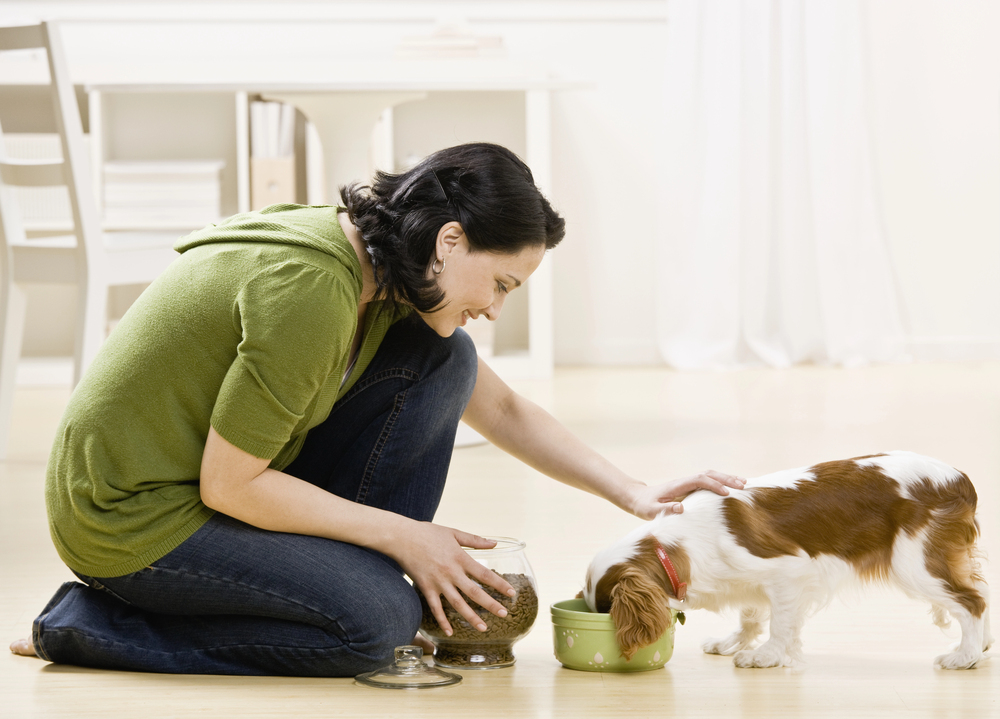
A well-balanced, nutrient-rich diet is the foundation of your dog’s health. As Diggs founder Zel Crampton puts it, “Ensure your dog’s diet meets their nutritional needs.” Consult with your vet to choose a first-class food suitable for your dog’s age, size, and activity level. Overeating or choosing the wrong food can lead to serious health issues, including joint disease and heart disease. The AKC and Marin Village Vet both stress portion control, healthy treats, and regular vet check-ups. For enrichment, try using some of your dog’s food in a puzzle feeder or a slow-bowl this not only slows down eating but makes mealtime a mental exercise.
4. Practice Like Practice Is a Way of Life, Not an Activity
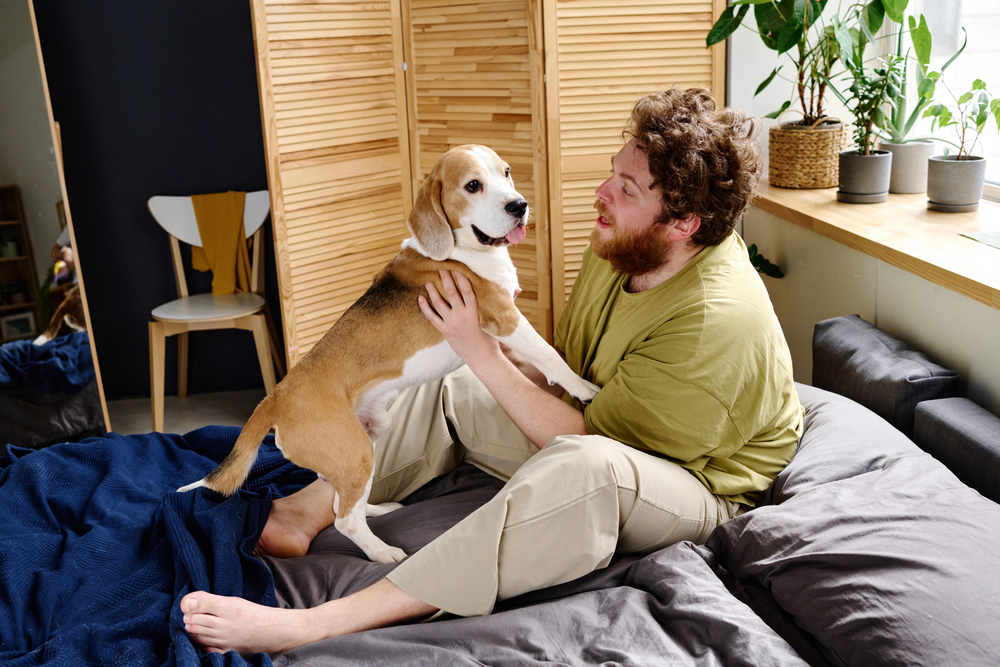
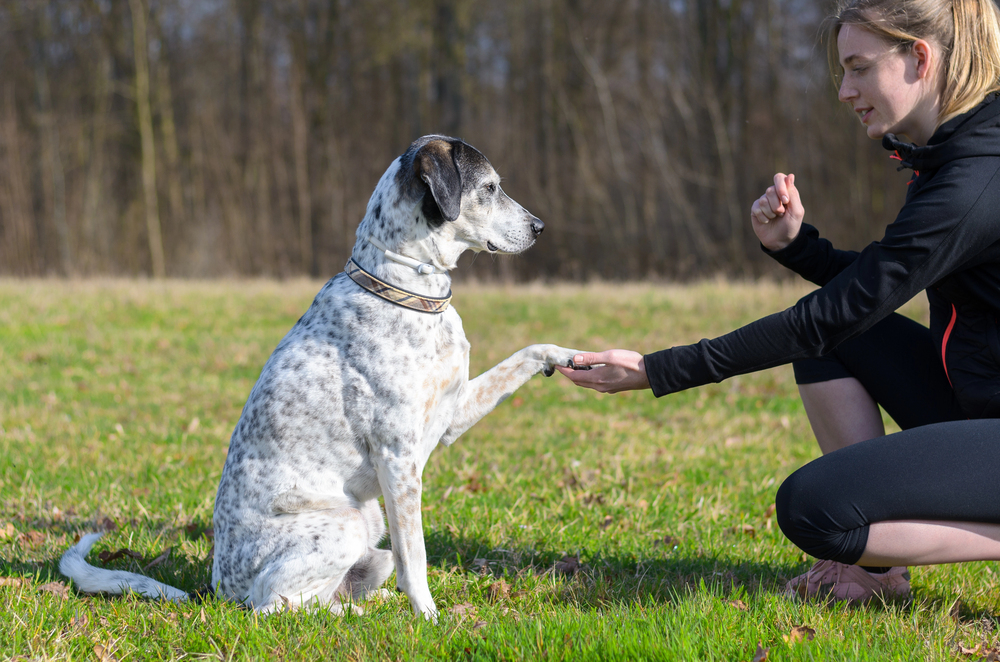
Practice is not a solitary event it’s an ongoing conversation with your dog. Brief, frequent practices build skills and solidify your bond. The AKC recommends the basics: stay, sit, and come, but there’s more to it. Paying the desired behaviors, positive reinforcement, gets the job done. Nicole Ellis, CPDT-KA, asks us to remember, “Set your dog up for success rather than getting frustrated they did something incorrectly, think about what you would prefer that they do, and the next time, request that first and begin to reward the behavior you prefer.” Socialization is equally crucial: expose your dog to new sights, sounds, and playmates to enable them to grow into a confident, adaptable companion.
5. Keep Safety First From Home to the Wild Blue Yonder
A warm, secure place is not a luxury for responsible dog parents. That means dog-proofing your home, taking hazardous materials out of reach, and providing a cozy den or crate where your dog can relax. Outdoors, always put your dog on a leash or use protective fencing, and see that ID tags and microchip info are current. The AKC suggests, “Wearing an ID tag with your name, address, and phone number on it at all times can save your pet.” For excursions, add water, a first-aid kit, and up-to-date vaccination records. And don’t forget: pet-proofing is a constantly changing task as your dog’s curiosity increase.
6. Grooming and Health: More Than a Pretty Face
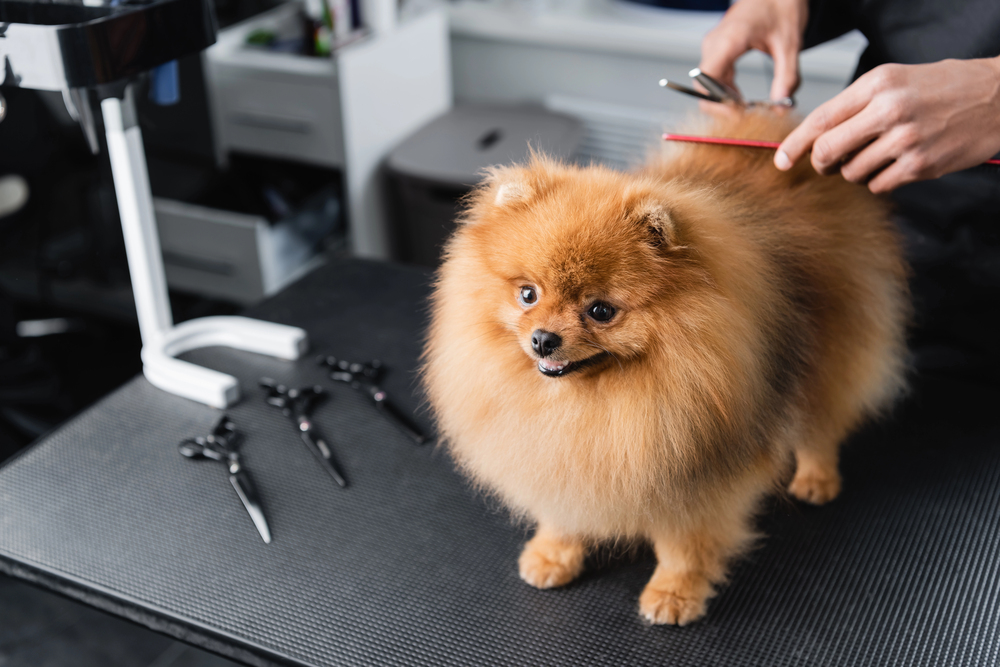
Regular grooming isn’t just about making your dog look handsome it’s a health issue. Brushing, nail trimmings, and cleaning teeth all help to prevent conditions such as skin infection or dental disease. As Nicole Ellis states, “Dog dental disease can shorten your dog’s life, leading to issues like heart conditions start taking care of your dog’s teeth from a young age to really help them live a long life.” Visit your vet regularly, keep vaccinations and parasitic control up to date, and pay close attention to alterations in the behavior or physical condition of your dog. Early diagnosis is your best defense against disease.
7. Commit to Lifetime Learning and Adaptability
Top dog owners always learn. Pet care evolves, and your aging dog’s needs evolve along with it. Keep your curiosity going: read specialist blogs, attend workshops, and mingle with other dog lovers for fresh ideas. As Diggs CEO Zel Crampton recommends, “Continuously learn about dog behavior, health, and care.” Attend workshops, study books, and stay current with best practice so that you can provide your dog the very best life. Reline routines as your dog progresses through phases of puppyhood and on into golden year yesterday’s solution might need an adjustment today.
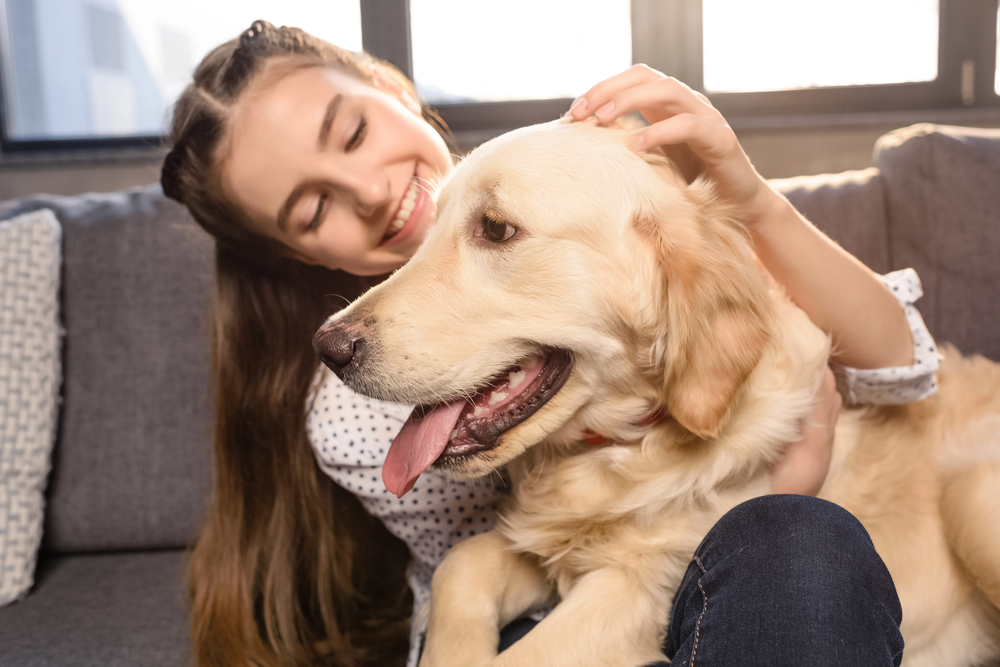
Your desire to learn means your dog’s life is not only long, but richly full. Responsible dog ownership is a journey, not a destination. By weaving these expert-backed habits into your daily routine, you’re not just meeting your dog’s needs you’re setting the stage for a lifetime of joy, trust, and tail wags. After all, the best reward for a responsible dog parent is seeing your pup thrive body, mind, and spirit.


