
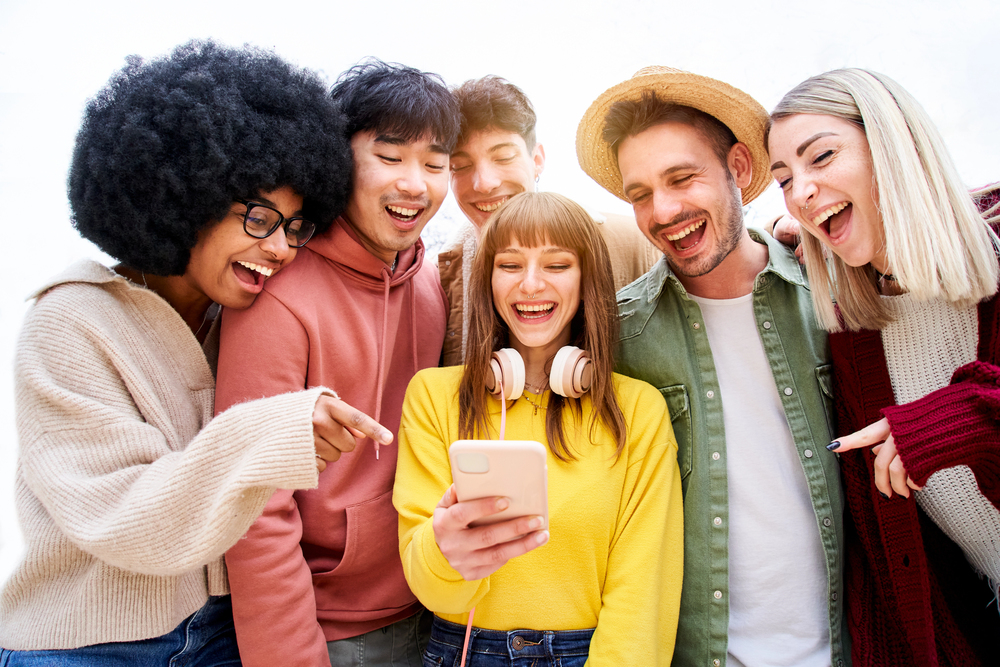
“I tried to set a screen time limit, but my phone asked me to enter in my password and I panicked.” So join the club Gen Z is leading the age of digital life but also the pain of screen saturation. The irony? The very computers that are meant to connect us are the same computers that often seem to keep life’s necessities just beyond our grasp.

But here’s the twist: Gen Z isn’t simply scrolling mindlessly through the struggle. They’re waking up to the cost of tech and making do with turning off, tuning in, and learning skills IRL. It’s not about quitting your phone forever it’s about taking back your time, your attention, and your sanity. Ready to see what a digital detox actually looks like on Gen Z? Let’s dive into the most surprising truths and hacks.

1. The Real Impact of Screen Overload
The stats don’t lie, and they won’t lie down: a whopping 84% of Gen Z is pondering a digital detox, says a 2025 Researchscape International survey. Why? Because bottomless scrolling has been linked to anxiety, sleep deprivation, and an FOMO that’s too real to be false. The McKinsey Health Institute found Gen Zers are more prone than any other generation to say that social media is negatively affecting their mental health, specifically comparing themselves, feeling about themselves, and feeling left out. Social media fuels FOMO or a negative body image but facilitates social connection and self-expression. The punchline? Even while Gen Zers are getting the short end of the stick, they’re more likely to experiment with digital well-being apps and look up mental health tips online. It’s an ugly affair, but even awareness is the start of change.

2. Digital Detox Ain’t All or Nothing
You don’t need to transplant and move in to terror cabin in the woods to become disconnected. Experts recommend starting small, deliberate breaks try phone-free mornings, app detoxes, or a weekend with your phone in Do Not Disturb mode. As described by one of House & Garden’s therapists, “A digital detox does not necessarily equate to going off-grid. It can begin with a few hours of thoughtful disconnection and expand into a sustainable mental health practice.” Mini-breaks are accessible to most and do not require a digital detox retreat. Intent, not perfection, is the requirement. One lone hour unplugged can recharge your nervous system and get you present.

3. The Rollercoaster of Emotions That Comes With Unplugging
This is the ugly reality: having your phone next to you makes you feel awkward at first. A vast majority of us feel initial awkwardness, boredom, or depression. That’s because phones are not just tools; they’re lifelines for connection, validation, and entertainment. 21% of Gen Z, according to the 2025 survey, experience problems with negative self-comparison and self-perception from social media, and 19% of them report FOMO and loneliness as a major concern. But after withdrawal phase has passed, most find that they get over the anxiety and are better in mood. As the World Health Organization describes intentional staying away from digital activity, it can reduce symptoms of depression, especially among those who begin by being the most overwhemed.
4. Intentional Tech Use: Tools That Truly Support
What a contradiction: your phone could help you leave your phone behind. Most phones today have Focus Modes, app timers, and screen time monitoring preinstalled digital speed bumps that remind you to slow down before you go back out of control scrolling. These programs aren’t foolproof (come on, most can be bypassed), but they give you a time-out: “Do I really need to use this app right now?” For sustainable change, experts suggest combining tech tools with offline activities like journaling, walking, or even deep breathing. The goal isn’t necessarily less screen time more intentional, purposeful use.

5. Relearning Good Old Hobbies and Skills
Gen Z setting aside phones, there is a craze for experiential hobbies and traditional skills. From ceramics to crochet, young adults are discovering the pleasure of doing things the traditional way manually. House & Garden approximates crochetforbeginners to have 196.4 million views on TikTok, and ceramics studios now have waiting lists like never before. This crafting trend is not just about appearance it’s a deliberate way of slowing down, relaxing, and building self-esteem offline from screen distractions.
As put by one young crafter, “Learning a craft helps steady your mind and limit the doom-scrolling.” Crafting is an instant fix for digital overwhelm.

6. Digital Detox and Mental Health: What Science Says
Does a digital detox actually work? The latest meta-analyses suggest that digital detoxes can reduce symptoms of depression to a considerable extent, especially among people who start with more severe depression. Slowly phasing out the use of the digital or the social media reduced symptoms of depression. How much they impact the overall satisfaction of life and stress is not as certain the short break may not be enough to influence these complex issues. Yet, even temporary separation allows you to recharge your mind and reattach to what matters most.

7. Building Connection Off-Screen
One of the largest dividends of unplug is the capacity to build deeper, more meaningful relationships. Gen Zers who prioritize offline relationships, according to the McKinsey Health Institute, reference enhanced well-being even while acknowledging the value of online expression. Stepping away from screens allows space for true conversation, shared experience, and co-creative thinking.

And for the individual, digital detox can bring the first brush of community in the real, not virtual, world. And for Gen Z, to get good at life skills in the age of technology isn’t about rebelling against technology it’s about using it on your own terms. By setting empathetic boundaries, logging off, and prioritizing in-real-life connection, young adults can reclaim their attention, shed light on their disposition, and recall what it’s like to truly thrive. The virtual world isn’t going away, but by intention and self-awareness, Gen Z can be the changeleaders who use technology for their good not against.


