

What if the Bible stories you had assumed to be singular had rung true throughout ancient empires? The fabric of the Bible is more cosmopolitan and more diverse than we acknowledge. From Persian proclamations to Babylonian creation poems, biblical tradition begins with filaments moving through a varied tapestry of neighboring civilizations, each contributing their own to the sacred texts. For seminary students, scholars, and history buffs, tracing these connections isn’t just an academic exercise it’s a journey into the heart of how faith and culture shape each other. Ready to see how ancient myths, royal decrees, and philosophical debates all play starring roles in the biblical narrative? Here’s a curated look at seven of the most fascinating cross-cultural influences you’ll find hiding in plain sight.
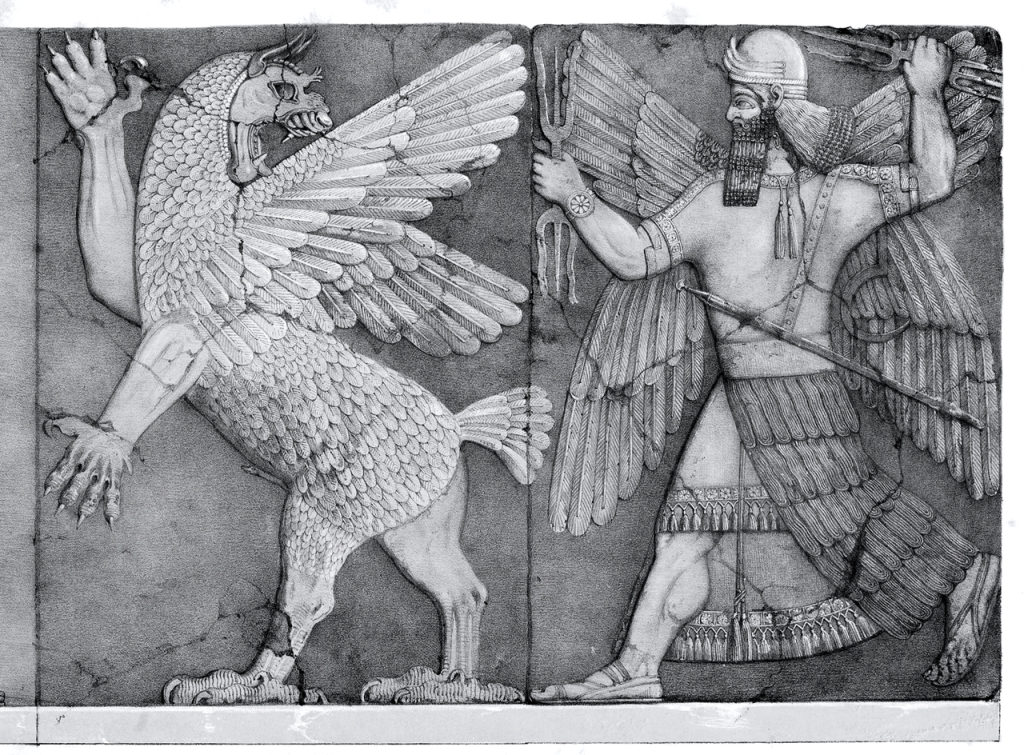
1. Babylonian Creation Myth and the Genesis Echo
Much earlier than Genesis was written, Babylonians were chanting Enuma Elish a creation epic in which gods fight chaos and the world is formed through the word of gods. Though Genesis features one God who speaks peacefully into creation, motifs and poetic shape such as the primordial waters are the same as in the Babylonian myth. As Joseph Lam points out, both account for the joining of “heaven” and “earth,” the naming as creation, and the presence of water at the beginning of time. But Genesis accomplishes this in a muted turn: instead of cosmic struggle, there is serene mastery. This is not literary borrowing; it’s a radical reinterpretation of the creation of the divine. The similarity is so profound that, in the opinion of one scholar, “Genesis 1 is as historically situated as Enuma Elish,” offering a rival vision forged in exile and survival (Genesis and Enuma Elish).
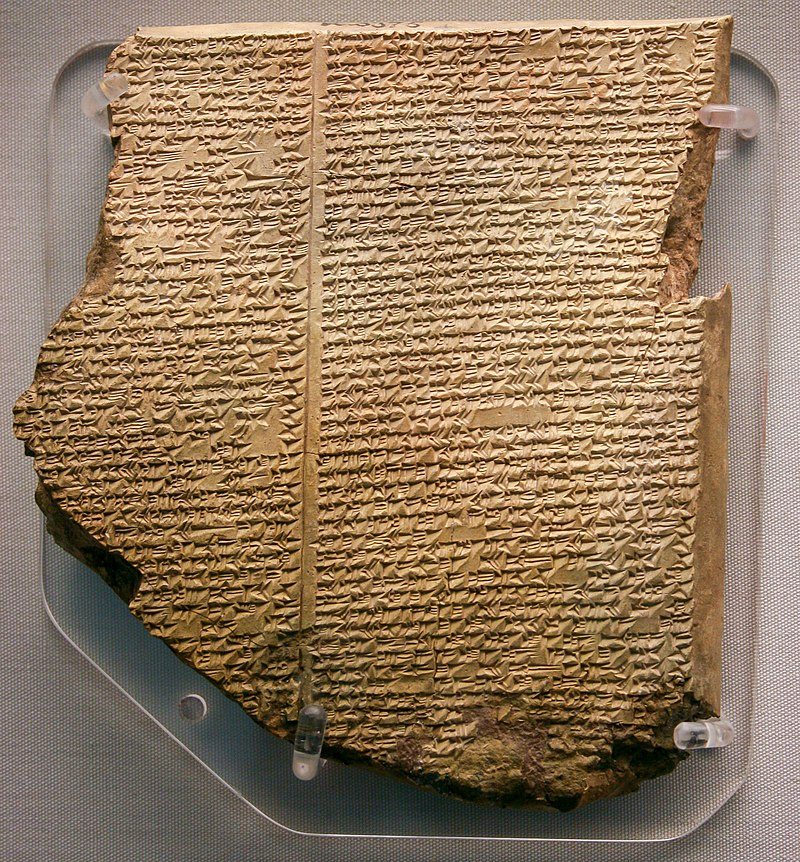
2. Flood Stories: From Gilgamesh to Noah
Think Noah’s Ark was the original great flood story? The Epic of Gilgamesh pre-empted it by centuries. In this Mesopotamian epic, Utnapishtim survived a flood sent by the gods by constructing an enormous boat, rescuing animals, and enduring the gods’ wrath. The similarities are frightening: both have a special survivor, a boat packed to the brim with life, and a post-flood vow represented by a rainbow or necklace. As comparative scholarship demonstrates, these flood themes traveled from culture to culture, demonstrating that the Bible’s story is part of a much wider ancient debate on disaster, survival, and divine compassion. The moral: the Bible’s account of the flood is unique and deeply grounded in the mythic consciousness of the ancient world.
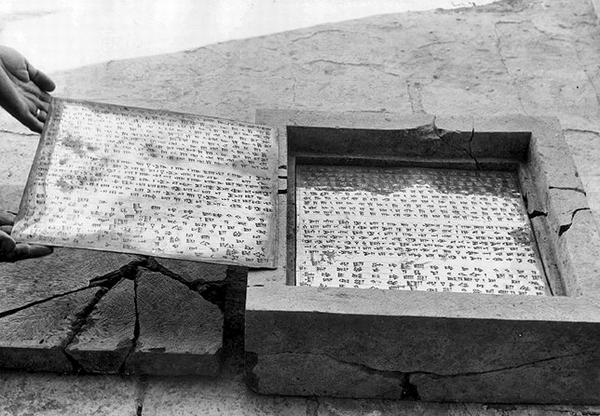
3. Persian Policies and the Cyrus Cylinder: History Confirmed
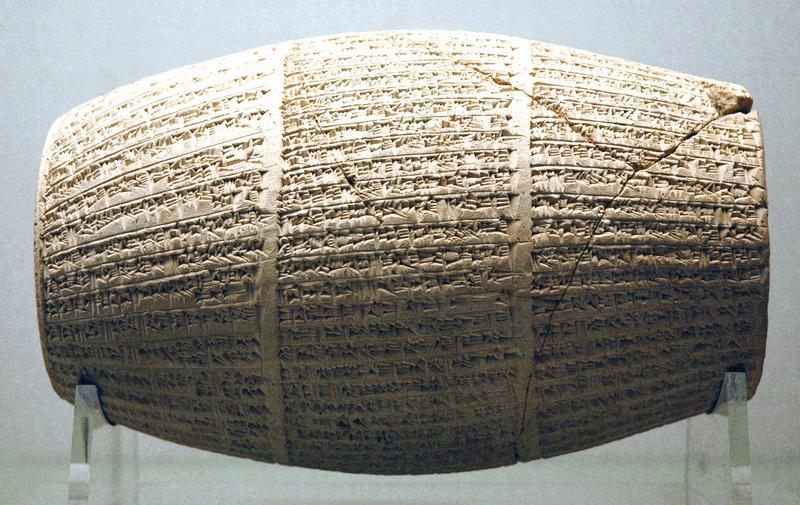
Persian king Cyrus the Great is more than a biblical legend a he’s a giant of history. When Cyrus issued his renowned decree permitting exiles, such as the Judeans, to go back home and rebuild their temples, the Babylonians had newly conquered. This is not merely biblical fantasy but upheld by the Cyrus Cylinder, a clay tablet discovered in Babylon and now hailed as the world’s first human rights charter. The Cylinder’s inscription confirms the policy as outlined in Ezra, wherein Cyrus declares, “The LORD, the God of heaven, has given me all the kingdoms of the earth, and he has charged me to build him a house at Jerusalem” (Ezra 1:2). Contemporary finds of the same texts verify that this wasn’t an isolated incident Cyrus’s decree was promulgated throughout his empire (Cyrus Cylinder). For scholars, a fleeting moment of comparative uniqueness when archaeology and scripture meet.
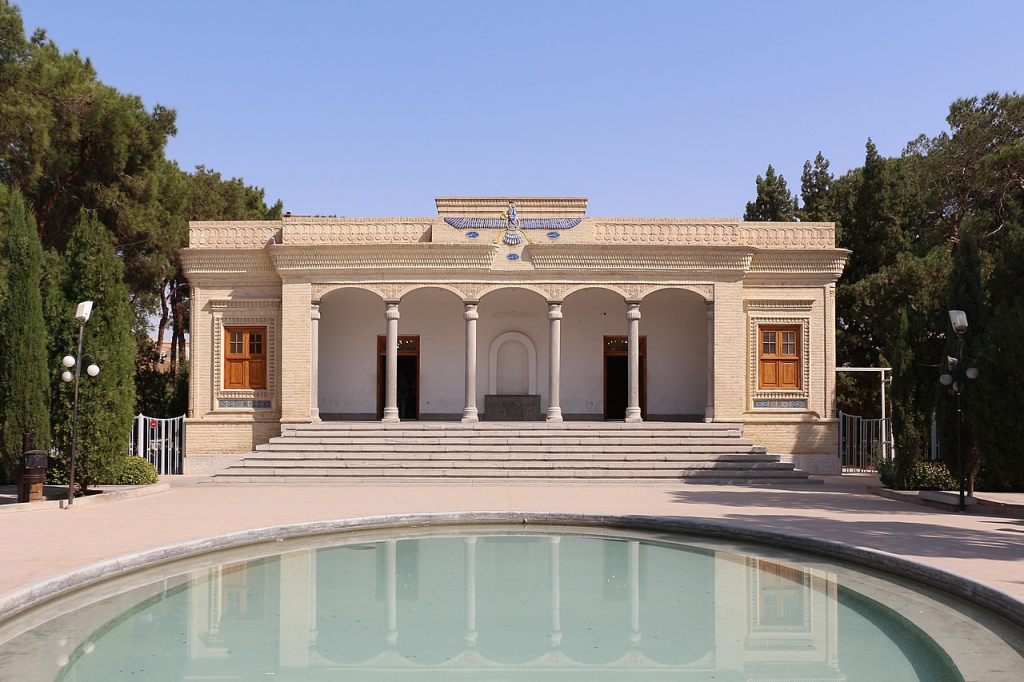
4. Zoroastrianism and the Afterlife: Angels, Judgment, and Resurrection
During pre-Persian times, the Hebrew Bible provided very little data about angels or the afterlife. And then comes Zoroastrianism, in all its dirty cosmic dualism Ahura Mazda and Ahriman, angels vs. demons, and ultimately a final resurrection when good defeats evil. The Book of Daniel’s apocalyptic vision of resurrection and judgment and the sophisticated angelology of post-Danielic Jewish literature bear witness to Zoroastrian motifs.
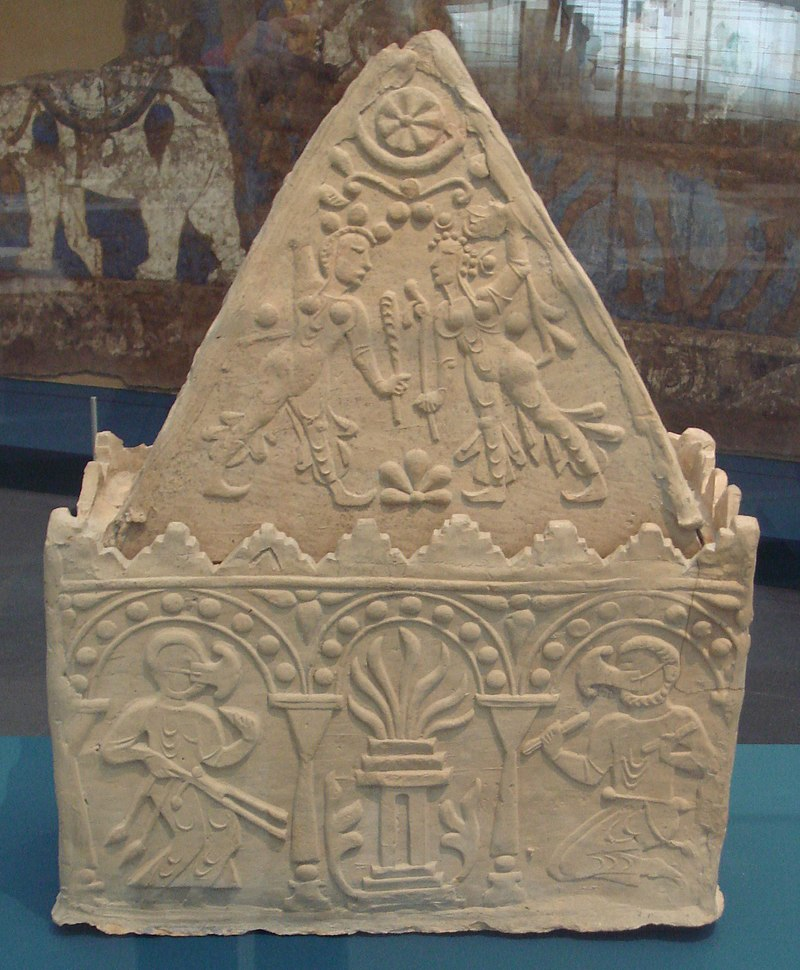
In the words of Mary Boyce, “the ethical and eschatological parallels between the two religions are too substantial to be coincidental.” But not everyone thinks borrowing was direct some prefer independent development. But then comes the Persian era, which is a turning point with new thought of cosmic justice and final destiny of humankind entering Jewish cosmology (influence of Zoroastrian).
5. Canaanite Origins: Ancient Israelite Religion in its beginnings
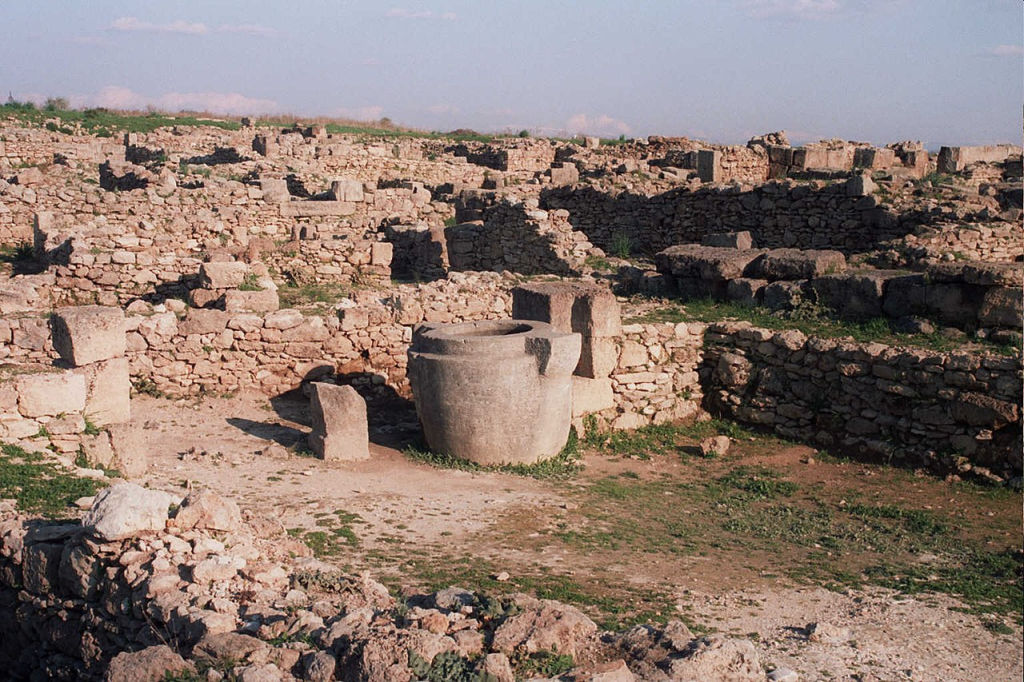
The Israelites weren’t initially tough monotheists. Early writings and archaeological evidence indicate that Yahweh was being worshiped alongside other deities such as El and Asherah names inscribed both on inscriptions and the Bible. This Canaanite environment is significant: it illustrates the way Israelite religion developed out of, and frequently reacted against, a world full of gods and goddesses. Later, monotheism would be the characteristic feature, but traces of earlier faith can be seen in word, ritual, and even in names of biblical figures. For historians of ancient religion, it is a reminder that religion develops out of debate and conflict with the surrounding culture.

6. Greek Philosophy and Jewish Thought: Reason Meets Revelation
In the wake of Alexander’s soldiers came more than warriors to the Near East a system of Greek thought that eventually blended with Jewish heritage. Scholars such as Philo of Alexandria were among the first to synthesize Greek thought with biblical religion and laid intellectual groundwork for early Christian theology. This mixture formed the propositions concerning the interaction between divine revelation and human reason concerns that still present the challenge of theological debate today. The Septuagint, the Greek translation of the Hebrew Bible, also made Jewish scripture available to new interpretations and readers, demonstrating that philosophy and language could be as transformative as conflict.
7. Archaeology’s Role: Exposing Cross-Cultural Connections.
Such objects like the Cyrus Cylinder, ancient treaty, and clay tablets illustrate a tight network of diplomacy, trade, and shared narrative. Such proof establishes that biblical writings did not happen in a vacuum bible writings respond to, reply to, and at times challenge the political and religious environment of the day. As new finds come to light, the history of the Bible is increasingly not so much one of solitary revelation but rather one of a living, breathing conversation with the world it inhabits. History buffs, every excavation offers an opportunity to view the world of bygone days and biblical heritage freshly and anew. Stripping away the layers of biblical narratives reveals a world in animated exchange, adaptation, and innovation.
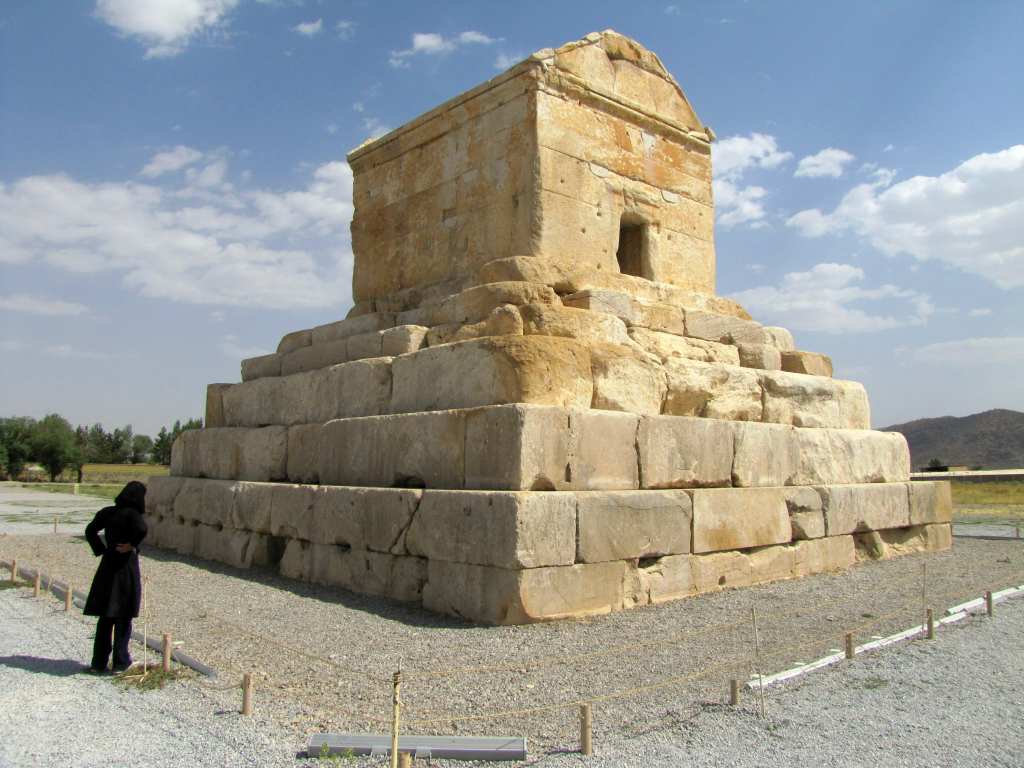
The legitimacy of the Bible is not weakened by its age but is enhanced by it, for its message is richer, more familiar, and more profoundly human. For historian, theologian, or lover of literature, these similarities between cultures are an invitation to continue to look, to continue to search, and to continue to discover the common heritage that forms faith and meaning in our day.


