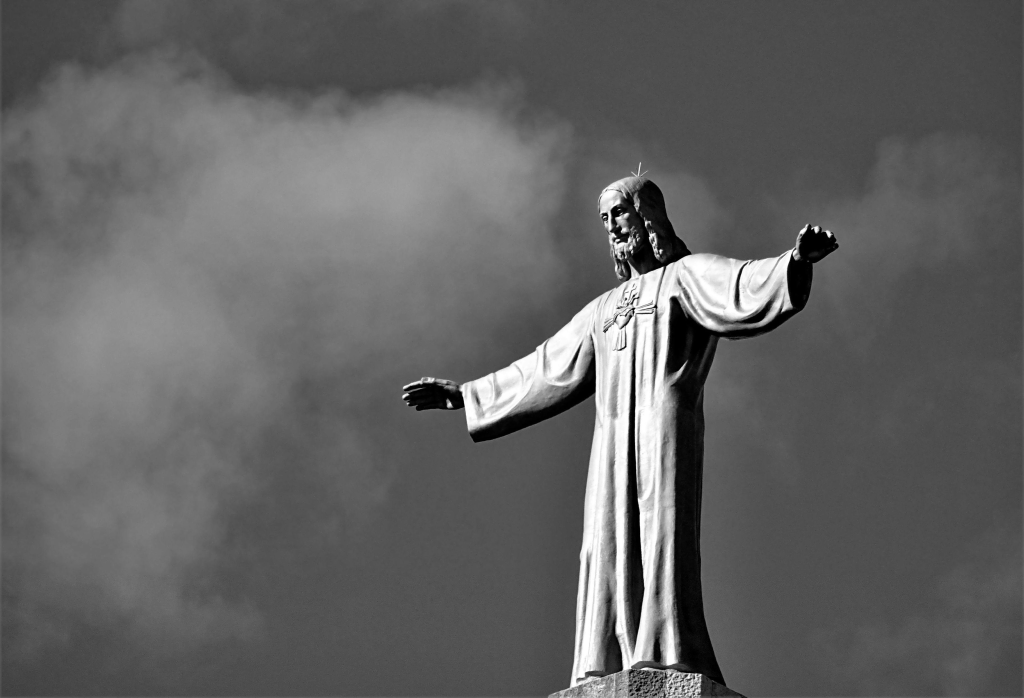
“No one knows exactly what Jesus looked like, and there are no known images of him from his lifetime,” writes art history professor Anna Swartwood House in The Conversation. Yet, walk into almost any Western church or browse religious art online, and you’ll see a familiar face: a light-skinned, blue-eyed Jesus. Why has this image dominated for centuries, and what does it say about us? The history of how Jesus went white is as complicated as it is enlightening, invoking art, power, race, and the narratives that cultures construct about themselves.
Inquisitive readers, buckle up: we’re taking an exhilarating and sometimes painful journey through the captivating and sometimes disturbing history behind the white Jesus icon. From ancient religious art to Hollywood, from the Crusades to contemporary activism, every chapter exposes not only how we perceive Jesus, but how we perceive ourselves.

1. The Bible’s Descriptions: More Mystery Than Clarity
Flip open the New Testament and you’ll see no selfie of Jesus, only a few poetic, sometimes contradictory, descriptions. Revelation describes him with “hair, white like wool” and “feet, like burnished bronze,” while Psalms labels him “fairer than the children of men.” Lamentations contributes: “Their visage is blacker than coal.” They are often metaphorical and leave much to the imagination and misimagination. As Anna Swartwood House also notes, even the oldest texts are vague, generating centuries of speculation and artistic license.

2. White Equals Pure? The Symbolism Trap
In Christian tradition, white has traditionally symbolised purity lambs, doves, and shining halos. That symbolic connection might have quietly prompted artists and theologians to imagine Jesus as actually white-skinned. But the twist is, this metaphorical whiteness was frequently interpreted as a signal for skin tone, merging boundaries between religious symbolism and physical beauty. This mix-up has been used against people throughout time, legitimizing exclusion and even slavery by linking whiteness to goodness. Francesca Ramsey aptly observes, “white supremacy was used in Christianity to colonize and control before and during slavery.”
3. Early Christians Hid, So Art Stayed Symbolic
Following Jesus’ death, his followers were not exactly popular. Persecuted by the Roman Empire, early Christians employed secret symbols such as the ichthys and Chi-Rho instead of portraits. Consequently, there are hardly any images of Jesus from his own time. This tabula rasa granted subsequent artists complete license to envision Jesus in their image, paving the way for centuries of imaginative portrayals.
4. Rome’s Influence: Minority Messiah to Imperial Icon
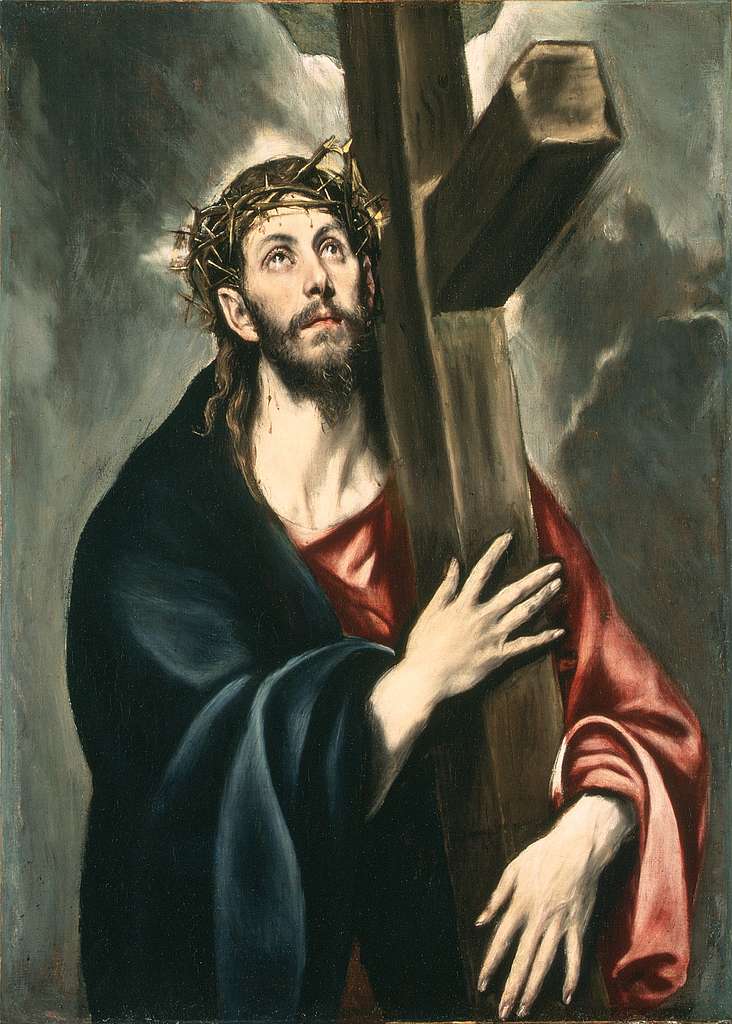
By the 5th and 6th centuries, Christianity had become mainstream within the Roman Empire. Abruptly, Jesus wasn’t a radical Middle Eastern rabbi he was a bearded, light-skinned man, frequently dressed like a Greco-Roman philosopher or emperor. As biblical scholar Christena Cleveland describes, “Jews were marginalized by Romans, Greeks, and other non-Jewish groups in many imperial cities.” An attenuated, less brown Jesus was less problematic for Rome to sell, uniting the empire under one, familiar image. The new image caught on and spread..
5. The Middle Ages: Myths, Miracles, and Made-Up Descriptions
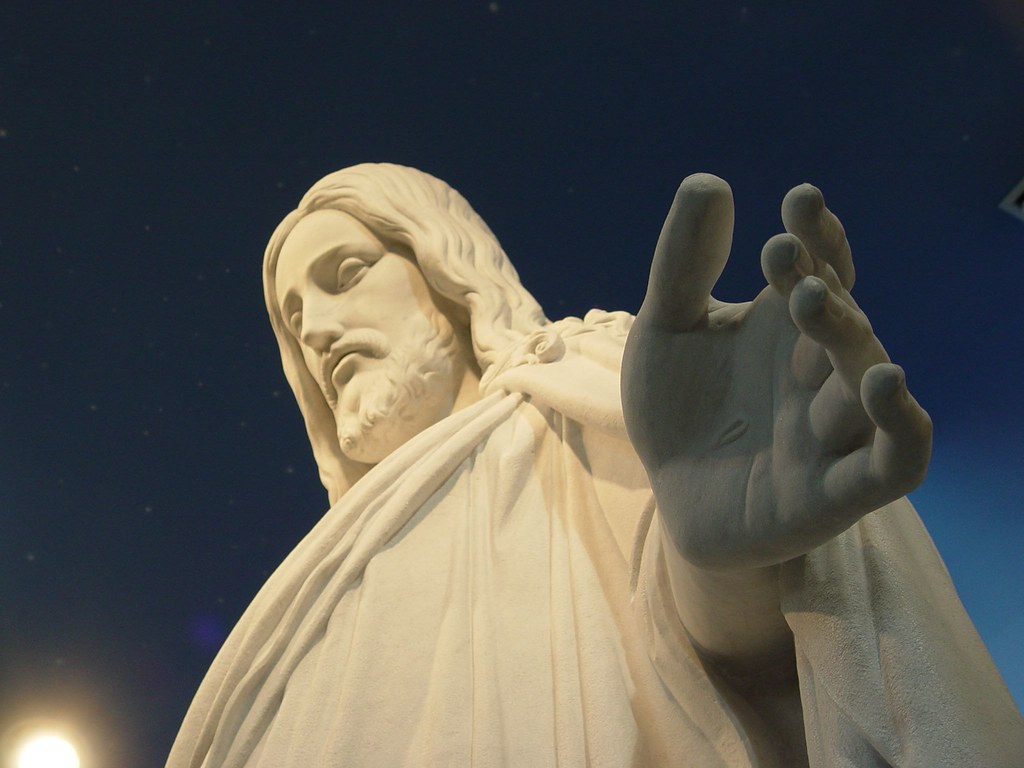
While Christianity was flourishing but lacked any agreed portrait, medieval Europe took the opportunity to compete with imaginative forgeries and so-called relics. The notorious Lentulus letter had portrayed Jesus as tall, blue-eyed, and rosy-cheeked a currently much-discredited medieval fabrication. Miracle images such as the Image of Edessa and the Veil of Veronica helped solidify a European-looking Jesus, although historians place these relics centuries after Christ’s time. These pictures weren’t merely art sacred art to some they were powerful instruments for fashioning faith and identity.
6. Colonialism, Slavery, and the White Jesus Agenda
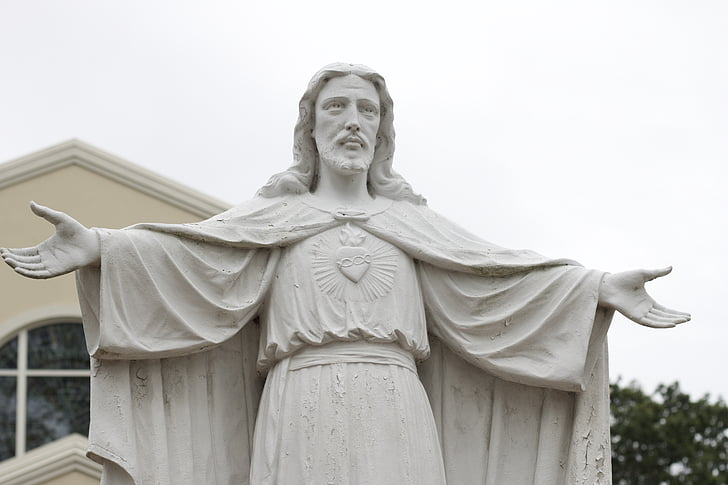
As European empires spread, they took their white Jesus with them around the world. In colonial Latin America, portrayals of a light-skinned Christ supported a racial caste system, with white Europeans at the apex. Academic Edward J. Blum and Paul Harvey contend that “the white Christ image connected him to the logic of empire and could be called upon to affirm the oppression of Native and African Americans.” White Jesus, in slavery times, was used as a means of domination, affirming the so-called Christian obligation to “civilize” and convert slaves. As Christena Cleveland explains, “By denying his real identity as a dark-skinned, oppressed minority, slaveholders were able to more easily justify the master-slave hierarchy.”
7. Art Imitates the Artist: Self-Representation in Paint and Stone
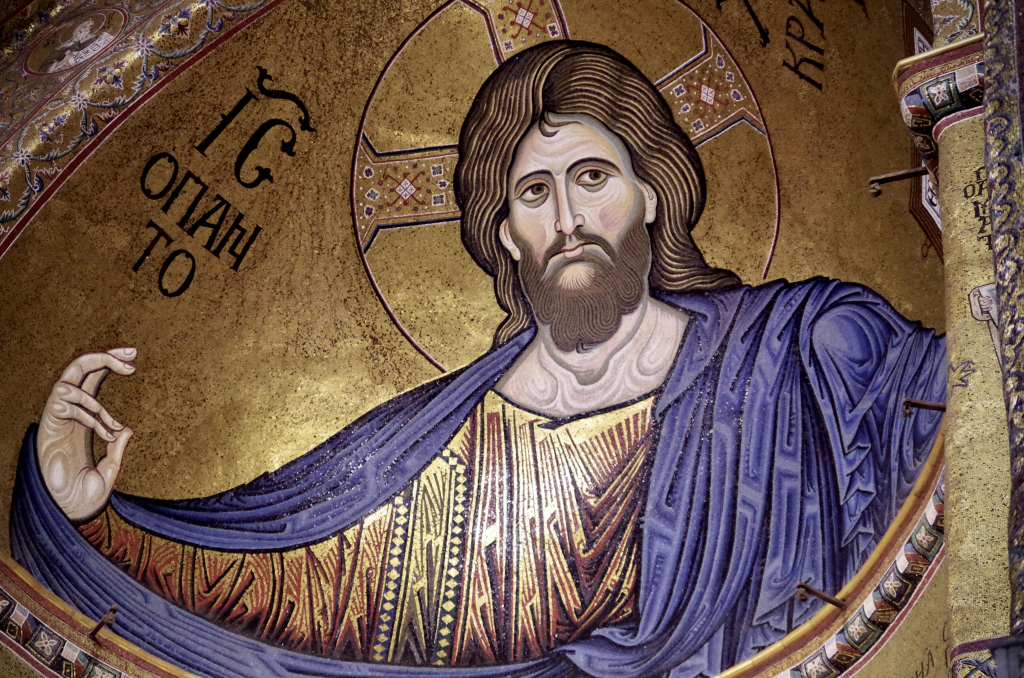
Since the Renaissance, artists such as Leonardo da Vinci and Michelangelo depicted Jesus in their own image European features, flowing locks, and pale complexion. This was not limited to Europe; across the globe, people have imagined Jesus in their own likeness, be it Ethiopian icons or Chinese scrolls. In the West, though, the white Jesus became so ubiquitous that it influenced not only art, but the way the world thought about Christianity. As Anna Swartwood House says, “Sallman’s painting culminates a long tradition of white Europeans creating and disseminating pictures of Christ made in their own image.”
8. Hollywood and Pop Culture: The White Jesus Goes Viral
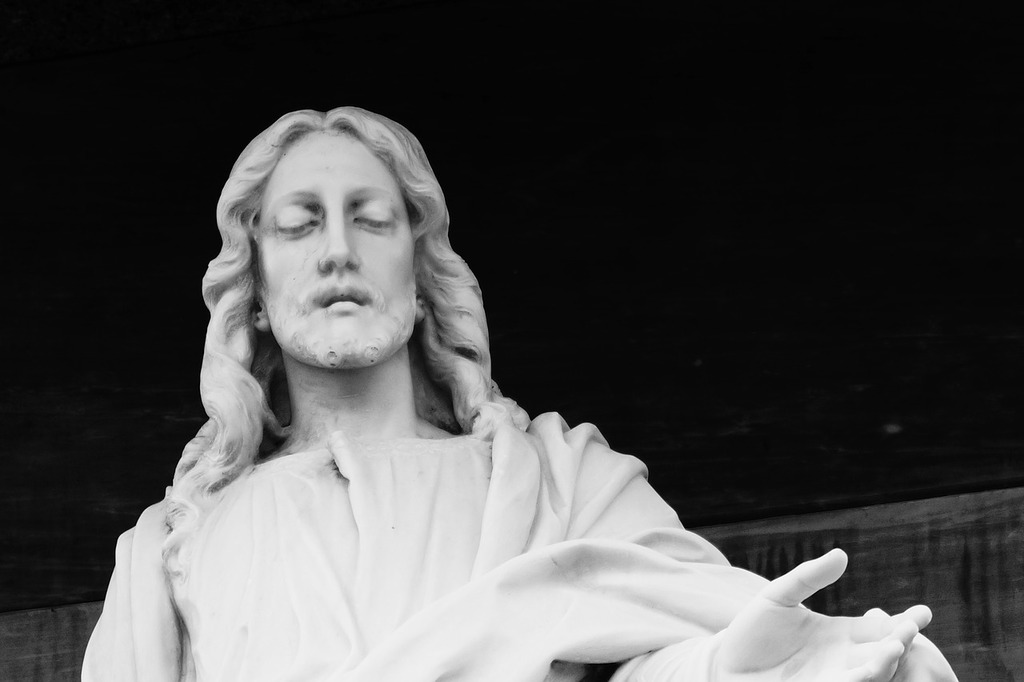
Flash-forward to the 20th and 21st centuries, and the white Jesus is ubiquitous from Warner Sallman’s 1940 “Head of Christ” (copied on everything from prayer cards to night lamps) to blockbuster movies featuring white actors. It wasn’t until 2015 that a significant English-language production, National Geographic’s Killing Jesus, chose a Middle Eastern actor to play Christ. This saturation in the media perpetuates old stereotypes, making it more difficult for more accurate or diverse portrayals to gain traction.
9. The Struggle for Change: Redrawing Representation
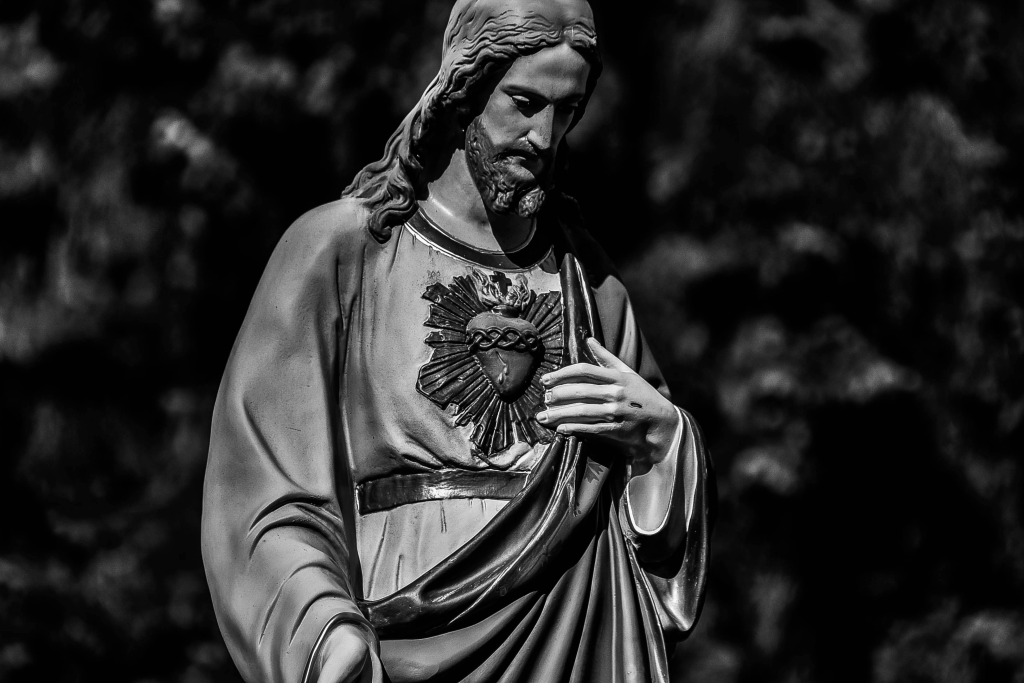
Activists and scholars in recent years have demanded that Jesus’ image be re-evaluated. Shaun King, for instance, insisted that statues and murals of white Jesus need to “come down,” and the debate ignited globally. The archbishop of Canterbury and several other leaders from faith told churches to adopt more historically and culturally correct representation. As Harvard Divinity School’s Karen L. King reminds us, “Stories matter. Stories have been used to dispossess and malign, but stories can also be used to empower and to humanize.” The debate rages on, but one thing is certain: representation matters particularly when it comes to the face of faith.
The white Jesus image isn’t a quirk of art history it’s a reflection of centuries of power, prejudice, and desire for connection. Though we can’t know exactly what Jesus looked like, recognizing why he’s commonly portrayed as white gives us insight into the deeper narratives we construct about race, belonging, and divinity. While new generations challenge traditional icons, the discussion is changing reminding us that how we imagine the sacred can make the world we live more possible. The true question is not simply what Jesus looked like, but what our visions of him reveal about us.