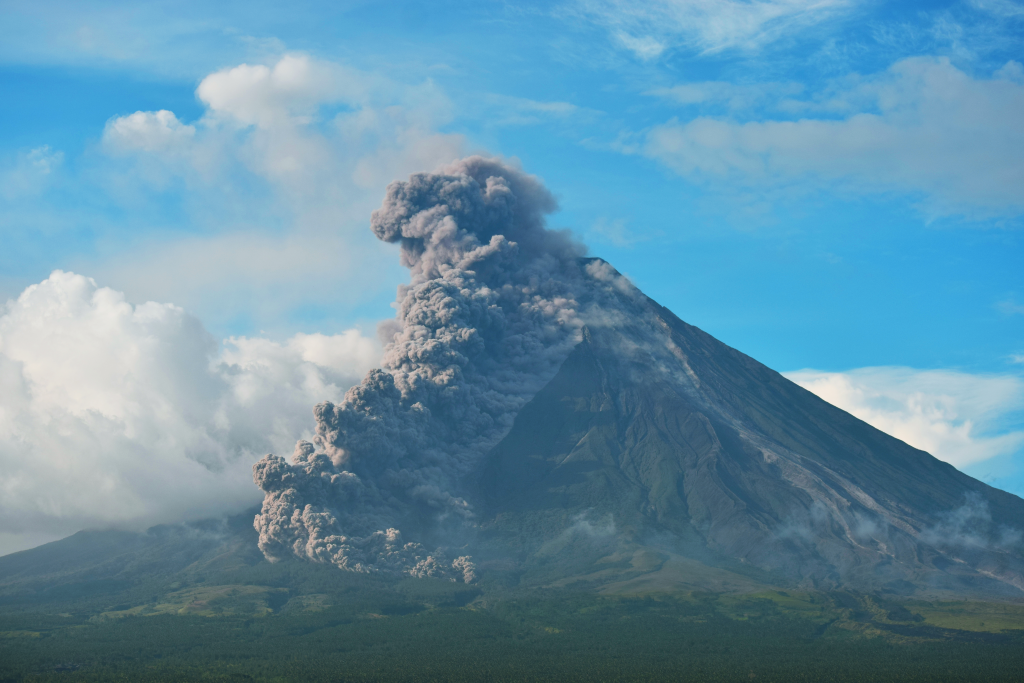
“History is a vast early warning system.” This quote from Norman Cousins appears especially fitting as Russia’s Kamchatka Peninsula awakens the Krasheninnikov volcano after nearly five centuries of dormancy. For safety-mindful readers, the eruption is not just a newsworthy geological event it’s a reminder that the unanticipated happens and that readiness is the greatest peace of mind.
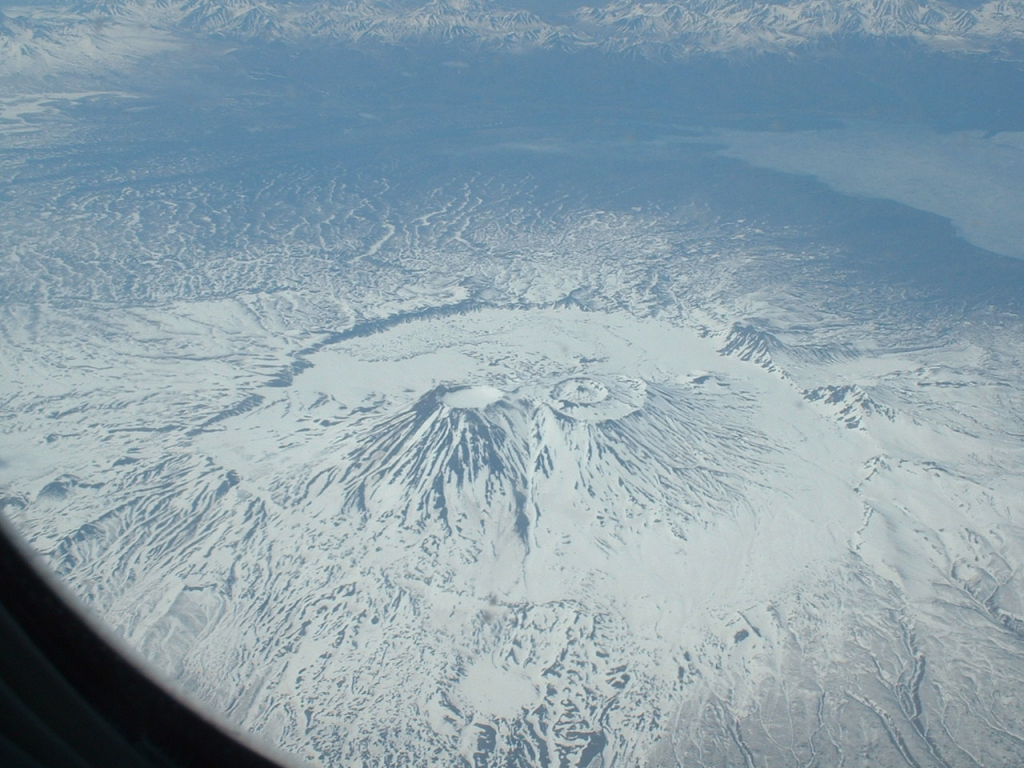
1. The Krasheninnikov Eruption: A Once-in-Centuries Event
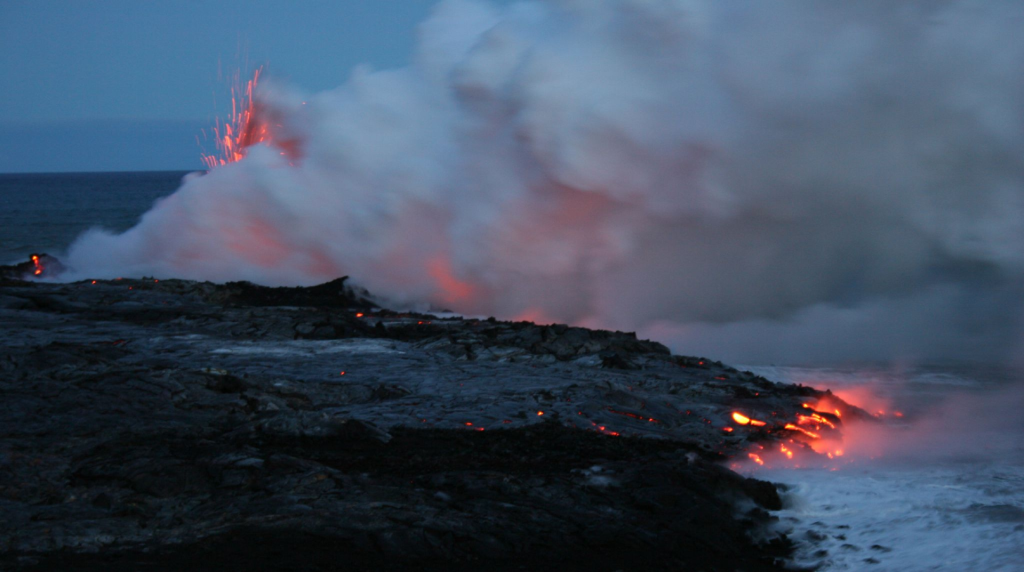
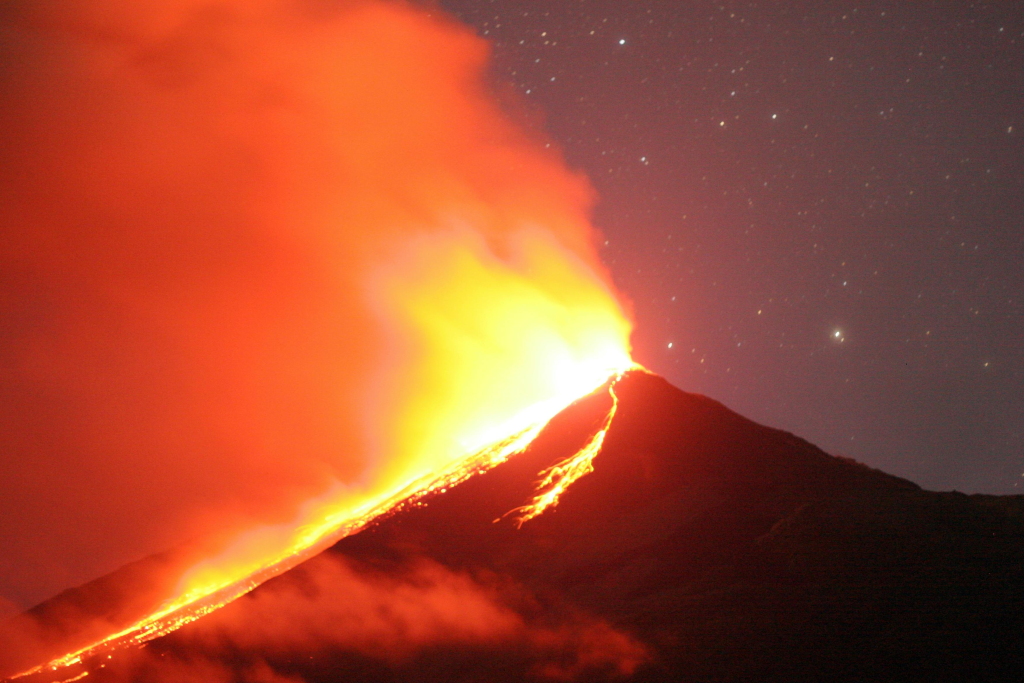
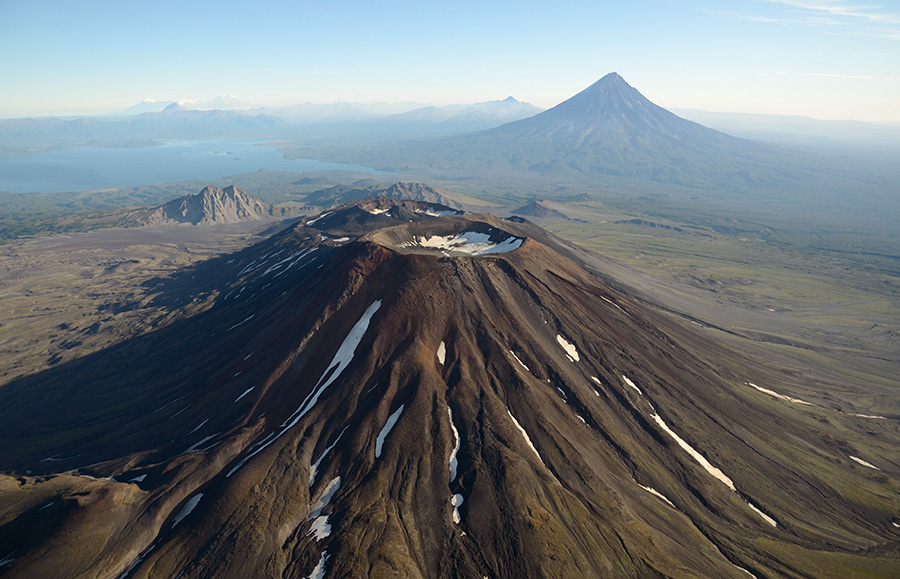
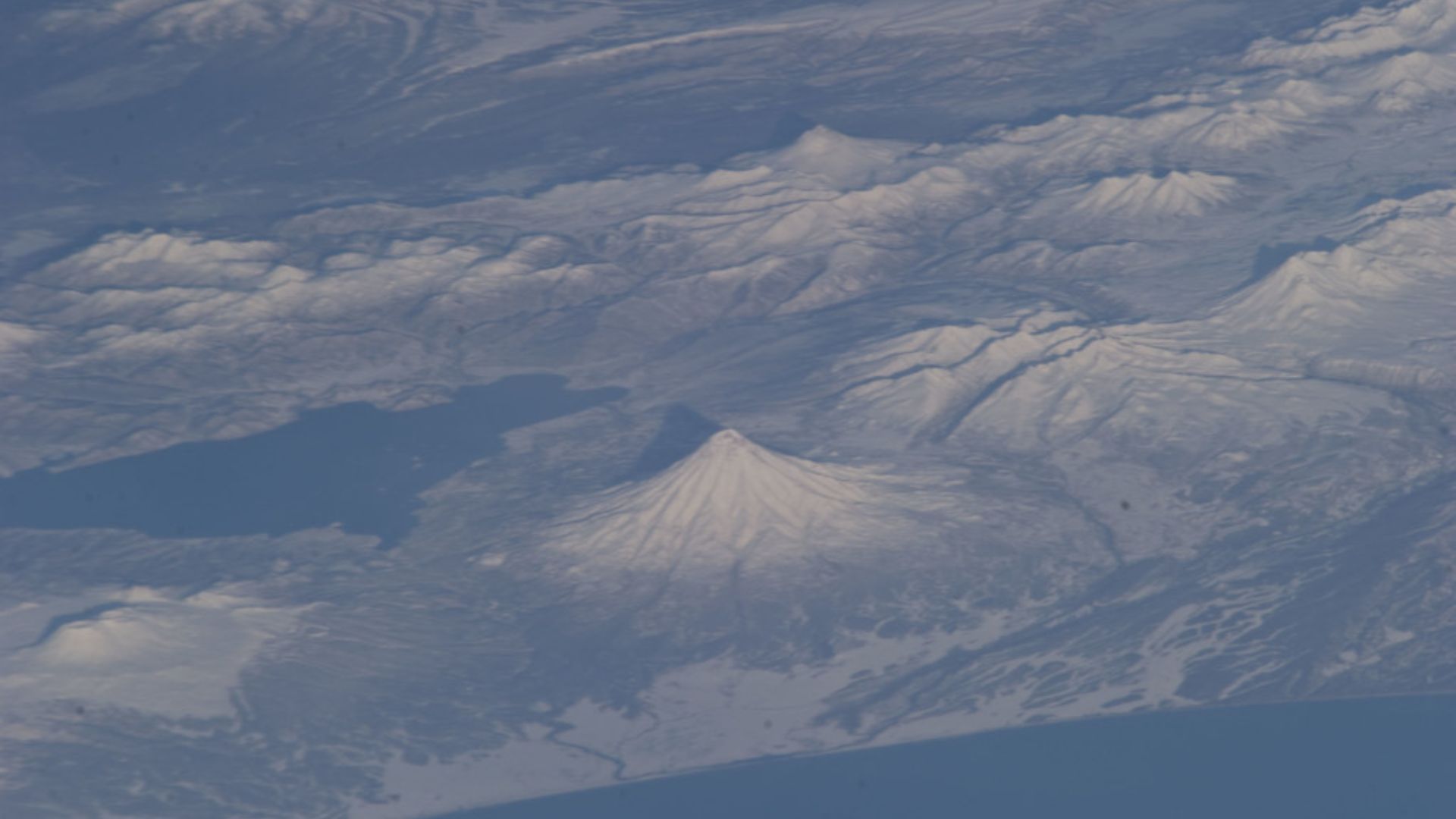
The eruption of the Krasheninnikov volcano is more than a hiccup on geologists’ radars. It’s been 475 years since the volcano last erupted, in 1550, based on data from the U.S.-based Smithsonian Institution’s Global Volcanism Program. As Olga Girina, the head of the Kamchatka Volcanic Eruption Response Team, explained: “This is the first historically documented eruption of Krasheninnikov Volcano in 600 years.” Other than the disparity in years, what’s apparent is the extraordinariness and gravity of history this event encompasses. The volcano spewed a cloud of ash bursting as high as 19,700 feet (about 6 kilometers) into the air, a spectacle both beautiful and slightly terrifying to the residents who live in the shadow of such nature giants.
2. Earthquake, Eruption, and Tsunami: When Disasters Overlap
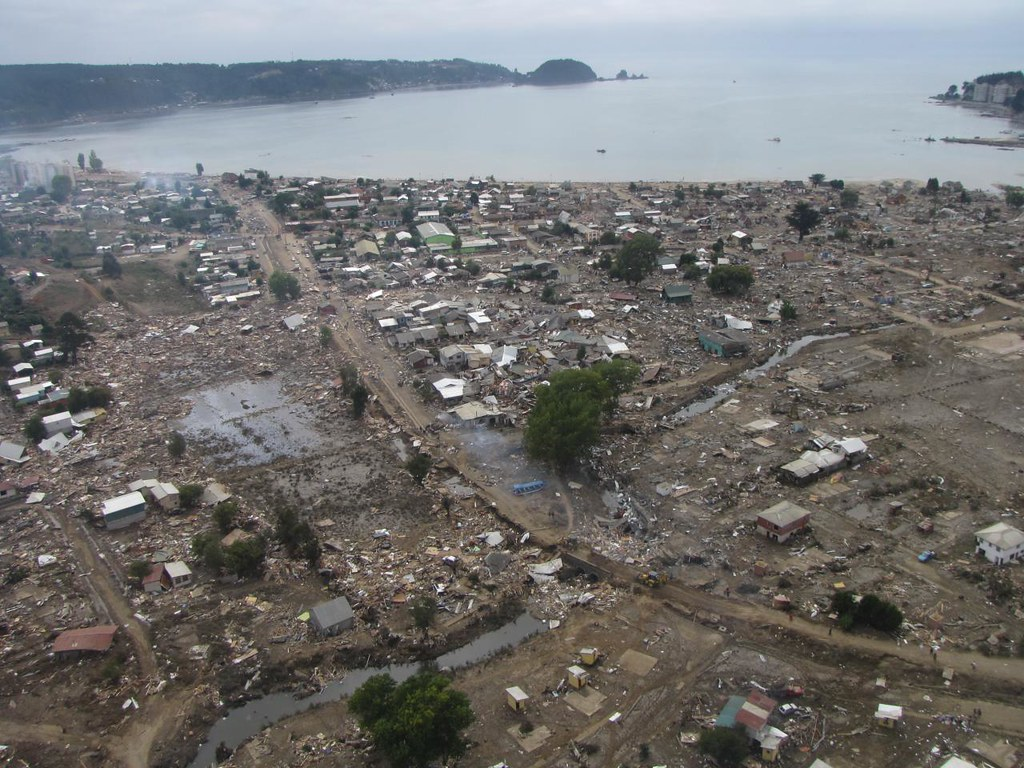
The eruption is not a coincidence. Weeks earlier, the region was rattled by an 8.8-magnitude earthquake a record power quake. Not only did this earthquake shake the ground, it set off a chain reaction. As Girina put it, the eruption “is possibly connected with the Wednesday earthquake that triggered tsunami warnings from French Polynesia to Chile and followed an eruption of Klyuchevskoy, Kamchatka’s most eruptive volcano.”
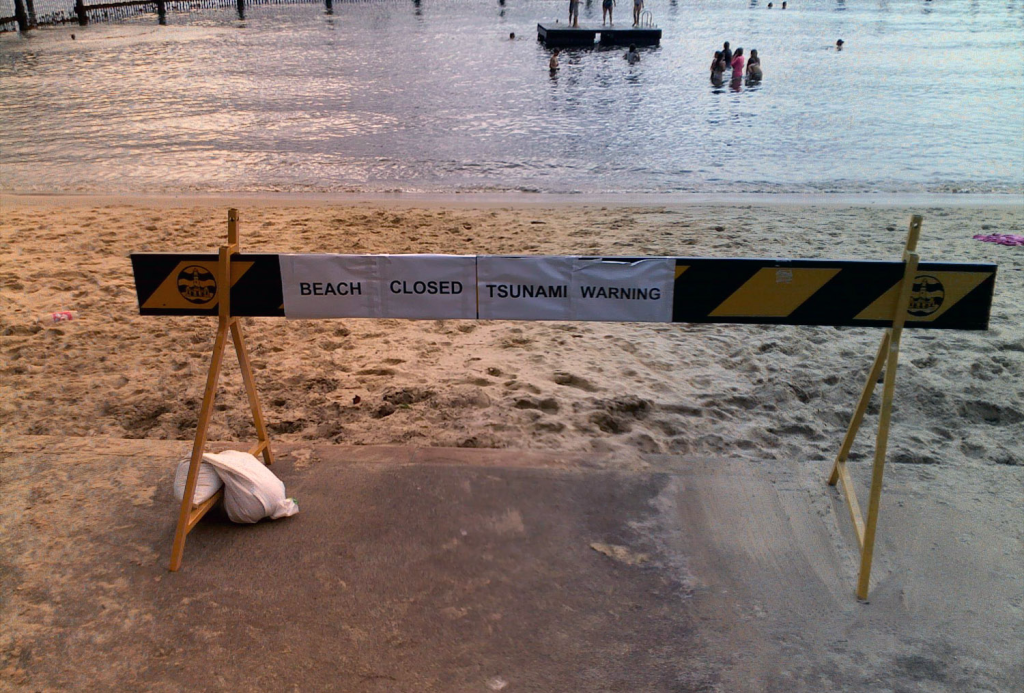
The earthquake’s epicenter was off Petropavlovsk’s coast, and its force thudded through the Pacific, triggering tsunami warnings and evacuations from Japan to Hawaii to Ecuador. Even though the waves of the tsunami itself were eventually low, the Russian port town of Severo-Kurilsk was less fortunate a tsunami came through, flooding a fish processing factory and leaving its mark on local economy and psychology.
3. Aviation Code Orange: What It Means to Travelers
To anyone who flies or lives near active volcanoes, the color-code system of aviation hazards means more than empty bureaucratic rhetoric.
The Krasheninnikov eruption was given an “orange” rating, which is a greater danger for planes. The ash plume, traveling east towards the Pacific Ocean, posed a threat to air flights in the area. The Kamchatka ministry of emergency situations stated, “The plume is dispersing eastward from the volcano towards the Pacific Ocean. There are no populated areas along its course, nor has ashfall been recorded in populated areas.” Nevertheless, even if direct effects are avoided, ash clouds can disrupt air traffic for thousands of miles, as they have in past eruptions worldwide.
4. Tsunami Warnings: Understanding the Actual Hazard
Tsunamis aren’t the bread and butter of disaster movies a genuine and immediate danger after great undersea earthquakes and volcanic activity.
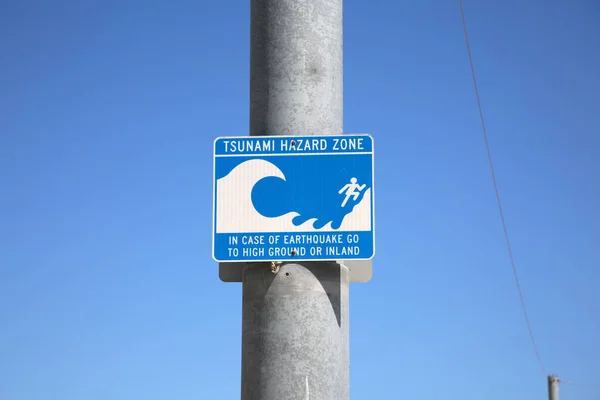
A tsunami warning was given for three Kamchatka regions, officials advising: “The heights of the waves will be small, but you must retreat from the coast.” Small waves can be dangerous, especially when combined with aftershocks or second swings. As the Department of Natural Resources states, “A tsunami’s threat period may last for several hours following a large earthquake. Tsunamis may occur at any time of year and at any time of day, day or night.” Being aware of signs of warnings like sudden changes in sea level or a thunderous roar of the sea may mean the difference between life and death.

5. Coping and Resilience of Communities
Catastrophes leave wounds, but they also lay bare the resilience of the community. Research shows that high quality individual, interpersonal, and community resources are linked with better mental health and faster recovery after disasters. Greater individual, interpersonal, and community resources were linked with better post-disaster outcomes directly as well as indirectly through loss of psychosocial resources. Social support and participation are the most accurate predictors of healthy adjustment in affected communities. Trust, resource sharing, and looking out for each other these are the superhuman powers that allow people not just to recover but flourish after catastrophe. The Social Identity Model of Collective Psychosocial Resilience highlights how shared identity and collaboration can turn adversity into solidarity.
6. Preparedness: Your Best Defense
If the Krasheninnikov eruption has you weighing your own preparedness, you’re not alone. Experts recommend creating an emergency plan with evacuation routes, communication plans, and food for a few days. Volcano Notification Service can inform you of volcanic activity, and NOAA Weather Radios and local alerts provide real-time warning of tsunamis and earthquakes. Shelter important documents, prepare pets, and have all members of your household know what to do in the event of disaster. As the Department of Natural Resources asserts, “Anything you do today will be like making a deposit in your survivability savings account for withdrawal in tough times.”
7. Coping and Recovery: Mental Health Matters
A little anxiety or uneasiness is to be expected after learning about a major disaster. The Disaster Distress Helpline offers 24/7 assistance for individuals who are experiencing emotional distress. Self-care, calling friends and family members, and staying away from exposure to bad news are some coping strategies that can prove useful. “There’s no right or wrong way to feel,” the Department of Natural Resources suggests, but finding ways to get feelings out in a healthy way is vital.
Support groups and counseling services could play an important role in healing. Even while ash falls and tsunami warnings are canceled, Krasheninnikov’s eruption serves as a moving reminder: nature’s unprecludability is a call to action, not a reason for panic. Equipped with knowledge, preparedness, and compassion, we can greet even the most unlikely occurrences with confidence and understanding.