
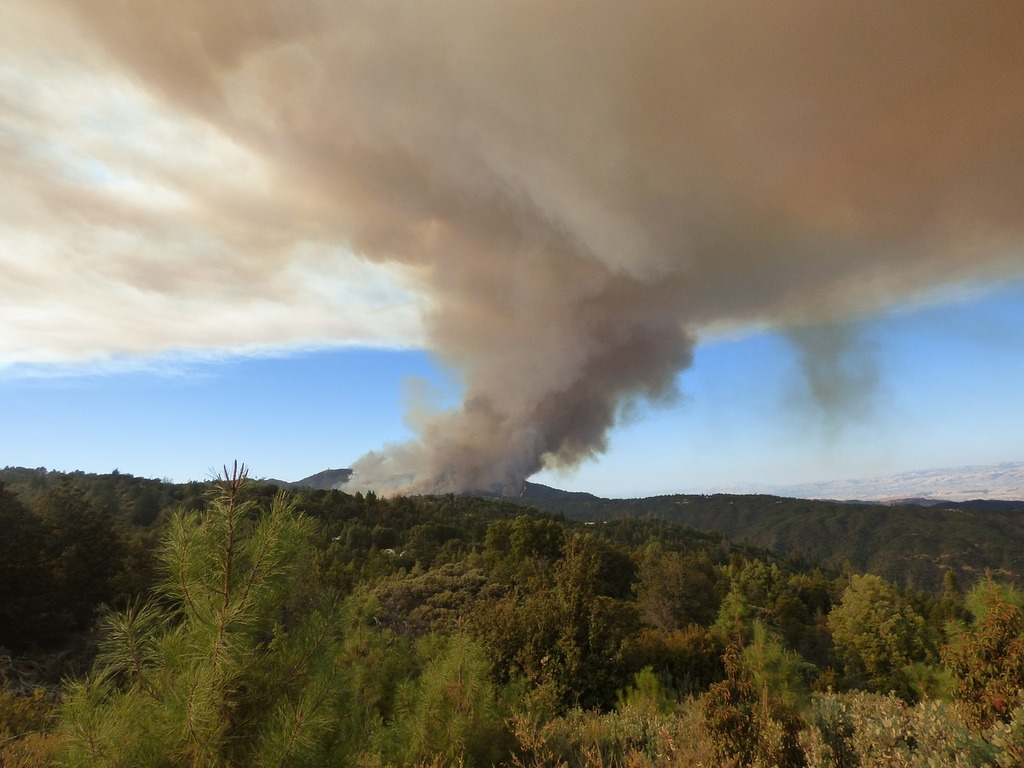
When the skies grow thick and haze permeates the air with a pungent, smoky taste, it’s not only some far-off Canadian issue it’s a full-blown wellness crisis from Wisconsin to Maine. Canada has experienced its second-worst wildfire season on record so far this year, with close to 4,000 fires already ablaze and more than 700 still smoldering. The ripple effect? Air quality warnings and smoggy horizon that extends way out into the U.S., with millions asking: how do you keep your health, your sanity, and your home safe when the outside air doesn’t feel safe at all?
1. The Scope and Scale of the 2025 Wildfire Emergency
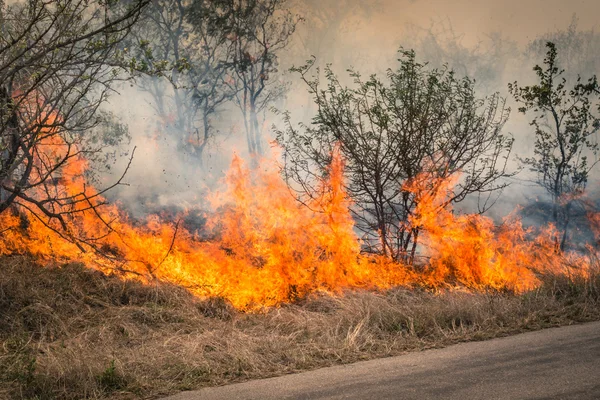
Over 25,000 Canadians were forced to evacuate in three provinces while wildfires burned across Manitoba, Saskatchewan, and Alberta, with whole towns like Flin Flon evacuating. More than 500 wildfires are burning out of control, estimates by Canadian Interagency Forest Fire Centre suggest, and the merciless blaze has already burned over 5.3 million hectares making this the second-worst season in decades. The next four to seven days are the make-or-break point until we’re able to find our way into altered weather patterns, and eventually a soaking rain all the way across the north, Saskatchewan Premier Scott Moe warned, emphasizing the relief required.
2. How Smoke Travels And Why Air Quality Keeps Getting Worse
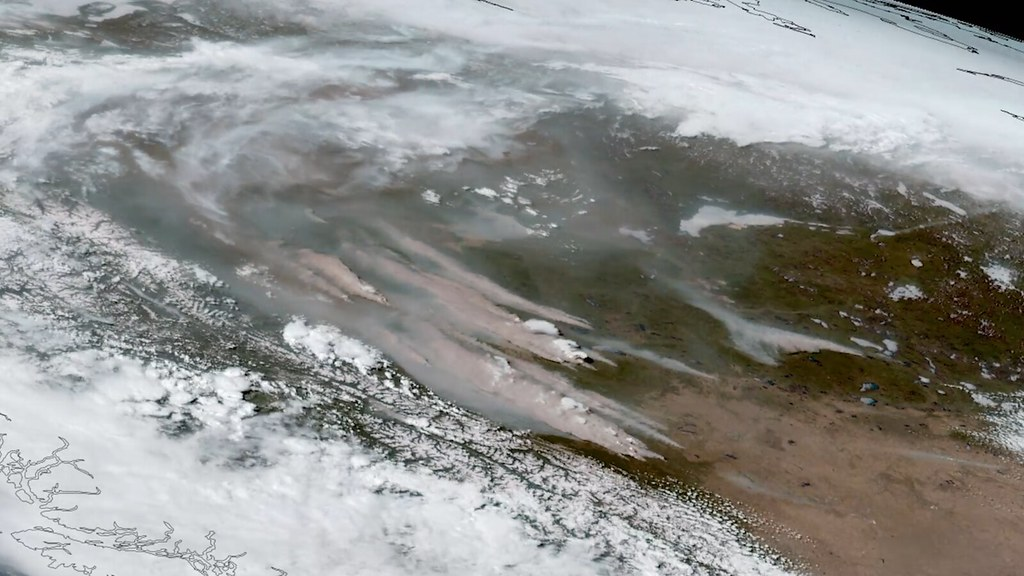
National Weather Service Lead Forecaster Bob Oravec put it this way: “Air is rotating at all elevations and many times it’ll rotate in the same way the whole depth of the atmosphere, so the smoke is rising up into the winds and the winds simply transport it downstream, like anything like a leaf blowing.” That makes it possible even hundreds of miles from the nearest fire for smoke to blanket your city in just a few hours. Satellite imagery and air quality monitors have followed thick smoke wafting from Manitoba across the Midwest and into the Northeast, sending AQI levels into the “red” (unhealthy) range over Wisconsin, Michigan, Minnesota, and as far east as New York and Maine.
3. What the Air Quality Index (AQI) Really Means to You
When the AQI reaches red, the air is unhealthy for everyone not only those with pre-existing health conditions. The Minnesota Pollution Control Agency warns, “Even healthy individuals may get symptoms like irritated eyes, cough, or shortness of breath. More vulnerable or sensitive persons are likely to have more serious health impacts, such as exacerbation of current heart or lung disease and cardiovascular and respiratory illness, and perhaps an asthma attack, heart attack, or stroke.” Wisconsin Department of Natural Resources and Michigan public health officials extended air quality alerts, asking citizens to remain indoors and exert moderate to maximum effort to avoid strenuous outdoor activities.
4. Who’s Most at Risk and How to Stay Safe
Wildfire smoke is especially difficult on children, older persons, expectant women, and individuals with asthma, COPD, heart disease, or diabetes. Tiny particles in smoke will reach deep into your lungs and even into your blood, so pay attention to signs like a feeling of tightness in the chest, shortness of breath, or dizziness. If you’re in a sensitive group, keep your rescue inhaler handy, follow your asthma or heart action plan, and don’t hesitate to seek medical help if symptoms worsen.
5. Creating a Safe Haven Indoors
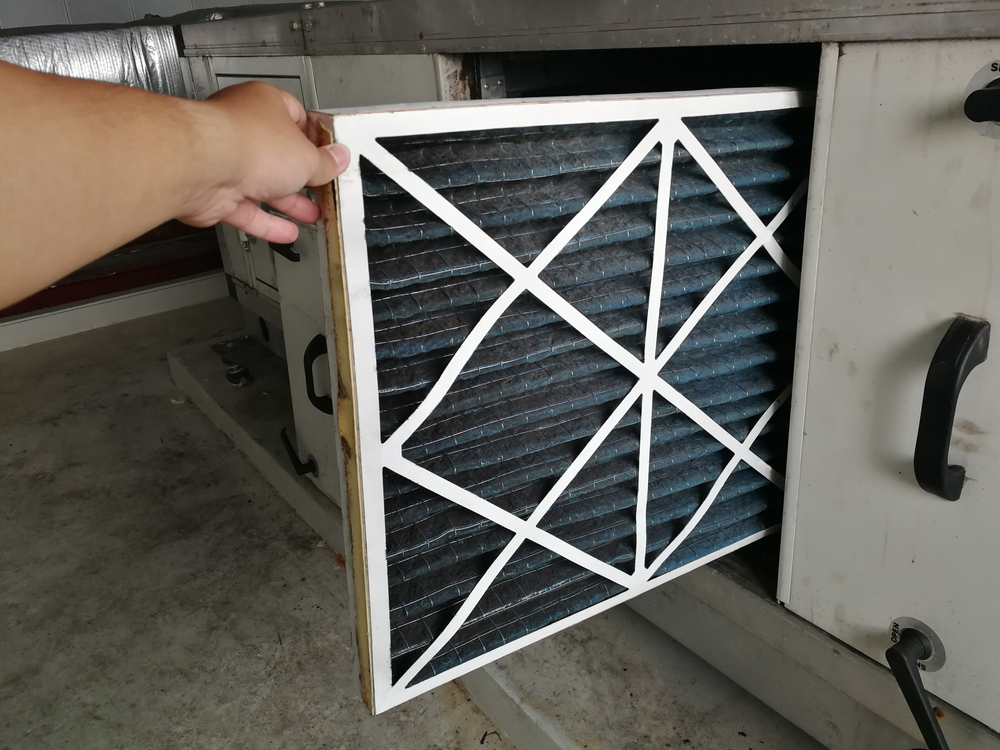
When outdoor air is hazardous, your home should be your sanctuary. The best strategy? Seal windows and doors, use weather stripping or even masking tape to block leaks, and set your AC to recirculate mode. Select a room with limited windows and no chimney, and operate a high-efficiency air cleaner (MERV 13 or higher, if possible) 24/7. If you lack the use of a commercial-strength purifier, home-made options such as the Corsi-Rosenthal Box a box fan fitted with four HVAC filters can substantially reduce indoor smoke concentrations. “The CR box impressed me: it was able to bring down the levels of PM1 to zero in 30 minutes,” according to HouseFresh’s air purifier testing.
6. Smart Tips for Air Purification and Home Care
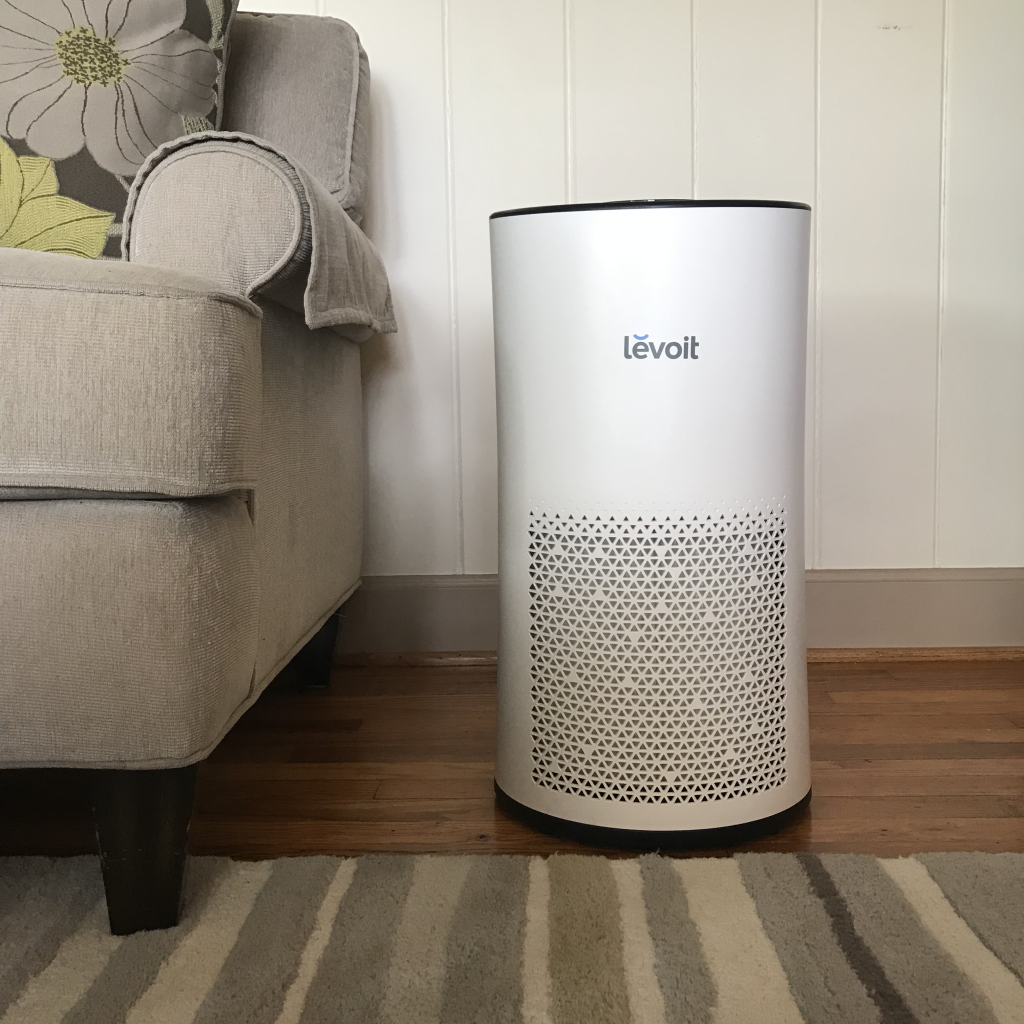
If you’re using a portable air cleaner, make sure it’s running continuously and change the filter as soon as needed. Do not burn wood, incense, or candles inside, and do not vacuum without a HEPA-filtering vacuum, or you will simply be circulating more particles. On central HVAC systems, put a MERV 13 filter if you have it, and operate the fan whenever possible. Close off any fresh air intakes to prevent drawing in smoke. For budget-conscious consumers, the Levoit Vital 200S and the AirFanta 3Pro are great choices for affordable, effective air cleaning in small to mid-sized rooms.

7. Safeguarding Fragile Loved Ones And Pets
Children who are at least two years old may use masks or respirators, but care must be taken to achieve a tight fit. “Pick a size that is big enough to go over the child’s nose and chin but not their eyes,” advises health officials. Your pets are at risk too keep them inside as much as possible and watch for signs of respiratory issues. If you must venture out, wear a NIOSH-approved N95 respirator and safety glasses to guard your eyes and lungs.

8. Stress Management and Mindful Breathing in Unpredictable Times
It’s not only your lungs that are damaged wildfire smoke and air quality notifications can be stressful and anxiety-inducing. Simple breathing exercises can be a cure. Pursed-lip breathing and diaphragm breathing slow down your breathing, enhance oxygen supply, and relax you. To breathe through pursed lips, “Breathe slowly from your nose with your mouth closed…pucker or purse your lips as you pucker to whistle or to blow out a candle gently. Then blow all of the air from your lungs from your mouth slowly and gently, through pursed lips,” advises the American Lung Association. Keep at it until your breathing feels more comfortable and your mind begins to relax.
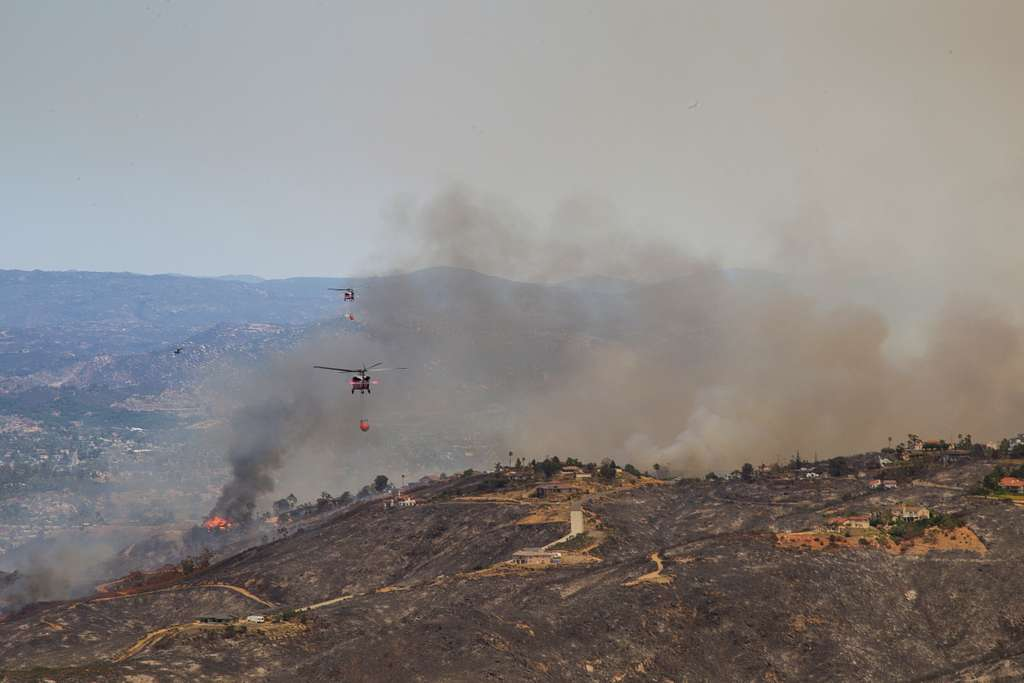
While the fires burn and the smoke blows, don’t forget that being in the know, ready, and in a state of calm is your own personal armor. With a few easy changes to put yourself covering your air, your health, and your peace of mind, you will make it through even the smokiest of days with strength and optimism.


