
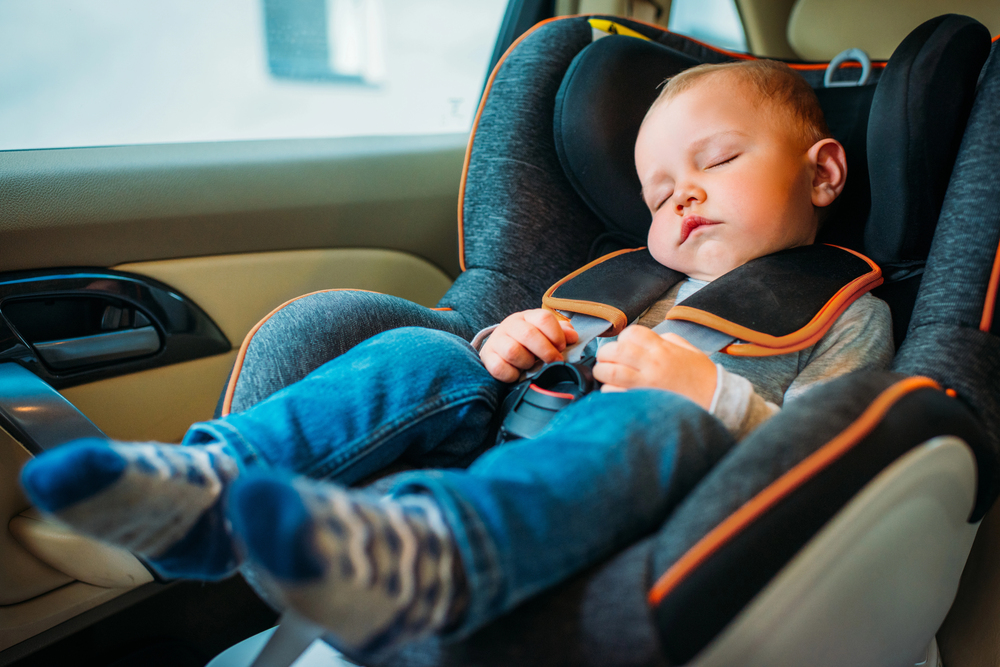
A sweltering summer afternoon, a moment of inattention, and a loss that reshapes all things these stories jolt the headlines and our hearts with equal ferocity. The Nebraska incident last week, when a father was charged after his infant son died in a parked car during a 105-degree heat advisory, has inspired anew exigent debates on legal consequences, risk factors, and most importantly, how to prevent such devastating losses.
1. Legal Consequences: When Accidents Turn into Crimes
When a child has perished in a hot vehicle, the outcomes are not merely emotional legal. In Nebraska, Jeremy Hansen was charged with negligent child abuse resulting in death when his five-month-old son was found unresponsive in a car. Such situations have seen caregivers prosecuted from involuntary manslaughter to child abuse, depending on the circumstances and state statutes. According to a thorough analysis, criminal charges were filed by law enforcement in 58% of child hot car death. The justice system weighs intent, vigilance, and the particulars of every case, but the cold reality is that even diligent, caring parents can find themselves the subject of a criminal probe after the blink of an eye.
2. The Numbers: Understanding the Scope of the Problem
Hot car deaths are not rare anomalies they’re a repeating tragedy. On average, 37 to 40 children die from heatstroke in cars annually across the country, and nearly all states have reported at least one death since 1998. In 2018 and 2019, the deadliest years on record, there were 53 and 54 deaths each, respectively. The overwhelming majority of the victims 88% are three and younger. The circumstances vary: 55% are left in by mistake, 25% get into the car on their own, and 15% are left there intentionally for what is planned to be a brief period of time. The temperature inside a car can become lethal even during a cold day, with 80% of the temperature increase happening in the first 10 minutes.
3. Why It Happens: The Human Factor
Forgetfulness is not a character flaw it’s a shared human failing, especially when stressed or when routines are interrupted. As psychologist David Diamond explains, “Just as a detective can leave his gun in a public restroom and a pilot forget to set the wing flaps right before taking off, a parent or caregiver can leave a child in a car, and the child dies of heatstroke.” Slips of memory are not about being loving and attentive; they’re about the way our brains cope with conflicting pressures. Changes in habit, fatigue, and distraction all can play a part in such heart-wrenching lapses.
4. Prevention: Simple Habits That Save Lives
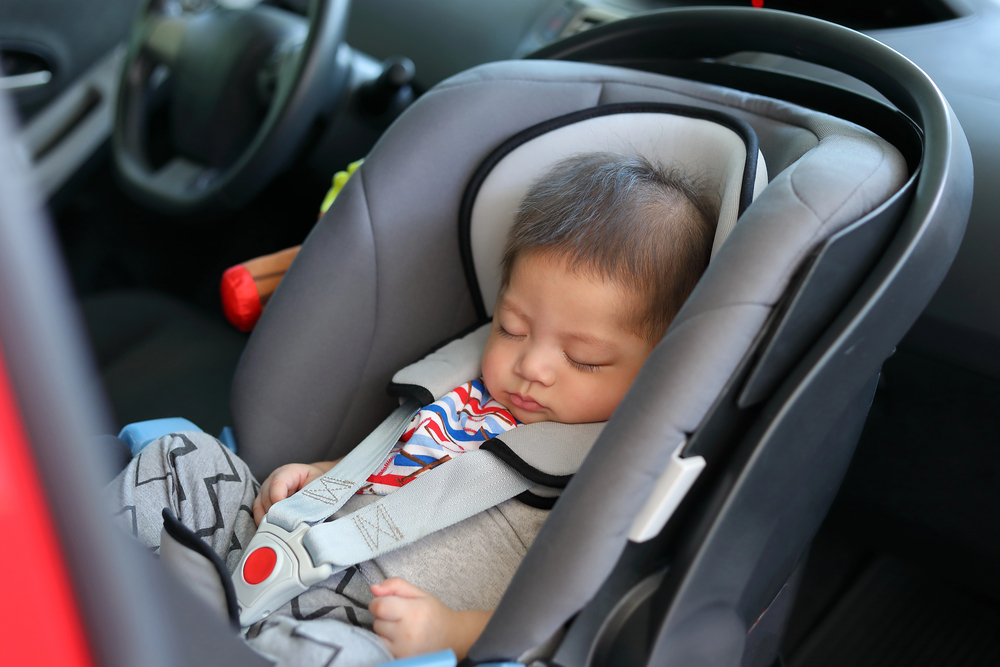
Better news: hot car disasters can be avoided with straightforward, proven strategies. Experts recommend developing “layers of protection.” Try putting a required item a purse, wallet, or even a shoe on the back seat every time you leave, so you’ll remember to look when you depart the vehicle. Another tip: set a soft toy in your child’s car seat, and move it to the front seat when your child is a passenger with you as a reminder. Lock your vehicle at all times and place keys out of reach to prevent kids sneaking in out of sight. And never, ever leave a child alone in a car, not even for a minute. As KidsAndCars.org founder Janette Fennell puts it: “The biggest mistake parents make is they really feel this can’t ever happen to them.”
5. Tech to the Rescue: Smart Solutions for Modern Families
Technology is stepping up to the plate here, with a new generation of smart solutions that are designed to alert caregivers when a child has been left behind. Some car seats, like the ones that come with SensorSafe technology, notify your phone if your kid stays buckled up even after the engine is switched off. Some Hyundai and Kia cars come with rear occupant alert systems with the help of motion sensors and mobile alerts. CleverElly and Carseat CoPilot are some aftermarket devices that provide reminders and alerts without any complicated installation. Even Waze programs include a “Child Reminder” option that reminds you to check on the back seat when you reach your destination. These are intended to supplement and not replace healthy routines.

6. Community and Policy: Beyond the Individual
While individual consciousness is significant, more systemic solutions are gaining traction. Advocacy groups are calling on federal legislation to require all new vehicles to have backseat warning systems capable of detecting whether a child is in the backseat, instead of merely reminding drivers to look. As Representative Jan Schakowsky put it, “If there are technologies that can prevent that kind of tragedy, we should just do it right away.” The community resources, including volunteer foster care review boards and support groups, also contribute to prevention and in helping families victimized by these tragedies.

7. Coping With Guilt and Grief: Healing After Loss
For those families that have been touched by hot car disasters, the psychological effect runs deep. Parents typically grapple with crushing guilt, shame, and grief. As one grieving mother put it, “There’s always something you could have done differently. Every single one of us could have put the opposite arm in our shirt first today. We could have dipped the cookie in the milk instead of drinking out of the mug.

There’s always something.” And to one who’s lost so very much, they feel gigantic.” Professionals stress the importance of embracing guilt, forgiving oneself for being human, and getting help. “Forgive yourself for not knowing what you didn’t know before you learned it,” she advises. Grief isn’t sequential, and there is no “closure”–only accommodation and, eventually, reconciliation.
Hot car deaths are preventable, but they require awareness, habit, technology, and compassion. Every parent is never free from distraction, but every parent can do something to protect their child and themselves from this unthinkable tragedy.


