

“Poly people talk more than they have sex.” That’s not merely a joke from the polyamory crowd it’s a glimpse into the actual, messy, and ultimately life-altering realm of ethical non-monogamy. For those grown adults quietly questioning if there is more to love than the conventional script, the path into open relationships is part challenge, part discovery, and full-on deep connection.

1. Breaking the Blueprint: How Non-Monogamy Sparks Self-Discovery
For those raised on fairy tales of “the one,” opening a marriage can feel like rewriting your own story. As one woman explained, “No one would have been more shocked than me to learn that nine years on, the very foundation of that conviction would be rocked.” The transition started not with infidelity or disloyalty, but with a deep sense of safety and love that enabled her to question, explore, and ultimately adopt ethical non-monogamy. It’s one that others second: “I immediately felt that it was something that suited me and that I needed to learn more about,” said Carrie, a client going through her own transition to polyamory in a therapist’s handbook to ENM.

2. Communication: The Superpower (and Survival Skill) of Polyamory
If anything differentiates ethical non-monogamy, it’s the amount and intensity of conversation. “Almost any question about polyamory is answered by ‘It depends’ or ‘Communication,'” Xavier described in his decades-long path through polyamory as documented in current scholarship. Open communication isn’t just promoted it’s necessary. From boundary negotiation to working through jealousy, “fearless communication, compassionate honesty and boundaries” become daily habits. These talks can be painful, particularly when old habits such as anxious attachment arise. But the payoff? “I’ve never felt better: anything important, or valuable, is rarely easy.”

3. The Emotional Rollercoaster: Highs, Lows, and Everything in Between
Juggling multiple relationships isn’t all candlelit dinners and dreamy weekends. “The feelings that multiple dating can bring up are like a rollercoaster: intense highs and insane lows,” one polyamorous parent admitted. There are moments of jealousy, insecurity, and even heartbreak like the infamous 1am text that someone’s not coming home. And there is also a special freedom: “The freedom to experiment with sexual experience and dynamics that may not be possible for you with one partner is the one that comes first to most people’s minds, but there is also the chance to reflect on what you actually need, to take ‘off-piste’ in your life.” Data supports this: rates of satisfaction with primary partners in non-monogamous relationships match those in monogamous relationships based on new research.
4. Parenting and Polyamory: What About the Kids?
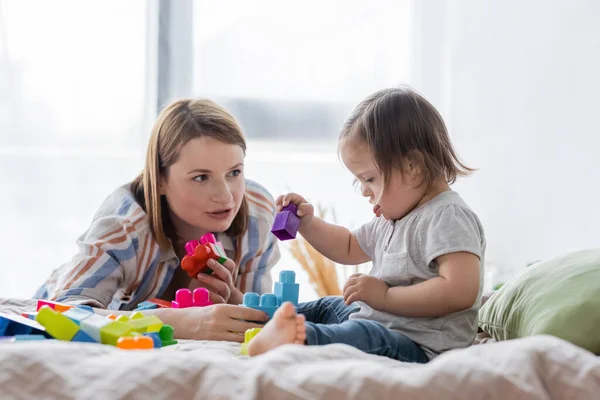
“But what about the children?” is the question every poly parent gets asked. The truth, based on recent interviews with polyamorous parents’ children, is surprisingly upbeat. Children in a 2024 Canadian study described parents’ partners as adults “who enriched their lives,” with one having fun, another tending to them, or the third broadening their social network.
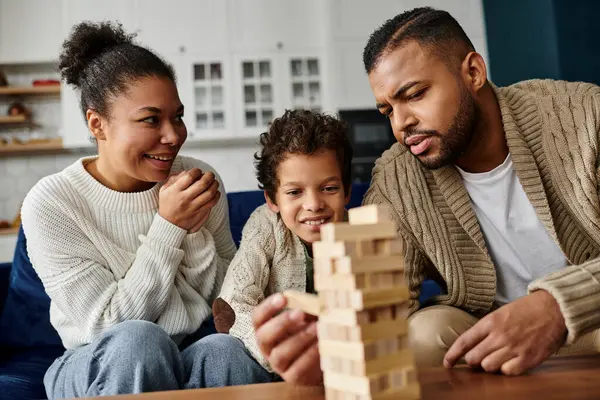
Lots of poly parents find their relationship style a model for healthy communication, consent, and openness. Challenges exist, to be sure such as dealing with stigma or merging family forms but having more loving adults usually translates into more support, not less.

5. Practical Challenges: Time, Energy, and the Art of the Calendar
If you find one relationship tricky to manage, try coordinating calendars for three. “Life would be simpler if I were monogamous; I’d use Google Calendar less,” said one polyamorous father. The practical aspect of polyamory managing date nights, childcare, and individual downtime takes not only planning but a flexibility to prioritize and an ability to say yes when others might say no. “Open relationships get a bad rep for being messily exciting, but they really need good time-management skills,” said another practitioner. The advantage? This coerced intentionality typically serves to strengthen boundaries and better communication of needs.

6. Overcoming Stigma and Connecting
Despite increasing acceptance, stigma is still a significant obstacle. People who are engaging in ethical non-monogamy are still often afraid to discuss their desires with friends or family members for fear of judgment or exclusion. “There’s almost a reminder daily that my relationships are not normal and don’t fit the mould,” explained one participant in a qualitative study of disclosure. Community, though, is a strong antidote. Support groups, online communities, and meetups provide validation, sage advice, and belonging. As the cultural tide turns, more individuals are gaining the courage to “own it” and live their truth.

7. Solo Polyamory: Freedom, Space, and Changing Needs
After decades of experimentation with both monogamy and non-monogamy, a few discover that solo polyamory having several relationships without a live-in or “top” partner is the most liberating. “I enjoy having friendships that are spacious and light and connecting with people on a friendship basis and just seeing where things go from there.” It’s not about not being intimate; it’s about respecting individual needs and the natural flow of life.

As one solo polyamorist described it, “The oddest thing has been that being open to multiple relationships has made it even easier to have none.” Working through ethical non-monogamy isn’t about running after novelty or running from commitment. It’s about “choosing your own adventure, and not being afraid to let it change you along the way.” The essence of this process whether you’re single, partnered, or somewhere in between is learning to speak your truth, honor your needs, and create relationships built on honesty, respect, and consent.


