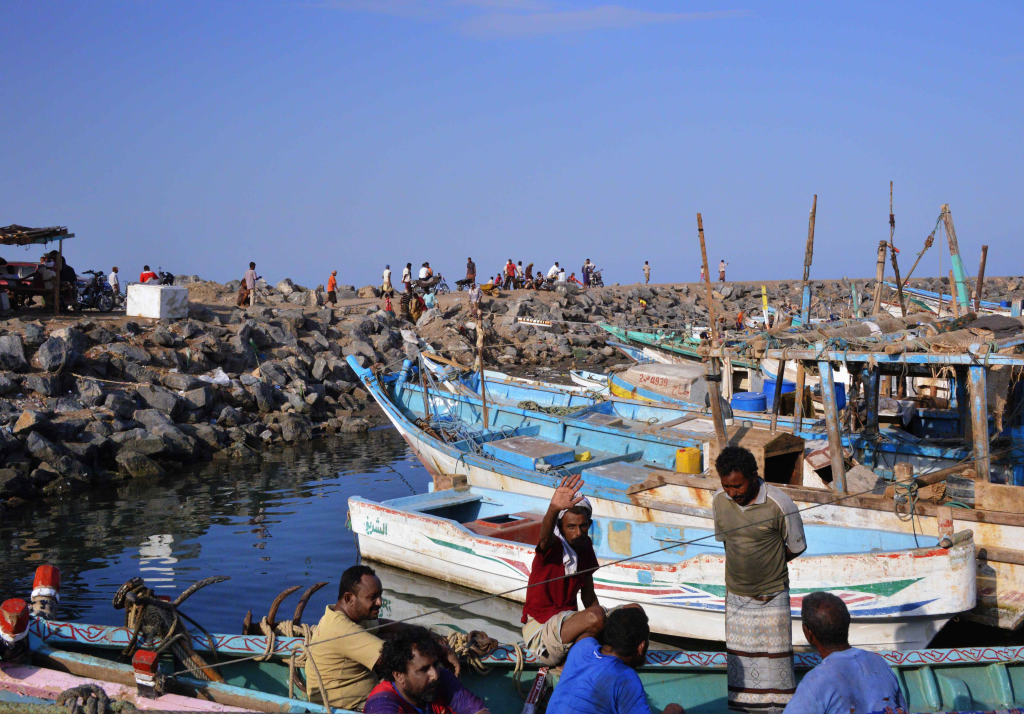
The sea along Yemen’s coast has had stories of hope and destruction forever, but on the day following the Abyan boat tragedy, it was the silent testimony of 68 lost lives and 74 missing persons that rang out loudest. Only 12 survived the waters, their ordeal now part of a somber tally that haunts one of the world’s deadliest migration paths.
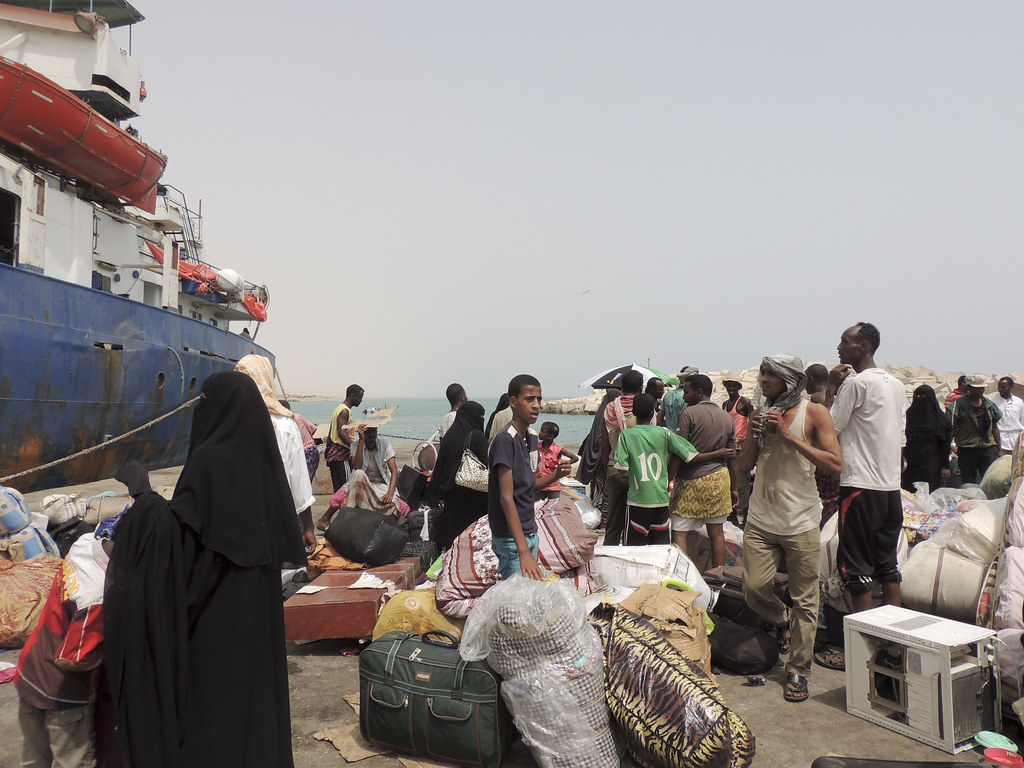
1. The Abyan Tragedy: Numbers That Demand Attention
The most recent Yemeni capsizing off the province of Abyan wasn’t just another statistic it was a gruesome reminder of what’s at stake for those attempting to flee war and poverty. “The boat, which had 154 Ethiopians on board, sank off Yemen’s province of Abyan,” declared Abdusattor Esoev, head of the UN’s International Organization for Migration (IOM) in Yemen. The remains of 54 were found in Khanfar, while 14 were found elsewhere. Officials, in “difficult conditions,” arranged for mass burial near Shaqra as the search continued. The IOM confirmed, “Only 12 migrants survived the shipwreck, and the rest were missing and presumed dead.” It’s a loss that can’t be measured in statistics alone, but in shattered dreams and families left in pieces.
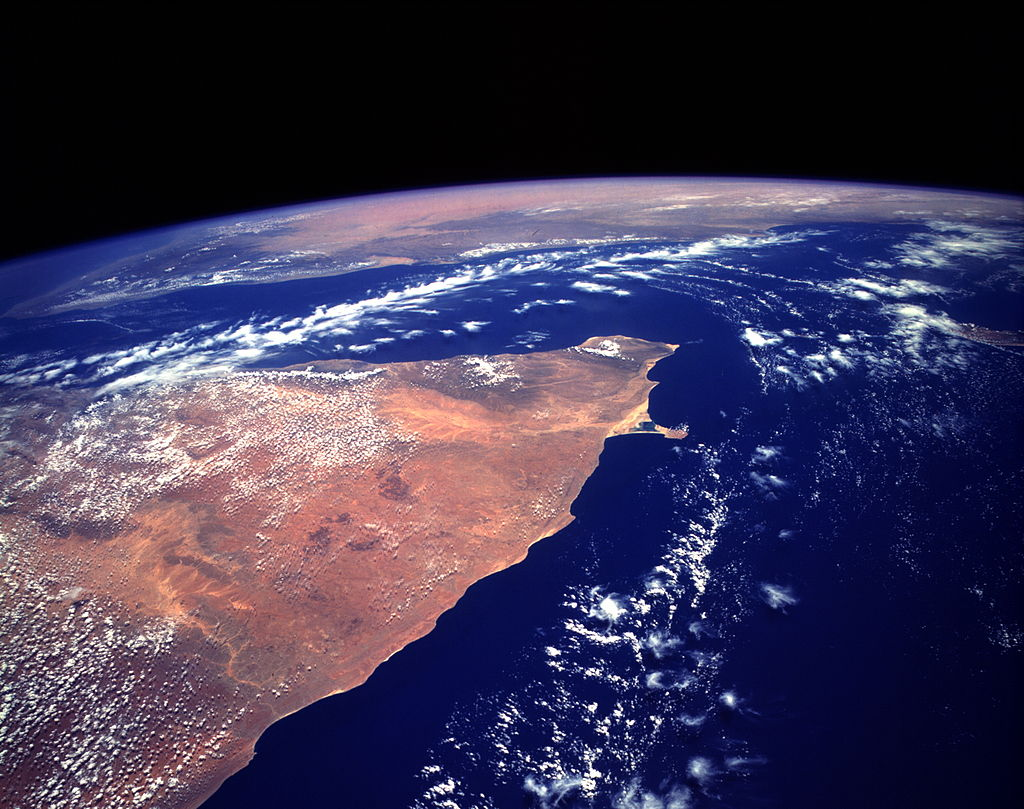
2. The Horn of Africa Yemen Route: A Deadly Journey
This waterway isn’t only crowded it’s dangerous. The IOM calls it one of the “busiest and most perilous” migration routes globally. Over the past decade, at least 2,082 people have disappeared along this route, including 693 known to have drowned according to the IOM. Hundreds have died or gone missing in recent months alone, and last March two boats with over 180 migrants on board sank off the Dhubab district of Yemen, with two crew members rescued and all the rest presumed dead per the IOM. Such tragedies underscore the desperate arithmetic facing the individuals who risk everything for a chance at safety or a better life.

3. Shifting Numbers: Fewer Arrivals, but Risks Remain
The IOM latest statistics show a sharp drop in arrivals: 97,200 in 2023 to almost 60,000 in 2024. This is due to “stepped-up patrols of the waters,” which, while discouraging some of the crossings, have also driven smugglers to increase risk, sending boats into dangerous conditions in order to avoid detection as reported by IOM.
Despite these efforts, the journey remains brutal: “This is a deadly route that has killed hundreds of people over the last two years,” the IOM stated.

4. Land-based Trauma: Psychological Treatment After Shipwrecks
Victims of such disasters suffer from more than bodily peril.
The psychological effect can be extreme, and humanitarian organizations are increasingly focusing on trauma treatment. A recent systematic review reported that interventions such as Critical Incident Stress Debriefing (CISD), Psychological First Aid (PFA), and group counseling are “value by workers generally,” without any evidence of harm when they are properly delivered according to a review conducted by University College London. But proof of success is still to come, and experts advise an interval of “active monitoring” in the first four weeks after trauma to enable natural processes to run their course. As one recommendation puts it, “most people will recover naturally,” but detection and treatment are still needed.
5. Search and Rescue: Technology’s Role in Saving Lives
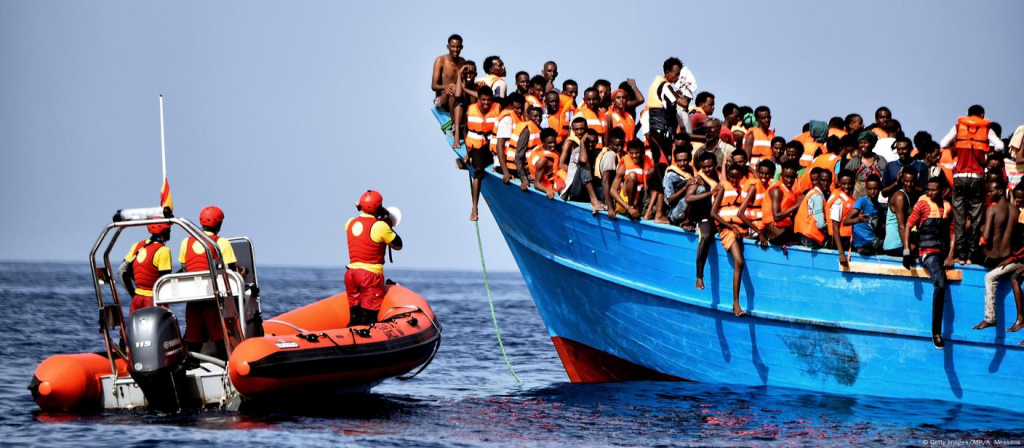
Advances in maritime search and rescue are paying dividends, but issues persist. New satellite surveillance systems, such as synthetic aperture radar (SAR), are being tested to detect small, non-metallic boats such as the rubber inflatables often used by migrants, states the InflateSAR campaign. These vessels, “packed with as many as 200 individuals,” are at risk from the moment they leave shore, lacking even rudimentary navigation and survival gear. SAR imagery has already saved dozens of migrants, and research ongoing aims to refine detection algorithms to pick up on these at-risk boats. As the technology improves, the hope is that more boats will be intercepted and fewer people will be killed off the coast.
6. Legal Safeguards: The International Mandate to Protect
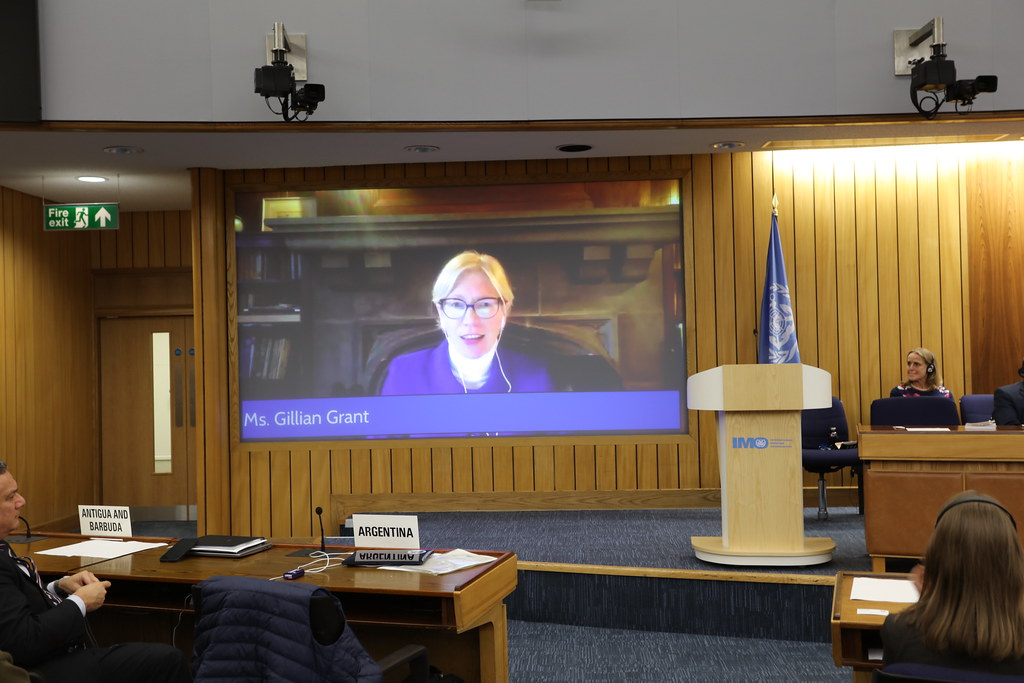
International law is clear: states and mariners overseas are obligated to rescue migrants in danger, with or without a status. International law documents like the United Nations Convention on the Law of the Sea (UNCLOS) and international conventions like SOLAS and the SUA Convention provide the rubric for action and responsibility as set out in maritime legal critiques.

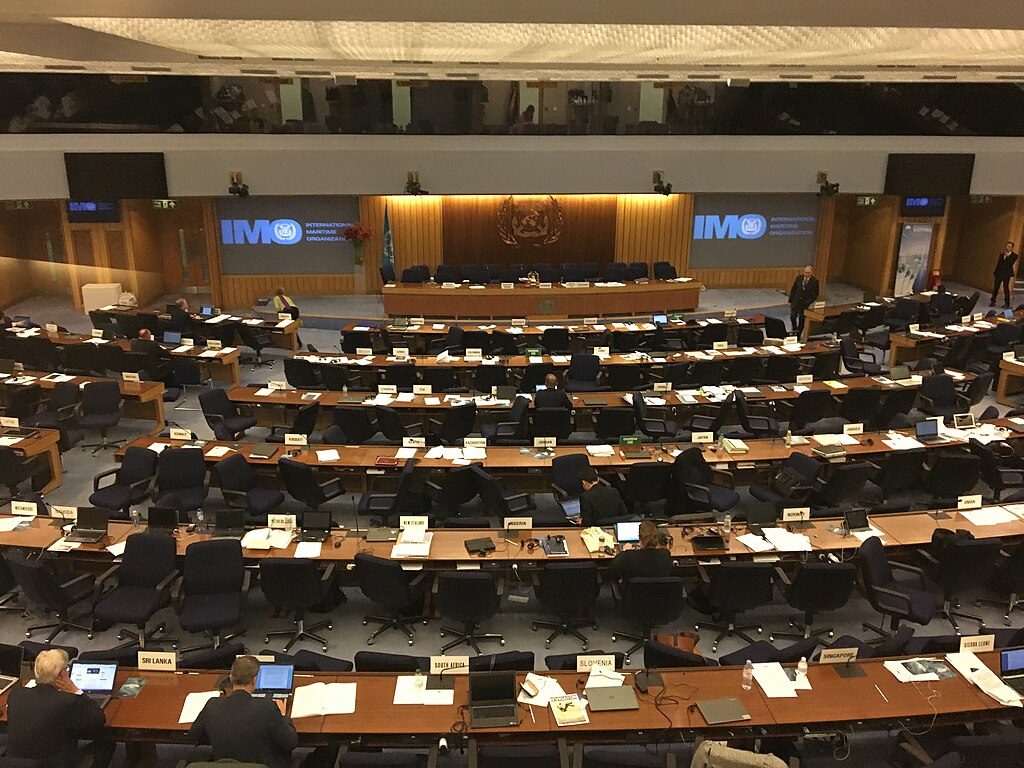
The International Maritime Organization (IMO) continues to emphasize “the paramount importance of saving the lives of seafarers” and calls for regional cooperation in guaranteeing freedom of navigation and security. And as the IOM’s Abdusattor Esoev made a point, “What we are calling on all member state is to strengthen their regular channels so individuals can pursue legal avenues in a bid to emigrate, rather than getting trapped or misled by smugglers and embarking on those perilous routes.”
7. Regional and Global Cooperation: Building a Safer Future
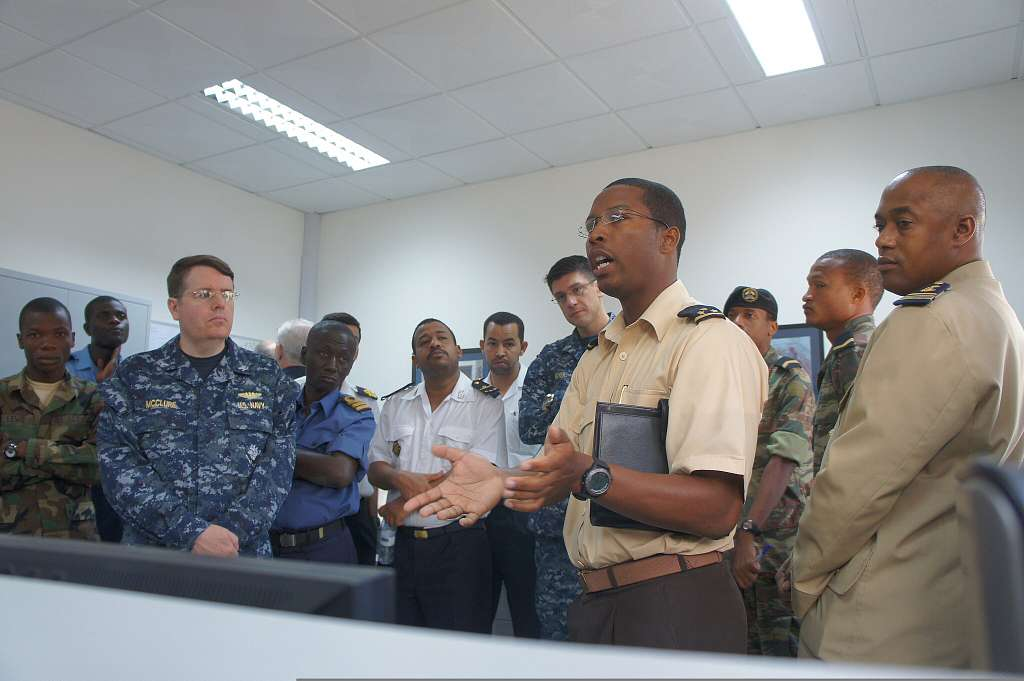
Safety initiatives are not regional but international. The Djibouti Code of Conduct and the Jeddah Amendment have increased regional maritime security, encouraging information sharing and joint training between 20 signatory states. Initiatives have increased “maritime domain awareness” and allowed for better capacity to meet emergencies. Ongoing support from the IMO to build up capacity in the region is crucial, as is conflict resolution through peaceful means that is driving migration in the first place.
The Abyan tragedy is an impassioned call for empathy, imagination, and collaboration. As stated by a spokesperson for IOM, “This tragic event underscores the need for strengthened protection mechanisms for migrants who take perilous routes, too often facilitated by heartless smugglers who exploit desperation and vulnerability.” The numbers are bleak, but the collective will to protect and support those put at risk can and must turn the tide for the better.