
What if the world’s most quietly influential, resilient generation is also the most overlooked? For Gen X individuals born between 1965 and 1980 to be “forgotten” is more than a meme, it’s their reality. But below the radar, this generation’s story is one of resilience, resourcefulness, and a soft power that is remaking the world in secret.

1. The “Forgotten Generation” and the Middle-Child Effect
Gen X is called the “forgotten generation,” stuck between the Boomers and Millennials, who receive all the attention. The numbers don’t lie: Gen X received only 34 high-profile mainstream media stories this year, less than 166 for Gen Z and 123 for Millennials. That invisibility isn’t an accident. As Jason Salmon, a comic who mines Gen X’s plight for laughs, puts it: “We’re in this middle ground, where there’s no emoji for concert T-shirts.” This sense of being a generational “middle child” often leaves Gen Xers feeling overlooked, both at work and in the broader cultural conversation.

2. Latchkey Kids: Independence Forged in Childhood
Growing up in the analog-to-digital transition, Gen Xers were the original latchkey kids. Both parents working, no helicopter parents in the future, they learned to become independent the hard way. “We sort of were like, ‘Whatever,'” says Erin Mantz, creator of Gen X Girls Grow Up. That “whatever” was a superpower Gen Xers learned to do for themselves, a trait that has benefited them well as technology and society have evolved around them. Their after-school routines? TV dinners, Saturday cartoons, and single-handed domestic tidying a universe away from today’s hyper-scheduled children. In the words of one commentator, this autonomy and adaptability are central to Gen X identity.
3. Spanning the Analog and Digital Divide
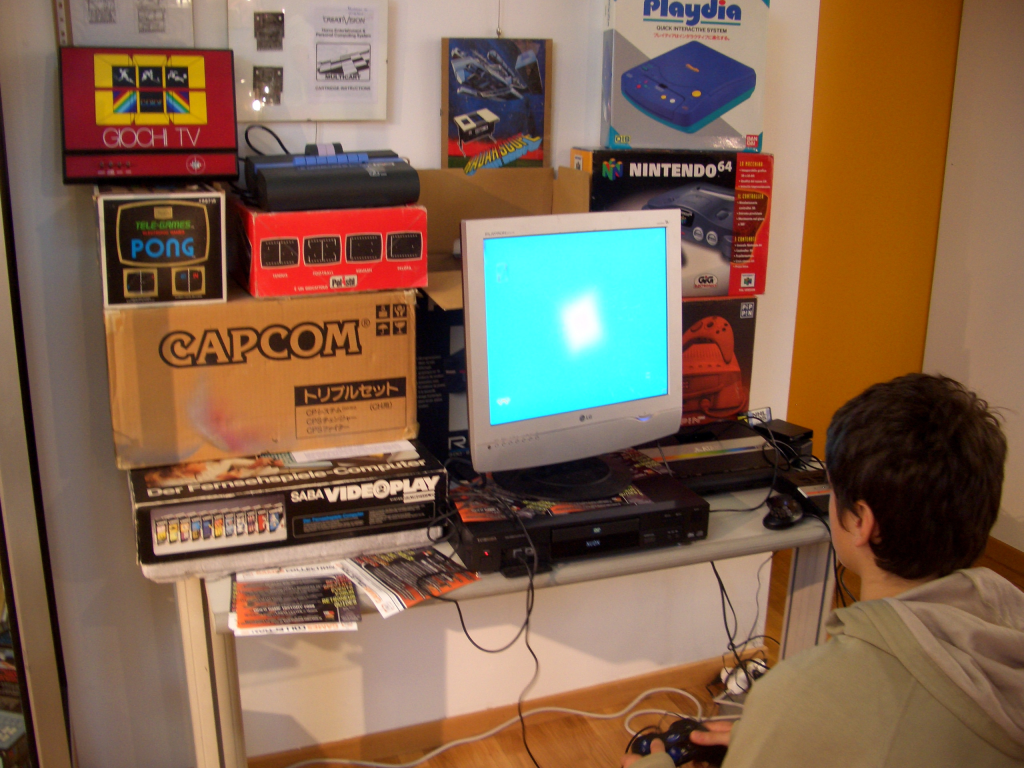
Gen Xers are the bridge generation, talking analog nostalgia and digital innovation in two tongues. They grew up idolizing Luke Skywalker and then identified with Kurt Cobain’s grunge despair. Their cultural touchstones “The Breakfast Club,” “Reality Bites,” and “Office Space” presage a shift away from romantic heroism toward a grittier, more cynical worldview. Gen X ushered in the first generation of personal computers, video games, and even the early days of the internet. This unique perspective enables them to pick up new technology effortlessly, but remember what existence was once like when all wasn’t online a valuable double not shared.

4. The Midlife Reality: Career Limbo and Financial Reversals
Gen Xers are navigating midlife with a sense of career limbo these days. Too many are caught between Boomers in power who won’t retire and Millennials “young guns” pushed up into executive positions. Megan Gerhardt, author of “Gentelligence,” comments, “It’s kind of on brand that Gen X is overlooked.” While they account for around half of Fortune 500 CEOs, Gen Xers are more likely to be interpreters within the workplace, bridging generations but rarely being the stars. And numbers corroborate their anger: 79% of Gen X respondents say that they feel undervalued and receive promotion at lower rates than Millennials.

5. Economic Whiplash: The Long Shadow of the Great Recession
The Great Recession hit Gen X most harshly directly. As they were building wealth, the 2008 financial crisis wiped out 38% of their median net worth. Home equity of Gen X homeowners declined by 43%. However, as a testament to its resiliency, Gen X is the only generation that was able to recoup all the wealth lost during the crisis. Its median net worth rose more than two times between 2010 and 2016, shattering pre-recession records. However, the scars remain: economic insecurity, the shift from pensions to 401(k)s, and the anxiety of raising kids in a hyper-competitive era have left many Gen Xers perpetually high-strung.

6. Mental Health and Loneliness: The Hidden Toll
It’s not all about money or career success. Frank Infurna, a psychology professor at Arizona State University, notes that Gen Xers are suffering from higher levels of loneliness, increased symptoms of depression, and poorer physical health than previous generations. The reasons are complex: economic insecurity, shifting family structures, and relentless pressure to make their kids succeed. The “supporting actor” role that many Gen Xers held within their own families never the star of the show can morph into feeling invisible and undervalued as adults.

7. Gen X in the Workplace: Unobtrusive Influence and the Quest for Visibility
In a remarkable flip, Gen X is defining work culture today behind the scenes. Their management style is marked by straight talk, candor, and an imperative need for autonomy. They value work-life balance, encourage diversity, and often mentor but seldom micromanage. Gen X executives are disrupting industries with innovation and empathy, as Sheryl Sandberg, Susan Wojcicki, and Satya Nadella demonstrate. But too many feel undervalued. Erin Mantz started her Gen X women’s community to “make a little more noise and get themselves into places of power, even if they’re low-key inclined.”

8. Empowerment Strategies: Leverage Soft Power Into Actual Influence
But how do Gen Xers take back their story and maximize their influence? Experts recommend doubling down on strengths: being resilient, flexible, and being able to bridge divides. Cross-generational mentoring, standing up for inclusive leadership, and voicing their needs can get Gen X out of the background. “We’re so strong and steady of an influence in the workplace, and if we don’t start making a change in how we market our generation, we’ll continue to be invisible,” Mantz urges. By speaking out and supporting one another, Gen Xers can flip their “meh” reputation into a movement for change and validation.

Gen X may never get to be the hero of generational drama, but their authenticity, toughness, and integrity are changing the workplace and culture in valuable ways. And maybe, just maybe, the moment is arriving for this overlooked generation to step out of the shadows on their own terms.