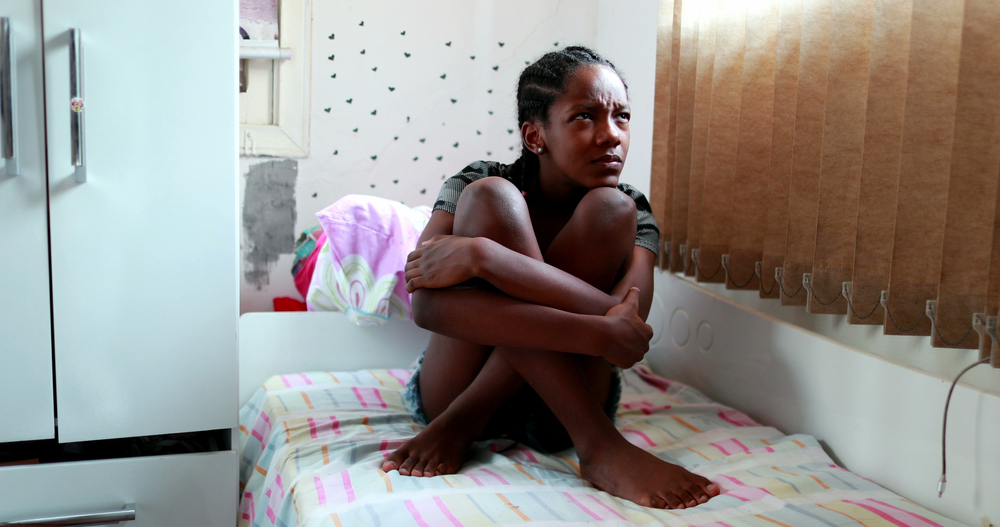
“Adoption trauma is the only trauma in the world for which everybody wants the victim to be grateful.” That’s how Reverend Keith C. Griffith describes it, as quoted by Dr. Gina Miranda Samuels in an EmbraceRace interview. It’s a particularly telling phrase to use with the bright sheen that usually covers transracial adoption. To many, adoption is a selfless act; the real experience for Black children adopted by white parents, however, is much more complex and sometimes extremely painful.

Today, as more families navigate transracial adoption, the voices of Black adoptees are finally being heard. Their stories reveal a complex dance between gratitude and grief, identity and isolation, and the urgent need for cultural connection. What follows isn’t just a list it’s a wake-up call for anyone who wants to do better by the children at the heart of these families.
1. The Myth of the ‘Lucky’ Adoptee
Most Black adoptees are instructed by relatives, strangers, and even teachers to consider themselves lucky to have been “adopted” by white parents. But as one adoptee said, “Why is the emphasis on adoptive parents as rescuers? How about emphasizing that the adoptee is a survivor?” This story erases the deep loss of birth family, culture, and identity associated with adoption.
Dr. Gina Miranda Samuels points out that the world tends to view white adoptive parents as heroes and the child is left to deal with feelings of abandonment and difference: “To be the person that is the recipient of the saving oftentimes leaves you, as an adopted person, with a lot of identity work.” Adoptees’ pain is silenced by calling them “lucky,” and it becomes more difficult for them to seek help.
2. Struggles with Identity Begin Early and Persist
Black adoptees explain that they feel like outsiders in both Black and white worlds. Many are told that they’re “not Black enough” by their peers, yet are never fully accepted within their white families or community. One BuzzFeed author posted, “Having grown up in white families, lived in white neighborhoods, and having to be accepted by very white worlds, trust me, we KNOW we’re NOT white and have no desire to be. We just didn’t have anyone to show us how to ‘be Black.'”
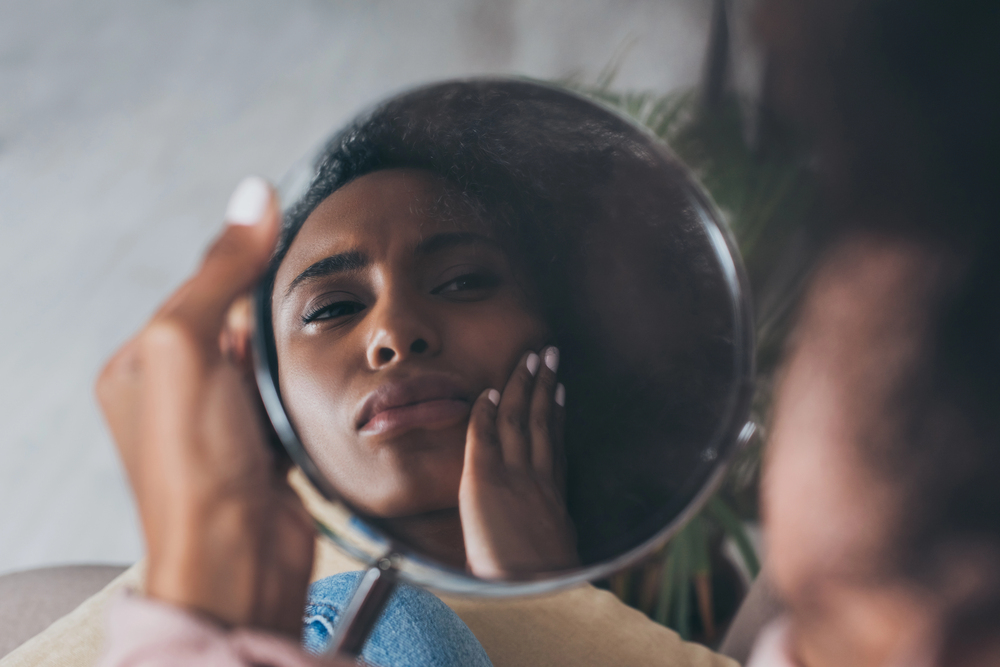
This confusion of identity begins appallingly early. Some adoptees remember washing their skin, thinking they could “wash off” being Black. The lack of mirrors for individuals who resemble them within family, school, and local communities only intensifies the feeling of being out of place.
3. Colorblindness Isn’t Compassion, It’s Harmful
Most white adoptive parents, particularly in earlier generations, thought that “not seeing race” would protect their child from racism. But adoptees and experts concur: colorblindness prepares children poorly for the world as it is. As one woman explained to BuzzFeed, “Because race didn’t matter to them, they figured it wouldn’t be a problem for anyone else. Possibly, they did not know how to approach the topic of race. I do not know.”
Studies indicate that kids who grow up in colorblind households are more apt to internalize shame and confusion when they inevitably come across racism. Dr. Samuels points out that colorblindness “often leaves kids on their own to figure out race, to make meaning of what this means to have two white parents, and whatever skin they’re in, to really take the lead in doing that.”
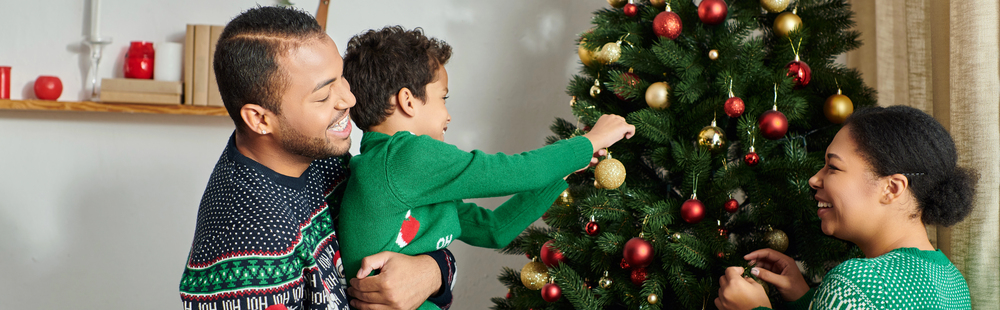
4. Cultural Connection Is Not Optional. It’s Protective
One theme expressed again and again by Black adoptees is the very desperate desire to connect with their background. One BuzzFeed commenter implored, “PLEASE find a way to connect your child to their racial and cultural heritage. Find appropriate social groups for them. Teach them about their ‘other side.”
Research supports this: adoptees with high ethnic and racial identity have healthier psychosocial and academic outcomes. Small gestures going to Black churches, finding Black role models, and honoring cultural holidays, can help a lot. But it takes parents’ humility and willingness to learn, seek guidance, and occasionally move out of their comfort zones.

5. Microaggressions and Racism Are Everyday Realities
Black adoptees are bombarded with microaggressions, both in and out of the home. Phrases such as, “You’re very articulate!” or “I don’t get along with Black people as a rule, but you’re okay,” hurt tremendously. Out in public, they’re frequently confused with friends, partners, or even strangers to their own kin. One adoptee remembered, “When you go out to restaurants, waiters will ask if the check is separate or not, even though you are just a kid.”
These encounters are not merely uncomfortable; they are traumatizing. As Dr. Jessica Castner’s work observes, “Transracial adoption may create a unique cultural consideration of how patients perceive trauma, safety, and identity.”
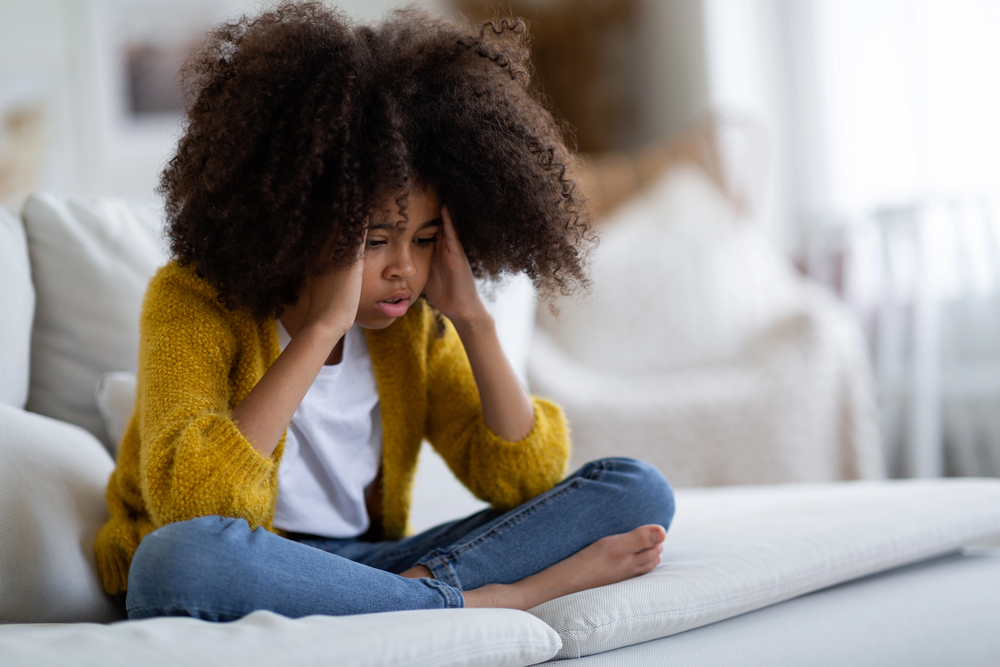
6. Hair, Skin, and Everyday Belonging
For Black adoptees, hair care is often a battleground for self-esteem and identity. Parents who fail to learn about caring for Black hair may inadvertently communicate that their child’s needs are too much or even not important. As one adoptee said, “My hair is my biggest issue. I never know where to go or what to do, so I just end up with this matted ball on my head because I get so overwhelmed.”
There’s no learning to be Black hair, there’s learning to be Black, period. Learning about Black hair isn’t merely about looks; it’s about pride, dignity, and belonging. As Dr. Samuels so succinctly states, “Hair, dolls, culture camps.are important but are so deeply insufficient to really launch somebody with a sense of belonging and a solid, experientially-grounded sense of self racially, culturally in a community.”

7. Healing Requires Community and Support
Adoption trauma does not fade with time. Adult adoptees continue to seek community, knowledge, and recovery. Support groups, both in person and online, are lifelines. As one BuzzFeed contributor posted, “Knowing that there are TRA (Transracial adoption) support groups out there, I can join makes me feel like I might actually find some peace.”
Mental health professionals and adoption agencies are only beginning to catch up, providing more services to both adoptees and their parents. But the greatest service of all is listening, true listening to the stories of adoptees and allowing them to guide their own healing.
Transracial adoption is not happily ever after, nor is it a sad tale; it’s a multifaceted, ongoing process that requires honesty, humility, and a desire to learn. For white parents, the most radical thing they can do is listen, find community, and ceaselessly grow with their child. For adoptees, telling their story is not only courageous,s it’s revolutionary. And for the rest of us, it’s time to step beyond savior complexes and begin amplifying the voices that matter most.