
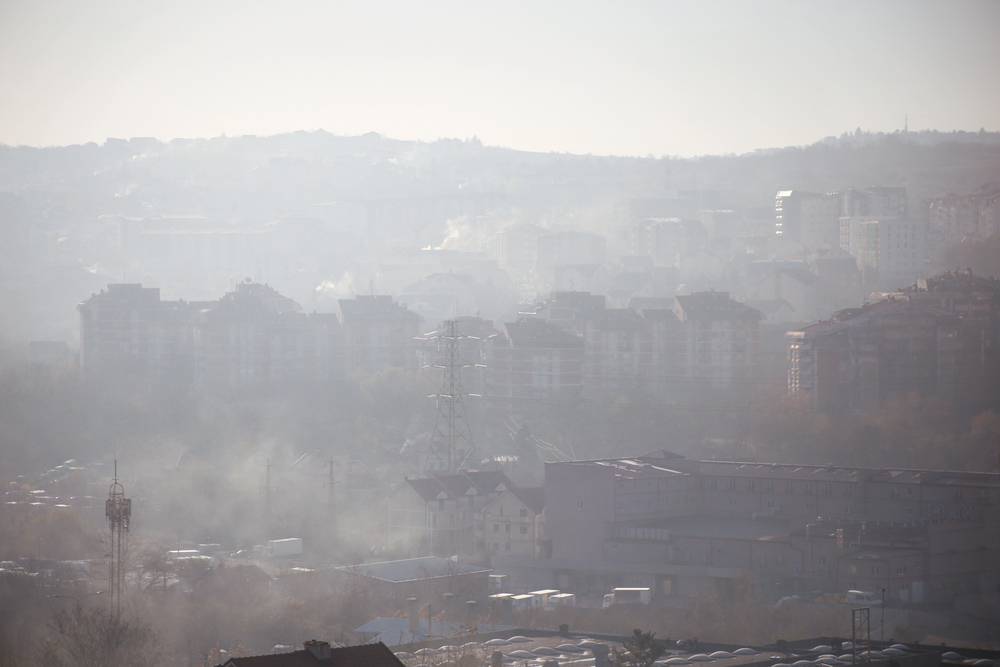
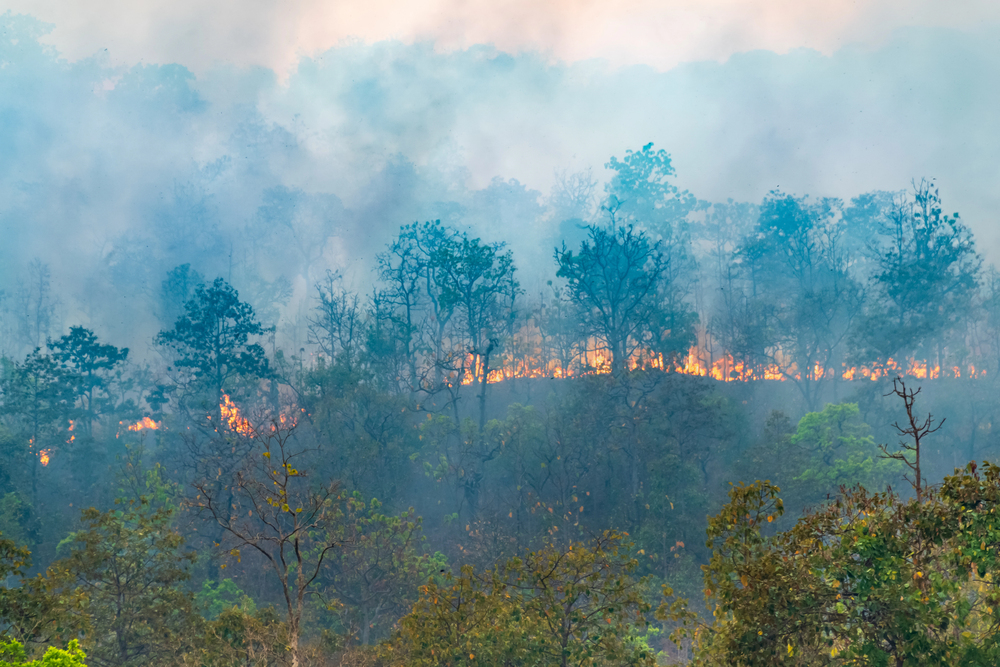
How often did you last check the air quality before venturing outside? For millions of people in the Upper Midwest and Northeast, that has become a daily habit as smoke from almost 200 raging Canadian wildfires covers 14 states, transforming clear summer skies into an oozing, otherworldly haze.
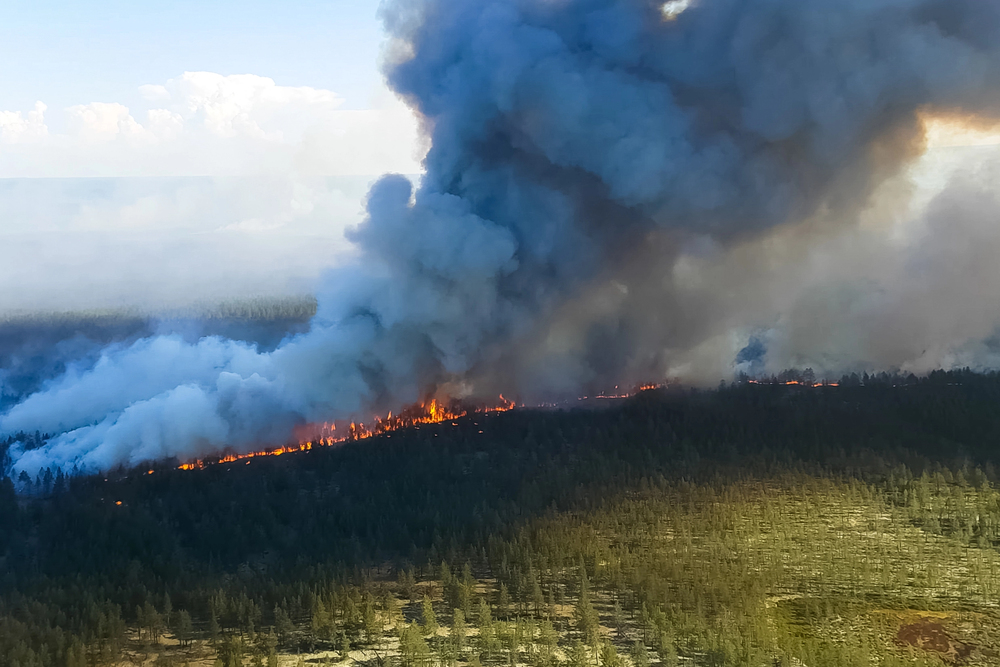
The National Weather Service issued warnings from Minnesota to Maine, with air quality index measurements ranging from “moderate” to “unhealthy” and in a few cities, “hazardous.” It’s not an anomaly: more than 16.5 million acres of land have been torched in Canada already this year, the nation’s second-worst wildfire season on record, and the smoke is lingering for days due to a recalcitrant high-pressure system holding it under siege overhead.
1. The Extent and Scope of the Smoke Emergency
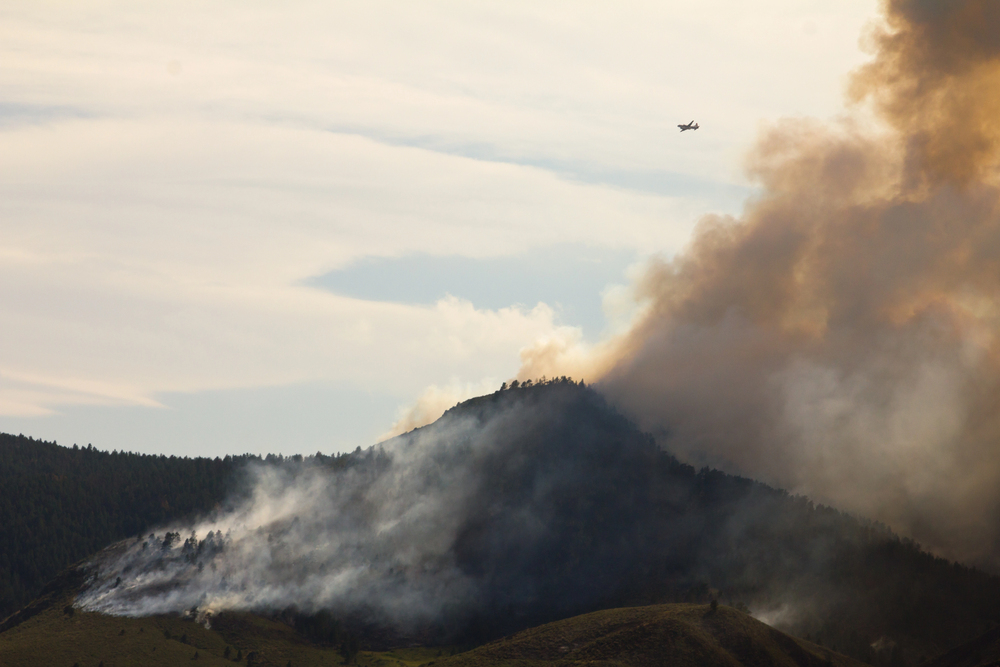
It’s not your imagination; this is huge. Municipalities such as Milwaukee, Detroit, Boston, and New York City have all been enveloped in the smoke plume, with advisories set to continue through at least Tuesday. The smog isn’t confined to a small area: wildfire smoke has been known to travel for thousands of miles and impact air quality hundreds of miles away from the fires. Actually, smoke from the Gifford Fire in California has blown as far as Las Vegas, and Canadian smoke has gone as far as Western Europe. According to the Canadian Interagency Forest Fire Center, over 16.5 million acres have been burned this year, and there are more than 700 active wildfires across Canada.
2. Why PM2.5 Is the Real Villain
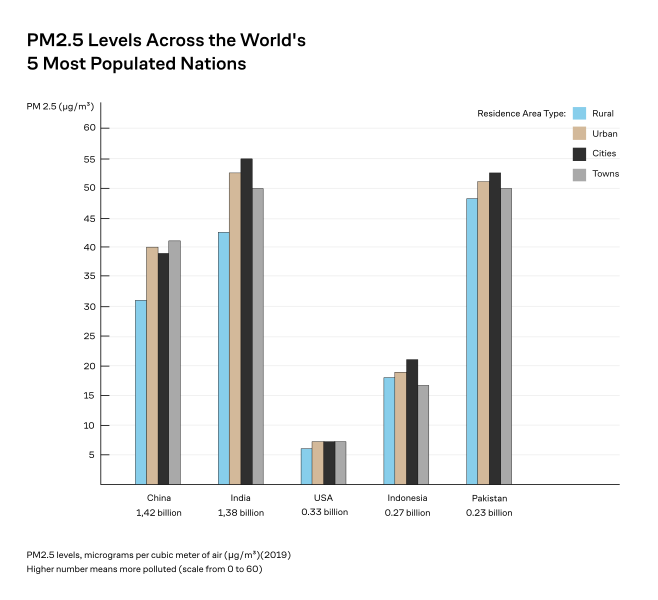
Wildfire smoke isn’t merely “bad air”; it’s full of tiny particles known as PM2.5, which measure around 4% the width of a human hair. These teeny-weensy intruders can make their way deep into your lungs and even enter your bloodstream, along with a toxic cocktail of chemicals and, occasionally, even microorganisms. As Dr. John Balmes, a UCSF pulmonologist, says: “Breathing wildfire smoke is like smoking cigarettes without the nicotine.” The tiny particles are so numerous that over 500 of them could lie across a single hair, and their impacts can be experienced by anyone, particularly those with asthma, COPD, heart disease, or pregnancy, as well as children and the elderly.
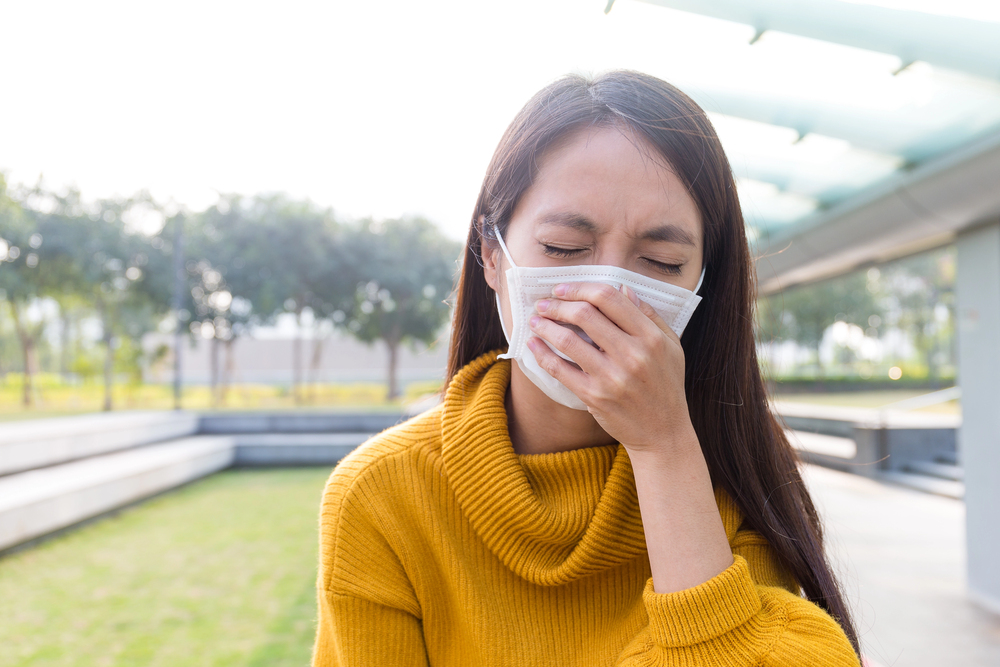
3. Health Consequences: It’s More Than Just a Cough
The health consequences of wildfire smoke are hardly insignificant. Acute exposure can induce coughing, wheezing, eye and throat irritation, and even asthma symptoms. But it gets worse: studies find that exposure to PM2.5 leads to increased emergency department visits and hospitalizations for respiratory and cardiovascular diseases. A worldwide review indicated that more than 339,000 premature deaths yearly are attributable to smoke from wildfires, three times more than those directly claimed by the fires. Hospitalization danger increases for children, elderly people, and residents of poor communities. One large study found that a 1 µg/m³ increase in wildfire-specific PM2.5 was associated with a measurable rise in hospitalizations for asthma, COPD, pneumonia, and influenza within just one or two days of exposure.
4. The Climate Connection: Why This Is Happening More Often
If it feels like wildfire smoke is becoming a summer staple, you’re not wrong. Scientists are clear: climate change is fueling bigger, hotter, and more frequent wildfires. Canada is warming at double the world’s average, and fires in 2023 consumed more than twice the historic record. The Climate Atlas of Canada states that “Climate change more than doubled the probability of extreme fire weather conditions in Eastern Canada in 2023.” Rising temperatures, earlier snowmelt, and longer dry spells parch vegetation, combining to create a raging wildfire firestorm of epic proportions. Consequently, fire seasons are beginning earlier, persisting longer, and are more difficult to control.
5. The Psychological Price: Isolation, Anxiety, and Resilience
It’s not only your lungs that pay the price your brain does, as well. Long-term exposure to smoky skies and being cooped up indoors can contribute to feelings of isolation, anxiety, and even depression. According to one study, 45.3% of individuals experienced anxiety, and 21.4% were depressed due to wildfire smoke. As explained by researchers, “The majority of those interviewed reported ‘a direct connection between the wildfires and smoke and a decrease in their mental and emotional health.'” The emotional effect can particularly be challenging for parents, individuals with prior medical conditions, and individuals who rely on outdoor activities for their welfare. Support from the community, authoritative information, and staying connected socially are essential in establishing resilience.

6. Safe Indoors: Indoor Air Hacks That Work
When the outdoors becomes toxic, your house is your haven. Here’s how to turn it into a safe haven:
- Close doors and windows and stuff gaps with wet towels.
- Have air conditioners recirculate indoor air, not draw in outside air.
- Employ a certified HEPA air cleaner if you lack one; you can build a box fan filter yourself.
- Track indoor air quality with apps or websites such as AirNow or Purple Air.
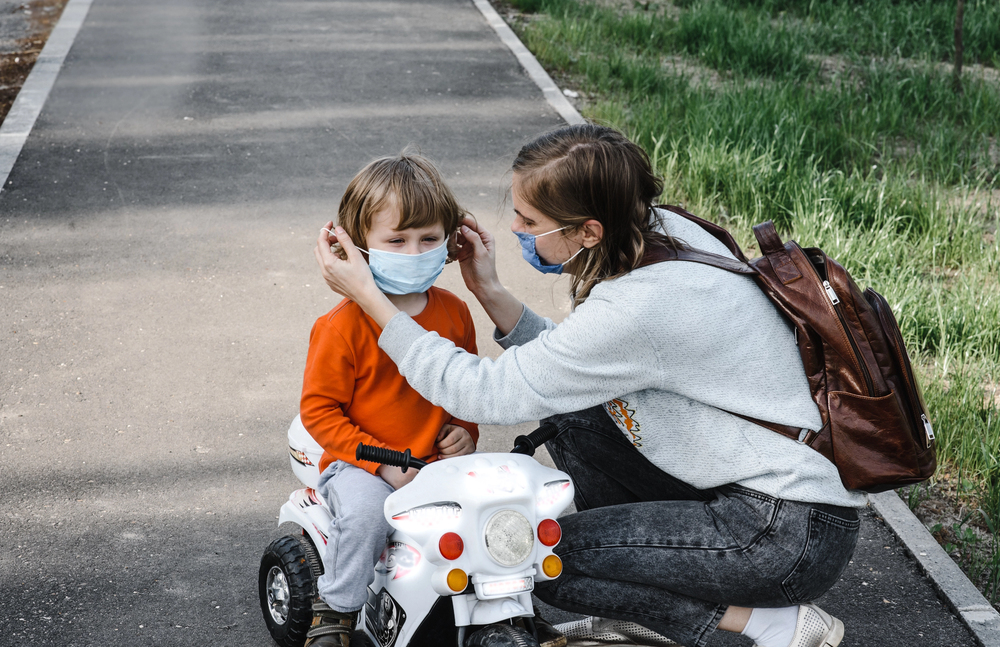
- When you have to go outside, don an N95 mask (not a standard dust mask).
- Stock up on prescription medications and stay in contact with your healthcare provider, particularly if you have a chronic illness.
- Keep children and pets indoors during peak-smoke times. Children inhale more pollutants by body weight than adults.
These actions can really help, particularly for those at highest risk.

7. Staying Mentally Healthy: Small Strategies to Overcome Tough Times
Managing smoky days isn’t only about physical well-being. Use these strategies to assist with mental health, too:
Record your thoughts to process anxiety and retard runaway concerns.
Does deliberate breathing make a game of it with children to assist in self-regulating stress?
Use a “behavior chain analysis” to map out what triggers your distress and plan how to intervene next time.
Stay connected: reach out to friends, join online support groups, or check in with community resources.
Remember, you’re not alone; many are feeling the same way, and seeking help is a sign of strength.
As one study noted, “Effective health communication may help reduce mental health consequences,” especially when isolation and uncertainty are high.
8. Community Resources: Assistance for At-Risk Groups
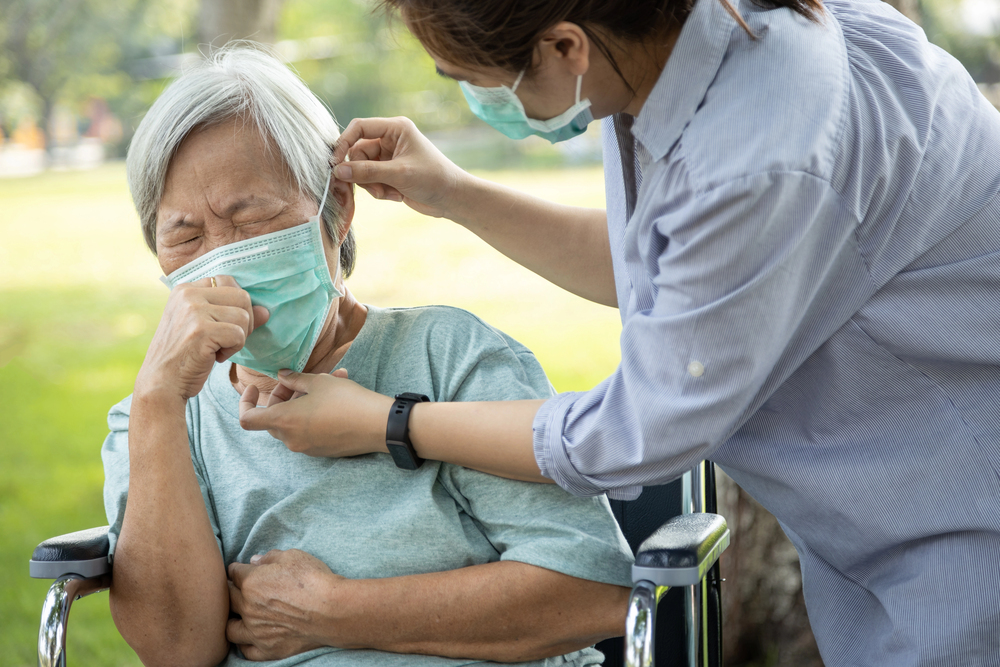
Not all have an equal ability to ride out these smoky days. Local support programs are joining in with air cleaning systems, clean air shelters, and specific outreach to seniors, individuals with disabilities, and those with limited English proficiency. The EPA’s Smoke-Ready Toolbox and AirNow offer real-time air quality information and health advice in several languages. Toolkits and grants are provided to assist communities in creating local smoke response plans and aid those most vulnerable.
As wildfires become an increasingly recurring issue, being aware of the risks and taking proactive measures both for your body and mind can ensure you remain safe, connected, and resilient.


