
What is the significance when virtually 10 elderly adults kill themselves every day in South Korea? To public health experts and mental health clinicians, these statistics are not just numbers; they’re a wake-up call. The suicide death rate among South Korean adults aged 65 years and older reached 40.6 per 100,000 in 2023, a whopping 45% greater than in younger adults. This is a complicated crisis, but nascent evidence and grassroots solutions bring hope of turning the tide.
1. Comprehending the Scope and Urgency
The statistics are grim: 18,044 South Koreans aged 65 years and older committed suicide between 2019 and 2023, at nearly 3,000 deaths per year. As Dr. Oh Dae-jong, a South Korean geriatrician, put it, “Older adults are less likely than younger individuals to seek psychiatric treatment prior to suicide attempts, and many kill themselves upon making one or several failed attempts, and thus early detection of vulnerable elderly is critical.” As the older population now exceeds 10 million and accounts for almost one in five South Koreans, the need to stem this public health crisis has never been more pressing. Suicide rates among individuals 80 and older have been as high as 60.6 per 100,000.

2. The Top Risk Factors: Loss, Loneliness, and Financial Distress
Several studies identify the culprits behind these appalling statistics. Depression in older people is most commonly associated with spousal loss, financial distress, loneliness, family conflict, and feeling burdensome. Long-term illness, particularly upon diagnosis, can intensify despair. The breakdown of traditional support networks for the family and a failing welfare system results in more than 40% of Korean elders living below the poverty line, many forced to work beyond retirement age or live without a household. The collapse of multigenerational households where fathers reside with adult children has fallen from 60.8% to 28.6% since 1980, increasing social isolation and mental health problems.
3. The Lethality of Methods and the Need for Early Detection
Older adults are more prone to use very lethal methods, for example, pesticides or hanging, and thus survival is highly improbable in comparison to young individuals. This highlights the urgency of early detection and response. As Dr. Oh pointed out, “It is imperative to have trained gatekeepers throughout the medical community who are able to identify and act on early verbal, emotional, and behavioral warning signs among older adults at risk of suicide.”

4. Gatekeeper Training: The “Suicide CARE” Model
South Korea has led the development of gatekeeper training initiatives such as “Suicide CARE,” an acronym for “Careful observation,” “Active listening,” and “Risk evaluation and Expert referral.” This initiative, revised to version 2.0, offers precise instructions for recognizing and assisting high-risk individuals. As of 2019, 1.2 million individuals had undergone life-saving education under this program.

There is evidence demonstrating that gatekeeper training, particularly when specifically designed for the older population, is associated with enhanced early detection, referral, and intervention, and thus becomes central to suicide prevention strategy. Gatekeeper training also works among the families of individuals with mental disorders, enhancing knowledge, self-efficacy, and preventive behavioral intention.
5. Community-Based Interventions: Addressing Social Isolation
Being alone is a serious risk factor for depression and suicidal thinking. Research shows that older persons living alone have over twice the risk of suicidal thinking as those living with others. Community intervention, such as individualized case management through gatekeepers, has been found to decrease depression and increase satisfaction with life in single-household elderly. Interventions that strengthen social support and connection are essential, particularly since 20% of elderly Koreans now live alone.
6. Digital Mental Health and Telepsychiatry: New Frontiers
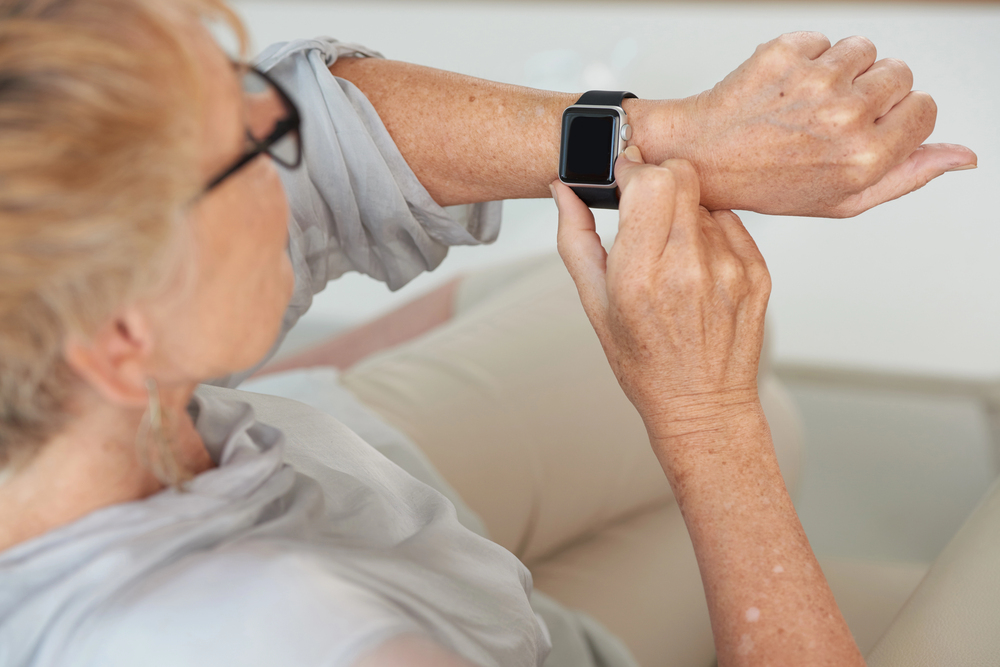
New digital solutions are emerging as potent tools for early detection and intervention. Pilot studies conducted in Korea recently have proved that wearable sensors monitoring sleep, heart rate, and activity can identify daily patterns of changing depressive symptoms. These platforms provide personalized feedback to both seniors and their community caregivers and enhance mental health and sleep quality. Telecare interventions markedly decrease depressive and anxiety symptoms of late-life depression, particularly in the initial three months. Yet, usability issues persist, pointing to the necessity for in-person instruction and assistance for older adults.

7. Cross-Sector Collaboration: Creating a Safety Net
Successful suicide prevention involves an integrated, multidisciplinary strategy. That implies collaboration between health professionals, social workers, community caregivers, and local organizations to screen vulnerable seniors and offer comprehensive assistance. Community mental health centers, online monitoring tools, and personalized gatekeeper programs can create an effective safety net if communication and resource coordination are smooth.

Remaining sensitive to the practical and emotional needs of older adults is paramount. As the population continues to grow older, a mix of evidence-based training, technological innovation, and empathetic community involvement holds the promise of reversing the trend of elder suicide in South Korea.


