
Is it indeed “in sickness and in health” if the figures say otherwise? Marriage and cancer have enough statistics to make anyone’s jaw hit the floor: wives who become ill have a 60% greater chance of divorce than healthy marriages, and US research indicates that women with cancer are six times more likely to witness their marriage collapse than men with the same condition. That’s not a statistic it’s a wake-up call for women who are living through both the physical and emotional reverberations of cancer.

1. The Stark Reality: Why Illness Strikes Marriages Harder for Women
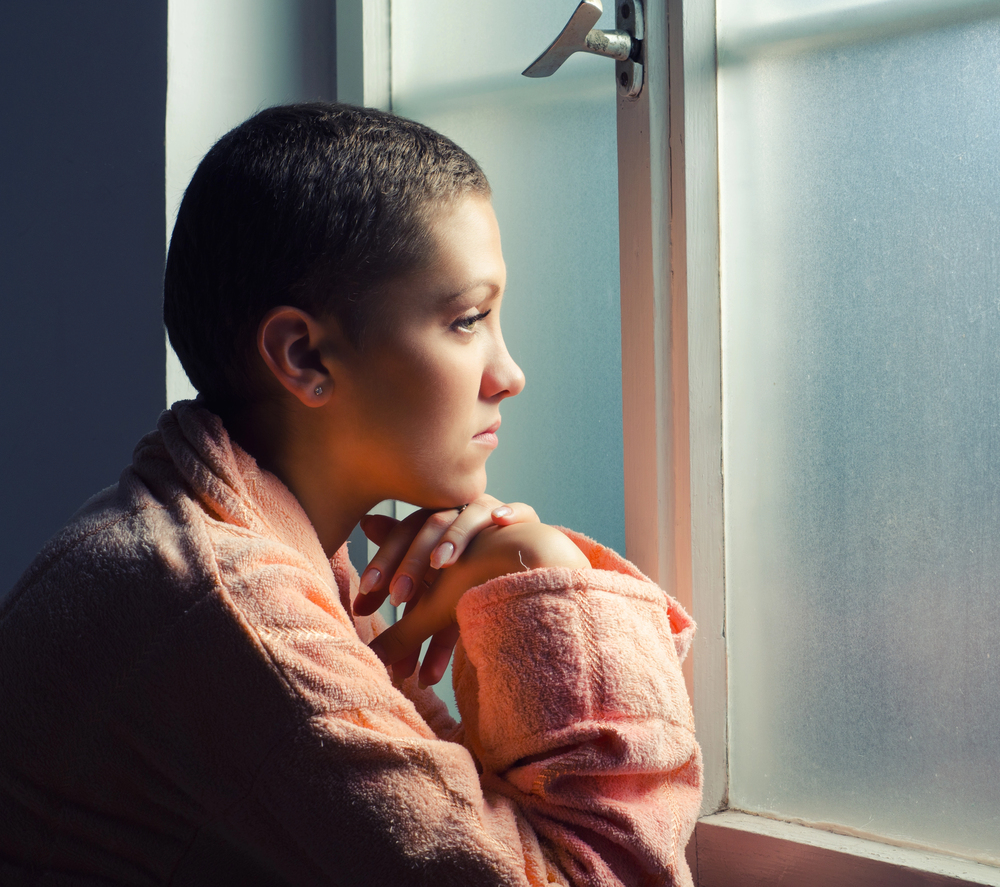
On every continent, studies continually discover that when the health of a wife declines, the marriage is much more likely to collapse. The University of Florence research into more than 25,000 European couples revealed that if the wife was ill, divorce risk rose by 60%. However, if it was the husband who had problems, the chances of a split remained unchanged. Giammarco Alderotti, the lead researcher, said in simple words: “The findings are consistent with the hypothesis that men find it more difficult than women to adjust to a caregiving role within the couple.” These results continue to be influenced by traditional gender roles men as breadwinners and women as caregivers enforcing “unequal power dynamics” in households. Even in Korea, men were four times more likely to leave when their wives were diagnosed with cancer.
2. The Hidden Struggles After Treatment Ends
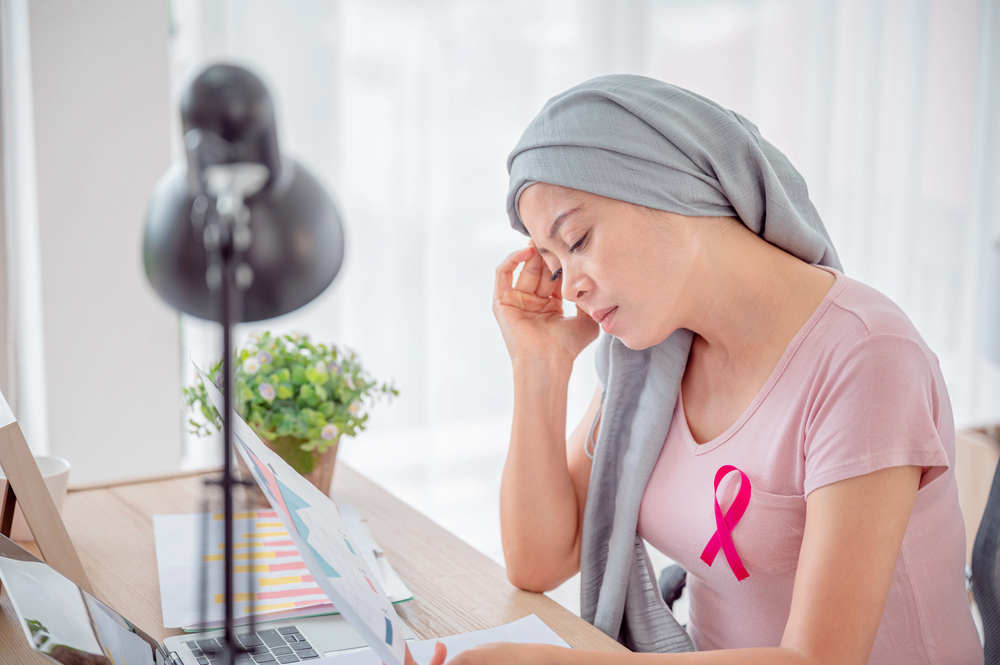
For many women, the end of cancer treatment isn’t a victory lap it’s the beginning of a new, unexpected fight. Kate Browne, at 48, was diagnosed with breast cancer. She said the experience was “unexpectedly vulnerable.” She continues, “You think of treatment as your finish line, but it is later, when the adrenaline has worn off but the impact of the treatment has not, that is unexpectedly vulnerable.” Survivors usually experience a gap between being sapped of energy, mentally suffering, and feeling lost confidence. Sian Robinson-Brown of Macmillan Cancer Support concurs: “The end of treatment can affect people far more deeply than they realize. A couple may have nearly every minute of nearly every day planned for them and when this ceases, the magnitude of what they’ve been through can strike.”
3. The Double Whammy: Divorce and Financial Fallout
Cancer itself costs a lot, but add divorce to the equation and the cost can be crippling. Women tend to lose twice the income of men following a divorce, and the “ripple effect” of continued illness such as physiotherapy, hormonal therapy, and mental health services adds hidden expenditures that last long after the final chemo treatment. Kate Browne has shared, “Cancer treatment isn’t just a medical journey; it’s a financial marathon.” A new survey revealed that over half of breast cancer patients have to endure unbudgeted expenses like in-home care, mental health counseling, and transportation for numerous treatments. Seven in ten survivors draw on their savings to pay for these expenses, and most regret not having income protection or life insurance at the time of diagnosis.Cancer survivors from all cancer groups had a reduction in personal and family income in the two years after diagnosis.

4. The Emotional Cost: Fatigue, Anxiety, and Loss of Identity
The psychological costs of cancer are definite and usually downplayed. Research indicates anxiety, depression, and even cognitive impairment are significantly more prevalent among breast cancer survivors compared to women with no history of cancer. Fatigue persists, sleep remains problematic, and the loss of confidence makes going back to “normal” life seem impossible. According to one study, 85% of breast cancer survivors reported sleep disturbance, 67% struggled with fatigue, and nearly half experienced depressive mood within two years of completing treatment.

Lingering symptoms, such as fatigue, sleep disturbance, depressive mood, and cognitive difficulties impede survivors’ return to customary roles. These symptoms often overlap and intensify each other, making it even harder to bounce back.

5. Why Communication Matters More Than Ever
Navigating cancer as a couple is tough, but experts agree that open, honest communication is the secret sauce for resilience. Lynne Thomas, MSW, shares, “The couples that approach this as a ‘we’ problem that is as a team they just do better. They navigate all of the challenging treatment more when they know they’ve got a partner in all this.” Evidence indicates that communication interventions for couples are effective in enhancing relationship satisfaction, minimizing anxiety and depression, and enabling both partners to cope better with cancer’s stress. Favorable outcomes included enhancement of relationship functioning (such as mutual communication, intimacy, and relationship satisfaction) and individual functioning. Being thankful, expressing hard feelings, and asking for what you require can bring you closer together even when it gets ugly.
6. Finding Financial Support: You’re Not Alone
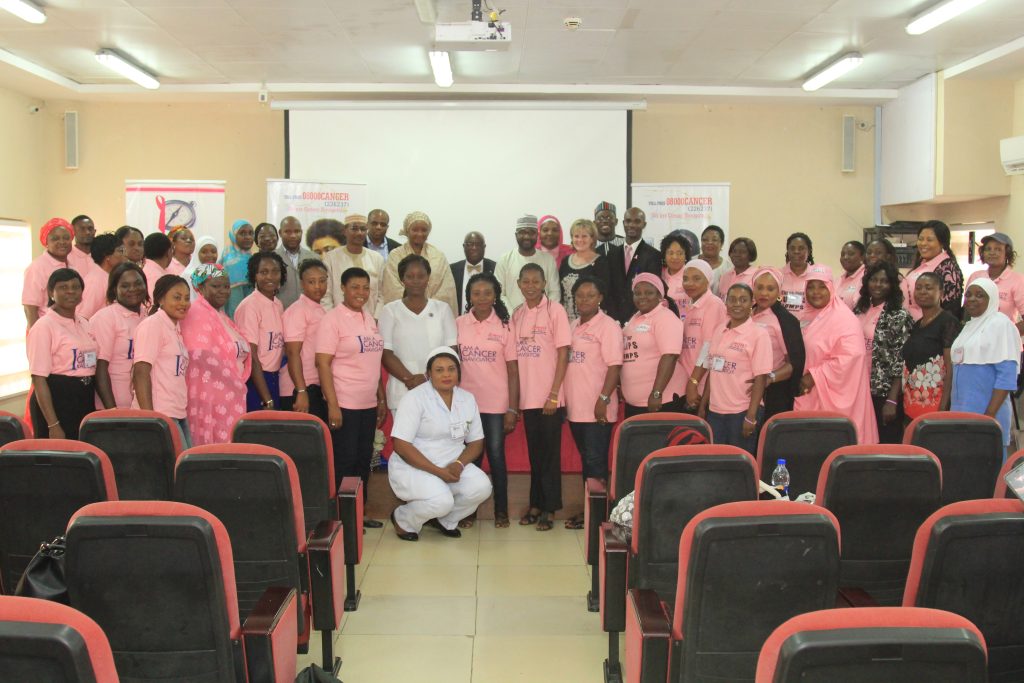
Dealing with financial worries is a big part of life after cancer, but there are options to relieve some of the burden. Social workers, patient navigators, and cancer care teams can introduce you to programs for housing, transportation, meals, and even caregiver costs.Some of these expenses are covered by resources. Ask the cancer care team if they know of people or organizations that may be able to assist. The American Cancer Society, Medicaid, and local charities provide everything from reduced-cost housing to transportation and assistance with utility bills. Don’t be afraid to seek help these programs are in place for this very purpose.
7. Reclaiming Your Power: Growth After Cancer
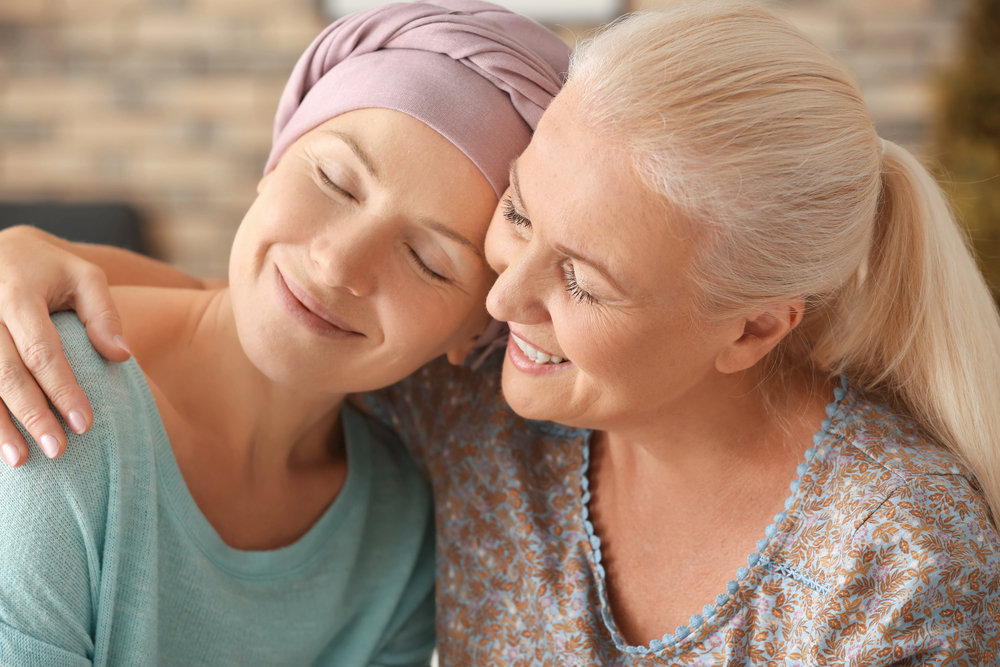
It’s not all bad news. Many women, in fact, discover that cancer, though devastating, serves as a catalyst for deep relationships and personal growth. Kate Browne remarks, “Cancer has a funny way of bringing out the best in people.” I’ve heard it referred to as the ‘cancer colander’ as going through it sorts the good people and relationships from the bad. Studies show that up to 60% of breast cancer survivors experience posttraumatic growth, reporting greater empathy, closer relationships, and a renewed appreciation for life.Women in the survivorship period have described feeling improved empathy, closer relationships, and a greater appreciation for life.

Even though the statistics may seem overwhelming, they’re only part of the picture. Recovery from cancer is a difficult road, yes, but also one with new chances for intimacy, support, and even happiness. Given appropriate resources, honest communication, and a bit of kindness to themselves, women are capable of and do navigate the path.