

A mother’s desperate cry for her child’s medical attention falls on deaf ears, a pregnant woman is instructed to “just drink water” as she bleeds, and a four-year-old cancer patient is deported without access to medication. These are not one-off headlines they’re part of an escalating tally of more than 500 credible claims of human rights violations in U.S. immigration detention since 2017, according to a new Senate report. For those committed to justice and human dignity, knowing what’s going on and what can be done is more critical than ever.
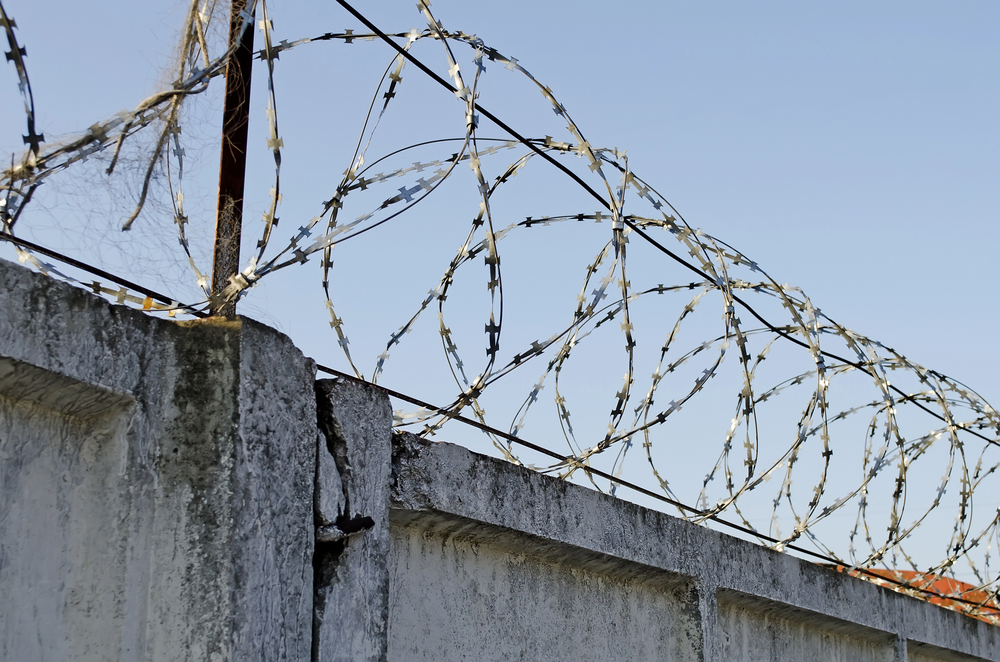
1. The Scope: Over 500 Allegations, From Neglect to Assault
Over 500 serious allegations of abuse inside ICE and other detention centers have been reported since 2017, including deaths in custody, physical and sexual violence, and serious medical neglect. Senator Jon Ossoff’s office reported 41 instances of physical or sexual abuse, 14 of which were pregnant women and 18 of which were children. “Irrespective of our opinions on immigration policy, the American people do not condone the abuse of detainees and prisoners. it’s more crucial than ever to turn a light on what’s occurring behind bars and barbed wire, particularly and most appalling to children,” Ossoff said.
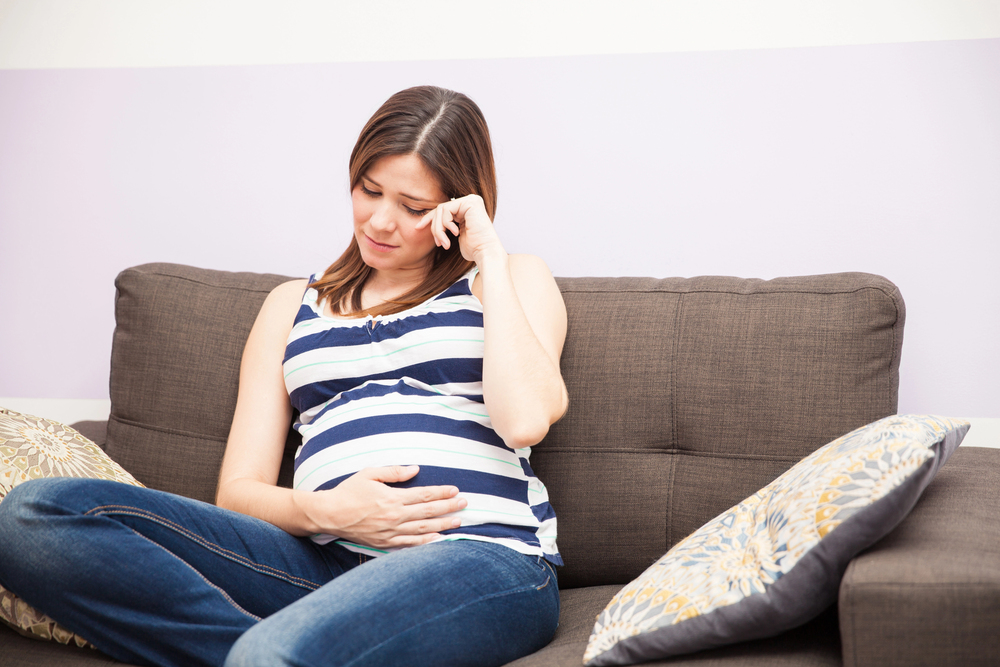
2. Pregnant Women: Medical Neglect and Trauma
The inquiry revealed nightmarish accounts of pregnant women who were deprived of proper care. One woman hemorrhaged for days and was then transported to a hospital, where she was abandoned to miscarry without water or medical treatment for more than 24 hours. Another was instructed to “just drink water” after she asked for medical care. Lawyers stated that pregnant detainees may wait weeks to see a doctor, and appointments were often canceled. There were 58 miscarriages among pregnant detainees between January 2015 and July 2019, as per ICE records. The trauma and neglect suffered by these women have long-term physical and mental health impacts, with experts cautioning of increased risks for mothers and children.
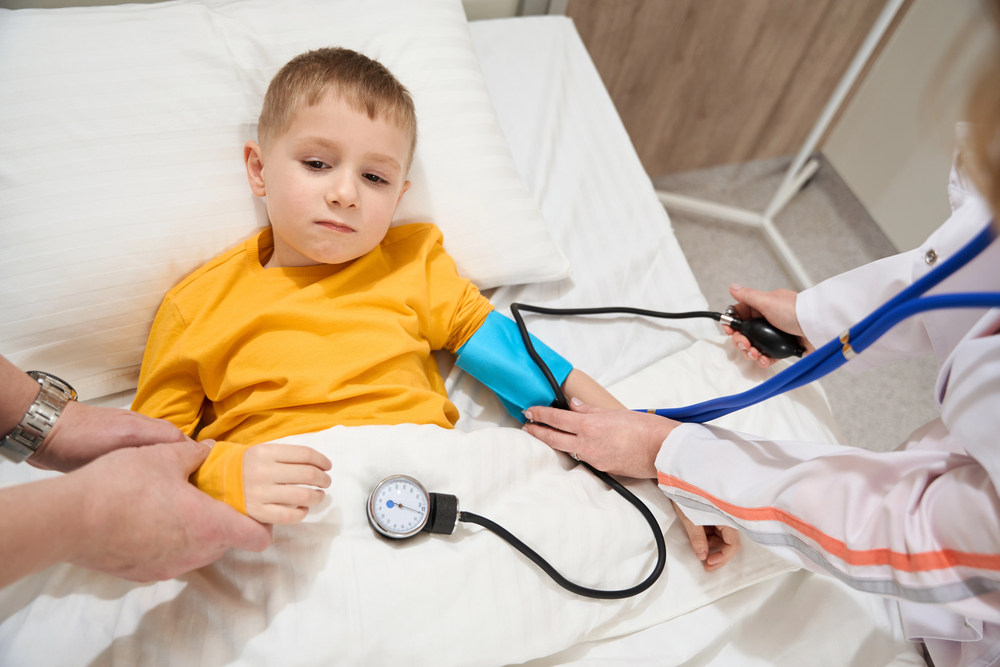
3. Children: Denied Treatment and Removed from Families
Children as young as two have experienced serious medical problems while being held in detention, frequently denied adequate treatment. One American citizen child, recovering from brain surgery, was denied follow-up treatment, with recurrent brain swelling and speech impediment. A four-year-old cancer patient was deported without access to life-sustaining medication. Accounts of separation from family and dirty, cramped conditions add to the distress for children in detention. These methods have been decried by national coalitions as “The treatment of adults and children while detained in U.S.” Customs and Border Protection (CBP) migrant detention facilities controlled by the Department of Homeland Security (DHS) is dehumanizing and thus not acceptable. It has to stop forthwith.
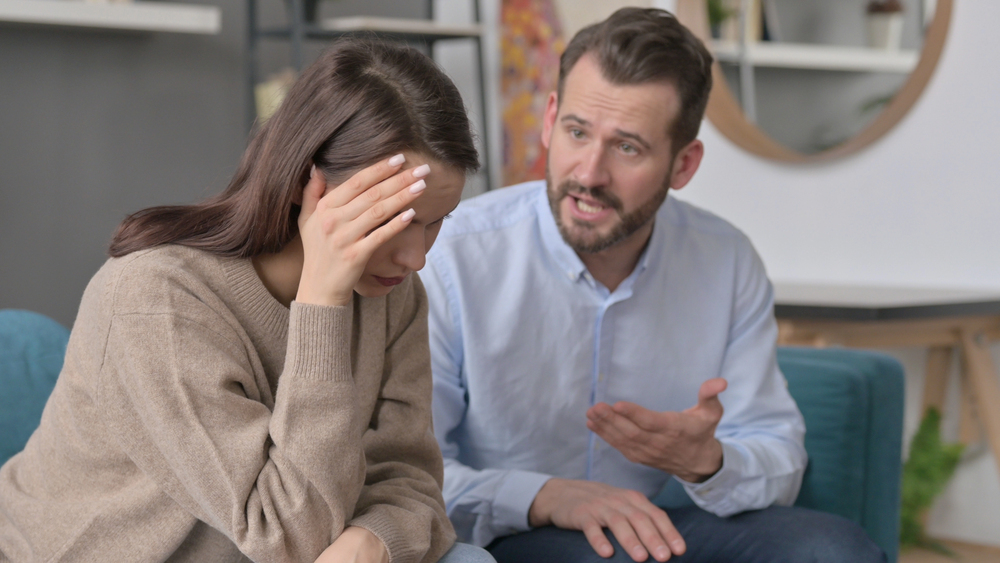
4. Physical and Sexual Abuse: Widespread and Under-Investigated-
The Senate report outlines at least four 911 calls reporting sexual abuse at the South Texas ICE processing center since January. A detainee in El Paso was “slammed onto the ground, handcuffed, and taken outside” for a minor transgression. Though there are thousands of complaints, only 2 percent of reported sexual assault claims have been formally investigated, contrary to federal guidelines. LGBTQ and transgender detainees are particularly vulnerable, representing a disproportionate number of victims of abuse.
5. Unsatisfactory, Overcrowded, and Hazardous Conditions
Crowding has made detainees, including expectant women, share sleeping places on floors. The centers are marred by poor food, water, and subject to extreme temperatures. Hunger strikes and demonstrations have been answered with force, e.g., the activation of flash-bang grenades and rubber bullets against grievances about unsatisfactory conditions. Such conditions enhance health hazards and psychological trauma for all within.

6. Obstacles to Legal Access and Family Contact
Inmates often complain of being deprived of access to lawyers and restricted in communicating with loved ones. Such isolation not only discounts due process but also intensifies the feeling of helplessness. The detainee who had a miscarriage told Yoon that she saw and lived in ‘horrific’ and ‘awful conditions,’ said the lawyer, including claims of overcrowding, sleeping on the floor, poor access to food and healthcare, as well as inhumane treatment by the guards, denial of information about their case and limited freedom to see their loved ones and lawyers, NBC News said.

7. Monitoring, Accountability, and the Reform Agenda
Several concerns are charged with monitoring, such as the DHS Office of Inspector General, the Office for Civil Rights and Civil Liberties, and the Office of the Immigration Detention Ombudsman. These offices usually do not hold ICE accountable substantively. Inspections are sometimes preannounced, and monetary fines for noncompliance are seldom imposed.

Activists are urging more rigorous outside oversight, independent investigations, and halting new contracts with private prison operators. The American Public Health Association appeals, “Strengthening accountability through these recommended actions can prevent future SRH violations and encourage a swift response from federal and local-level agencies.”

Advocacy organizations call for contacting representatives, advocating for policies that serve children and families, and calling for transparency from immigration authorities. “Human rights, and the dignity of every person, are not partisan issues,” declares an alliance of national sexual assault coalitions. For individuals who want to assist impacted people, there are resources available to file grievances, get connected with legal assistance, and amplify detainees’ and family members’ voices.
Informing themselves, raising their voices, and advocating for community and legal aid are potent means to assist in restoring dignity and hope to individuals ensnared in the shadow of the detention system.


