
“We’re bringing back religion in our country,” declared Donald Trump at a Rose Garden event, and for many conservative Christians, these words have felt like a long-awaited rallying cry. In a political era where faith and public life often collide, Trump’s recent policies have sparked both celebration and controversy, energizing his core supporters while stirring debate across the nation.
As the 2024 heat comes, Trump’s initiatives on religious freedom, church-state separation, and culture have reignited debate over living out one’s faith in the public sphere. Here’s a closer look at the most important and sometimes surprising ways his presidency is refashioning the landscape for conservative Christians and their critics alike.
1. New Freedom for Pastors to Endorse Political Candidates
Trump’s government made headlines when the IRS announced that pastors are finally free to politically endorse candidates from the pulpit without risking tax-exempt status for their churches. This action essentially guts the Johnson Amendment, a 1954 regulation limiting political action by nonprofits. Conservative religious leaders had griped for decades that the amendment stifled their religious speech. Now that there is this carve-out, churches are getting more active in politics than ever before.
Critics warn that the move blurs the church-state line, traditionally protected by the Establishment Clause. According to the Supreme Court’s Lemon v. Kurtzman test, governmental action must have a secular purpose and avoid excessive entanglement with religion (the Lemon test). Trump’s supporters see the change as restoring religious freedom, but critics fear that it could politicize the pulpit.

2. Expanding Religious Expression in the Federal Workplace
In July, the Office of Personnel Management formalized that federal employees can now freely practice their faith in the workplace, introduce religious symbols into the workplace, and even ask other workers to pray with them just as long as it isn’t harassing. The policy, which Director Scott Kupor explained assures employees “should never have to choose between their faith and their career,” is a big step toward normalizing religious expression in government buildings.
While Christian conservatives view this as a win for religious liberty, others believe that it will be hard for those with differing viewpoints to feel comfortable. Americans United for Separation of Church and State’s Rachel Laser warned that the memo “encourages federal workers to employ the authority of their office to impose their faith on other individuals.” The scandal highlights the conflict between free exercise and the necessity for an inclusive public space.
3. Transgender Rights and Gender-Affirming Care Crackdowns
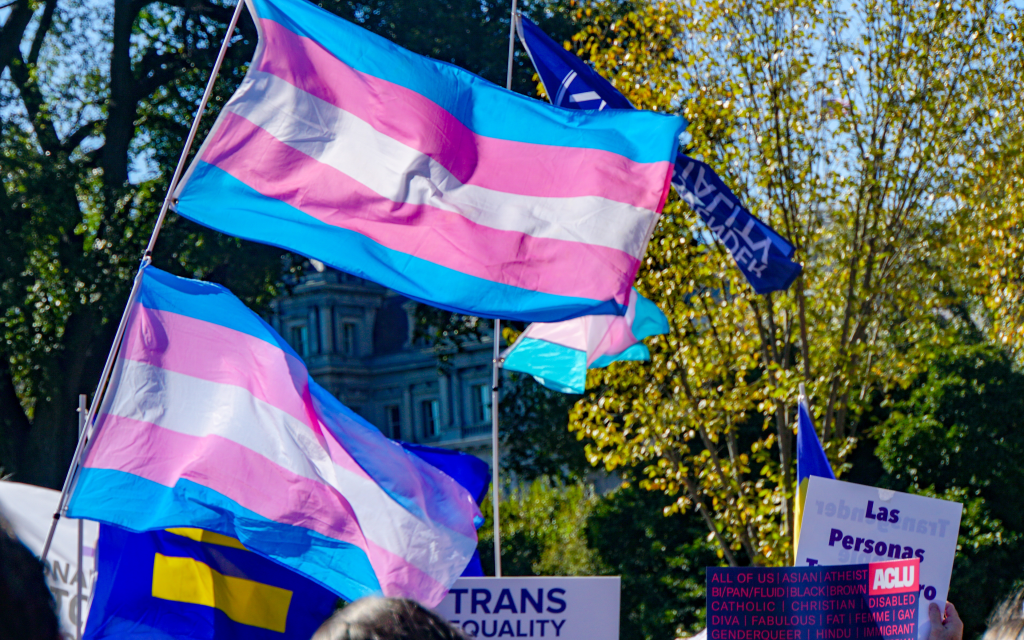
Trump’s first executive orders that targeted transgender rights, something that was welcomed by the majority of religious conservatives. His government recognized only male and female as fixed biological sexes, cut federal funding for gender-affirming care for children, and banned transgender athletes from girls’ and women’s sports. All these policies have prompted numerous institutions to cease gender-affirming care and have led to high-profile instances like the University of Pennsylvania’s apology to women athletes injured by transgender participation.
For faith voters, these actions are a restoration of values. Yet for liberal Christians and LGBTQ+ advocates, they represent an abandonment of hard-won rights. Court wars that follow serve to demonstrate how religion and civil rights remain embedded in America’s culture wars.

4. Focusing On Anti-Christian Prejudice And Religious Freedom
Trump established a Task Force to Eradicate Anti-Christian Bias, led by Attorney General Pam Bondi, to investigate perceived anti-Christian discrimination in government and society. Concurrently, the new Religious Liberty Commission staffed by well-known Christian leaders was created to encourage prayer and religious symbols in public schools.
While others commend these efforts as long overdue protections for America’s religious majority, some argue whether Christians, as the nation’s largest religious group, necessarily need to be specially protected. The Interfaith Alliance argues that the wall of separation between church and state “protects religious institutions as much as it protects our government.” The commissions attest to a new assertiveness in protecting Christian identity in the public square.

5. Placing Evangelical Leaders in Positions of Influence
Trump’s religious overture has spilled over from policy into personnel. He appointed Pastor Paula White-Cain, a charismatic evangelical pastor, to lead the White House office of faith. Former Arkansas Governor Mike Huckabee, a Southern Baptist Convention minister, was appointed ambassador to Israel, reflecting the deep love of evangelical Christians for Israel.
These appointments put influential Christian voices upfront on American policy, reasserting Trump’s promise that religion “has been brought back to where it always belongs, and that is center,” White-Cain opined. For conservative Christians, seeing their values reflected at the highest echelons of government is both validating and empowering.
6. Supreme Court Decisions Favoring Religious Conservatives
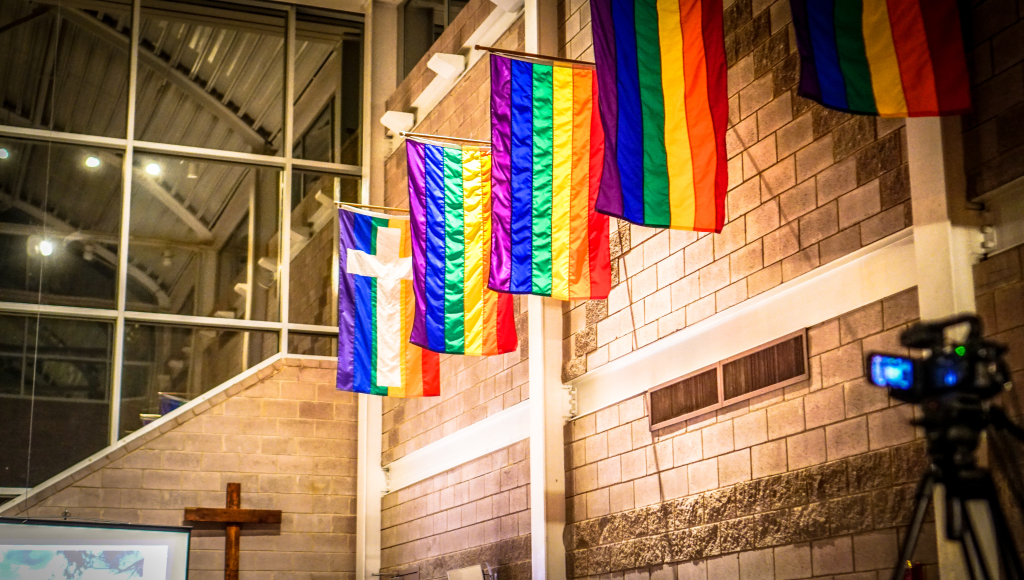
Even though Trump has not yet made new Supreme Court appointments this term, his previous choices Neil Gorsuch, Brett Kavanaugh, and Amy Coney Barrett continue to shape the direction of the court. Recent judicial rulings have allowed parents to take children out of LGBTQ+-affirming courses, maintained state prohibitions on gender-affirming health care for minors, and permitted states to prevent Planned Parenthood from receiving Medicaid funding.
All three cases were decided 6-3, with the Trump appointees forming a conservative supermajority. They’ve energized his base, who see the court as a refuge for religious liberty and traditional values. The impact of these decisions extends far beyond the courtroom to influence how religion and public policy interact in daily life.
7. Fighting a Culture War against Liberal Institutions
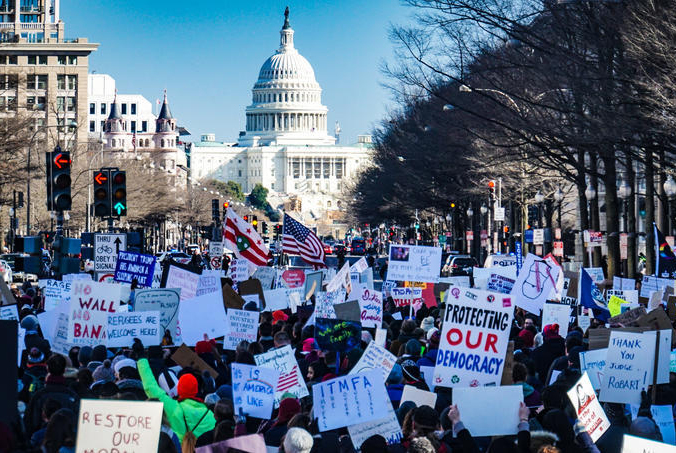
Trump’s regime has been targeting what conservatives view as liberal bastions universities, museums, and public media by cutting appropriations and demanding reforms. Institutions like the Smithsonian, Kennedy Center, and elite universities have faced budget cuts or been threatened with conformity to the administration agenda. Those initiatives to suppress diversity, equity, and inclusion efforts have picked up pace as well.
For friends, they are a matter of restoring equilibrium and combating perceived bias. For foes, they are a frontal assault on academic freedom and pluralism. As Baylor University’s civil discourse series illustrates, civil conversation and bridge-building are more important than ever in a climate where ideological fault lines are deep.
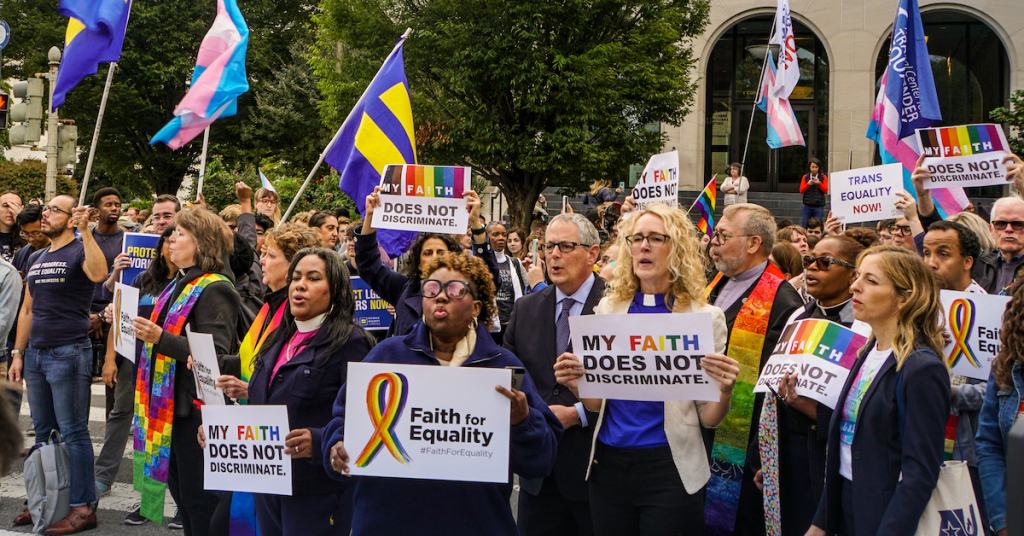
Trump’s policy proposals rooted in religion have ignited a profound reorganization of the relationship between religion and American public life. For conservative Christians, they represent long-sought affirmation of their priorities and values. But the resulting controversies remind each of us that, in a plural society, it is always necessary to walk the tightrope between conviction, civility, and inclusion. As America enters this new era, the controversy over faith, freedom, and the common good has just begun.


