

Loneliness among single men isn’t just about missing romance; it’s often about missing connection. The emotional gap often isn’t compensated for by friendships or family ties, because many men have been socialized to save vulnerability for their romantic partners alone. That would be a heavy load for any one relationship to carry, and if it’s not there, the gaping hole can feel immense. As psychologist Fredric E. Rabinowitz says, “a lot of guys tend to put all their emotional eggs in one basket.”

1. The Emotional Bottleneck
Many boys are socialized from a very young age to see emotional openness as a weakness. This socialization causes a bottleneck: they invest all of their emotional needs into one romantic relationship and keep friendships superficial. When that romantic relationship doesn’t exist, they’re not left with a safe outlet. Various studies find that such a lack of varied emotional connections brings about increased risks of depression, anxiety, poor sleep, and even weakened immunity.

2. Isolating Masculinity Norms
Rigid masculinity norms of stoicism, dominance, and self-reliance not only make dating difficult but, in fact, make connecting hard. Studies included in a recent scoping review found that younger men in individualistic cultures are especially vulnerable to loneliness, often with self-reliance overriding the need for emotional support. The result of that is men avoid seeking help, even from friends, to avoid appearing “weak.”

3. The Manosphere Trap
It is where loneliness meets frustration that some men start looking for answers in hypermasculine online spaces-the manosphere. Social media influencers like Andrew Tate use their influence to provide a sense of belonging to other men while perpetuating misogyny and outdated gender roles. “You shouldn’t have your negative feelings validated in a way that’s going to put other groups down,” says psychologist Adam Stanaland. These areas can deepen isolation by framing relationships as power struggles instead of mutual care.

4. Misreading What Partners Want
In the research done by Elaine Hoan, many single men blame poor flirting skills, looks, or shyness for their dating struggles-missing the point that emotional curiosity and shared values matter more to their potential partners. The doubling down on dominance or “alpha” posturing often pushes them further from the connections they crave.

5. Friendship as Emotional Training
Deep male friendships can be transformative. Decades of research by Niobe Way reveal that boys want to be emotionally close to others until culture gets in the way during adolescence and pushes them toward stoicism. Rebuilding those bonds in adulthood-through shared activities, honest conversations, and vulnerability-can strengthen those muscles for romantic relationships. Programs like WiseGuyz help young men critically examine norms of masculinity and practice emotional literacy.
6. Unlearning Damaging Norms
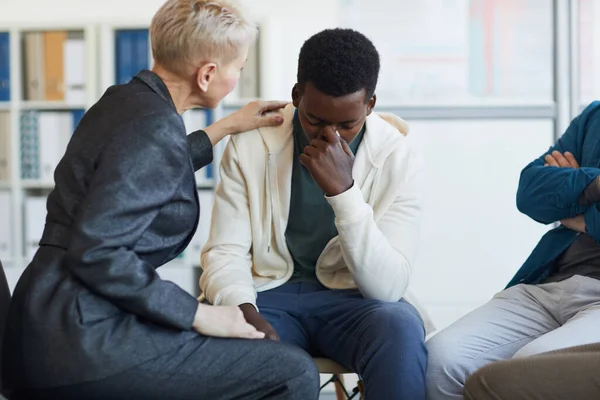
One systematic review on masculinity and mental health found that the biggest barrier to seeking help is the fear of judgment. Reframe help-seeking as strength, or better yet, get rid of the “man up” narrative altogether, and the doors to therapy, men’s groups, or honest talks with friends are wide open. Rabinowitz encourages mixing “being open and vulnerable and compassionate” with “being strong and having strong values.”
7. Building a Balanced Masculinity
Psychologists like Daniel Ellenberg call for integrating toughness with kindness – “strength with heart.” This balanced model lets men hold onto cherished qualities such as perseverance while embracing emotional openness. It is not about giving up one’s masculinity, but rather expanding it to include care, curiosity, and connection.
8. Practical Steps to Reconnect
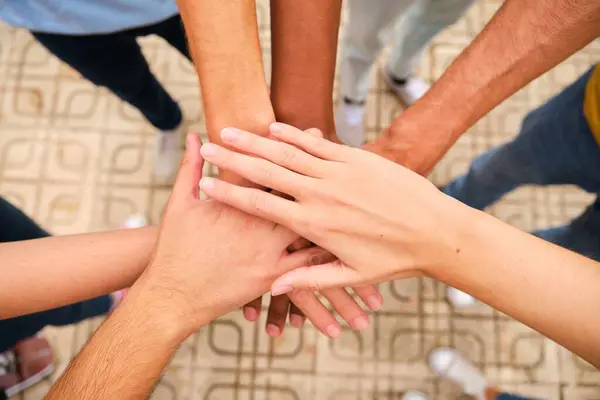
- Start small:
- Get involved in a local sports league or hobby group where you can meet people in low-pressure settings.
- Check in with friends regularly – not just when something is wrong.
- Share one personal feeling in every conversation; practice vulnerability in micro-doses.
- Seek counseling or group programs that normalize emotional expression. – Limit misogynistic influencer exposure, replacing them with a variety of male role models.
9. Why It Matters Social
connectedness is a predictor of longevity and better mental health. While married men may directly benefit from a partner’s reminders and care, single men can build similar support networks through friendships, family ties, and community involvement.
The key is to diversify emotional outlets so one relationship isn’t the sole lifeline. In challenging these restrictive norms, resisting the toxicity of online spaces, and investing in various contacts, isolatedness may be replaced with resilience among single men. The way ahead isn’t to “fix” being single; it’s to construct a life full of trust, openness, and mutual support, either partnered or not.


