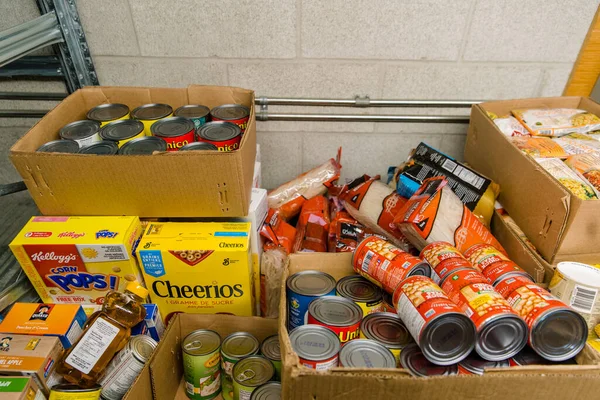
Today, almost 50 million Americans suffer from food insecurity, and more than 13 million of them are children. That means millions of families rely on food banks and pantries just to get by. Yet, despite the generosity of donors, too many well-meaning gifts end up in the trash because they are unsafe, unusable, or simply not what pantries can distribute.
Food banks have strict rules in terms of safety and storage; everything that comes in has to be checked before it ever sees a family’s table. Knowing what *not* to donate is as equally important as knowing what to give. Here’s a guide that breaks down the most common mistakes and how to make sure every contribution truly helps:
1. Perishable Items That Can’t Be Stored
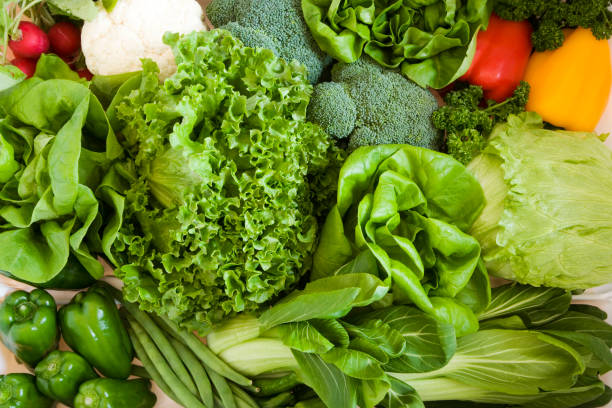
Fresh produce, dairy, meat, and anything that requires refrigeration are some of the most common rejected donations. Many pantries lack the cold storage to keep these foods safe, and breaking the cold chain will lead to spoilage in short order. While individuals can’t donate a bunch of bananas or a frozen turkey, many food banks work directly with farmers, retailers, and restaurants to source perishable goods safely. If you’re making a personal donation, stick to shelf-stable options such as canned proteins, beans, or nut butters.

2. Leftovers and Homemade Foods
Holiday leftovers or homemade baked goods may seem like a thoughtful gesture, but food banks are unable to accept any items prepared within personal kitchens. This is because, without commercial packaging and ingredient verification, these items pose certain risks to safety. Even if prepared with care, they can’t be distributed because pantries must guarantee allergen information and sanitation standards. Consider donating factory-sealed baked goods or packaged snacks that meet shelf-stability requirements.
3. Expired or Outdated Products
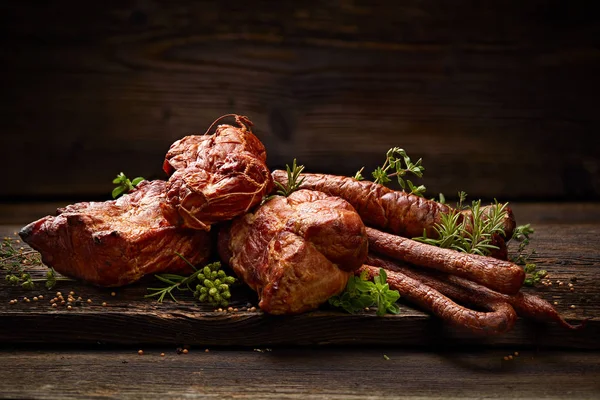
It’s easy to overlook expiration dates on long-lasting pantry staples, but expired items create extra work for volunteers and waste precious space. The U.S. Department of Agriculture recommends that home-canned foods be used within one year, with high-acid foods, such as tomatoes, lasting up to 18 months and low-acid foods, such as meats, lasting up to five years. If you wouldn’t serve it to your own family, don’t donate it-discard it instead.
4. Damaged or Compromised Packaging
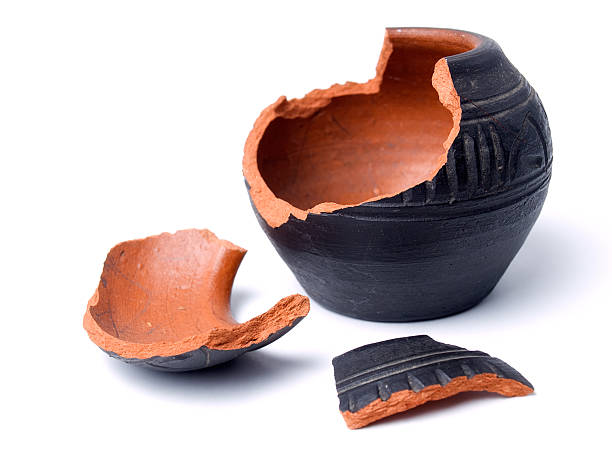
Dented, bulging, or leaking cans, cracked jars, and torn boxes all raise a red flag. Deep dents, particularly along seams, may allow entry of air and moisture, which might permit the growth of Clostridium botulinum, the bacteria that can cause botulism. According to the USDA, “NEVER USE food from containers that show possible botulism warnings.” Even the tiniest amount of this toxin can cause death. If packaging is damaged in any of these ways, discard it rather than risk your health.
5. Glass Containers
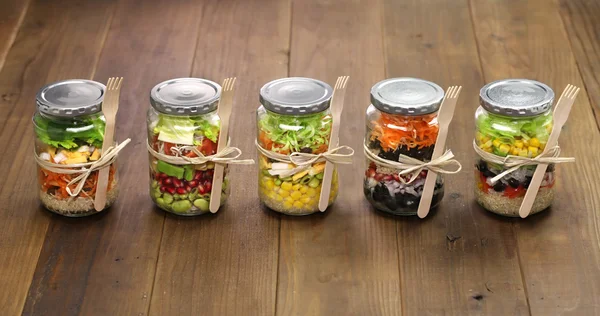
Although glass jars seem sturdy, they can break during transportation or sorting and spill into other foods. For this reason, many food banks do not accept donations that are in glass packaging when not specifically requested. Choose cans, cartons, or plastic containers for safer storage and distribution.

6. Sweetened or Perishable Drinks
Beverages high in sugar, such as sodas and some energy drinks, are seldom permitted; perishable beverages like milk or smoothie cannot be kept in safe conditions. Alcoholic drinks are never permitted. Options that might serve well include bottled water, sealed ground coffee, tea bags, shelf-stable plant-based milk, and 100% fruit juice in nonbreakable containers.

7. Supplements and Medications
Even unopened vitamins or supplements are generally unsuitable for donation because they are not regulated the same way as food, and pantries may lack the ability to verify safety. Instead, focus on nutrient-rich foods-trail mix, tuna pouches, or dried fruit-that deliver the vitamins and minerals through whole ingredients.
8. Non-food items without approval
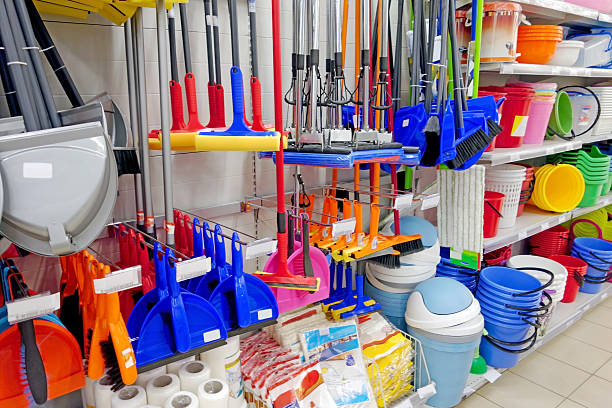
Pantries are set up to provide food, not clothes or pet or household goods, unless they’ve asked for them. Unsolicited non-food donations slow operations and divert resources. If you have other goods to give, seek out a shelter or community drive that’s equipped to handle them.

9. Jumbo Commercial Cans
Large #10 cans-often weighing six pounds-can overwhelm small households and spoil before they’re finished. Food banks prefer family-sized portions that are easy to store and use. Stick with standard-size cans or packages so recipients can enjoy the food without waste. Donating to a food pantry is one of the most powerful means of fighting hunger-but only if the items given are safe, usable, and match what the pantry can distribute.
By avoiding these nine common mistakes, donors can help volunteers work more efficiently, reduce waste, and see that every box or bag delivers real nourishment. Thoughtful giving doesn’t just fill shelves-it fills plates, strengthens communities, and turns generosity into lasting impact.