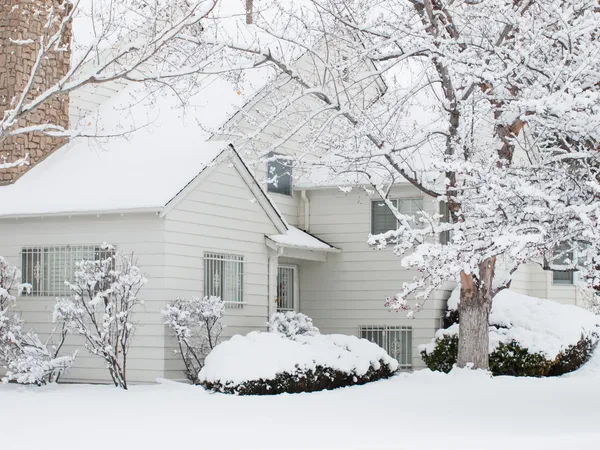
Why do so many households wait until the snow is falling to get ready for winter storms? Viewed out of a window, these events may appear quite peaceful, but when the power cuts or the heat stops, the situation can change fast. Winter storms can challenge a home’s systems, supplies, and safety measures all at once, making preparation far more urgent than many expect.
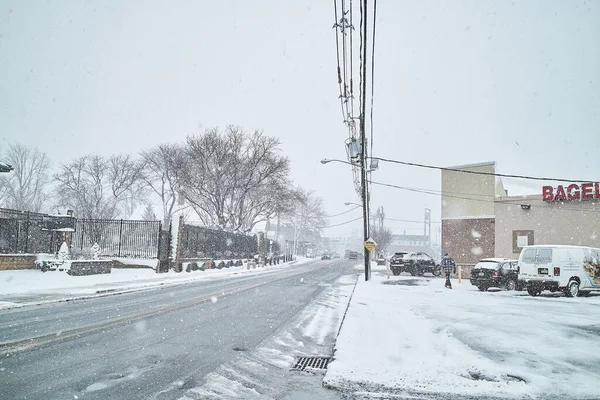
Cold-weather families know that one night without electricity or heat can pose health risks, strain resources, and expose their homes to avoidable risks. The actions you take now give you a powerful edge: warmth, safety, and confidence even during an extended outage.
The following guide breaks down the key actions and smart upgrades that shore up self-sufficiency as the temperatures drop. The following seven topics represent some of the most important decisions a homeowner can make before the first flakes fall.
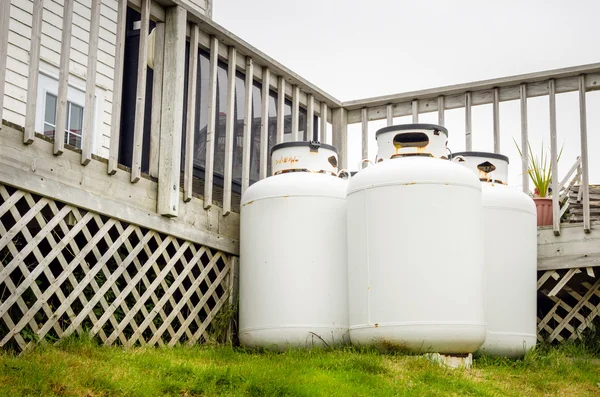
1. Purchase Your Major Heating Fuel Ahead of Time
Topping off tanks in advance of snowfall is crucial for those whose homes depend on propane or other fuels that are delivered. Once snow piles up, delivery trucks often can’t access driveways, and the household may be without heat for days after a delayed refill. By scheduling fuel checks ahead of storms, families have less risk of being left stranded with an empty tank.
Backup heat is important, too. The wood stove, fireplace, or space heater supplies a temporary source of warmth when the primary system goes out. These alternatives work safely only when ventilation is adequate, so homeowners should keep chimneys and vents clear and review manufacturer instructions before firing them up. It’s a small investment of time that ensures that emergency heat won’t create new hazards.
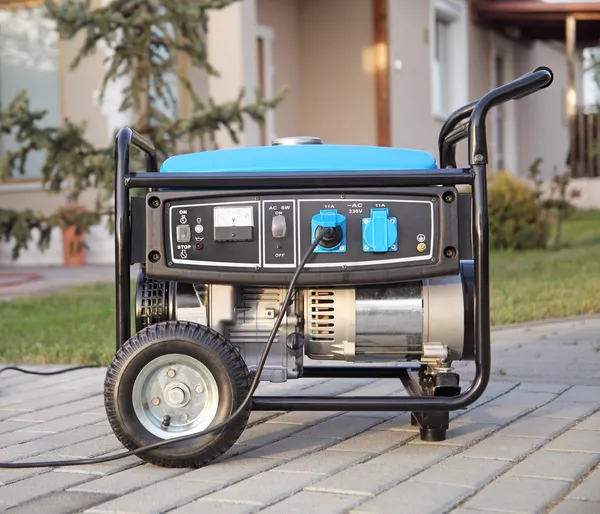
2. Create a Backup Lighting and Power Plan
Flashlights with new batteries remain some of the easiest but most important winter tools. Unlike candles, they do not bring any fire hazard, and they also remain reliable during long outages. Often, many families keep a number of flashlights in easy-to-reach locations to avoid fumbling around in the dark.
A portable generator can also keep key appliances running but requires quite a bit of planning. According to the U.S. Consumer Product Safety Commission, “CO poisoning from gasoline-powered portable generators can be fatal within minutes” (CPSC). Their guidance underlines that generators must run outdoors at least 20 feet away from doors or windows and never in garages or enclosed spaces. Devices certified with CO shut-off technology offer an added layer of protection that makes generator use during storms safer and more predictable.

3. Energy-providing Stock Foods that Require No Cooking
When the power is out, higher priorities include more energy-dense, ready-to-eat foods. Nuts, jerky, dried fruit, and granola bars offer dense calories without refrigeration. And nutrition experts remind families that when it comes to emergency eating, the emphasis is on fuel, not flavor. “In a disaster or an emergency, you want those calories,” Barry Swanson told a national outlet.
Shelf-stable proteins such as canned tuna, chicken, or beans round out emergency meals. Vacuum-packed options also cut down on prep time and negate the need for any can opener. Long-lasting snacks combined with protein-rich staples let families adjust their plans until utilities come back online.

4. Established a supply of water to last many days
When pipes freeze, when pumps shut down, fresh drinking water becomes the number one priority. According to the National Weather Service, disaster kits should contain one gallon of water per person per day for several days – enough for drinking and basic sanitation. Most families find it more convenient to store these supplies in sealed plastic containers to keep them protected.
Sports drinks can also support hydration needs. Drinks with electrolytes offer a helpful boost when stress, physical labor, or limited food intake raise the body’s needs. For families with pets, extra water ensures animals stay safe and comfortable, too.
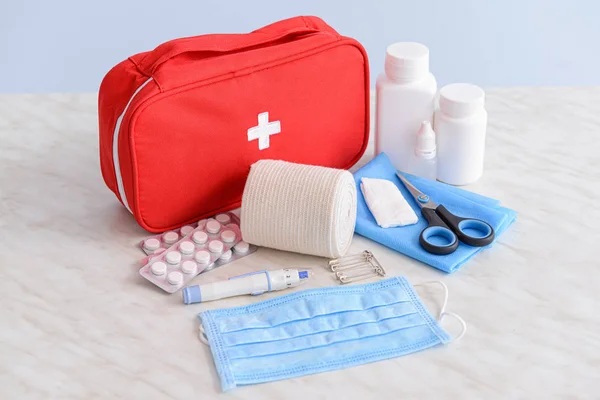
5. Assemble a Thorough Medical and Comfort Kit
A well-stocked medical supply kit helps to provide both routine and emergency needs. The typical kit is filled with bandages, gauze, antiseptics, pain relievers, tweezers, adhesive tape, and a thermometer. Extra prescription drugs are particularly important, as snow and ice may shut down pharmacies for days.
For families with infants and/or pets, the demand for diapers and formula and/or pet food will prevent sudden shortages. Keeping all of these things in one place makes it easier to respond quickly when a storm has arrived.
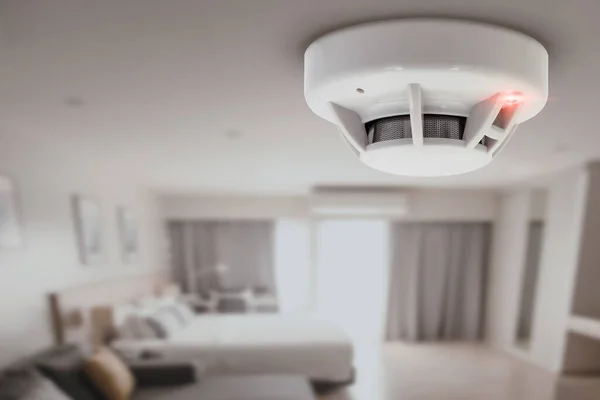
6. Strengthen your home’s safety systems
Fire alarms and smoke detectors are the first defense a house has when it comes to hazards this winter. Monthly testing makes them reliable, especially when fireplaces and space heaters have more frequent use. Carbon monoxide alarms add another layer of safety. “Working smoke and CO alarms save lives,” says the CPSC, which recommends placing them on every level of the home and outside sleeping areas.
Clearing snow from exterior vents can help prevent CO from building up inside the home. Homeowners who use generators should also take precautions to ensure fumes cannot seep into the home through windows or vent openings. These habits of prevention reduce typical cold-season risks.
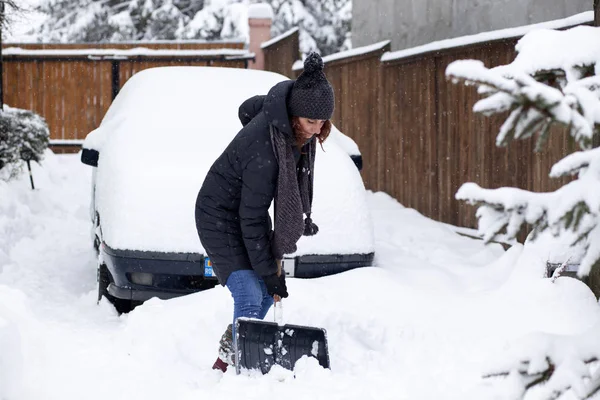
7. Maintain the Equipment That Keeps Your Home Running
Generators, snow shovels, emergency radios, and heating tools work best if serviced in advance. According to the National Weather Service, regular testing is recommended for generators, so keep them stocked up with fresh fuel. Practice runs confirm the equipment will start when it’s truly needed. Only battery-powered and NOAA weather radios receive life-saving updates during an outage, keeping families informed about continuing changes in the weather, road conditions, and the duration of warnings.
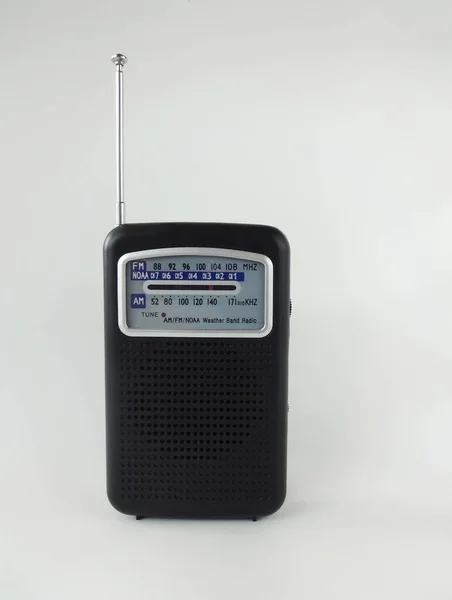
These small devices can be priceless when phone chargers drain and cell towers go down. Preparation for a winter storm is about decreasing uncertainty, in reality. By stockpiling fuel, testing alarms, having extra food and water, and keeping the equipment in good condition, a family can make a home ready to hold strong during long outages with confidence. Small steps now will take a harsh storm and turn it into a manageable interruption, keeping everyone safer until the snow finally melts.