
It may be the most expensive game of musical chairs in history except the music stopped decades ago, and Baby Boomers have been sitting comfortably ever since. According to Federal Reserve data, they hold more than $85 trillion in assets, over half of the nation’s wealth, despite making up less than 20% of the U.S. population. Millennials and Gen Z together account for 42% of the population but control only about 10% of the wealth.
1. Once-in-a-Lifetime Economic Setup
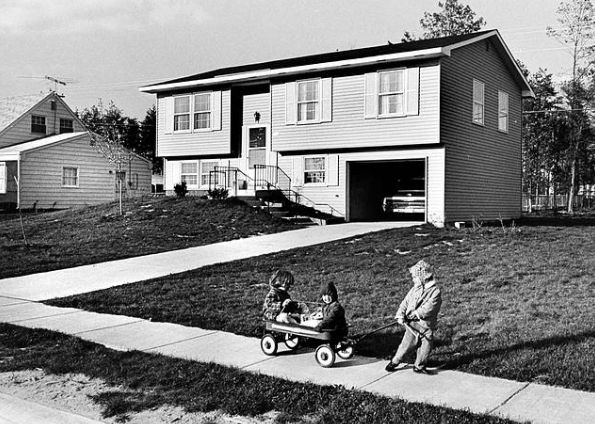
Experts all agree: the Boomer advantage was baked in early. “They bought homes when an ordinary salary could cover the mortgage on a modest house without turning every month into a financial siege,” says CPA and attorney Chad D. Cummings. Those mortgages were locked in, then followed by decades of surging home prices and falling interest rates. NYU professor Edward Wolff adds that many also began investing in stocks before major market booms, compounding their gains over time. Allianz research shows that under identical savings habits, Boomers enjoyed average annual returns of 9.1%, compared with just 6.5% for Millennials.

2. Housing: From Stepping Stone to Fortress
Boomers own an estimated $18–$19 trillion in U.S. real estate. Many are aging in place, holding onto sub-3% mortgage rates and low property taxes. “This limits supply for younger buyers, pushes prices even higher, and has contributed to the rising median age of first-time homebuyers,” says Aaron Buchbinder of Compass. The National Association of Realtors reports that the median age of first-time buyers has jumped from 28 in 1991 to 40 in 2025, while the share of first-time buyers has fallen to a record-low 21%.

3. Policy and the NIMBY Effect
Jake Krimmel, a senior economist at Realtor.com, refers to decades of restrictive zoning and “Not In My Backyard” policies. “They’ve built their wealth in part on housing and then supported policies making it more difficult to build new housing,” he says. The result: a chronic shortage that inflates existing property values and locks out younger generations.

4. Structural Disadvantages for Younger Generations
Instead, Millennials and Gen Z have a stacked deck: high housing costs, stagnant wages, and unprecedented debt burdens. According to the U.S. Department of the Treasury, Americans now need to make about $141,000 a year to afford a median-priced home-about twice the average salary. Student-loan debt has increased ninefold since 1989; 40 percent of young adults carry balances. The cost of child care and health care has increased way faster than incomes, eroding the financial breathing room that allowed Boomers to save and invest early.

5. Delayed Milestones Take a Psychological Toll
Economic headwinds have reshaped the pathways of life. Many younger adults delay marriage, children, and buying a home-not by choice, but owing to their financial constraints. Federal data indicate that, from 1989 to 2019, median household wealth for 25-39-year-olds was flat, spiking during the pandemic recovery. But non-housing debt remains high, and the stress is palpable: 74% of Millennials report that they feel financially stressed, according to the Investopedia Financial Literacy Survey.

6. Coping Strategies in a Constrained Market
Younger purchasers are making pragmatic adjustments. Housing analysts suggest focusing on more affordable, often-overlooked markets, considering shared equity or co-buying and using any available first-time buyer assistance programs. For those who aren’t ready to buy just yet, aggressive debt reduction, maintaining high savings rates, and investing early-even small amounts-can help make up for lost time in compounding.

7. The Great Wealth Transfer and Its Limits
In fact, over the next two decades, Boomers are expected to pass on $90 trillion in what will be the largest intergenerational wealth transfer in history. While that could narrow the gap for some, experts caution it is not a structural fix. Estate taxes, delayed timing due to longer life expectancies, and unequal distribution mean many will see little or no benefit. “It might narrow the gap for some, but… it isn’t a structural solution to the lack of fairness and opportunity we see in the economy,” says Columbia Business School’s Rita McGrath.

8. Managing Financial Anxiety
Financial planners say the best way to cut down stress is to separate personal progress from generational comparisons. Creating an emergency fund, automating savings, and setting realistic goals in small increments can restore a sense of control. “It challenges them to question what’s in line with their current values,” says Kevin Mahoney, CFP.

Mental health professionals also say the emotional side of money needs to be talked about-the taboo around discussing financial stress is a hindrance to resilience. This chasm between Boomers’ entrenched wealth and younger generations’ uphill climb is the product of decades of economic, policy, and demographic forces. While the scale of the imbalance can be overwhelming, understanding its roots-and adopting targeted strategies-offers a path forward, even in a game where the rules were written long before many of the players arrived.