
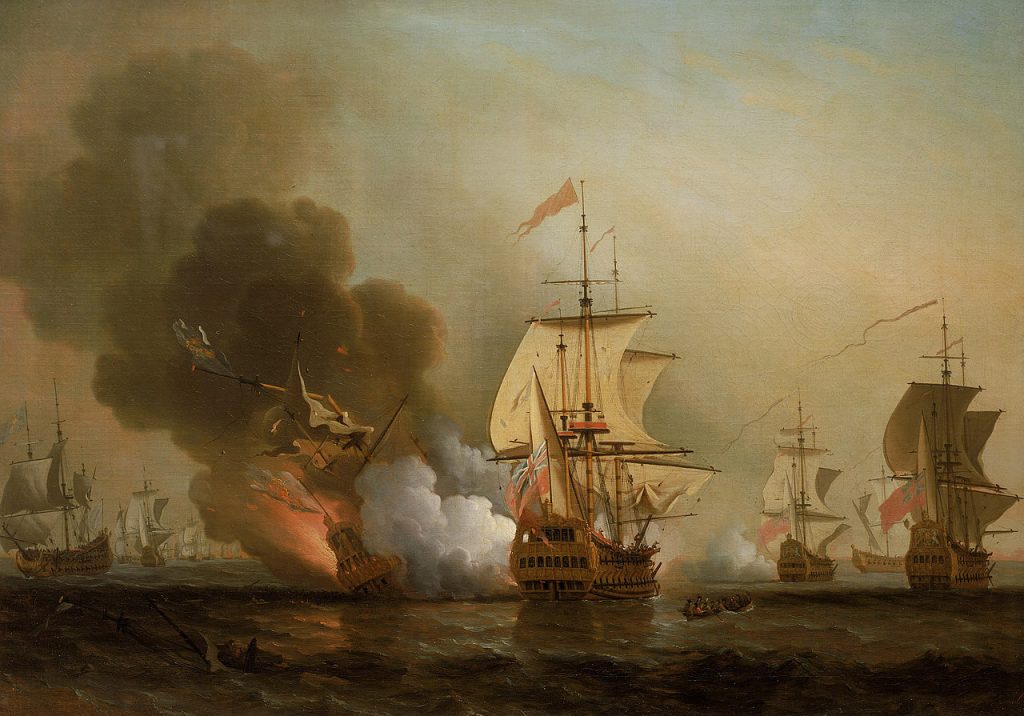
For more than three centuries, the San José galleon lay shrouded in mystery beneath the Caribbean Sea, its cargo whispered about in the same breath as legends. Now, in a moment that has electrified maritime historians and treasure lore enthusiasts alike, the first artifacts have been brought to the surface marking the opening chapter of a recovery effort unlike any in modern archaeology.
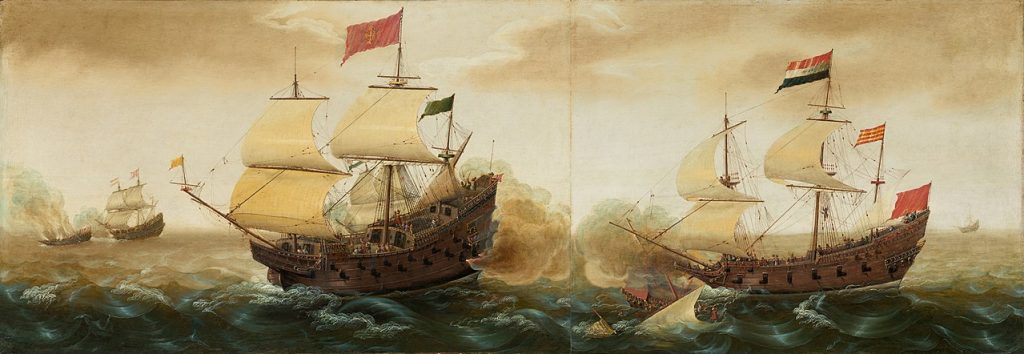
1. A Ship Born of War and Wealth
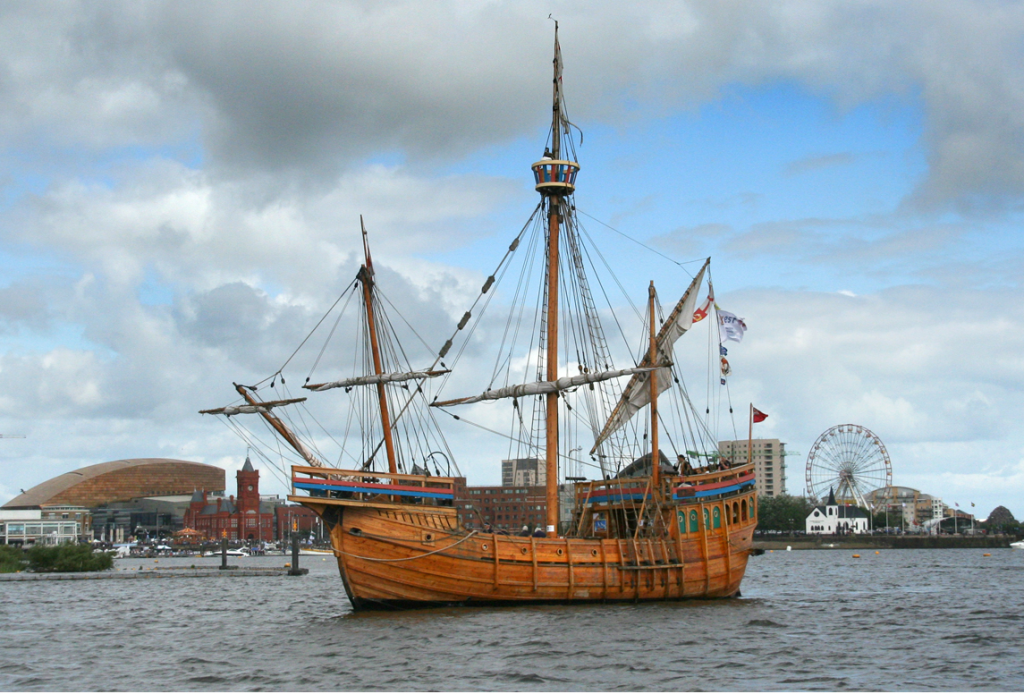
Launched in 1698 from San Sebastián in Spain’s Basque Country, the San José was a 64‑gun, three‑masted galleon, its decks bristling with ordnance to protect an extraordinary cargo. The vessel was drawn into the War of the Spanish Succession, a conflict that was as much about controlling lucrative Atlantic trade routes as it was about royal succession. On June 8, 1708, anchored off Isla de Barú near Cartagena, the San José faced down Britain’s largest warship in the Caribbean. An explosion tore through its hull, sending all but 11 of its 600 passengers and crew to the depths along with an estimated 11 million gold and silver coins, emeralds, and other treasures.
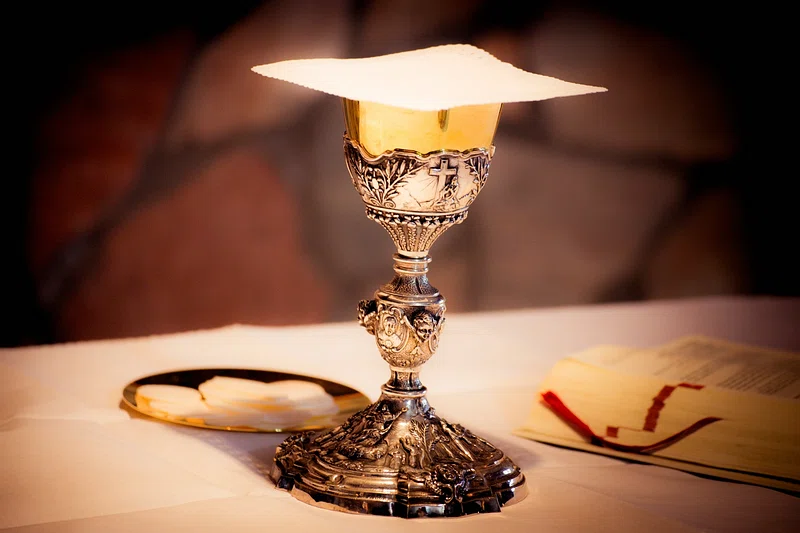
2. First Glimpse of the ‘Holy Grail’
Now, Colombia’s culture ministry has confirmed the recovery of a porcelain cup, three coins and a remarkably well-preserved bronze cannon from almost 2,000 feet below the surface. President Gustavo Petro was photographed examining the cannon, a relic that has survived centuries thanks to the cold, low‑oxygen environment of the deep sea. These items, though modest compared to the ship’s full cargo, are invaluable clues to the galleon’s story and the lives aboard.
3. Secrets Preserved by the Deep
Similar to the recently identified Camarat 4 shipwreck off France, the San José’s resting place enjoys natural preservation. At depths approaching 600 meters, artifacts remain untouched by currents, looters, and biological decay. This condition enables archaeologists to study objects in near‑original condition and offers rare insights into craftsmanship, trade, and daily life during the colonial era.
4. Technology Unlocking the Past
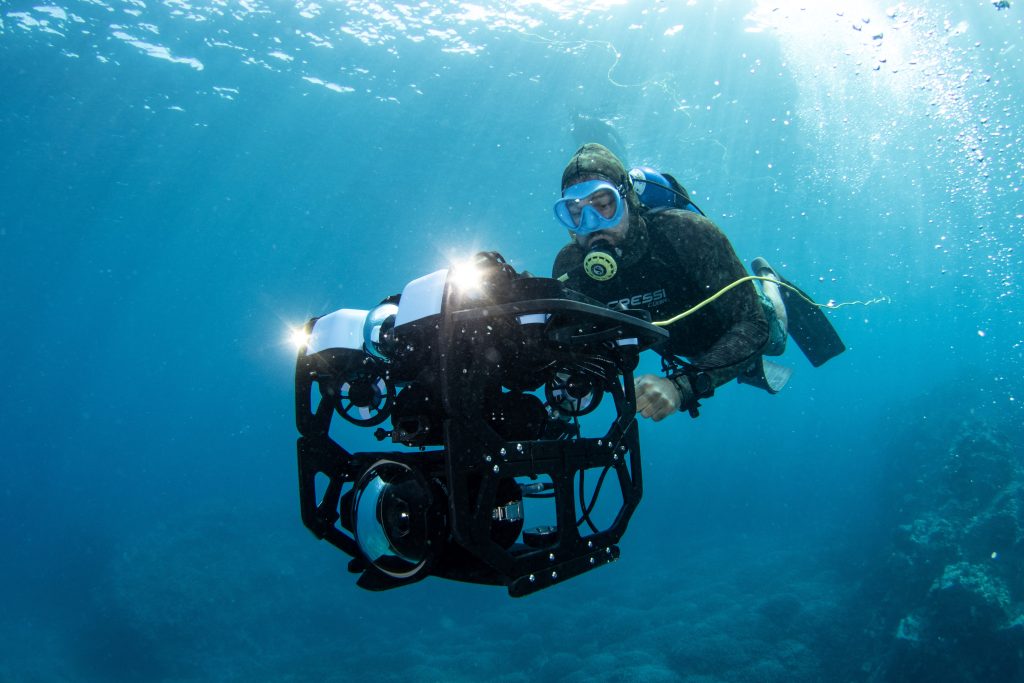
This recovery was made possible by Colombia’s state-of-the-art deep-sea robotic system, acquired in 2021. It can plunge almost 4,900 feet into the ocean and is guided by high-resolution cameras and satellite-linked positioning. In other remarkable identifications, techniques of this kind were used in the final identification of Captain James Cook’s HMS Endeavor after a 26-year program of archival and archaeological research. Such tools continue to redefine the practice of maritime archaeology by allowing researchers to visit sites previously considered unreachable.
5. A Legal Maelstrom
Treasure related to the San José has sparked disputes between Colombia, Spain, the U.S. salvage company Sea Search Armada, and indigenous groups in Bolivia and Peru. According to Sea Search Armada, they located the wreck in 1982 and are therefore entitled to $10 billion-half the estimated value of the treasure. Spain claims the wreck as state property, but representatives of the Qhara Qhara people claim that the gold and silver were mined from their lands under colonial exploitation. “This cargo belongs to our people They owe us that debt,” says Samuel Flores of the Qhara Qhara.
6. Science Over Gold
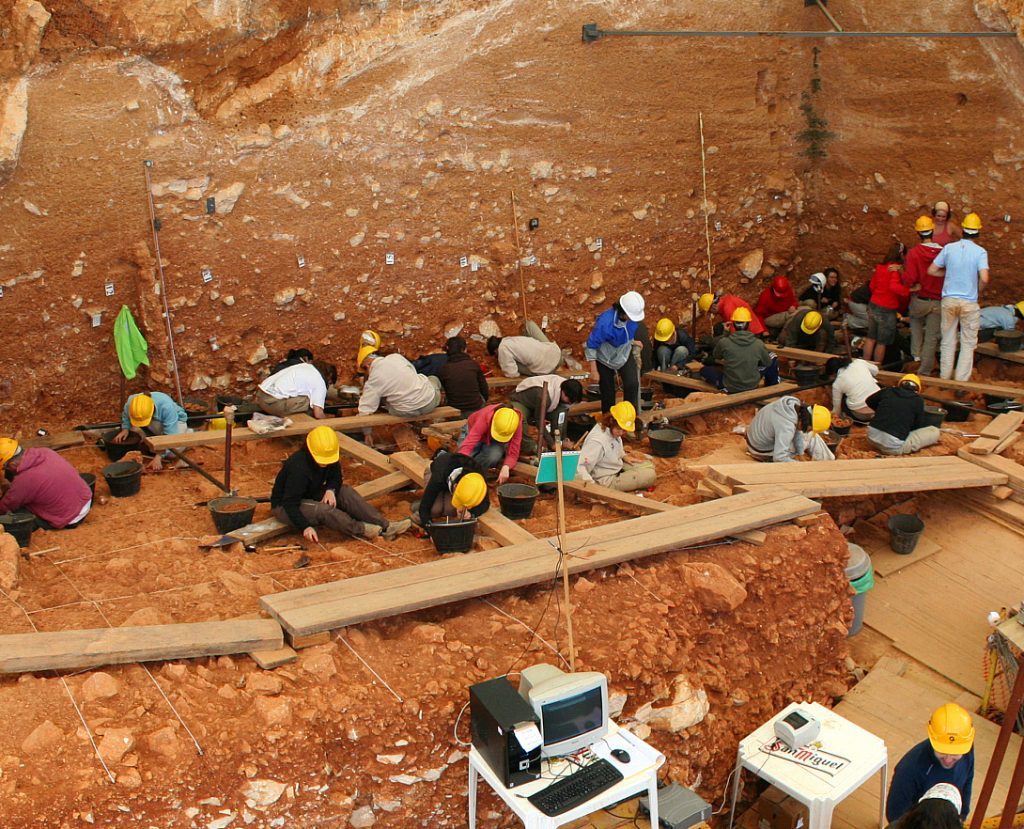
The government of Colombia insists that the purpose of the expedition is for research, not for treasure hunting. According to Minister of Culture Juan David Correa, “History is the treasure,” adding that patrimonial value is superior to commercial appeal. Archaeologists warn that removals without context reduce artifacts to valueless items. As Mexican deep‑sea diver Rodrigo Pacheco Ruiz elaborates, “If you just go down and take lots of artefacts there is no ‘why was this on board? Who was the owner?’ – the human story behind it.”
7. Global Context of Maritime Discoveries
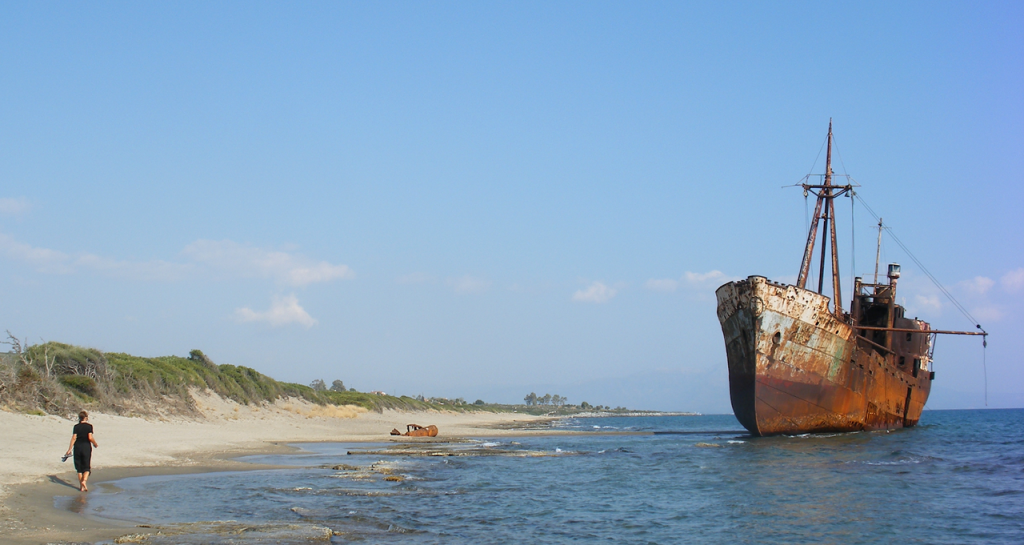
The recovery of the San José joins a wave of high-profile maritime finds in 2025, from the deepest-recorded shipwreck in French waters to the definitive identification of the HMS Endeavour. Each makes clear the role that scrupulous research, technological innovation, and international collaboration have played in unlocking the ocean’s secrets.
8. Cultural Wealth Below the Waves
To historians like Ann Coats, its worth in billions is less significant than what the San José can say about the people who built it, sailed it, and went down with it. Surviving timbers, personal artifacts, and the configuration of the ship itself could speak to social stratification, the state of craftsmanship, and even how ill-defined was the line separating mercantile and naval vessels in the early 18th century. “The importance of the San José is not about financial wealth it’s about cultural wealth,” affirms Coats.
The porcelain cup, coins, and cannon that are now in conservation mark only the beginning of what promises to be one of the most important maritime archaeological projects of the century. As the San José slowly yields its secrets, it invites the world to look beyond the glitter of gold to the human stories enshrined in its timbers and cargo, stories preserved by the sea for more than 300 years.


