
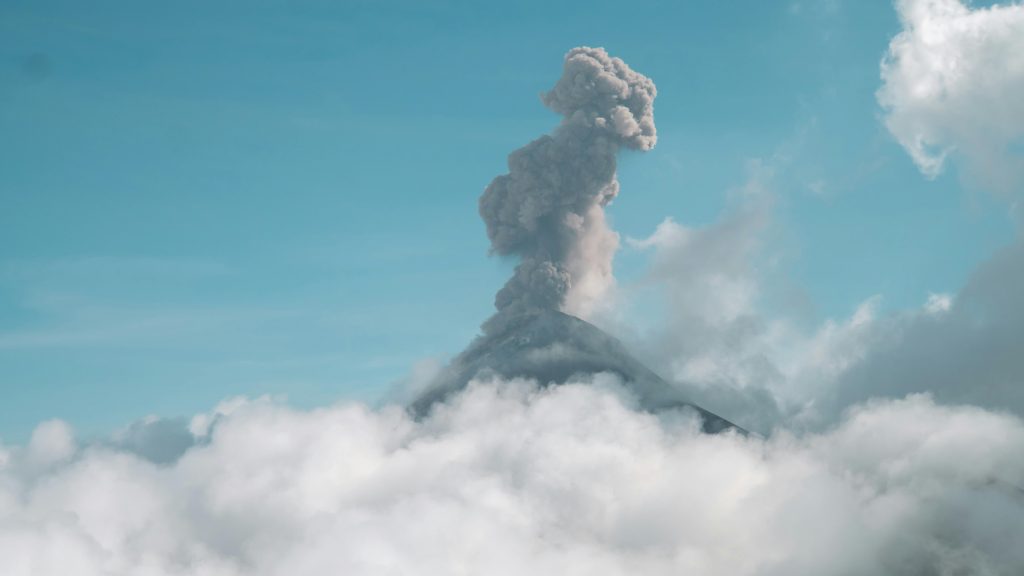
It’s a day when the Earth reminds humanity just how little it knows about its ancient, erratic rhythms. In the Afar region of Ethiopia, the Hayli Gubbi volcano erupted for the first time in roughly 12,000 years-a geological wake-up so rare that scientists and residents alike are struggling to put its scale into words. The event, which one resident called “like a sudden bomb had been thrown with smoke and ash,” has left villages cloaked in grey dust, disrupted international air travel, and stirred a global scientific scramble.
1. A Geological Giant Awakens
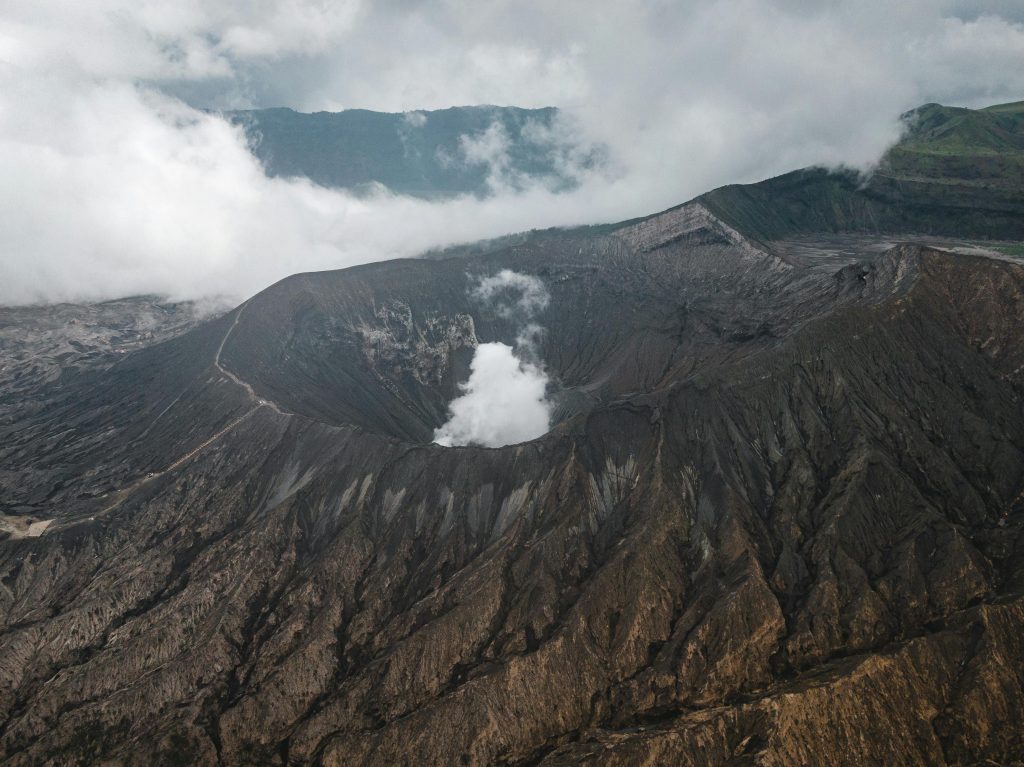
Hayli Gubbi is a shield volcano rising about 500 metres above the surrounding plain, situated in the East African Rift Zone, where the African and Arabian tectonic plates are slowly pulling apart. Geological records have no confirmed eruptions within the Holocene epoch to date, at the end of the last Ice Age. Simon Carn, a volcanologist, verified that “Hayli Gubbi has no record of Holocene eruptions.” This makes Sunday’s event not only historically significant but also a rare opportunity to study a volcano that has been silent for millennia.
2. The Science Behind Dormancy
Volcanoes can remain dormant for thousands of years yet can still erupt when the conditions are right. According to volcanologist Arianna Soldati, as tectonic plates slowly diverge, the crust thins and hot mantle rock rises into it, melting into magma. “So long as there are still the conditions for magma to form, a volcano can still have an eruption even if it hasn’t had one in 1,000 years, 10,000 years,” she says. In July, neighboring Erta Ale erupted, and satellite data revealed magma intrusion beneath Hayli Gubbi, hinting at the forces building below.
3. The Ash Cloud Around the World
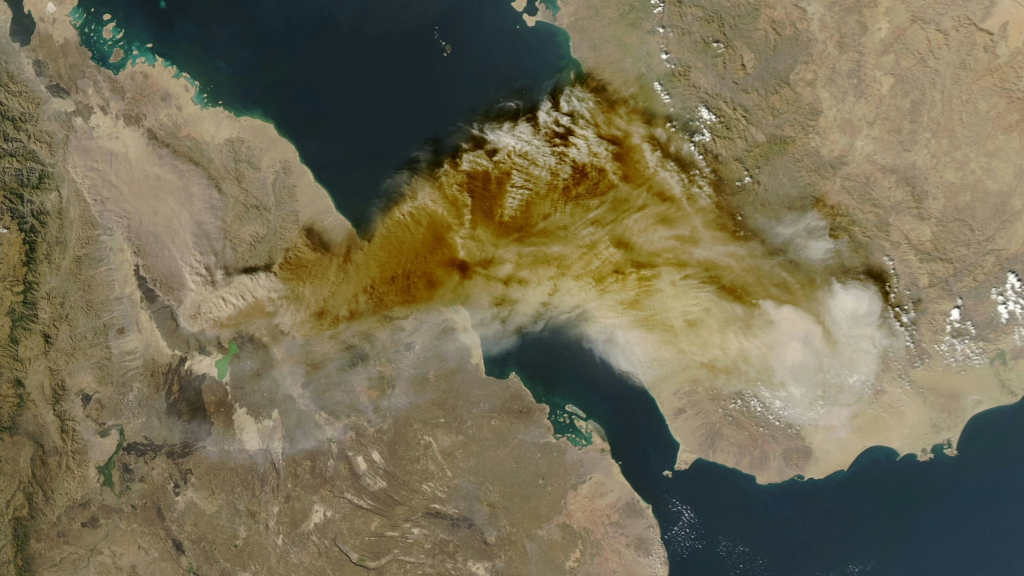
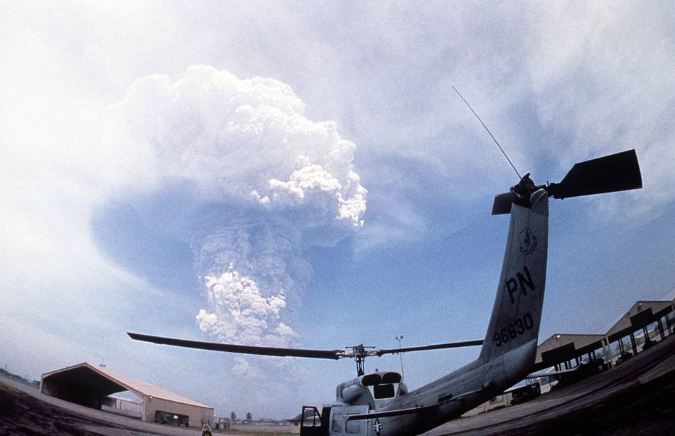
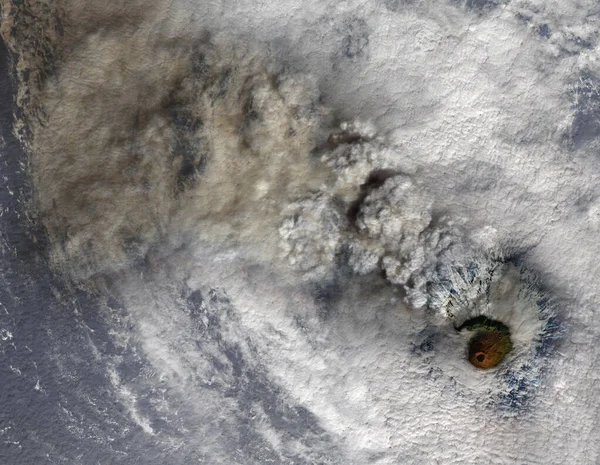
The eruption threw ash nearly nine miles into the atmosphere, where it entered the subtropical jet stream. That fast-moving air current swept the plume over Yemen, Oman, India, and Pakistan, before drifting toward China. The Toulouse Volcanic Ash Advisory Centre tracked the plume’s rapid spread, and research on volcanic plumes shows how wind patterns at the boundary between the troposphere and stratosphere can dictate dispersal over vast distances.
4. Aviation Disruption
Volcanic ash is a serious threat to aircraft since abrasive particles may cause engine damage and contaminate runways. Airlines such as Air India, Akasa Air, IndiGo, and KLM canceled flights, with Air India confirming at least 11 cancellations within two days. The Indian Directorate General of Civil Aviation issued advisories to avoid affected altitudes and carry out precautionary checks on aircraft. Pakistan’s meteorological service reported ash south of Gwadar, while Oman’s Environment Authority paid close attention to potential impacts on air quality.
5. Local Livelihoods Under Threat
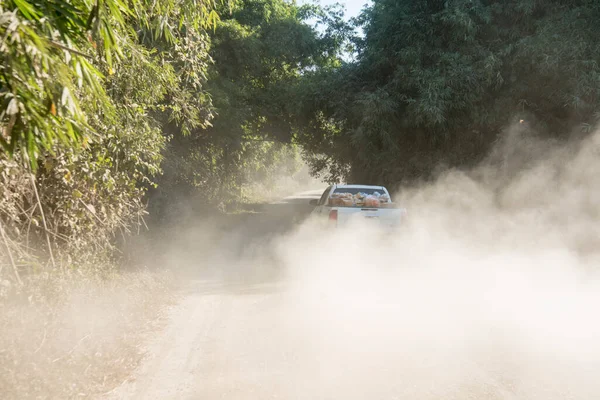
In Afar, most residents are livestock herders dependent upon grazing lands now buried under ash. Mohammed Seid, a local administrator, warned: “Many villages have been covered in ash, and as a result, their animals have little to eat.” Thus far, no human or livestock deaths have been reported; the economic implications are nevertheless grave. Ash can reduce forage quality, contaminate water sources, and force herders to move further afield for sustenance, straining already fragile livelihoods.
6. Psychological Impact and Coping
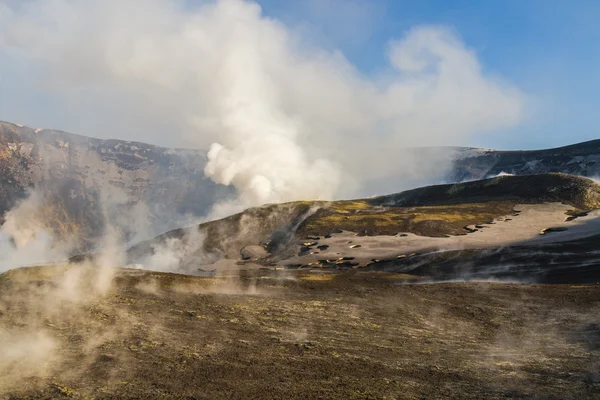
Sudden natural disasters can elicit anxiety well outside the danger zone. Experts recommend limiting the amount of disturbing images one watches, gathering updates from reliable sources only, and focusing on actionable steps that can be taken donating to relief efforts or scientific research. Staying connected to the community and engaging in grounding activities can help counter feelings of helplessness that such events may provoke.
7. A Rare Eruption in Context
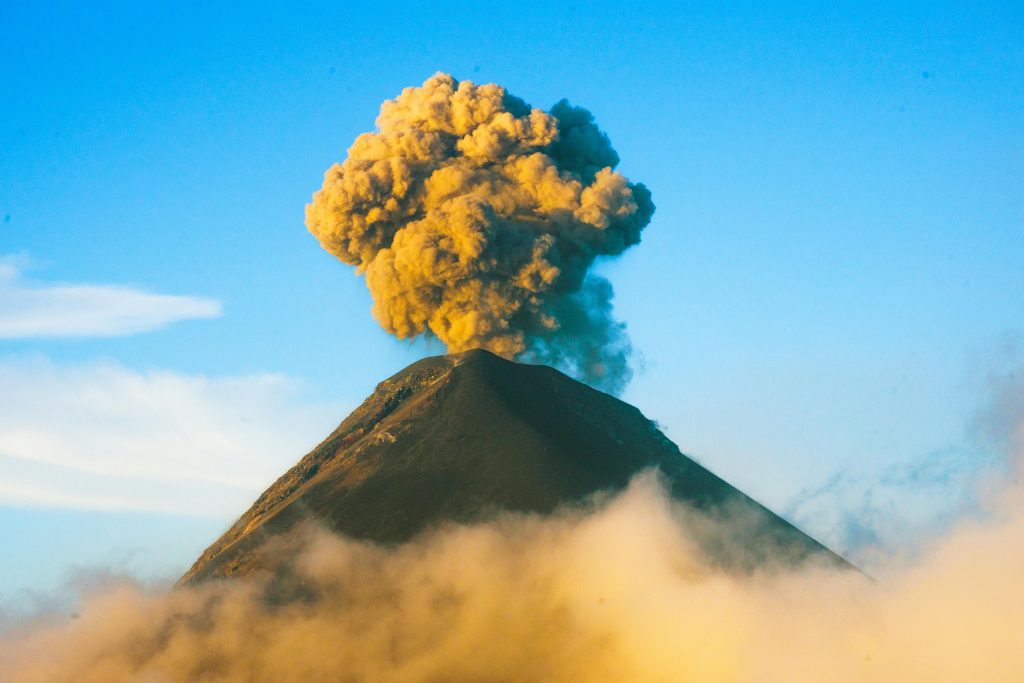
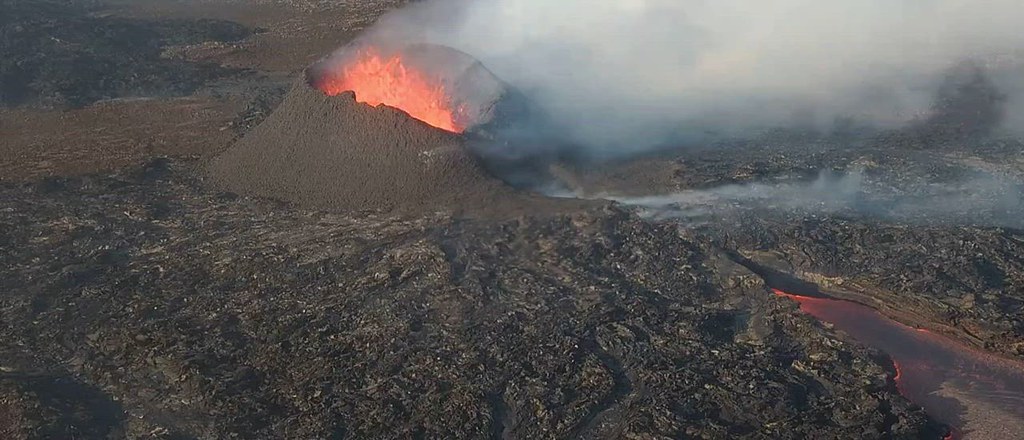
Shield volcanoes of its type, like Hayli Gubbi, usually give rise to slow lava flows rather than towering ash columns. “To see a big eruption column, like a big umbrella cloud, is really rare in this area,” says earth scientist Juliet Biggs. The magnitude of the eruption brings to mind other disruptive events, such as Iceland’s Eyjafjallajökull back in 2010, which shut down European airspace for days. Yet unlike that glacial eruption, Hayli Gubbi’s remote location has spared dense populations from direct harm.
8. Scientific Opportunity
For scientists, the eruptions have presented a rare opportunity to gather ash samples and investigate the magma composition-a potential window into whether Hayli Gubbi was truly dormant for 12,000 years, or whether it experienced smaller, unrecorded activity. “It really just shows how understudied this region is,” Biggs says. Improvements in satellite monitoring, along with initiatives like VHub, are allowing scientists to better forecast eruptions and track ash dispersal, reducing future hazards for aviation and nearby communities.
The Afar ash still settles; herders weigh their next move. The skies clear over the continents, and flights resume. But the memory of this eruption a loud, thunderous reminder of Earth’s deep time will linger, both as a cautionary tale and as a catalyst for deeper understanding of the forces beneath our feet.


