
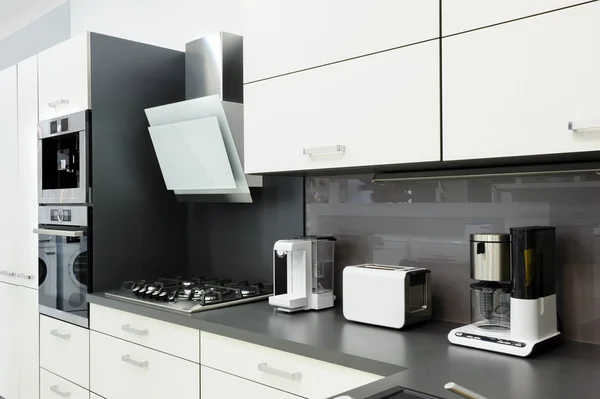
“However, heating equipment represents almost 12% of all reported home fires,” declares the NFPA Research Division. Such a grim percentage is a stark reminder that some often indiscriminately left plugged appliances can pose a severe threat. Although some appliances such as refrigerators and electronic devices run all day long, most other appliances do not.
However, safety-oriented home or apartment dwellers will know that unplugging some household appliances when not in use is one of the most effective ways of eliminating fire risks. Apart from conserving energy, this practice helps avoid electrical breakdowns, overheating, as well as accidents.
Check out this list of household devices that experts recommend unplugging from their outlets when not in use, along with the dangers associated with them:
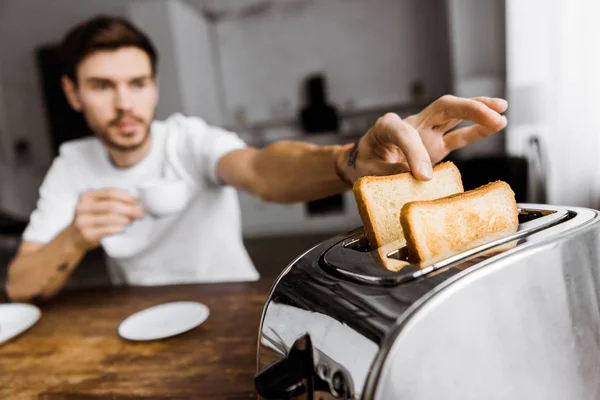
1. Toasters: Crumb Build-Up Can Generate Fires
Toasters may appear very basic, but their heating coils will accumulate dried crumbs of bread as well as oil residue. Such material may suddenly catch fire, most probably if the toaster remains plugged in despite being accidentally turned on.
Fire protection authorities recommend unplugging the toaster once you’re done with its use. This will not only prevent accidental starting, but excess electrical surge may also cause the internal parts of the toaster to heat up. Storing the cable tidily, away from the edge of the counter, will prevent accidental starting.

2. Air Fryers: Maintaining Cleanliness And Caution
Air fryers, however, gained popularity rapidly, but their cleanliness requires utmost attention. Food residue may clog the heating coils, causing them to catch fire if cleaning isn’t done regularly. It is recommended that the basket be washed every time it is used, along with cleaning the coils every month.
Recent product recalls of some air fryers demonstrate the necessity of unplugging them if they will not be used. Overheating may occur as a result of a power surge or bad wiring. It is recommended that air fryers be plugged into a wall outlet, that they be on their own circuit, and that they be kept in well-ventilated areas.

3. Hair Heat Tools: Double Threat of Fire & Shock
Styling devices such as curling irons, straighteners, and others can attain temperatures in mere minutes. Even with their shut off capabilities, such devices may still trigger fire from nearby combustible materials if left unattended. Unplugging them right after use will prevent this.
Given that the usage of such devices is usually near sinks as well as bathtubs, they also pose the danger of electrocution. According to the U.S. Consumer Product Safety Commission, “It doesn’t matter if the dryer’s switch is on or off. If the dryer is plugged in, the water may be electrified.”
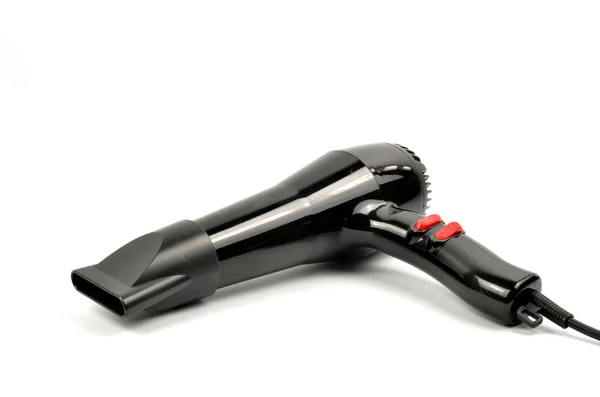
4. Hair Dryers: Respect Water Electricity
Contemporary hair dryers come with ALCI plugs, which shut off the power within milliseconds of a problem occurring, but they’re not foolproof. However, bathrooms present a high-risk zone, where water contacts can quickly happen. Utilizing GFCI protected receptacles provides a second layer of protection.
Do not leave a hair dryer plugged in near water sources. Keep your hair dryer in a safe, dry place. If your hair dryer accidentally falls into water, unplug the product carefully before picking it up. According to the CPSC, good practices along with designed safety elements significantly lowered the rate of electrocutions.
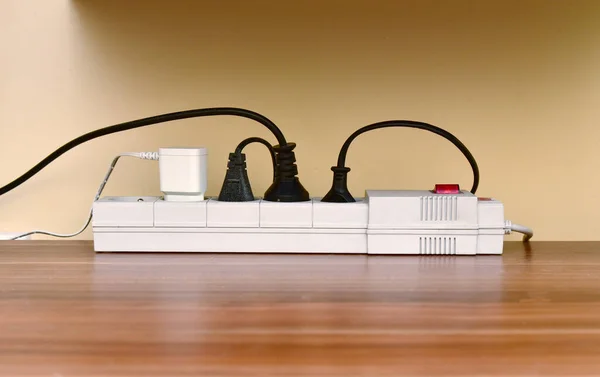
5. Charging Cords: Hidden Energy Drain & Heat Dangers
Although chargers left plugged into a wall outlet with nothing plugged into them may appear harmless, this can cause the charger’s lifespan to be reduced or, in some instances, the charger may even overheat. Worn-out cables may spark or melt, causing a fire hazard.
To enhance the lifespan of the chargers, as well as limit unnecessary consumption of power, the chargers should be unplugged from use once they are not in use. Also, cables should not be placed under rugs or pieces of furniture.
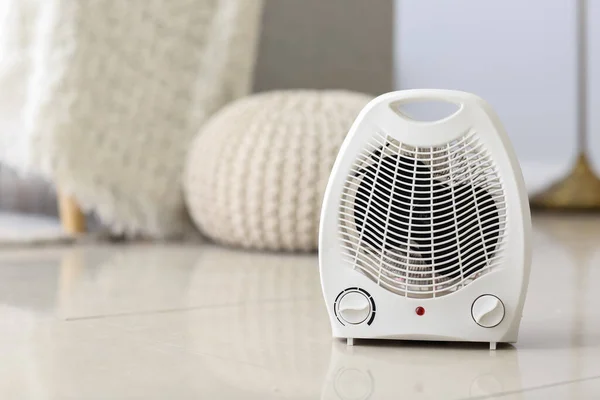
6. Space Heaters: Leading Cause of Heating-Related Fires
portable space heaters account for approximately 29% of heater fires, as well as a staggering 77% of heater-related deaths. Unfortunately, even the newest space heaters that feature tip-over sensors as well as thermal shut-offs can pose a danger if plugged in unattended.
NFPA recommends keeping heaters at least three feet away from any combustible material and plugging them directly into wall outlets. You must never run them while you sleep or absent from the room. Unplug them if they will not be used.
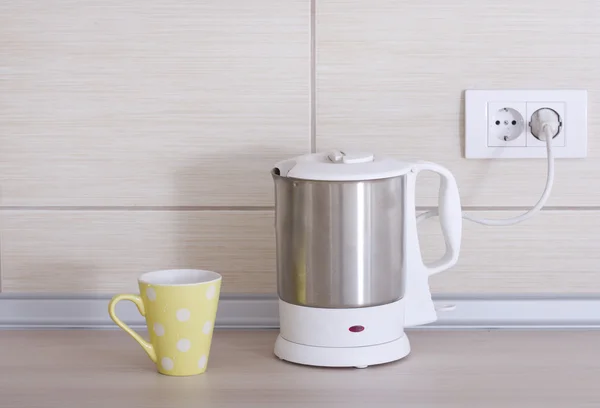
7. Electric Kettles: Overheating Can Be Deadly
Although kettles feature thermostats and safety switches, breakdowns may happen, particularly if the kettle is empty or if the lid is open. Once, a kettle that was left on for weeks was the cause of a fatal fire.
It is recommended that the use of kettles be carried out in the presence of a person who can monitor them. Turning them off from the socket or unplugging them after use will prevent them from being accidentally turned on as a result of cleaning or movement.
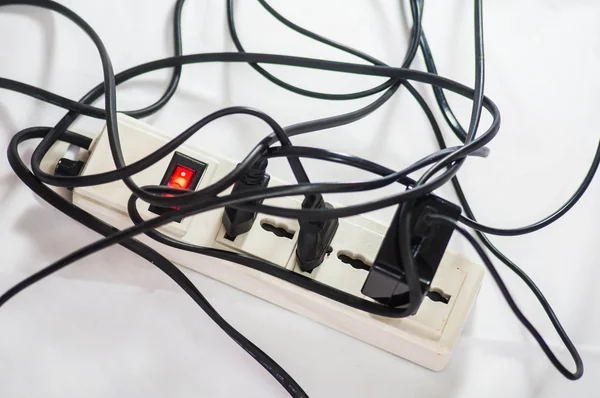
8. Extension Cords with Appliances: A Risk Multiplier
Several household appliances, particularly heating devices, use a large amount of current.Connecting such devices to extension cords, surge protectors, or outlet extenders adds more resistance to the circuit, thus resulting in overheating, fire, and so on.
There is always a recommendation from manufacturers that devices such as air fryers, space heaters, and kettles be plugged directly into wall outlets. If the cord is not lengthy enough, move the device, do not increase the number of electrical pathways.

9. Standby Small Appliances: Encourage the Practice of Unplugging
Whether its blender, coffee maker, or any other household device that incorporates a heat source or motor, any of these appliances may overheat if a problem arises while they are still plugged into their power source. According to the CPSC’s home electrical safety tips found in their “Home Electrical Safety Checklist” page, all household appliances that are used in kitchens and bathrooms must be unplugged from their electricity sources once not Creating a quick visual check list before heading out the door may prevent missing plugs.
This practice, in addition to providing greater home safety, will also prevent phantom energy usage. Preventing home fires is a case of taking many small steps. Turning off ‘at risk’ appliances that are not being used is a habit that costs mere seconds, but the cost of neglect can be disastrous. By incorporating this into their cleaning, storing, as well as following the instructions from the manufacturers, people can provide a safe space for their living.


