
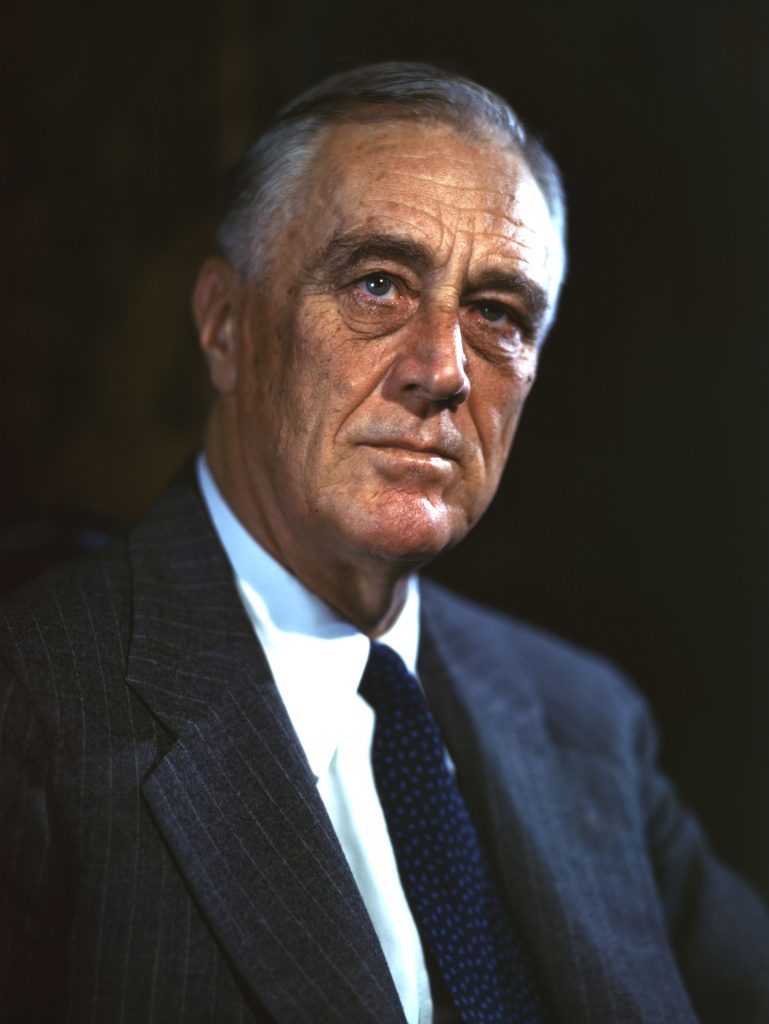
What if the Commander-in-Chief didn’t soar through the skies, but instead rolled across the rails? Before the sleek Boeing 747s of today’s Air Force One, U.S. presidents traveled in an 84-foot-long fortress on wheels: the Ferdinand Magellan. Dubbed U.S. Car No. 1, this luxury Pullman railcar served as a mobile White House from 1943 to 1954, carrying Franklin D. Roosevelt, Harry Truman, and Dwight Eisenhower across the nation.
Its story weaves wartime ingenuity, political theater, and the romance of rail travel. Outfitted with armor, bulletproof glass, and escape hatches, the Magellan was as much a security marvel as it was a symbol of presidential accessibility. From Roosevelt’s slow, deliberate journeys to Truman’s high-speed campaign blitz, this train car saw moments that made American history.
The following nine surprising facts about presidential trains show how leaders once ruled, electioneered, and reached out to the public prior to the jet age.
1. Wartime Birth of a Rolling White House
In December 1942, the Ferdinand Magellan was gifted to President Franklin D. Roosevelt by the Pullman Company, rebuilt at the request of the U.S. Secret Service. Security concerns during World War II required much more than comfort-the car was encased in more than half an inch of nickel-steel armor, fitted with 3-inch-thick bulletproof glass, and reinforced against sabotage. Roosevelt’s polio meant the interior was redesigned for wheelchair accessibility, including wider passageways and a special narrow-framed chair. Two escape hatches were installed, ensuring the president could get out quickly if danger struck.

2. The Heaviest Railcar in U.S. History
The refurbished Magellan weighed an astonishing 285,000 pounds heavier than battle tanks today. Armor plating, reinforced undercarriage, and the addition of security modifications increased its mass. The rear door itself weighs 1,500 pounds and was offset with precision hinges. With its incredible weight, the presidential train often needed two locomotives in forward motion, especially when accompanied by staff, communications, and medical cars.
3. Roosevelt’s Measured Pace
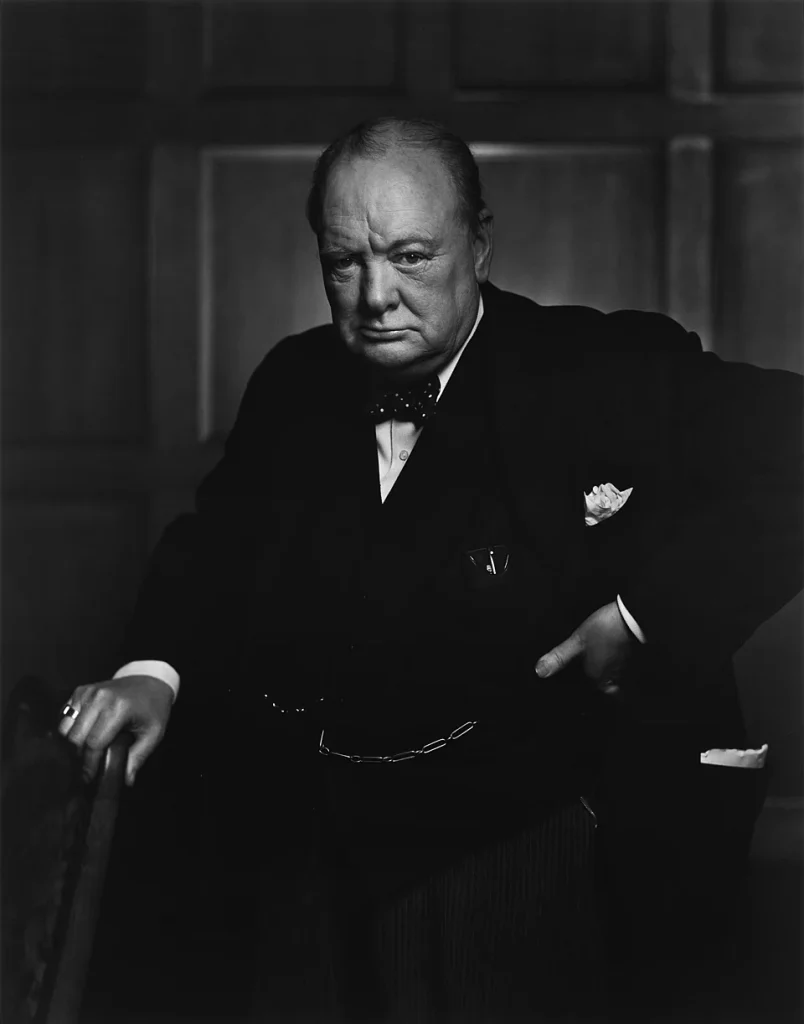
Roosevelt liked to travel at no more than 35 miles per hour, a pace that reduced jolts to his wheelchair and allowed for heightened security. He used the Magellan for both official duties and personal trips, racking up more than 50,000 miles during his presidency. The guests who traveled aboard with him included Winston Churchill, who joined Roosevelt aboard the train in 1946 before delivering his famous Iron Curtain speech.
4. Truman’s Whistle-Stop Triumph
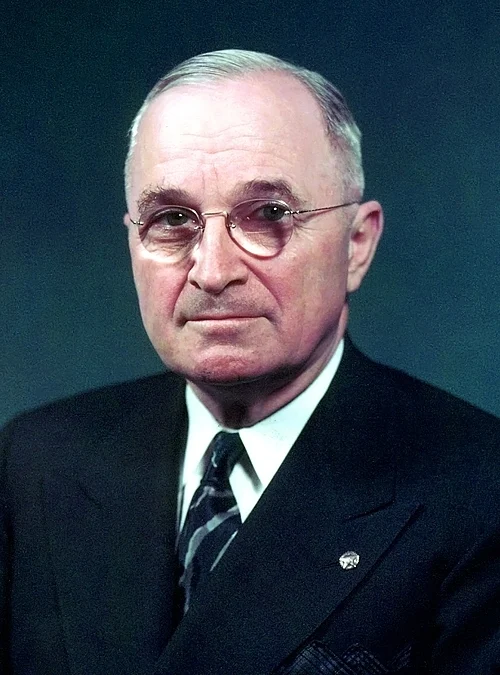
Harry Truman turned the Magellan into a campaign powerhouse. In 1948, amidst low approval ratings and political skepticism, he launched a 31,000-mile whistle-stop tour with 352 speeches off the rear platform. His staff drafted remarks on local issues, sending somebody ahead to research town-specific information, and it worked-thanks in part to this effort, Truman’s upset over Thomas Dewey was preserved in the famous picture of Truman triumphantly holding up the “Dewey Defeats Truman” headline from the back of the Magellan.
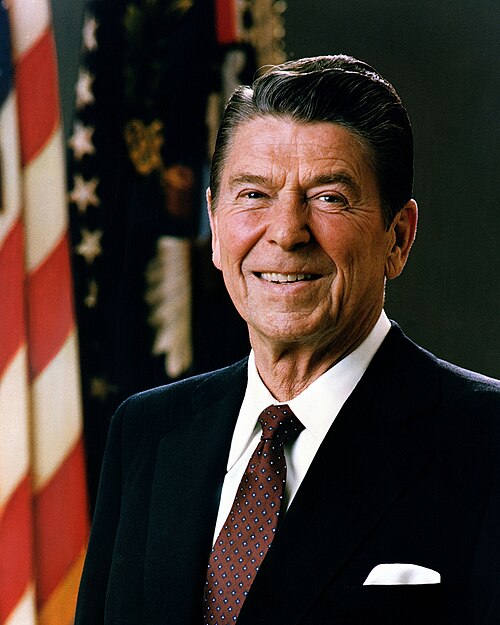
5. Reagan’s Nostalgic Revival
Ronald Reagan brought the Magellan out of retirement in 1984 for a one-day tour through Ohio, tracing part of Truman’s route. Tens of thousands flocked to see the historic car and hear Reagan’s speeches from its rear platform, described by the Christian Science Monitor as “classic Reagan,” with banners, bunting, high school bands, and nostalgia-tinged campaign energy.
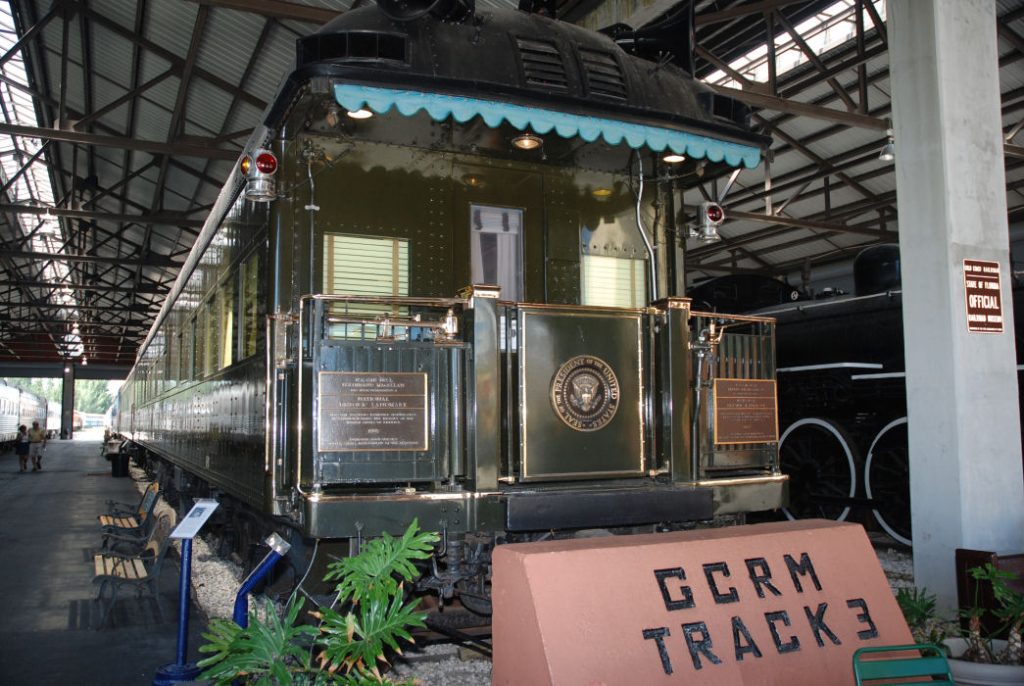
6. Security on the Rails
Security for presidential rail travel was elaborate. Railroad police guarded overpasses and junctions, plainclothes agents monitored stations, and track crews inspected every mile ahead of the train. No other rail traffic was allowed within 30 minutes of U.S. Car No. 1, which always had the right of way. To disguise its purpose, the car’s name was removed from its sides, though its distinctive profile often gave it away.
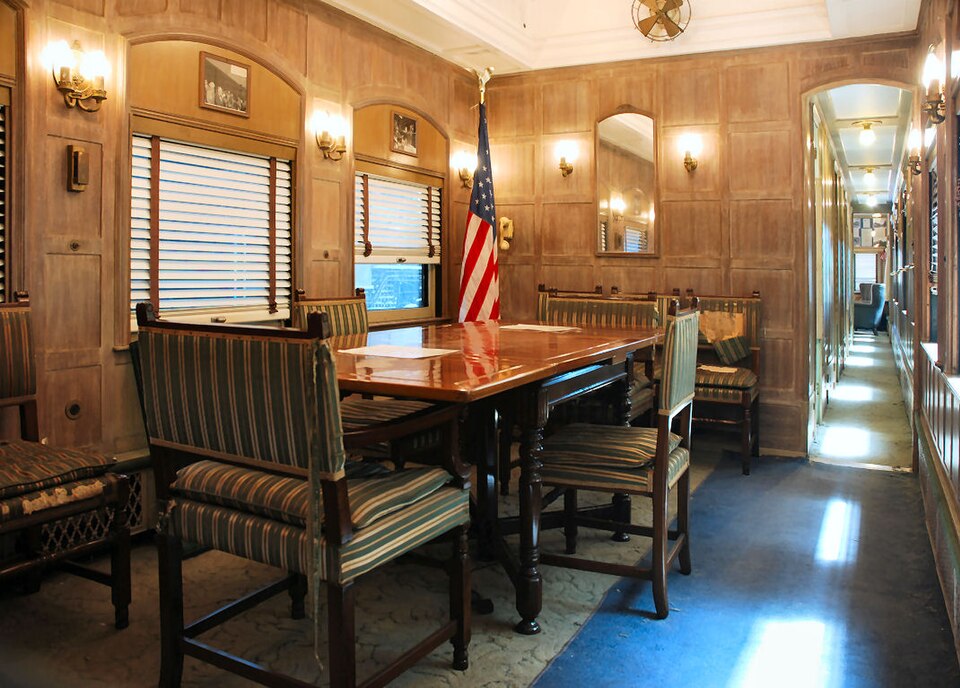
7. A Luxurious Yet Functional Interior
Inside, the Magellan married elegance to utility. A solid-mahogany table and presidential china adorned the dining and conference room. Two guest staterooms had private baths; the presidential suite boasted a full-size bed, dresser, and a connected bathroom with an escape hatch. A kitchen manned by a chef and porter assured fine dining on the move; sealed, bulletproof windows were ventilated via ice-cooled fans.
8. The Observation Deck and Public Connection
At the back, an observation lounge served both as a lounge space and as a platform for public speeches; with microphones and speakers, presidents could speak directly to crowds without leaving the train. This became a sort of traveling political theater during whistle-stop tours, allowing the leader to address communities around the country in rapid succession.
9. Preservation and Legacy
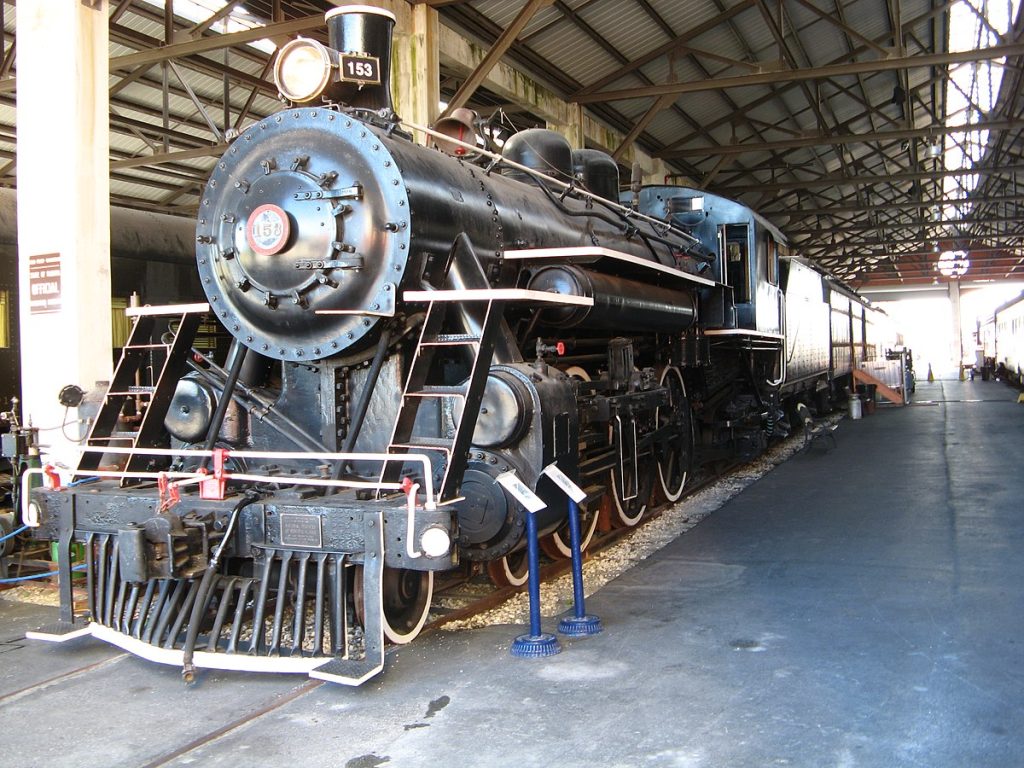
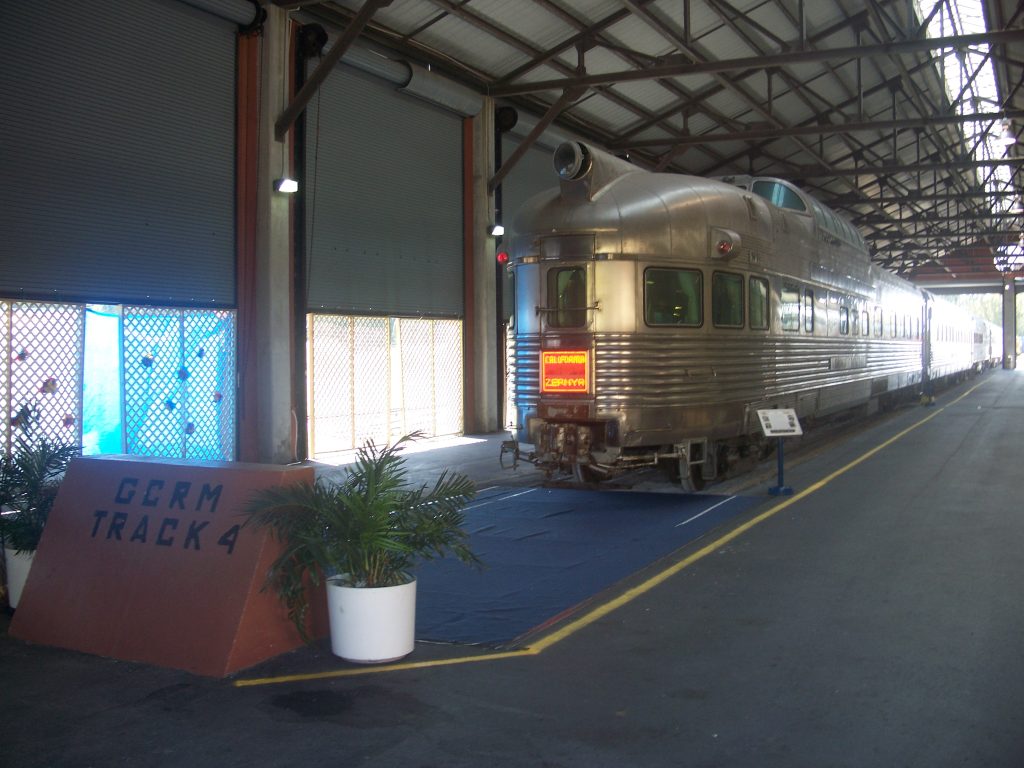
Designated as a National Historic Landmark, today the Ferdinand Magellan is on display at the Gold Coast Railroad Museum in Miami, Florida. It has a number of its rooms preserved and open for public tours, showing hurricane damage sustained in 1992 and samples of its bulletproof glass. Inactive for decades yet still on connected tracks, a sitting president could theoretically request it, resuscitating a tradition that brought the presidency to America’s doorstep.
The Ferdinand Magellan stands as a testament to an era when presidential travel was about visibility and connecting with the public as much as it was about security. Armored walls and mahogany interiors, carrying leaders through wartime uncertainty, political battles, and historic campaigns, endure. As Air Force One now dominates the skies, U.S. Car No. 1 remains a rare artifact to remind the world that rails once carried the weight of the nation’s highest office.


