
The decision to hit pause on the city’s use of Flock Safety’s automated license plate readers was not taken lightly in Cambridge, Massachusetts. As Vice Mayor Marc McGovern explained, the underlying concern was blunt: “The problem is the federal government is going after a lot of people who aren’t doing anything wrong.”
To immigrant communities and residents of color, these cameras have come to represent a potential gateway to federal immigration enforcement-particularly as President Donald Trump has ramped up the country’s deportation agenda.

1. The Rise of Flock and Its National Sharing Model
Flock Safety cameras have gone up in over 6,000 municipalities to date, touting a product that will “stop crime” through the recording of license plate details, stored for as many as 30 days. The company’s national sharing network gives law enforcement, including federal agencies, access to data across jurisdictions. That model has launched Flock to the center of a national debate about surveillance, particularly with revelations of a pilot program with the Department of Homeland Security that briefly gave them direct federal access.
2. Pushback from Local Governments
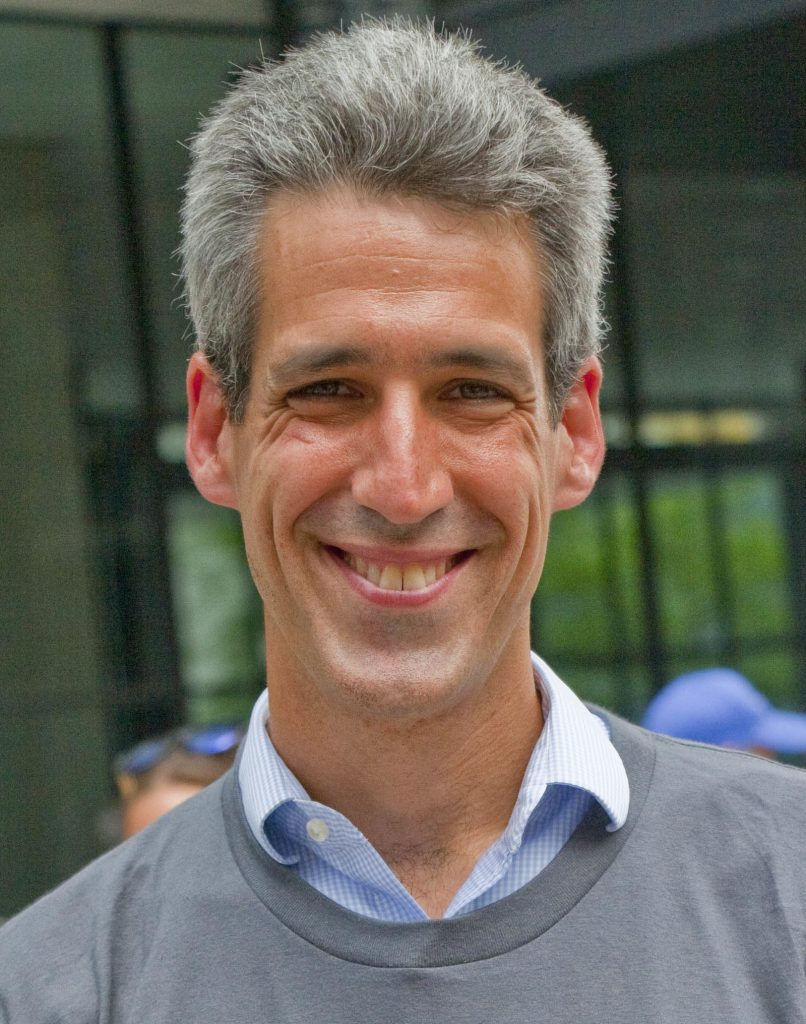
Over the past year, over a dozen cities in states such as Washington, Oregon, Arizona, and Texas have suspended or paused their contracts with Flock. In Evanston, Illinois, Mayor Daniel Biss ordered cameras covered with black plastic bags after the company reinstalled them without city consent. A state audit confirmed immigration enforcement agencies’ access to camera footage in Illinois. “The most extreme public safety threat that my residents are facing is coming from ICE right now,” Biss said, underscoring the city’s priority to protect residents against federal intrusion.

3. Data Control and Consent Disputes
Flock maintains that data sharing requires local consent, but officials in cities like Evanston and Eugene, Oregon, report instances where federal agencies accessed their systems without clear authorization. Eugene council member Jennifer Yeh said the U.S. Postal Inspection Service and the Bureau of Alcohol, Tobacco, Firearms and Explosives had used Flock data for unrelated investigations. “It seems like Flock now has all these ways you can expand it and do even more and more surveillance of your community,” Yeh said.
4. Broader Reach of Surveillance Capitalism
Controversy over license plate readers is just part of a wider web of surveillance capitalism driving immigration enforcement. Brokers such as LexisNexis Risk Solutions aggregate information from thousands of databases, including license-plate data, and sell it under multimillion-dollar contracts to ICE. These tools can pinpoint an individual’s location, monitor social networks, and even scan social media activity and often do so without a subject’s consent.

5. ICE’s Expanding Technology Arsenal
ICE has harnessed technologies ranging from facial recognition to AI-powered “Hurricane Scores” predicting compliance risks. Billion-dollar contracts have bankrolled GPS ankle monitors, smartphone monitoring apps, and AI systems able to consolidate IRS, Social Security, and Medicare data into centralized databases. These under Trump have been used to track not just illegal immigrants but also protesters and political activists.

6. Civil Liberties at Risk
Critics warn that porous boundaries separating local surveillance from federal enforcement erode constitutional protections. In the words of one privacy advocate, “Your phone contains all your communications, all your expressions it has your contact lists, it has your social media.” The prospect of abuse goes well beyond immigration cases; in Texas, a police officer used the Flock system to investigate a woman’s abortion-a use case illustrating how location data can be weaponized for wholly unrelated political ends.
7. Psychological Impact on Communities
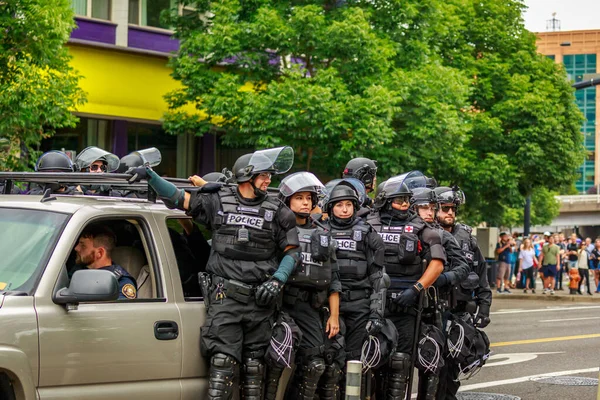
The fear created through pervasive surveillance has real-life consequences. Immigrant families pulled children from schools as ICE rescinded protections for “sensitive locations.” Activists refer to this as a deliberate strategy to “break down the systems of support” within targeted communities. Anxiety about being tracked may prevent people from seeking public services, engaging in civic life, or even attending religious services.
8. Community-based safety strategies
Grassroots organizations are fighting back with programs aimed at rebuilding trust and safety. Local coalitions have pushed municipalities to cancel surveillance contracts, trained residents in digital privacy, and formed rapid-response networks that monitor enforcement actions. Cities such as Los Angeles have enacted policies to protect immigrant families, while advocacy groups work for deeper state-level privacy laws and sanctuary protections.
9. Legislative and Legal Resistance
Some state legislatures are considering bills that would limit data collection and sharing. Lawsuits, such as the one immigrant advocates filed against LexisNexis, seek to challenge the legality of harvesting and selling personal data without consent. These efforts aim to reinforce the idea that public safety should not come at the expense of civil liberties and community trust. A deeper struggle over who controls local data and how that data can be used underpins the clash over license plate readers.
Cities trying to push back against federal overreach must balance preventing crimes with protecting the privacy and rights of all residents. These decisions have profound implications in the current political climate, not only for immigrant communities, but for the future of democratic governance itself.