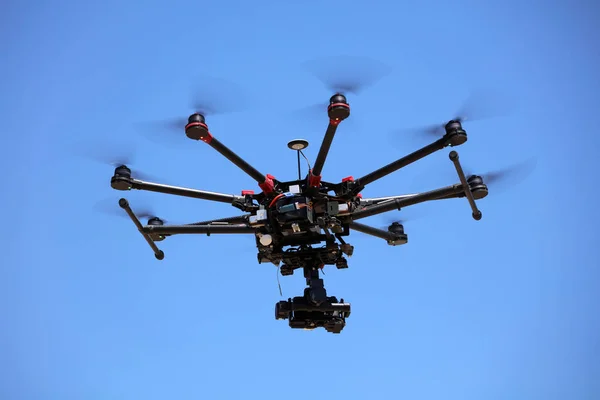
The minute an emergency call comes in, every minute counts. But how can first responders prepare if they are largely in the dark regarding what they are facing? Ohio believes the answer just may be flying above their heads. The state has launched the nation’s first statewide Drone First Responder, or DFR, program-a two-year pilot with the potential to redefine how police, fire and EMS agencies respond to crises.
1. First-in-the-Nation Approach
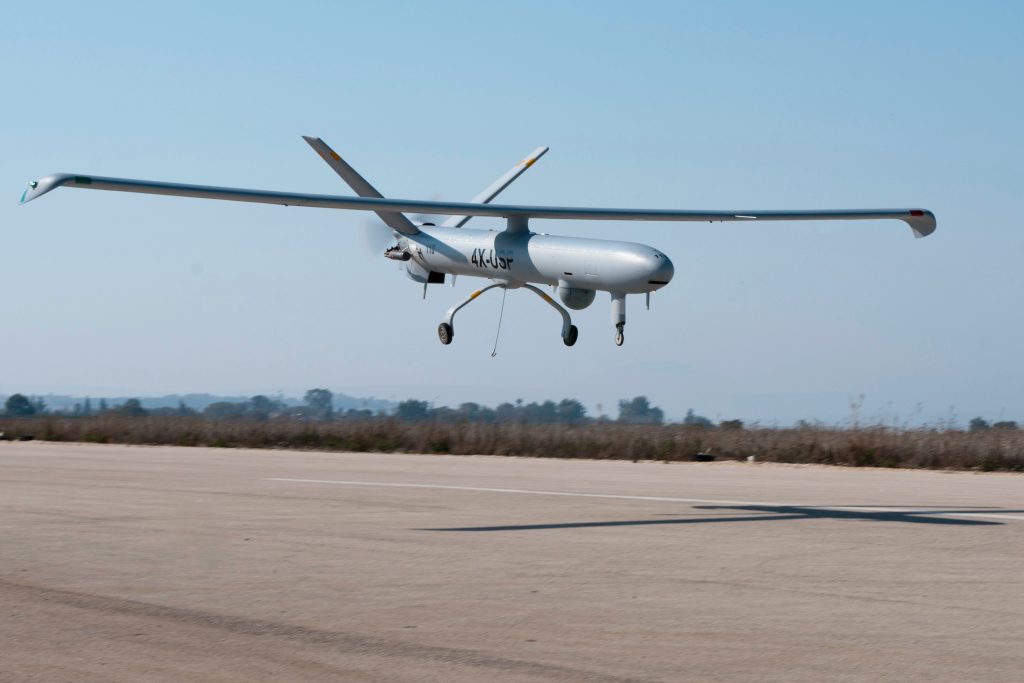
The Ohio Department of Transportation is partnering via its DriveOhio initiative and its Unmanned Aircraft Systems Center with SkyfireAI and CAL Analytics on the management and integration of drone technology throughout various communities. “Ohio’s statewide DFR program isn’t just a first – it’s the blueprint,” says Don Mathis, CEO of SkyfireAI. Through the program, the policy, training, and deployment will be standardized, and the drones made available to both urban and rural departments.

2. Expanding situational awareness
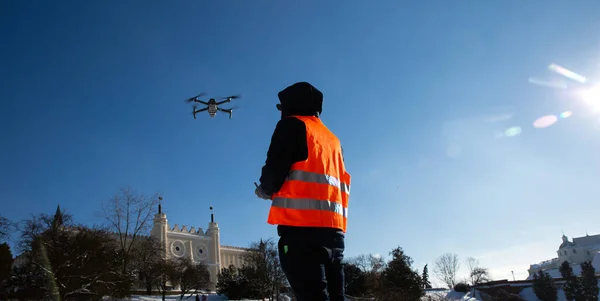
Drones can arrive on-scene minutes before ground units and stream live video to command staff. According to Richard Fox, the director of the UAS Center, drones “bring a workforce multiplier factor” in regard to covering a large area quickly and gathering data that humans cannot match. Applications range from search and rescue to monitoring hazardous areas, assessing traffic accidents, and responding to natural disasters.
3. Addressing staffing shortages
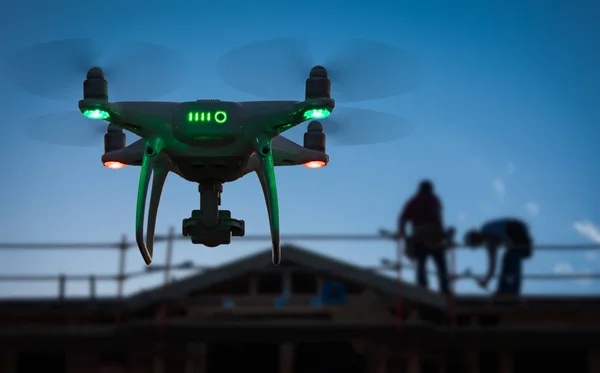
Public safety agencies across the globe are facing a recruitment crisis. The DFR program frees personnel to deal with urgent incidents by clearing some calls without the need for officer dispatch. DRONERESPONDERS believes drones are becoming standard equipment; training has now reached academy levels so that fresh recruits can be prepared for operations in high-risk scenarios.
4. Lesson from Past Deployments
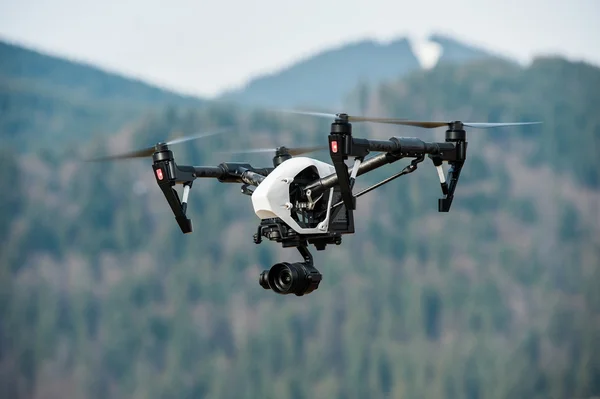
The concept of aerial support during emergencies has come a long way-from the police helicopters of the 1940s to today’s AI-enabled drones. Case studies have steadily underlined stories of how drones found missing children in minutes, mapped fire perimeters, and delivered medical supplies into completely inaccessible areas. These are the success stories that undergird the potential for saving lives if integrated thoughtfully.
5. Civil Liberties and “Mission Creep” Concerns
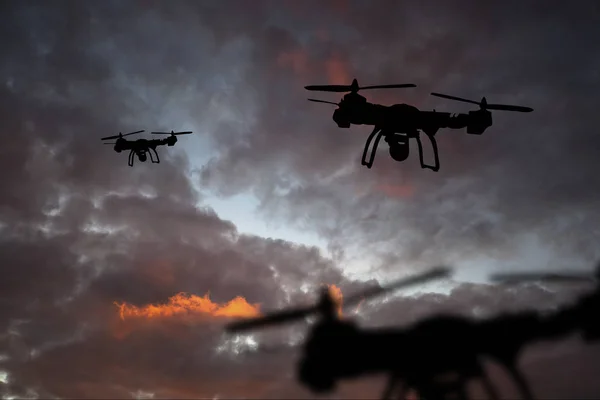
Not everyone is celebrating. Gary Daniels with the ACLU of Ohio said without strong safeguards, drones could drift from emergency use into routine surveillance. “We really have zero laws at the statewide level to govern the use of drones in a way that would give Ohioans more confidence,” Daniels said. Past incidents, like military-grade drones deployed over domestic protests, fuel concerns about transparency and privacy.
6. Legislative guardrails: HB251
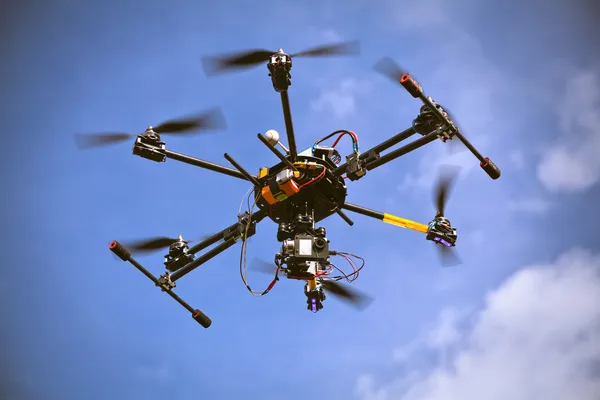
Ohio’s House Bill 251 would require warrants for most drone surveillance beyond disaster response, traffic investigations, border security, research, and exigent circumstances. The bill makes surveillance data subject to public records laws, though the ACLU cautions that broad data access could create new privacy risks. Advocates are asking lawmakers to revise the bill further in a number of ways: adding protections against tracking individuals going to protests, religious services, or medical visits; establishing strict data retention timelines.
7. Building Public Trust
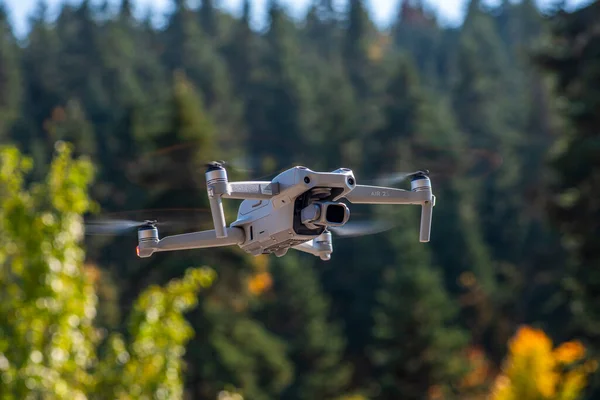
Experts say community buy-in is crucial. Jay Stanley of the ACLU, a senior policy analyst, says police departments “should not deploy surveillance technologies without the consent of the community it serves.” Public demonstrations, town halls and open reporting about drone capabilities and outcomes can reduce mystery associated with operations. DRONERESPONDERS recommends outreach before, during and after implementation to prevent backlash.
8. Technical Integration and Safety
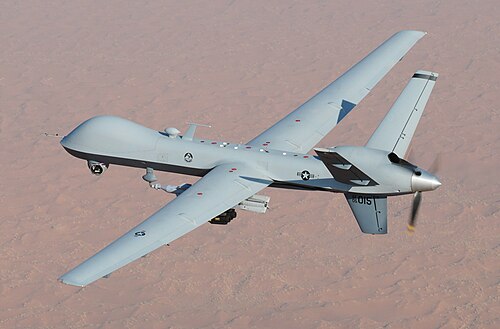
CAL Analytics is on course to develop the nation’s first statewide Uncrewed Traffic Management system to coordinate drone flights and avoid conflicts with other aircraft. Airspace monitoring sensors will track nearby traffic, further enhancing safety. SkyfireAI’s AI-driven analytics has the potential to automate hazard detection and damage assessment that will aid Beyond Visual Line of Sight operations and 24/7 coverage where single-agency economics fall short.
9. Overcoming Barriers to Adoption
The cost remains a barrier for smaller departments. Experts advise starting with affordable drones that are suitable for specific missions and without ‘bells and whistles.’ It is not all smooth sailing, however-regulatory complexity is standing in the way of widespread adoption, with state and local laws differing. Co-ordination will entail building trust between manned and unmanned pilots through joint training. Bad public perception, based on fears of surveillance, is improved through published stories of operational successes and emphasis on life-saving missions.
Ohio’s pilot program is all set to collect performance data, refine procedures and set a precedent for nationwide adoption. How well technology, policy and community trust converge over the upcoming months will determine whether it actually sets an example for balancing innovation with civil liberties.