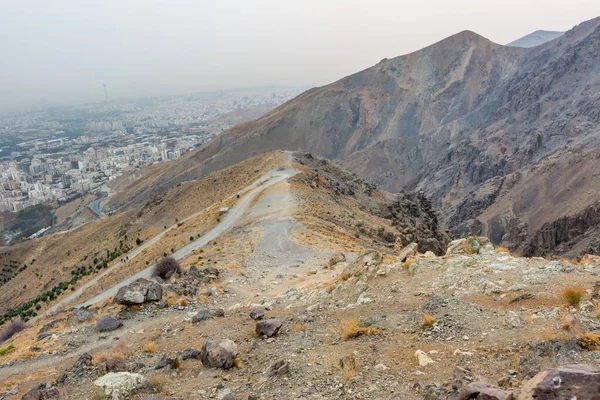
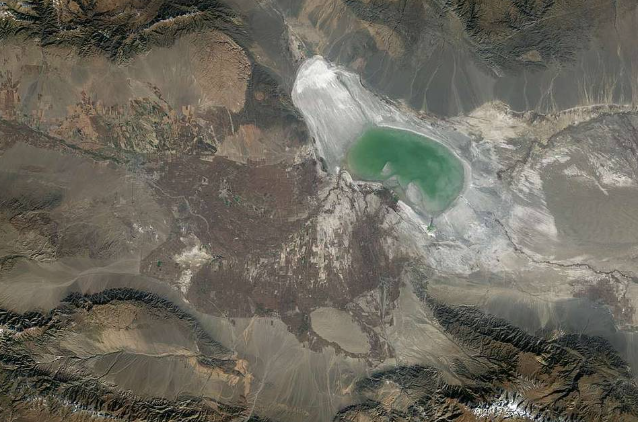
Rows of worshippers in Tehran came together recently under a cloudless sky and prayed for rain, their prayers carrying the weight of a city on the brink. The Iranian capital, home to around 15 million people, is facing a water crisis so severe that President Masoud Pezeshkian warned of possible evacuation if rains fail to arrive. The reservoirs feeding the city are at critically low levels some hold barely a tenth of their capacity. From space, satellite imagery shows the dramatic retreat of water in the dams surrounding Tehran-a visual testament to a crisis decades in the making.
1. A Capital on the Edge
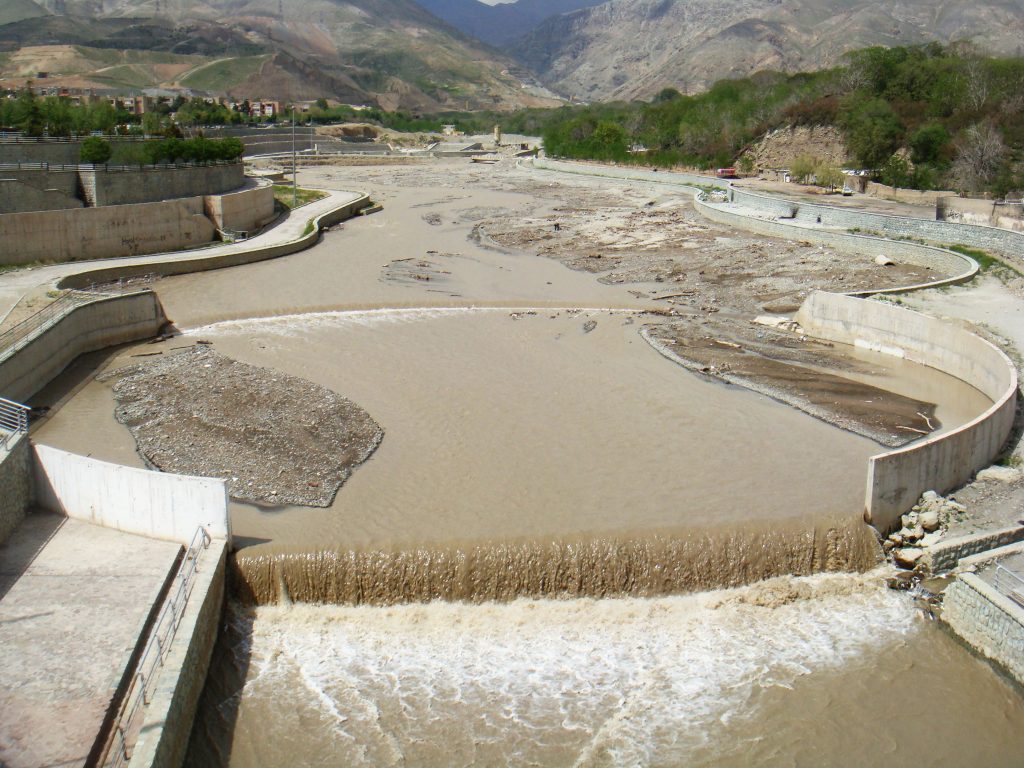
As a result, its major reservoirs Latyan, Amir Kabir, Lar, Taleqan, and Mamloo have shrunken dramatically, with the Latyan Dam now only about 9% full and Amir Kabir at roughly 8%. About 30% of the treated drinking water in the capital’s water network is lost to leaks, theft, and meter errors before it gets to the tap. Though officials have already begun reducing water pressure, residents report dry taps for hours at a time. Cloud seeding and even relocating the capital to Makran have been floated by the government, but such proposals face enormous logistical and financial barriers.
2. Roots of ‘Water Bankruptcy’
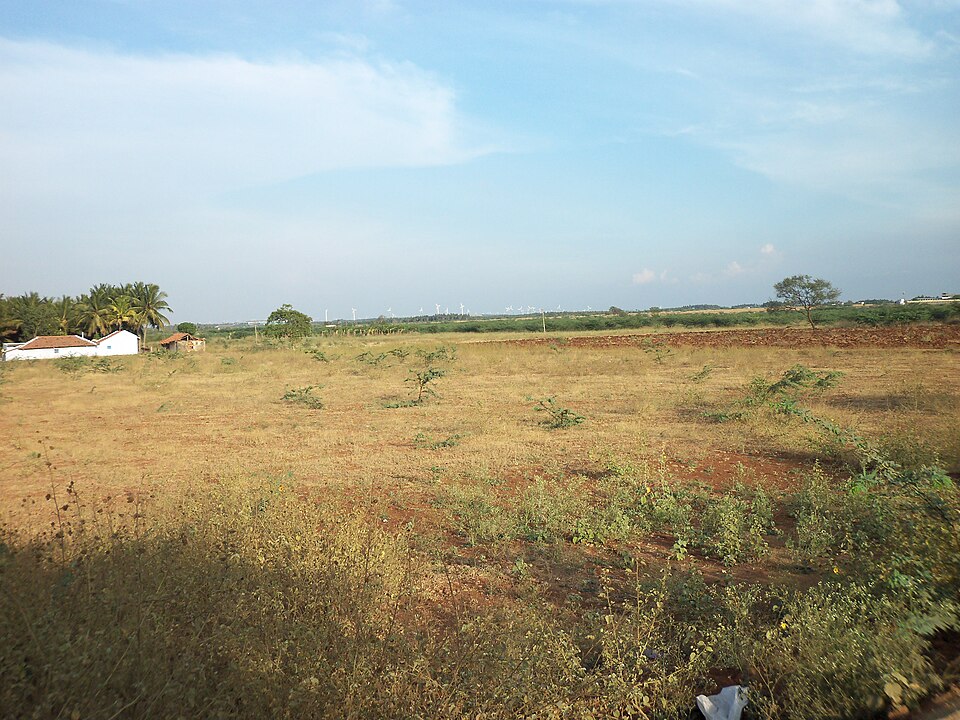
Experts characterize the situation in Iran as a case of “water bankruptcy” in the long run-a state when withdrawals from rivers, lakes, wetlands, and aquifers far exceed natural replenishment. While irrigated farmland has been doubled since 1979 under policies aimed at food self-sufficiency under sanctions, agriculture now consumes about 90 percent of the nation’s water. Thirsty crops like rice are cultivated even in arid zones. Aquifers have been drained due to overextraction, leading to land subsidence rates among the highest in the world, and thus permanently reduced groundwater storage capacity.
3. Climate Change Amplifies the Burden
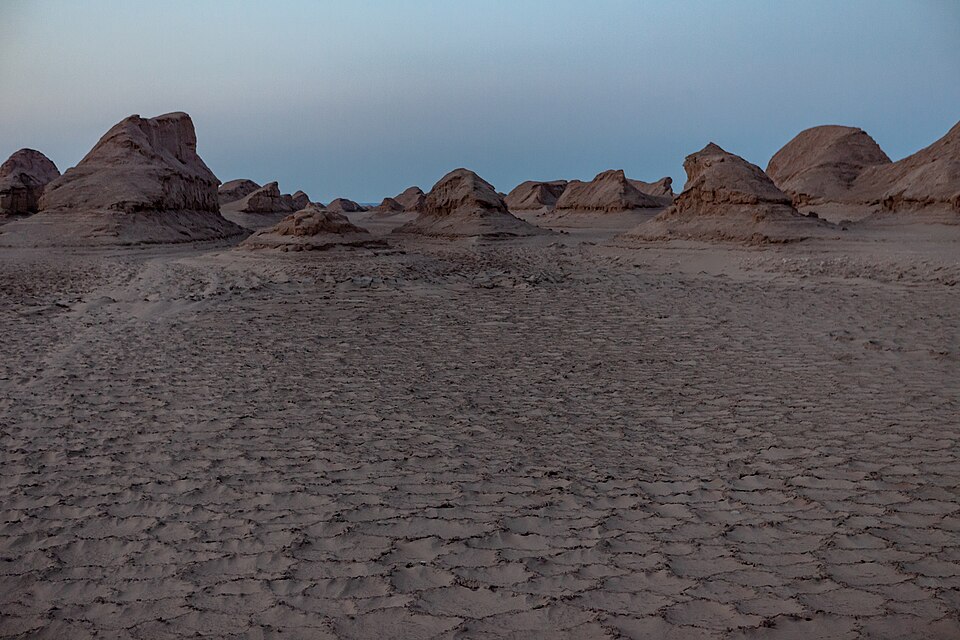
This is the sixth consecutive year of drought in Iran, the worst in at least four decades. Scientific analyses by the World Weather Attribution network show that it would have been extremely rare for such a long and intense drought to happen without human-induced climate change. Rising temperatures-some summer days topped 50°C-led to increased evaporation, while changed precipitation patterns left 20 provinces without rain since the start of the current wet season. Multi-year droughts, once rare, are now far more frequent and prolonged.
4. Visible from Space, Felt on the Ground
Satellite-based measurements of NDWI between June and November 2025 have returned steep declines in the surface areas of reservoirs supplying Tehran: a decline of more than 70% in Lar and Latyan. These are only surface extent images, which suggests the actual loss in volume might be worse. The crisis is mirrored in other cities, too: Mashhad’s reservoirs have fallen to just 3% capacity, and hundreds of rural villages now rely on water carried on tanker trucks after their wells went dry.
5. Political and Social Fault Lines
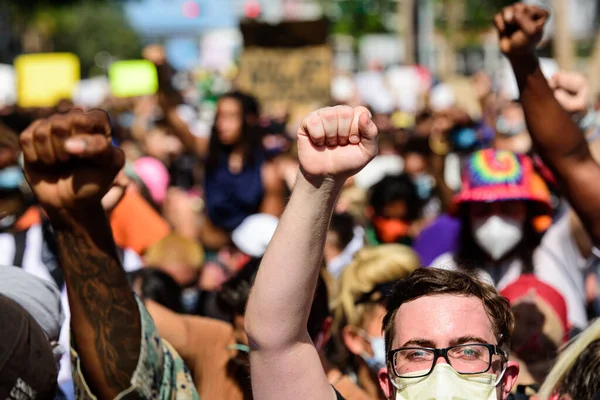
Water scarcity is challenging Iran’s governance capacity. As political analysts warned, environmental crises are increasingly linked to social unrest. Protests sprang up against water cuts, including at Tehran’s Al-Zahra University, where students chanted for rights after cuts began in dormitories. The government’s fragmented communication has fueled mistrust and conspiracy theories, such as claims of foreign “cloud theft.” Divisions in internal policy further complicate reform, because some factions will resist changes that threaten entrenched economic interests.
6. Economic and Strategic Risks
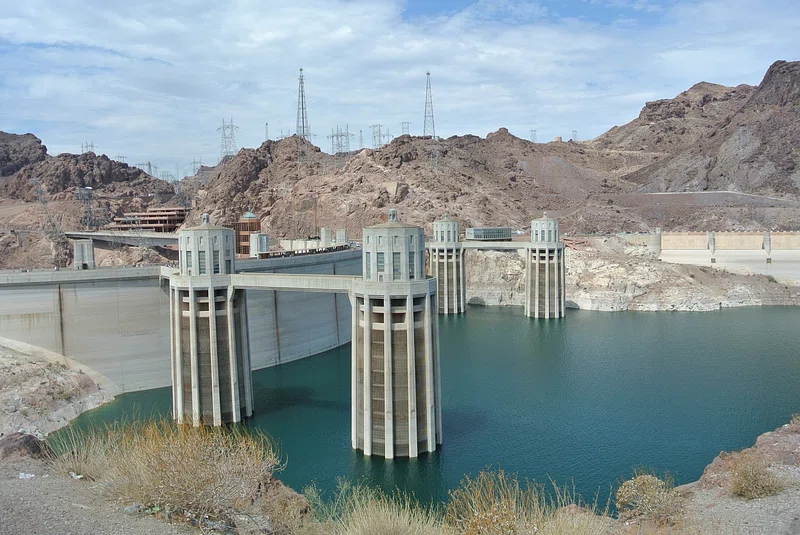
The crisis imperils not only daily life but also critical infrastructure: Hydropower shortfalls from depleted dams are worsening electricity shortages. According to Kaveh Madani of the United Nations University Institute for Water, Environment and Health, “If the water and electricity shortages persist, any nuclear program would also be impacted.” Industries in arid regions, including oil and gas, add to water stress, while inflation and unemployment limit the public’s ability to adapt.
7. The Groundwater Collapse
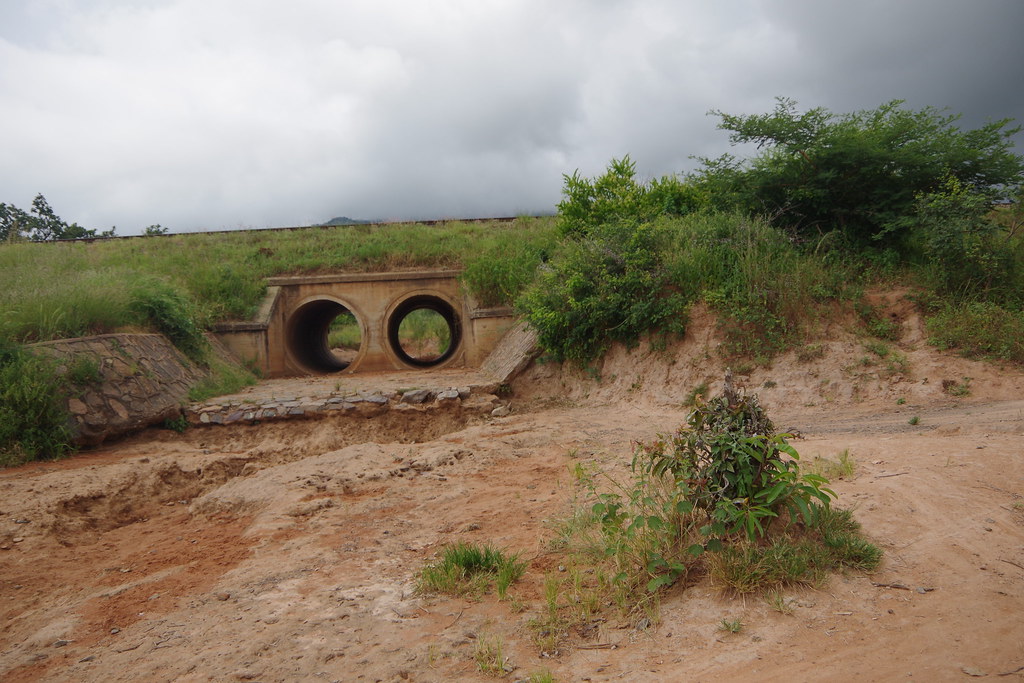
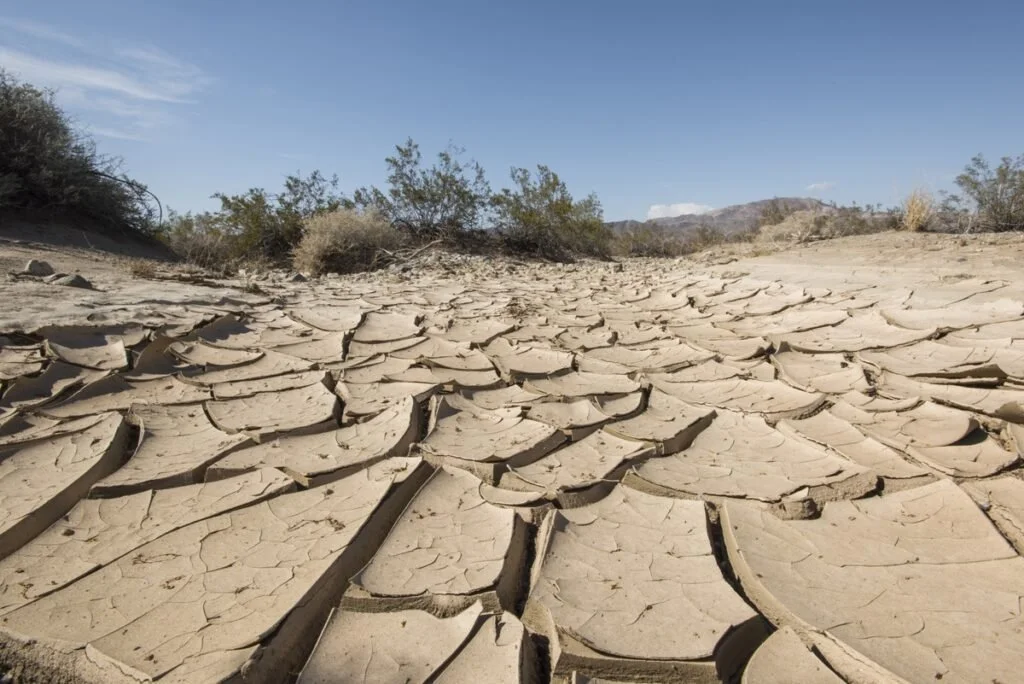
It was human activity that contributed to a 35% decline in groundwater recharge, based on a nationwide study of 666 aquifers from 2002 to 2017. More than 422 of Iran’s 609 plains are now considered “critical,” where drilling new wells is banned except for drinking water. Land subsidence from over-pumping has compacted soils, thereby reducing their natural ability to absorb and store water. Once-lush wetlands and rivers have dried further, diminishing natural recharge.
8. Regional and Global Context
The situation in Iran is part of a broader water crisis in the Middle East and North Africa. The area, among the most water-stressed parts of the world, could witness GDP losses from climate-related water scarcity as high as 14 percent by 2050. The current five-year drought has devastated West Asia, with the countries of Iraq and Syria suffering significantly climate change has made such an event as much as 50 times more probable. These added stresses ramp up competition for the scarce resources, placing regional stability at risk.

9. Dealing with Climate Anxiety
For residents, the crisis is not only physical but psychological. Specialists in climate-related anxiety stress emotional resilience: being up-to-date with information from reliable sources, practicing nature conservation at the community level, and concentrating on what one does, all these may help to counter the feeling of helplessness. In Tehran, there are storage tanks and pumps being set up by householders, while others are sharing basic resources with their neighbors small gestures that also help to reinforce social bonding in uncertain times.
10. Closing Window of Opportunity for Reform
Meaningful solutions will involve unpopular but necessary measures: phasing out water-intensive crops, modernizing irrigation, repairing leaky infrastructure, and adjusting water tariffs to reflect true costs. As Amir AghaKouchak of UC Irvine warns, “Nature is now imposing hard limits. Aquifers that have been drained will not rebound and ecosystems that collapse cannot quickly be restored.”
The longer reforms are delayed, the fewer viable options remain. The water crisis in Tehran, visible from orbit yet lived in daily hardship on the ground, is a warning of how environmental degradation, climate change, and governance failures can converge into a national emergency.