

So many churches talk about forgiveness and temptation. They’ll make an effort to bring up family in almost every discussion, and while there’s nothing wrong with that, a few subjects do slip right through the cracks. There’s a big mismatch between the private choices people are making and what actually gets discussed. Let’s take a look at seven moral questions that modern Christians rarely discuss, and why they should. Just a heads-up, we’re not claiming that all Christians avoid these issues or that they’re somehow wrong for not discussing them.

1. Is it honest to pray for healing but ignore antidepressants?
You’ll likely hear more about marriage during sermons than anything about panic attacks or bipolar disorder at church. A 2014 study by Ed Stetzer for LifeWay Research found that approximately 66% of Protestant pastors preach on mental illness only once a year or less. Several evangelical circles continue to frame depression as an issue of sin or weak faith, rather than something that may be fixed through things like antidepressants. That’s true even though a different LifeWay report found that around one in four pastors has dealt with mental illness issues.

2. When is it right to stop medical treatment at the end of life?
That’s not all for healing. Many churches pray for healing right up until the final hours, but very few of them teach people to consider things like medical limits and ventilators. Like most groups, Christians tend to be divided over when treatment should stop, and churches don’t always provide them with the answers. Families are left to work out what being faithful actually is during a painful and often fast-moving situation. Perhaps earlier conversations about these issues would stop believers from feeling alone during their hardest moments.

3. What does it mean to “protect life” when IVF creates extra embryos?
Christian couples who go to fertility clinics will learn about things like IVF and embryo freezing, with a kind of detail they’re unlikely to hear at church. Research by the Pew Research Center found that a large majority of American Catholics and evangelicals believe that IVF access is a positive. Yet many groups like the Southern Baptist Convention condemn routine aspects of IVF, like over-fertilizing and freezing eggs. Do they count as life? Are they okay to discard?
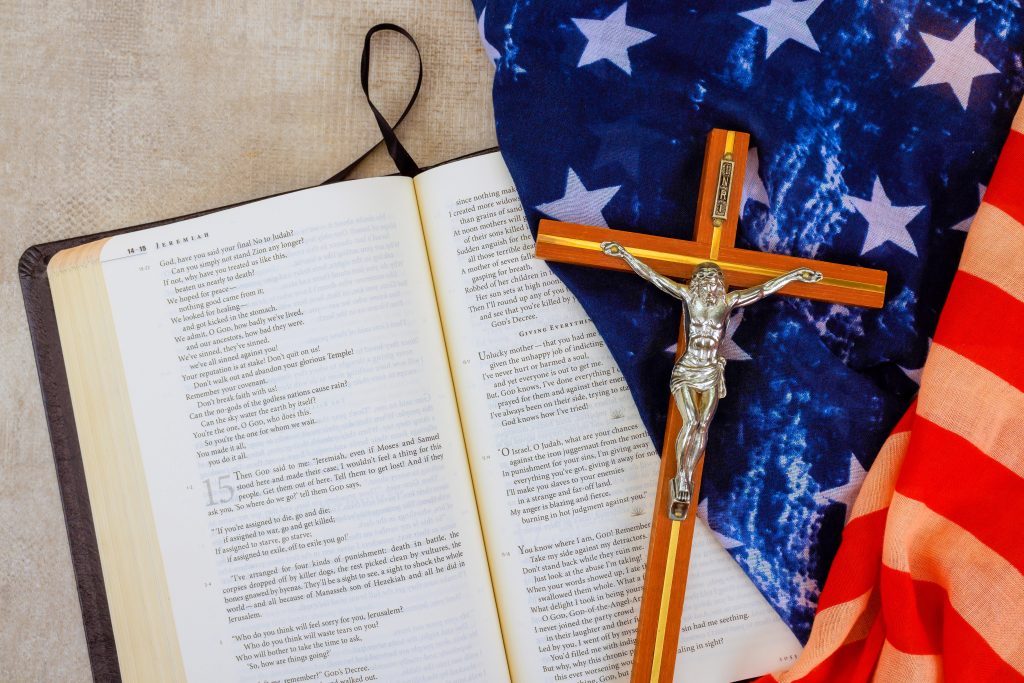
4. How far should Christians connect their faith with national identity?
For many Christians, it’s relatively normal to hear people talk about the U.S. as a “Christian nation,” but it’s not always clear what that actually means. The Pew Research Center conducted a study that found 45% of American adults believe the country should be a Christian nation. But churches rarely make it clear what that means in their flock’s day-to-day civic life. It would be useful for them to discuss these more openly, as it’d help them with forming opinions on voting and authority, for example.

5. When should Christians report wrongdoing inside their own church?
It’s easy to believe that every church is perfect, but sadly, some of them have bad people inside them. Quite a few believers end up in situations where they notice something wrong is happening, yet they have no idea what step they should take next. How are you supposed to support a leader who abuses their power or treats people unfairly? It’d be useful for people to be taught more clearly about the difference between loyalty and enabling, as well as the importance of telling the truth for a healthy church community.
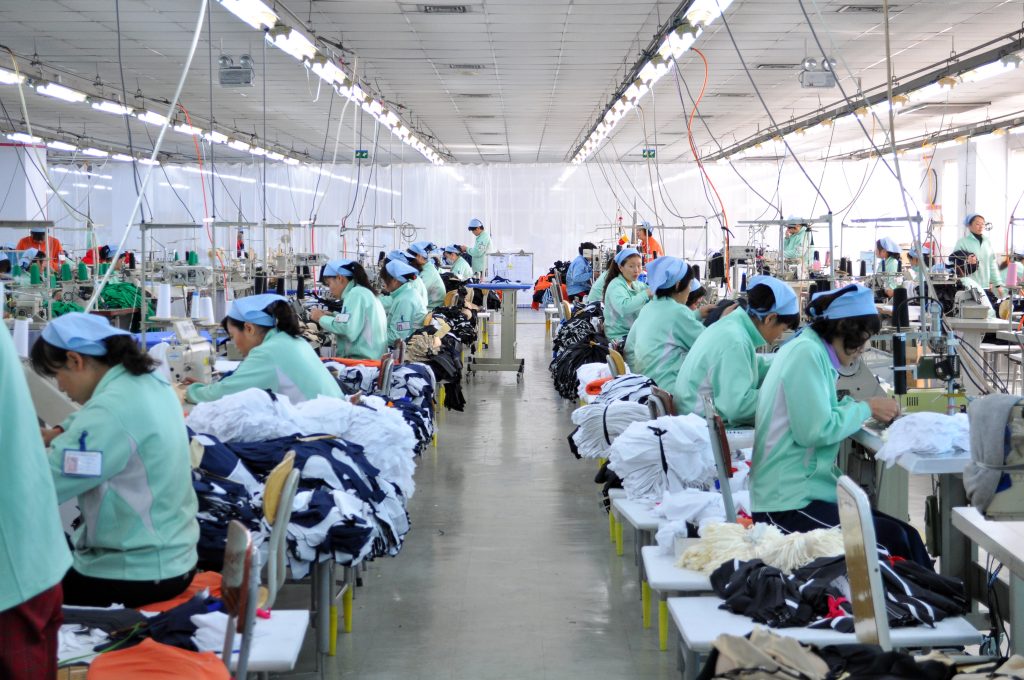
6. How much responsibility do we have for the ethical treatment of workers?
The majority of people don’t think about factory conditions when they’re ordering groceries or how the people who made their new phone case were treated. The Bible does talk about fair labor in texts like James 5, but not many churches make a connection between these teachings and modern supply chains. Of course, Christians do genuinely care about justice. But there’s a bigger moral question over whether we should consider how workers are treated when we choose what to buy. How can we balance this issue with real-life budgets?

7. Is it okay to benefit from stolen land or injustices we didn’t personally cause?
Practically every believer knows that their town or neighborhood didn’t have a clean origin story. Most American land was taken from Native Americans and later divided & claimed, yet the topic is rarely ever mentioned in church. Sure, Christians hear about sin and mercy every week. But they’re not usually taught about what responsibility looks like when the harm happened long before you were born, and you still benefit from it. Should they keep quiet? Should they acknowledge the issue publicly? It’s not clear.
One thing that’s common among many Christians is the belief that they’re the only ones dealing with these issues. But they’re not. As soon as the conversation starts, many of them realize that they have the tools to reflect on morality, they just haven’t been taught how to apply these tools to modern life. Older methods of understanding morality still work. But only when believers are willing to bring realistic issues into the room.


