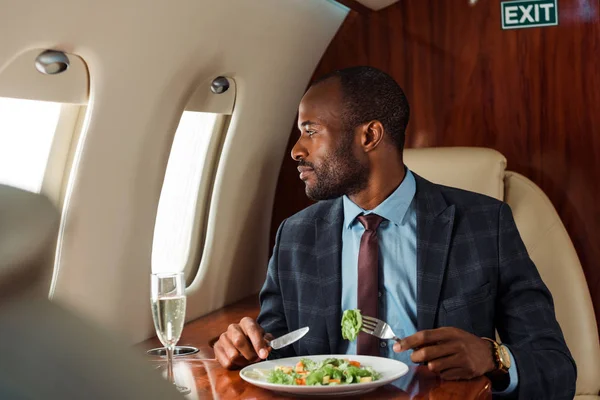
Ever wonder how some passengers can glide through flights, while others emerge bloated, dehydrated, or just plain miserable? The secret often lies not in the seat you select, but in what you eat and drink once you’re up in the air. Flight attendants-those seasoned pros of the skies-have seen it all: from questionable coffee pots to passengers unpacking pungent snacks that make the cabin feel even smaller than it already does.
Air travel alters how the body responds to food and drink. Pressurized cabins, dry air, and limited storage facilities make some menu options potential problems for your health and your fellow passengers’ comfort. And while the urge to treat yourself to a Bloody Mary or reach for that steaming cup of coffee in the middle of the flight is great, insiders caution that some options are better left on the ground.
Based on candid accounts from flight attendants and food safety experts, here’s a list of the top in-flight orders they personally avoid and why you might want to follow their lead.
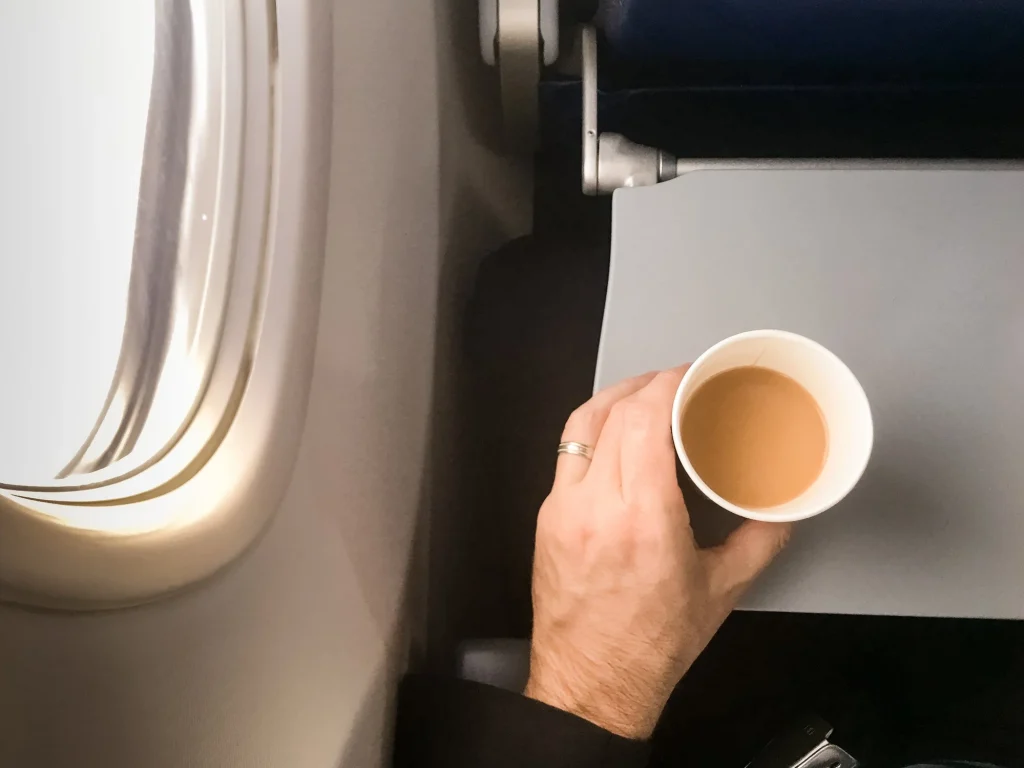
1. Coffee and Tea from Onboard Water Tanks
Several former flight attendants, including Alex Quigley, have warned about the water used for hot drinks. Airplanes store “potable” water in tanks that can sit for long periods without thorough cleaning. “There’s no telling how often or when the tank has been cleaned last,” Quigley said, adding that coffee pots were often dumped out in the lavatory instead of being washed properly between trips. In 2019, a study from CUNY’s Hunter College found that almost all regional airlines tested violated the EPA’s Aircraft Drinking Water Rule at some point. While some mechanics insist the tanks are flushed with cleaning products, experts still recommend sticking to sealed bottled beverages instead of tank-brewed coffee or tea.
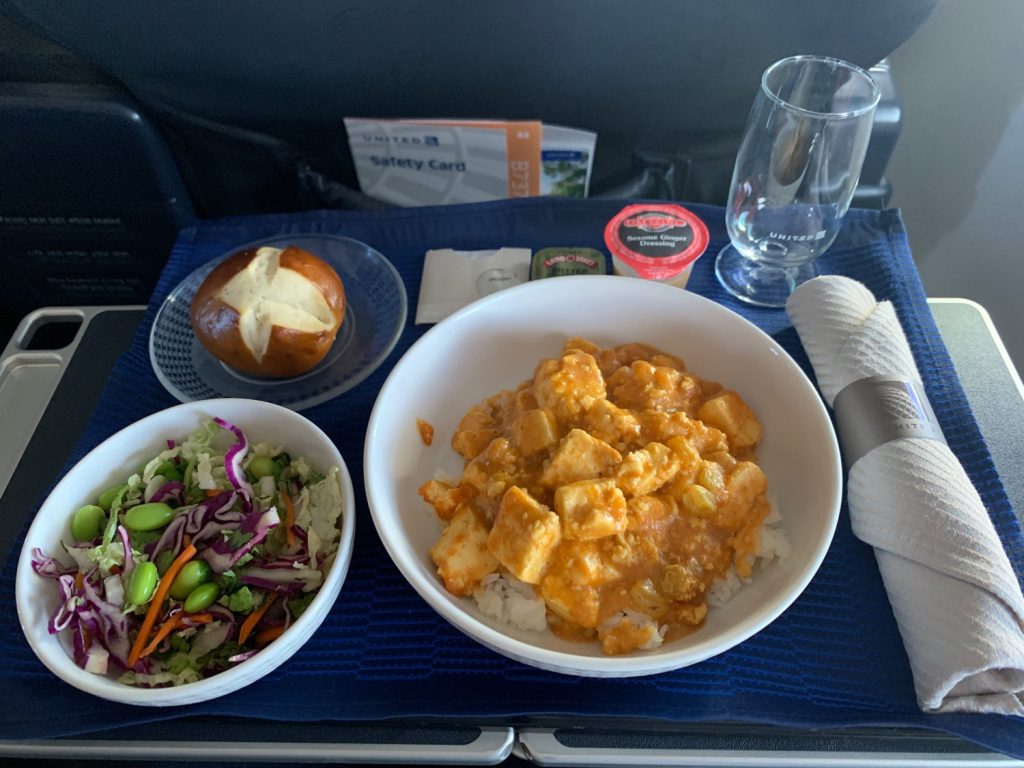
2. Pungent Snacks
From barbecue corn nuts to onion-flavored chips, pungent snacks can overwhelm the cabin’s recycled air in record time. According to Delish, one flight attendant who wished to remain anonymous says that roasted barbecue corn nuts “smell like something is burning on the plane” as soon as the bag is opened. Etiquette experts warn that odors don’t just linger but cling to clothing and make the general environment unpleasant for hours. Foods like garlic-heavy chips, strong cheeses, or durian have even caused flights to be disrupted in some countries.
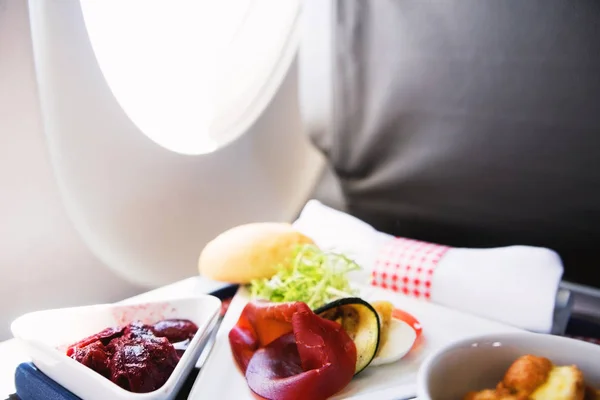
3. Meat Dishes
Meat served on board carries a higher risk of foodborne illness if storage temperatures aren’t properly maintained. According to Quigley, delays or mechanical issues can mean meals sit longer than intended, increasing the chance of spoilage. Airline food safety expert Jean Dible confirmed that “incorrect holding temperatures is the number one reason for food-borne illness on a worldwide basis.” Red meats, in particular, digest slowly and cause bloating during flights, so they’re a double hazard regarding comfort and health.
4. Foods That Induce Gas
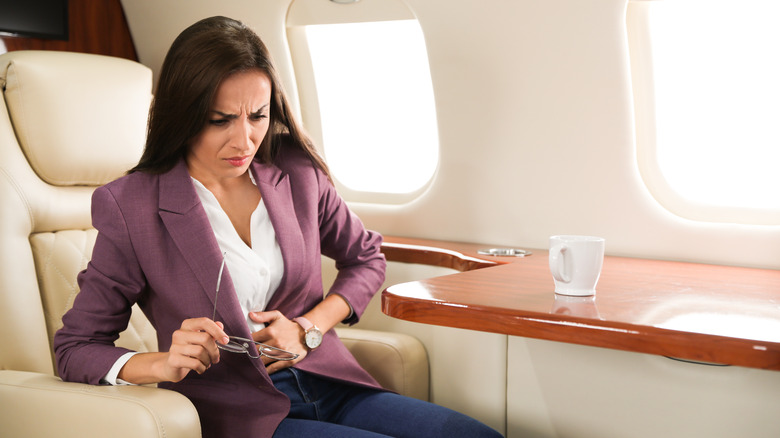
Beans, dairy, fatty foods, and cruciferous vegetables such as broccoli or cabbage have the ability to cause excess gas, something cabin pressure will only worsen. According to Christina Ling, instructor of flight attendants, “Flights really put pressure on your stomach… you get very flatulent to begin with.” These effects have an impact on everyone in the confined space of the aircraft with recirculated air. Josephine Remo, a former crew member, also avoids kale and lentils for the same reason, saying the altitude makes bloating feel more intense.
5. Beverages containing alcohol
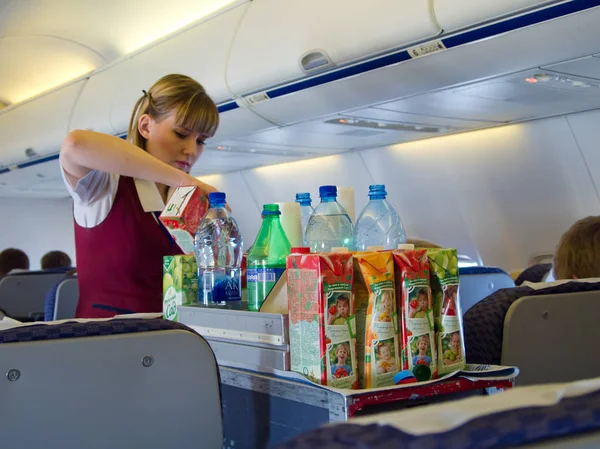
Alcohol hits the body differently in the air. Lower cabin pressure reduces oxygen absorption, and alcohol can further deplete oxygen, leading to dizziness or making a person feel drunker than at sea level. “Drinking and sleeping on a plane puts a big strain on your body-especially the cardiovascular system,” says Dr. Matthew Mosquera of Harvard-affiliated McLean Hospital. Studies published in 2024 demonstrated that mixing alcohol with sleeping onboard resulted in significantly lower levels of oxygen in the blood and a surge in heart rate. Toss in dehydration from dry cabin air, and alcohol is a recipe for post-flight exhaustion.
6. Tap Water or Ice
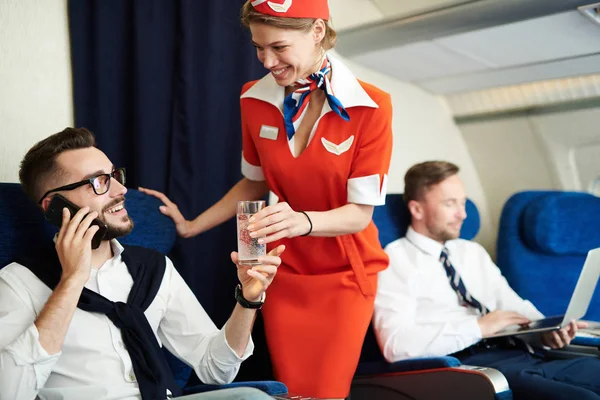
Sue Fogwell, a 22-year flight attendant, never consumes any drink made with tap water or ice while onboard. According to the results of several studies, harmful bacteria, including E. coli, can be found in airplane water tanks. Similarly, ice is also equally risky in case it has been scooped without proper hygiene. Fogwell recommends asking for canned or bottled drinks. Even in the economy, the pitchers of water are mostly drawn from the tank, which may pose a risk for the passengers.
7. Milk Products
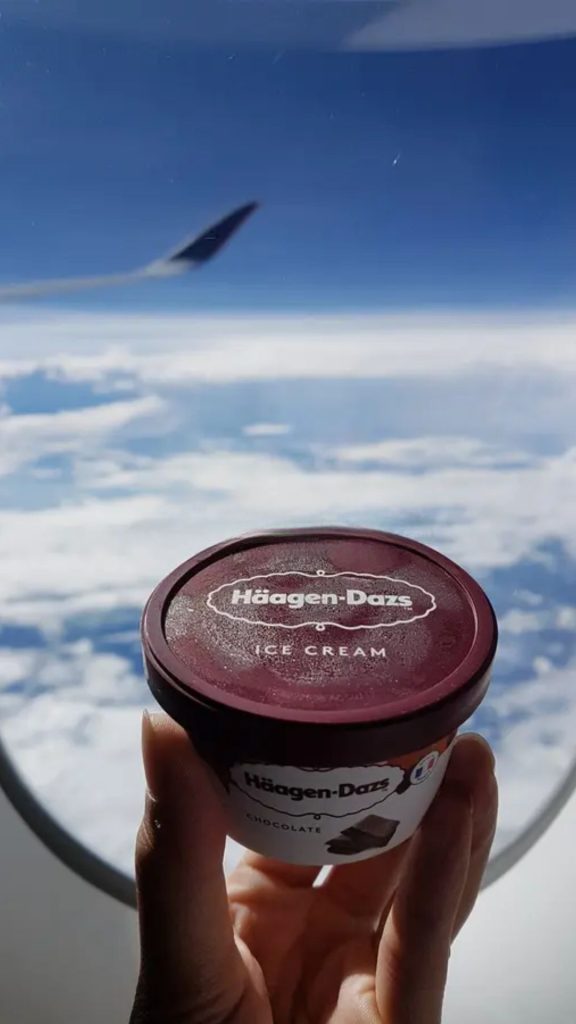
Items like yogurt, cottage cheese, and ice cream are especially prone to spoilage if not kept cold. Dible comments that bacteria like listeria can contamin
ate dairy without visible signs, making it “invisible” to passengers. Given the difficulty of maintaining consistent refrigeration during transport and service, dairy can be a risky choice mid-flight.
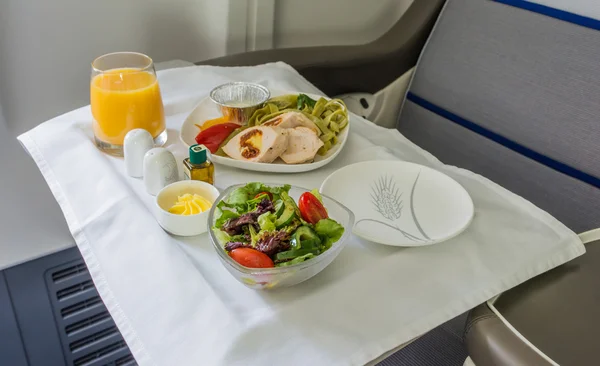
8. Fresh Fruits and Vegetables
While fresh produce sounds healthy, raw fruits and vegetables-especially the leafy greens and melons-can harbor bacteria from soil or water. Bacteria can be transferred from the rind of a melon when cutting it, while poor storage allows pathogens to multiply rapidly. Dible recommends choosing produce with a peel you can remove, such as bananas or oranges, or opting for canned fruit instead.
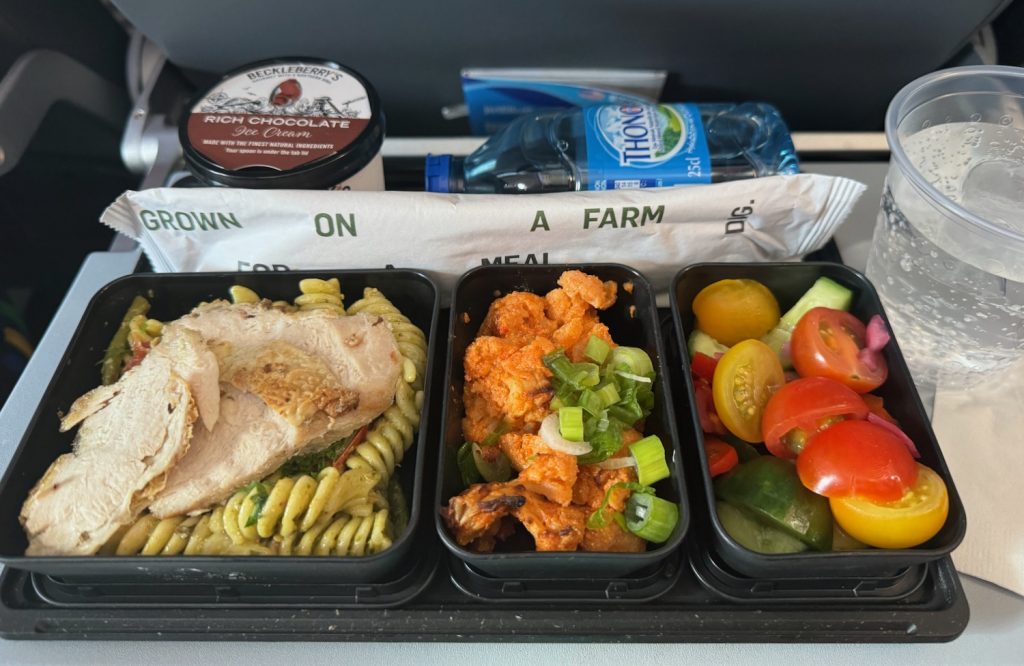
9. Airline Meals for Allergy-Sensitive Passengers
Because it’s served “restaurant-style,” in-flight meals are not legally required to carry labels listing allergens. Even when ingredient lists are given, Lianne Mandelbaum, the founder of No Nut Traveler, says they may fall short of packaging labeling standards. Take the case of Skylar’s 2023 reaction to mislabeled pesto pasta. Without guaranteed allergen transparency, bringing your own food is the safest bet. The cabin crew’s advice comes down to a mix of health awareness, courtesy, and caution. An airplane is an unique environment which magnifies the effects of certain edibles and drinks, making what might have been harmless on the ground a discomfort-or even a hazard-at altitude. By avoiding these nine categories, passengers can protect their well-being, spare their seatmates unnecessary discomfort, and arrive feeling far more refreshed.