
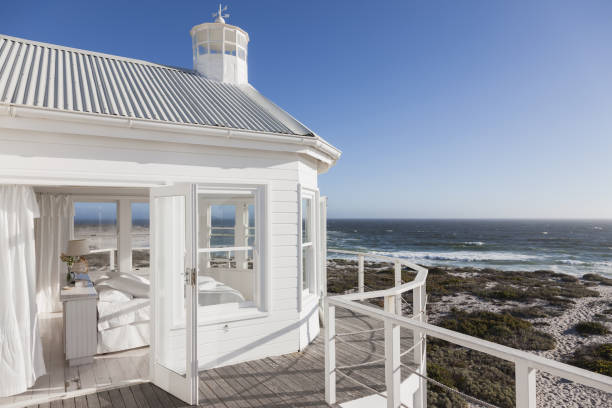
Could an ocean-view balcony cabin replace the suburban home as the ultimate retirement plan? For a growing number of adventurous retirees, the answer is yes but the financial reality is rather more complex than the dream suggests.

1. Sea vs. Land Retirement Costs
Traditional retirement expenses vary dramatically by location. A couple retiring in Hawaii might face annual costs of $232,837, while in West Virginia, the figure drops to $65,674. In New York, the projected annual expense is $128,005. Cruise living offers alternatives: back-to-back sailings on mainstream lines can top $216,000 annually for a balcony cabin, not including gratuities, internet or excursions. Luxury residential ships like The World demand multi-million-dollar buy-ins and six-figure annual fees. Mid-market entrants like Villa Vie Odyssey price balcony cabins at $340,000 for 15 years, with annual fees of $96,000 for a couple – potentially undercutting land-based costs in high-expense states.

2. The Allure of a Floating Lifestyle
Retirees find cruising appealing because of the ease and built-in adventure, says financial planner Alvin Carlos. “They want to see the world,” he said, often making up for limited travel during working years. It offers an all-inclusive environment meals, entertainment, and transportation between destinations without the burdens of home maintenance. Villa Vie’s Mikael Petterson describes it as “a new way of life” combining cultural immersion with the comforts of home.

3. Latent Financial Variables
Health care is the biggest cost wildcard. Generally, Medicare does not cover care received abroad, which means retirees at sea need to purchase global health insurance. A decent plan for two can cost $30,000 annually. Maintaining a land residence adds property taxes, insurance, and upkeep, while accommodations in hotels or rentals during gap time can further stress budgets. Excursions add up quickly, too it might cost $1,000 for two to visit a glacier in Alaska. Beverage packages, Wi-Fi and gratuities can add thousands each per year.
4. Health Coverage Realities
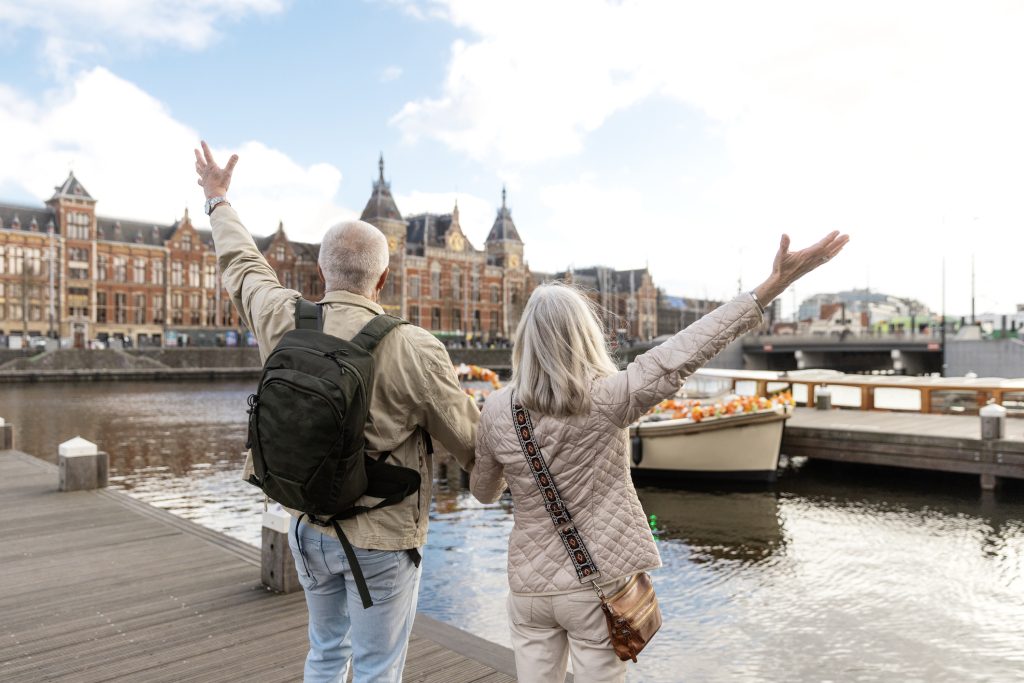
Under Medicare, persons who are abroad may retain premium-free Part A but it rarely covers international care. Part B, which rarely is cost-effective for permanent cruisers since ongoing premiums are required for no overseas benefits, also must be obtained. This means that retirees must investigate private global policies or national health systems in countries visited, with the assurance that future coverage will be adequate and affordable.

5. Lifestyle Constraints and Community Dynamics
Cruise living means traveling constantly but having very little private space. Sharon Lane, 77, who lives in 130 square feet in Villa Vie, considers the rest of the ship her living room, gym and spa. Social opportunities abound – there have been two weddings already on Villa Vie – but such a small, stable group of passengers may eventually start to feel claustrophobic. Itineraries are fixed, which limits spontaneity, and time in each port is often limited to a single day.
6. Long-term feasibility for aging retirees
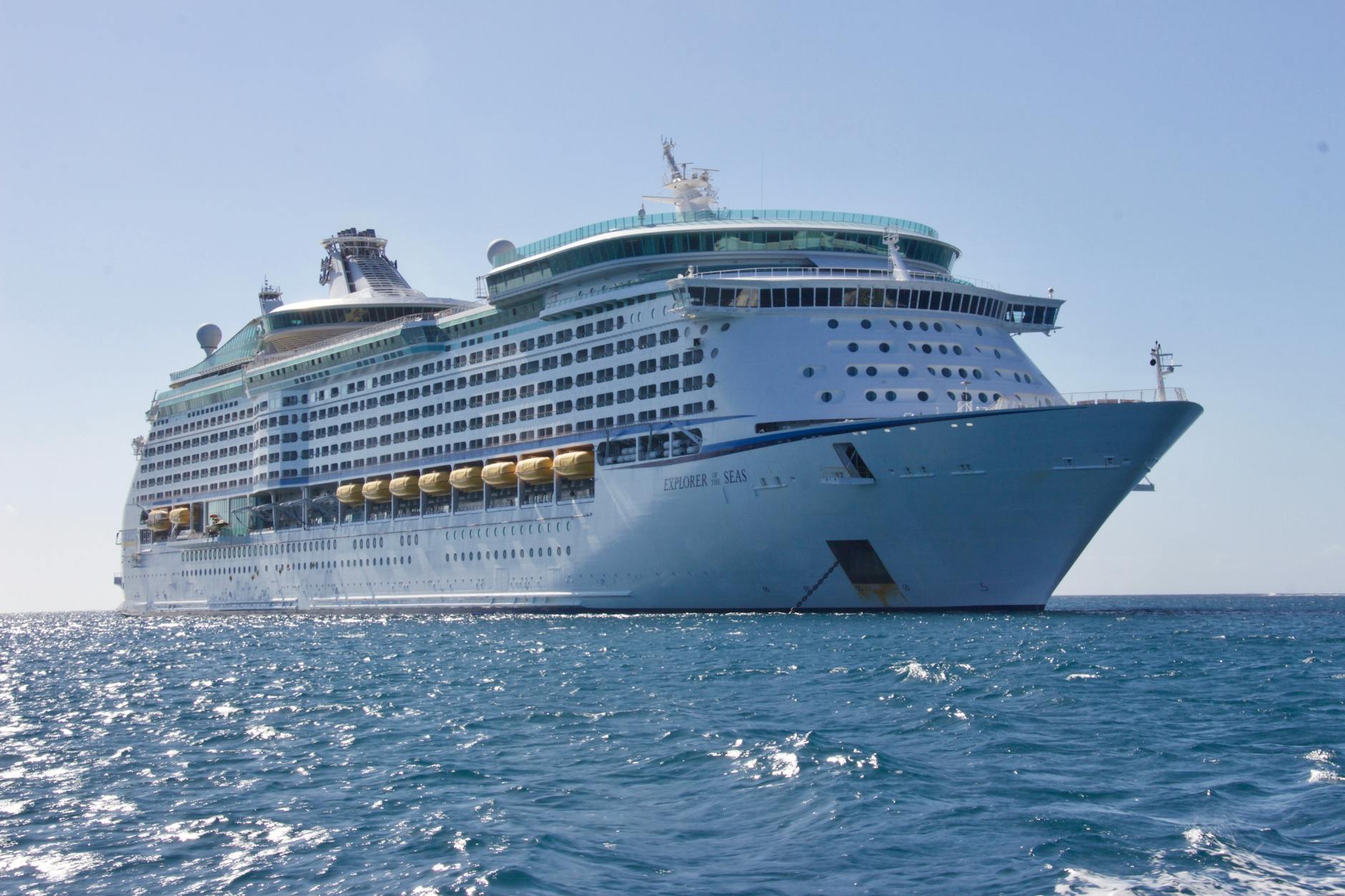
Rich Arzaga, a financial adviser, stated that cruise ships do not have elder care built in and thus cannot be a place to age in place. Problems with mobility or chronic conditions, or the need for specialized care, force people back to land-based facilities. Assisted living in the United States averages $70,800 annually, while home health aide services reach $77,792, rivaling or topping budget cruise living but offering superior care.

7. Global Retirement Trends and Well‑Being Strategies
Nomadic retirement lifestyles continue to grow in popularity, affording flexibility and cultural enrichment. Wellness-oriented ships, like Villa Vie Odyssey, provide yoga, fitness training, and educational classes as part of their voyage offerings that support guests’ physical and emotional well-being on lengthy voyages. Evidence-based strategies for older adults include regular exercise, social engagement, and balancing onboard routines with meaningful shore experiences that help to maintain mental well-being.
8. Environmental and Practical Considerations
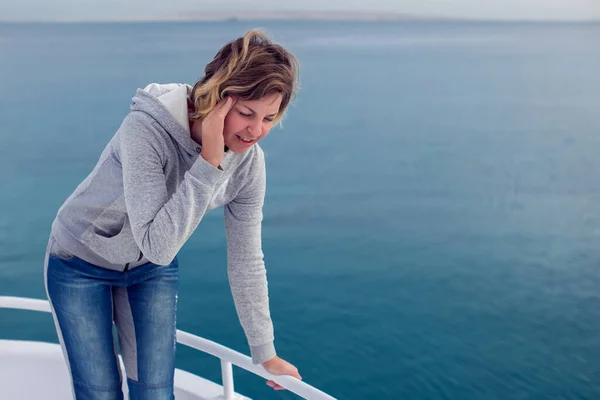
Cruise ships have considerable environmental effects, like air and water pollution, which might be a concern for eco-conscious retirees. Seasickness, though moderated with modern stabilizers, remains a practical issue; the medication costs, although modest against other costs, should be planned for. Privacy is limited, and public areas are crowded, which could be challenging to those who are used to quieter living environments.

Undeniably, there is something utterly romantic about retiring on the sea, but it is very much a decision that needs delicate balance regarding cost, health cover, lifestyle fit, and long-term feasibility. The trade-offs may be well worth ocean views daily and an itinerary across the globe for some, while the realities may anchor others firmly to land.


