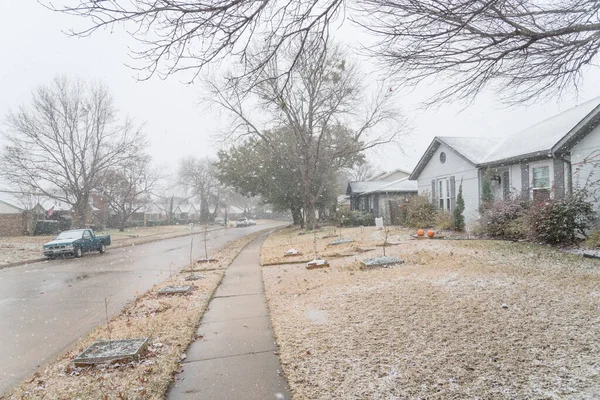
When the National Weather Service says travel could be “very difficult to impossible,” that’s not a suggestion-that’s a survival warning. This week, a massive winter storm system smothers seven states under up to three feet of snow, with blizzard conditions and winds strong enough to be dangerous, while travel through mountain passes becomes life-threatening. Knowing the warnings, knowing what’s coming, and preparation in body and mind can spell all the difference between safety and crisis.
1. Understanding NWS Alerts
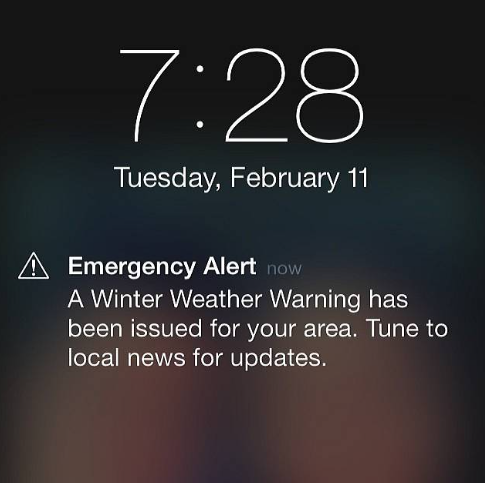
A winter storm warning means there is high confidence that heavy snow, sleet or freezing rain will cause significant impacts. A winter storm watch means forecasters see a medium chance of such conditions developing. Winter weather advisories cover lighter precipitation or blowing snow that can still make roads slick and hazardous. The most severe is a blizzard warning: Within 12 to 18 hours expect snow or blowing snow reducing visibility to 1/4 mile or less for at least three hours with sustained winds or frequent gusts of 35 mph or more.
2. High-Risk Zones by State
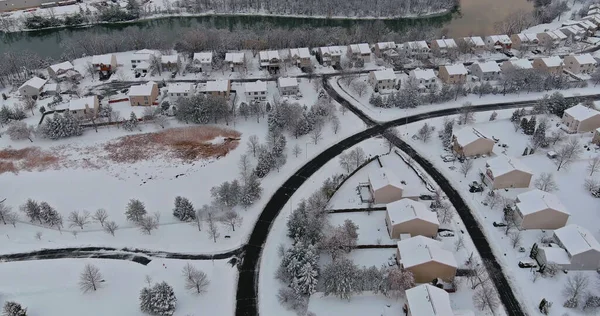
Colorado’s Central Mountains, Northern Mountains, and NW region can expect 6-20 inches with gusts to 65 mph. Closures over Vail Pass, Monarch Pass, and Rabbit Ears Pass are possible. Idaho’s Southeast Mountains and the Northern Panhandle will be in the 10-18 inch zone. Slick roads and delays can be expected. Alaska’s Panhandle, including Skagway and Haines, can see up to 26 inches and wind gusts up to 45 mph. This will be able to cause tree damage. Montana’s central, western, and south-central ranges will see up to 15-24 inches, which will make US-93 and I-90 hazardous. Utah’s Wasatch and Uinta ranges may go up to 1-3 feet, with probable traction restrictions and road closures. Wyoming’s Snowy, Sierra Madre, and NW ranges can expect blizzard conditions, 1-2 feet of snow, and a severe risk of frostbite.

3. Mountain PassesThe Most Dangerous Travel
Cottonwood, Rabbit Ears, Teton, Togwotee and Salt River passes will be snowpacked with visibility near zero. Winds over 65 mph will produce whiteouts. Authorities advise travel should be postponed until road conditions improve. If travel is unavoidable, chains, warm clothing, and a winter survival kit are essential.
4. Winter Travel Preparedness
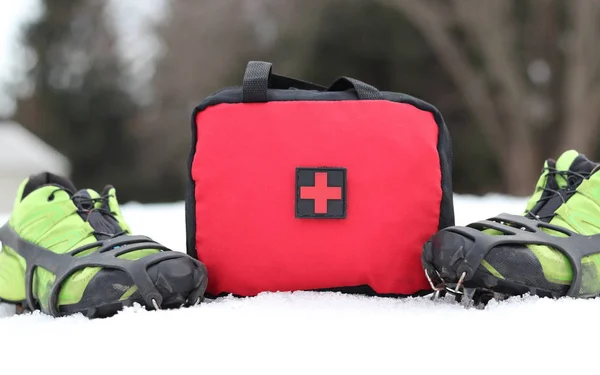
The kits should include water, non-perishable food, a flashlight, extra batteries, blankets, warm clothing, first aid supplies and a battery-powered radio. Officials recommend chains for tires on mountain areas, and would encourage checking road condition sites such as 511.alaska.gov before leaving.

5. Managing Weather-Related Anxiety
Severe storm watches stir anxiety and even fear. First, one must acknowledge these feelings. Mindfulness techniques can be a help, as well as paying attention to what one can do, and taking respite from around-the-clock news coverage. Positive psychology approaches, including cognitive reframing, help move the focus from catastrophe to manageable challenge, building resilience and hope.

6. Building Mental Resilience
Evidence-based strategies, like Psychological Capital, emphasize self-efficacy, optimism, resilience, and hope. Obviously, self-efficacy grows by preparing thoroughly, knowing evacuation routes, stocking supplies, and practicing safe driving in winter conditions. Optimism in this context involves acknowledgment of the severity, yet the belief in coping. Resilience training is one that has often been used within disaster preparedness to enable individuals and communities to bounce back after extreme weather events.

7. Community Support and Safety Networks
Strong community connections can make all the difference in lifesaving during extreme events: neighborhood phone trees, mutual aid pods, and shared emergency supply caches reassure community members that the most vulnerable neighbors are being accounted for and supported. Partnering with local libraries, churches, or other institutions can develop community resilience hubs equipped with backup power, heating, and supplies for longer-term outages.

8. Keeping Informed But Not Overwhelmed
While it is important to stay updated, constant monitoring serves only to heighten anxieties. Limit repeated exposure to the storm coverage with key updates from trusted sources. Schedule time for checks rather than continuous scrolling.

9. After the Storm Recovery
Common symptoms after the storm include headaches, muscle tension, and sleep disturbances. Ensuring routines continue, positive activities such as volunteering, and contact with support networks will help recovery. If significant distress continues beyond a few weeks, then professional mental health services will be required.
Heavy snow, combined with high winds and dangerous wind chills from this storm, make it one of the most hazardous events of the season. Knowing the warnings, being prepared, and looking out for each other will enable residents and travellers to get through the upcoming days with greater safety and confidence.