
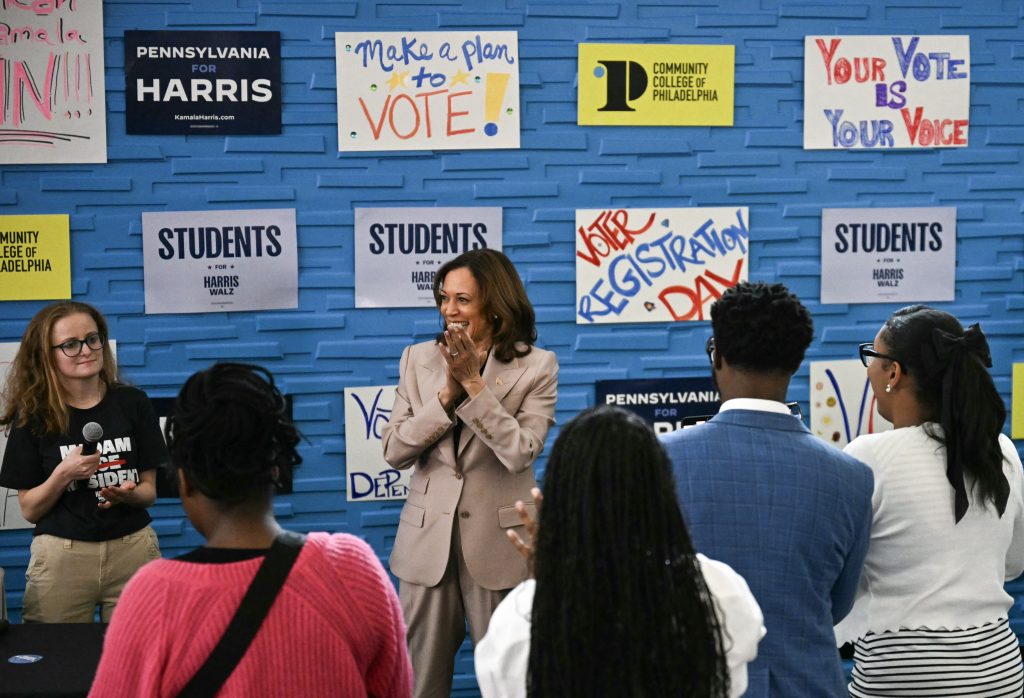
The latest findings from the Harvard Youth Poll open with a sobering truth: instability has become the defining feature of young adulthood in America. For Gen Z, aged 18 to 29, the survey reveals a convergence of deep economic anxiety, technological disruption, and collapsing trust in institutions. This is not a fleeting mood but a structural reality-one that shapes their political engagement, career expectations, and sense of community.

1. Economic Insecurity: A Unifying Experience
More than four in ten young Americans 43% say they struggle financially or get by with limited security. High housing costs, rising prices and student debt have transformed what was once considered a period of exploration into relentless financial triage. Federal Reserve Chair Jerome Powell said in September that “kids coming out of college and younger people, minorities, are having a hard time finding jobs.” This strain cuts across political and geographic divides, creating a rare shared experience among urban and rural youth, conservatives and progressives alike.
2. AI: a looming threat to careers?
The poll shows 59% now view artificial intelligence as a threat to their job prospects-something many fear more than immigration or outsourcing. A survey conducted by Deutsche Bank showed that 24% of workers aged 18-34 said they’d rank their concern about losing their job at an 8 or higher, while just 10% said the same among those 55 and over.

Research by Stanford and Harvard documented that AI-adopting firms are shedding junior employment, while unemployment among recent graduates stands at 4.8%, above the national average. For many, AI is not a promise of opportunity but a signal of precarious schedules, algorithmic layoffs, and diminished meaning in work.
3. A Collapse in Institutional Trust
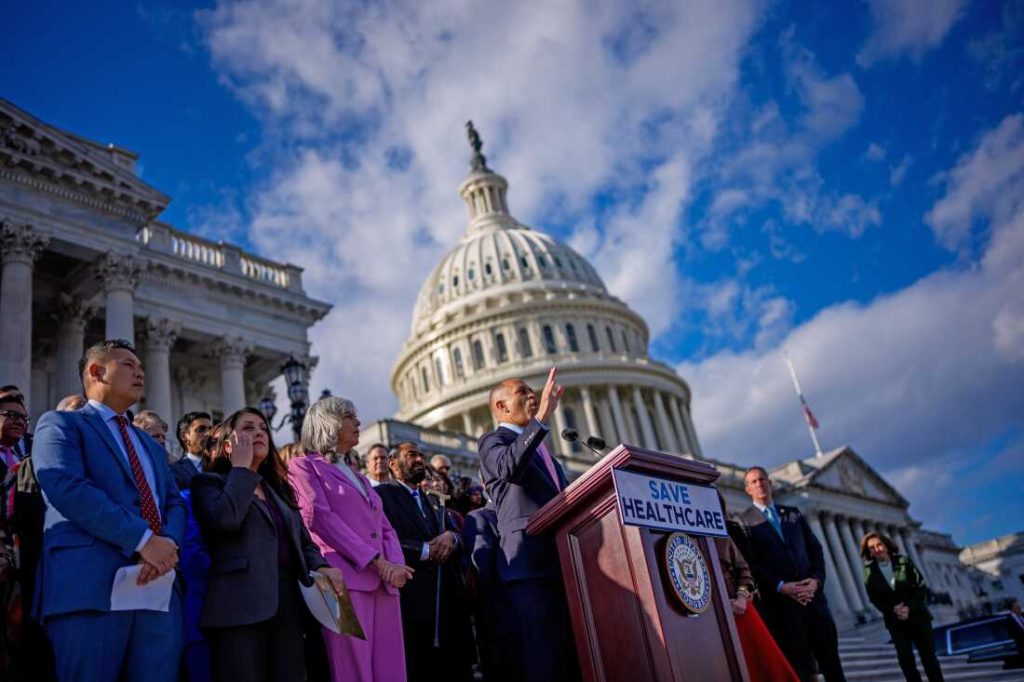
Confidence in government, political parties, and mainstream media are at historic lows. Even the institutions that fare better, like colleges, operate under a cloud of skepticism. The approval for President Donald Trump among this group stands at 29%, with little difference between Democrats and Republicans. Preference for Democratic control of Congress in 2026 seems to be driven more by resignation than enthusiasm. As polling director John Della Volpe said, “Instability is shaping nearly every part of young people’s lives.”

4. Social Trust and Community Disconnection
Harvard’s findings are in line with data from the Pew Research Center that indicates that social trust shares a relationship with financial well-being and neighborhood safety. Young Americans increasingly avoid talking about politics for fear of backlash; only a minority report feeling deeply connected to their community. Declines in trust correlate with broader changes in society: increased political polarization, income inequality, a decline in face-to-face interaction, and a decline in shared media consumption.

5. Pathways to Disconnection
Research on “opportunity youth”-those neither in school nor working-reveals early-life risk factors that foreshadow later disconnection. Suspension in school for males and early pregnancy for females strongly correlate with eventual detachment from work and education, according to RAND’s longitudinal analysis. Depression, substance use, and weak social support structures compound these risks. If left unaddressed, these pathways feed into the broader alienation documented in the Harvard poll.
6. Political Engagement Beyond the Ballot Box
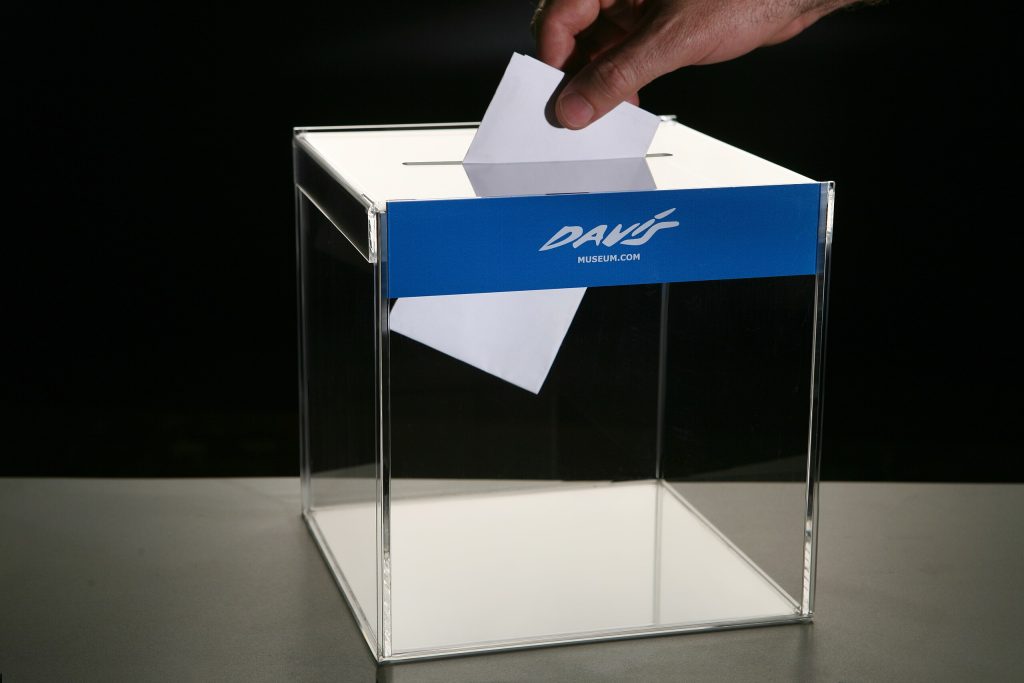
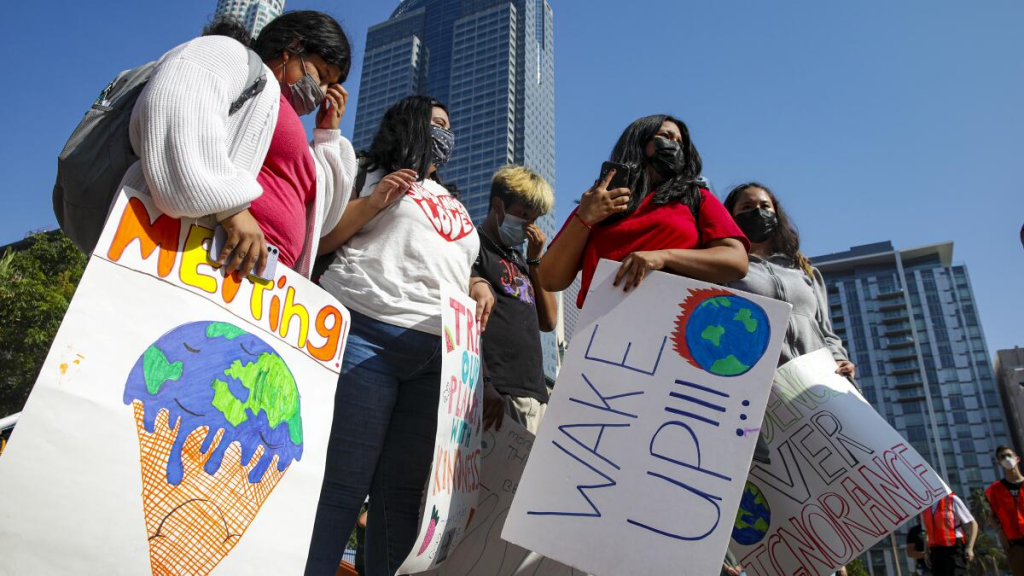
While formal political participation is declining, Gen Z is politically engaged in informal civic movements. Around the world, youth-led campaigns such as Medellín’s Participatory Budget and Uganda’s U-Report illustrate that when accessible mechanisms are in place, young people participate. In the United States, issue-based campaigns targeting youth issues such as the NYC mayoral run of Zohran Mamdani have proven that outreach-based mobilization on discrete issues can activate disillusioned voters. However, without the integration of youth into the structural decision-making processes, the frustration with formal politics will continue.

7. Emotional Resilience and Rebuilding Trust
Evidence suggests that strengthening social ties can buffer against the corrosive effects of economic and institutional instability. Higher levels of social trust are associated with greater life satisfaction, better health, and stronger family relationships. Community-level interventions from volunteerism to restorative justice programs in schools can help rebuild trust and re-engage disconnected youth.
These strategies address not only the symptoms of alienation but its root causes, offering a counterweight to the instability that defines Gen Z’s outlook. The stark portrait the Harvard Youth Poll paints of Gen Z is both a warning and a call to action. Economic insecurity, job anxiety driven by AI, and institutional distrust are not isolated issues but interlocking forces shaping the arc of a generation. These issues call for coordination across policy, education, and community life-and the readiness to meet young people where they are, whether that is in formal or informal spaces.


