
What happens when a house key is traded in for an ignition key? To many, the leap into full‑time RV living starts with visions of endless horizons, freedom from fixed addresses, and mornings spent parked beside breathtaking landscapes. But behind the Instagram-worthy sunsets, such a lifestyle requires adaptability, resourcefulness, and a fair bit of planning.
The appeal of digital nomadism, downsizing, or simply hitting the open road is resonating more and more with adults, and living in an RV year-round is at once both a challenging and rewarding experience. Drawing from the broad experiences of many seasoned travelers, here’s a candid overview of what it’s like to create a home on wheels-from having that thrilling capability of changing one’s view at will, right down to the nitty-gritty of dealing with utilities, relationships, and repairs.

1. From Vacation Vehicle to Permanent Home
For many RV travelers, the journey begins as a means of traveling in comfort, avoiding hotels and bringing pets along, and maintaining a sense of familiarity on the road. Sometimes, this quickly evolves into full‑time living when jobs allow for remote work. Initially, there may be apprehension about giving up traditional home, but this usually fades once the benefits of mobility and location independence become more apparent.
2. Downsizing Without Regret
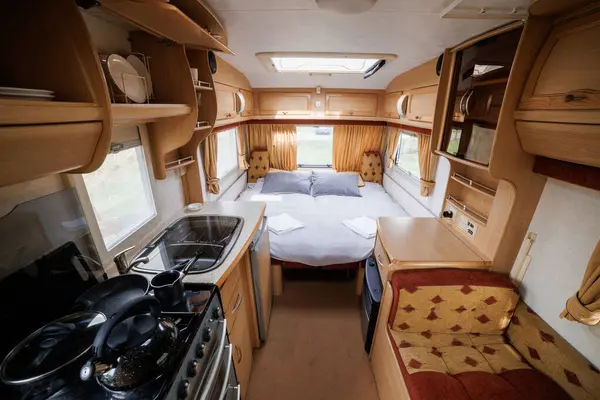
Moving into an RV involves paring down to just the essentials. Full‑timers with experience suggest that one should begin months in advance: sell big furniture as it reduces storage costs, give sentimental items away to friends or family. This couple soon discovered paying for storage to be an unwanted cost; hence, they reduced their keepsakes to only three small boxes. Let logic, not emotion, rule decisions and this should help them get rid of clutter from resurfacing within the precious little space.

3. Establishing Residency and Mail Solutions
A fixed address is still needed for licensure, voting, and taxes. Florida, Texas, and South Dakota are popular destinations because of their RVer-friendly policies. Mail‑forwarding services eliminate the delivery problem by receiving and reshipping correspondence to whatever RV park the rig is parked in. This pragmatic step takes away one of the biggest concerns for new full‑timers.
4. Reliable Internet Is Non‑Negotiable
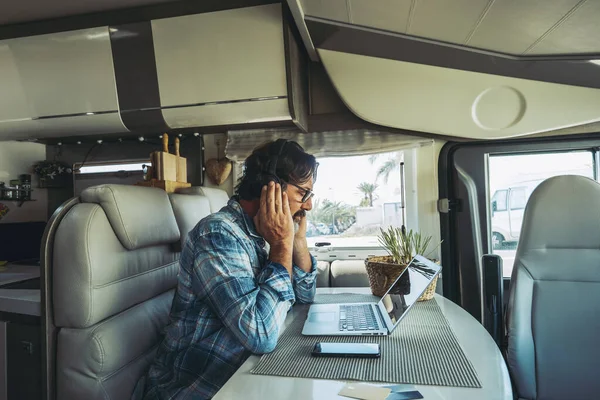
For remote workers, campground Wi‑Fi is seldom adequate. Many rely on cellular hotspots, boosters, or satellite options like Starlink Roam for coverage in remote areas. Redundancy – having multiple ways to connect – is key. Plan travel around connectivity, and arrive a day before major work commitments to avoid stressful surprises.
5. Utilities and Space Management
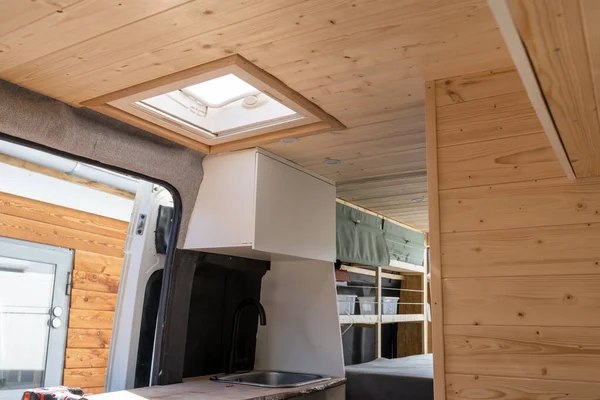
Some RV bathrooms are spacious, complete with dual sinks, while others are wet baths, where the shower is over the toilet. When outside a campsite or facility, waste tank dumping, water refills, and power management become a part of the routine. Kitchen space may be smaller, but most rigs still have full cooking facilities, so meals can be prepared much as in a traditional home.

6. Navigating Life in Close Quarters
Living in just under 300 square feet is an exercise in communication and compromise. As one long‑term couple articulated, clutter feels magnified and tidiness counts. Established roles-from planning routes to who manages the utilities-reduce friction. Respecting different sleep cycles and cleanliness standards and having “me” time helps maintain a healthy relationship.
7. Embracing Outdoor Living
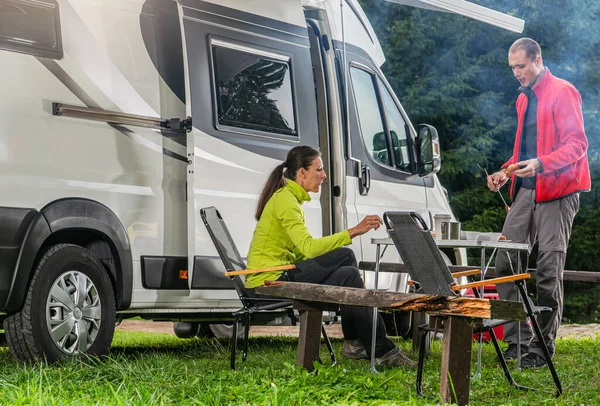
When space starts to feel tight, a step outside resets the mood. Many RVers incorporate hiking, biking, or even learning new sports into daily life. Outdoor activities are great ways to beat cabin fever but simultaneously help create shared memories and connections with fellow travelers.

8. Planning Routes and Stays
Unlike those impromptu weekend excursions, full‑time RVing calls for strategic planning. Most of the popular stops fill up months in advance. Major national parks are definitely the most sought-after destinations during the summer. Others travel very slowly, two weeks or more in one spot, to avoid the grind of continuous packing and moving. Usually, social events like weddings or family visits become anchors that help to frame time.
9. Handling Repairs and Wear
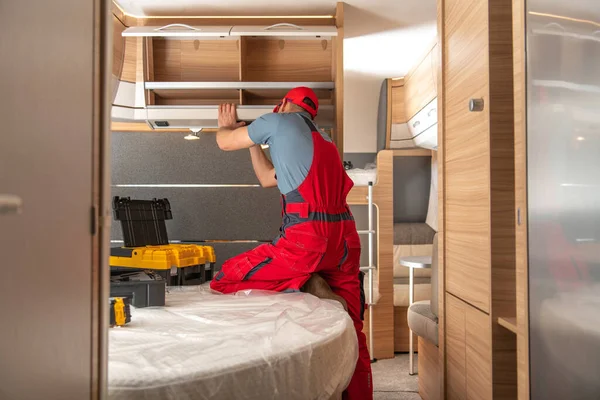
Constant motion means wear and tear. From tightening screws to fixing appliances, maintenance is inevitable. Some choose simpler, more modular rigs for easier repairs with limited tools. Others rely on the support of a manufacturer or a mobile repair service, but all agree that a willingness to troubleshoot is key.
10. The Rewards Outweigh the Challenges
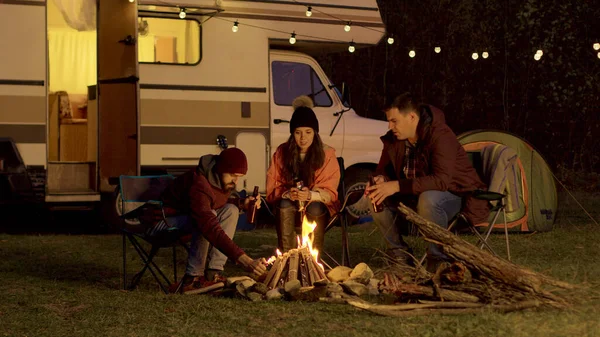
The ability to park beside a trailhead, follow good weather, and change the view from your window at will is a unique joy. Planning, repairs, and tight quarters can be demanding, but seasoned RVers consistently affirm that the freedom, flexibility, and daily variety make the lifestyle worth every hurdle. Full‑time RVing is neither a never‑ending vacation nor a continuous fight.
It’s balancing acts between preparedness and spontaneity, between independence and cooperation. For those prepared to embrace beauty as well as bumps, a home on wheels promises to be a life filled with experiences-and the sure knowledge that the journey itself is the destination.