
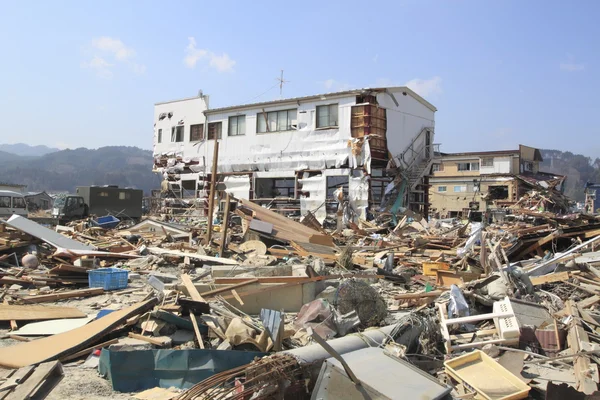
A 7.6-magnitude earthquake, whose focus was in the ocean off Aomori Prefecture, hit northern Japan just before midnight on December 8, issuing tsunami warnings throughout several areas and sending people into urgent evacuations. The Japan Meteorological Agency had issued a warning for waves as high as three meters, but later advisories were given as actual surges reached 70 centimeters in Kuji port, Iwate Prefecture, and 50 centimeters in other coastal communities. It struck at 11:15 p.m., the strongest shaking occurring in Hachinohe, where residents reported violent vertical and lateral shaking that people said made it impossible to stand.
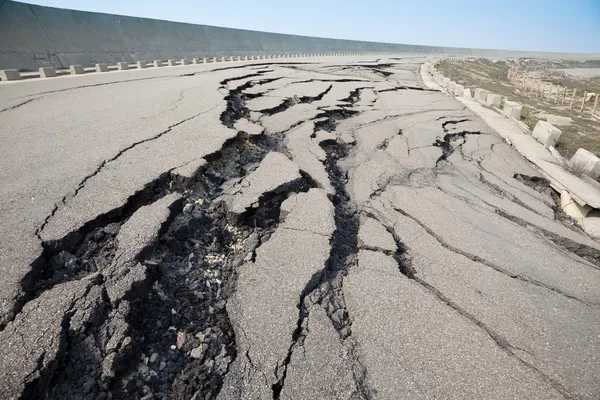
1. Immediate Effects in the North of Japan
Authorities ordered evacuations in Hokkaido, Aomori and Iwate, with advisories extending to Miyagi and Fukushima. Close to 114,000 residents were instructed to leave their homes at the peak of the warnings. Injuries were reported in hotels and private residences, the majority of the victims having been struck by falling objects. The transportation network also received a heavy blow. Shinkansen bullet trains and local rail lines were suspended; highways were closed, and about 200 passengers were stranded overnight at New Chitose Airport after ceiling damage rendered part of its terminal unusable.
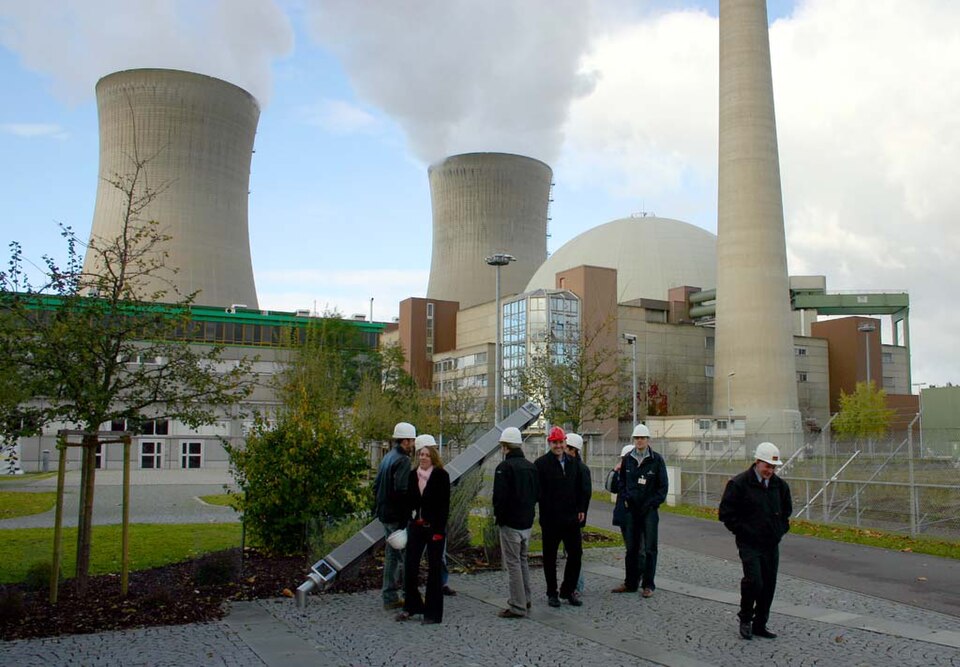
2. Nuclear Safety Inspections
Japan’s Nuclear Regulation Authority pointed out that no abnormalities were detected at key plants, including Fukushima Daiichi, but 450 liters of water spilled from a spent fuel cooling system at the Rokkasho reprocessing facility in Aomori. The International Atomic Energy Agency emphasized that all nuclear sites were operating normally, with some precautionary pauses in wastewater releases.
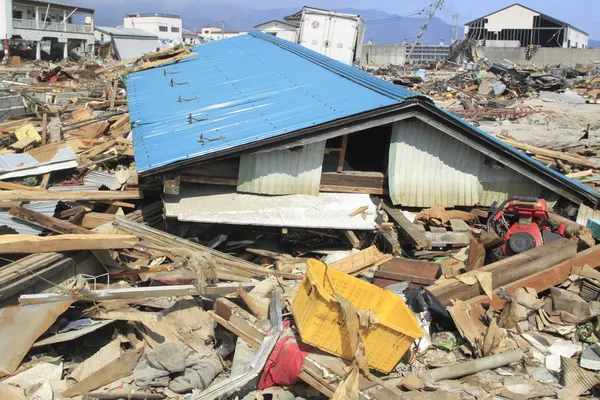
3. Seismic Vulnerability of Japan
Japan is located on the “Ring of Fire,” where four tectonic plates meet. Decades of gradual, centimeter-by-centimeter subduction of the Pacific Plate under the North American Plate store immense pressures that suddenly and unpredictably burst as earthquakes. Such sea-bottom tremors off the coast can easily spawn tsunamis that race across the land at jet-plane speeds, wiping away swaths of coastline in mere minutes. The Japan and Chishima Trenches have generated many of this country’s deadliest earthquakes and tsunamis, including the 2011 9.0-magnitude earthquake and tsunami that killed almost 20,000.
4. Megaquake Advisory
For the first time since it was created in 2022, Japan issued its highest level of megaquake advisory across 182 municipalities, from Chiba all the way up to Hokkaido. Government estimates warn that an offshore megaquake could yield a 30-meter-high tsunami, kill as many as 199,000 people, destroy 220,000 buildings, and incur economic losses of 31 trillion yen. While officials stress this is not a prediction, the public is being advised to maintain heightened vigilance for at least a week.
5. Early-Warning Systems
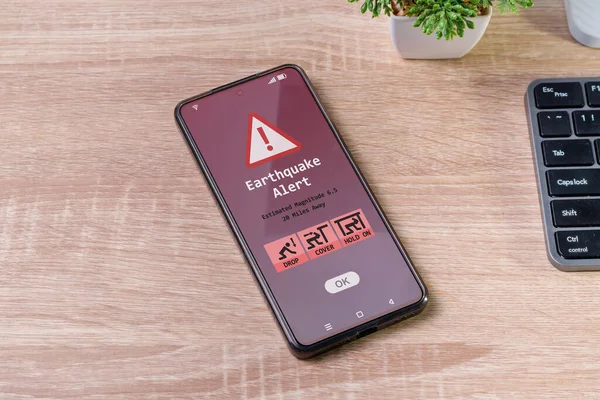
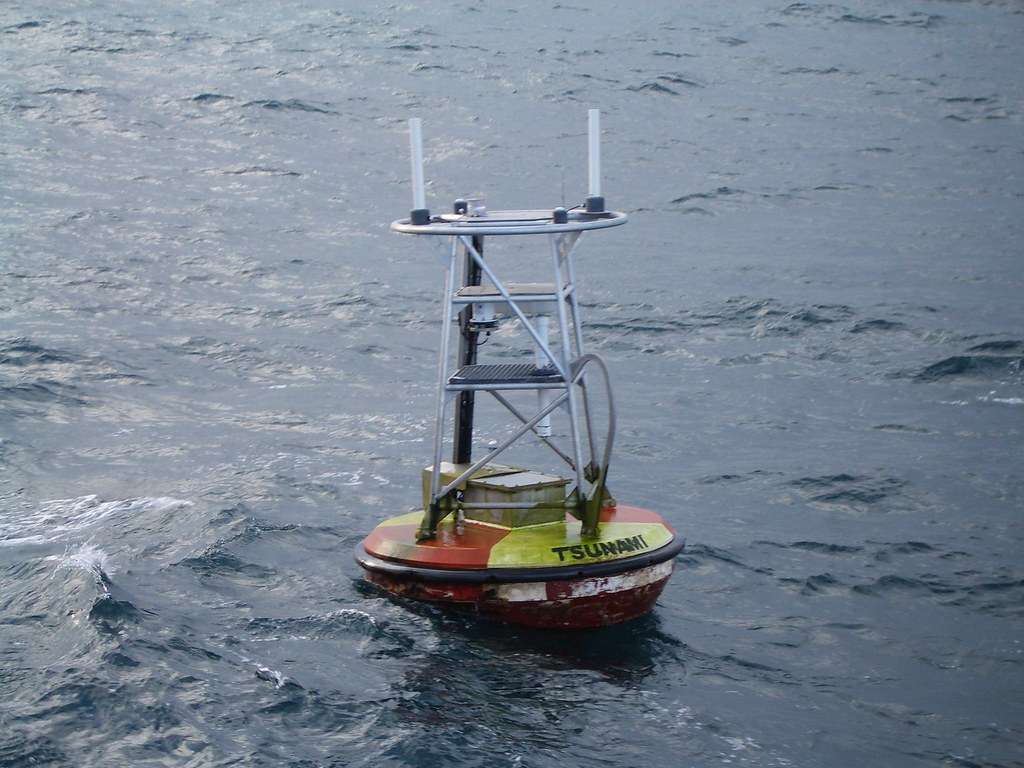
These warnings of a quake and tsunami in Japan depend on seismic sensors and Deep-ocean Assessment and Reporting of Tsunamis buoys linked to warning centers to supply real-time data. Such apps, like Yurekuru Call, can provide seconds of advance notice; those seconds can allow people to drop, cover, and hold before the shaking intensifies.

6. Coping with Disaster Anxiety
Natural disasters can cause powerful emotional and physical reactions. Experts recommend restricting exposure to the continuing news, keeping regular schedules for meals and sleep, and remaining in touch with positive friends and family. Stress-reducing measures include breathing exercises, mindfulness, and light exercise. The Disaster Distress Helpline is a service that provides crisis counseling 24/7 for people experiencing emotional distress related to events such as earthquakes and tsunamis.

7. Supporting Children and Adolescents
Children may also respond with clinginess, sleep disturbances, or a regression of previously established behavior. Adults can provide honest, age-specific information, limit exposure to frightening images, and maintain family routines. They can lower the chances of long-term psychological damage by allowing expression through play, art, or conversation.

8. Preparedness Measures
Residents are encouraged to maintain emergency kits with water, nonperishable food, flashlights, radios, extra batteries, blankets, and copies of vital documents. Furniture and heavy appliances should be secured to prevent tipping. Going to higher ground immediately after strong shaking in coastal areas could mean the difference between life and death without waiting for official tsunami orders.

All warnings and advisories regarding tsunamis have been retracted, but aftershocks continue to hit, including those above magnitude 6.0. According to the JMA, the possibility of significant seismic events remains high in the next few days, yet it advises simply on readiness and calm vigilance.


