
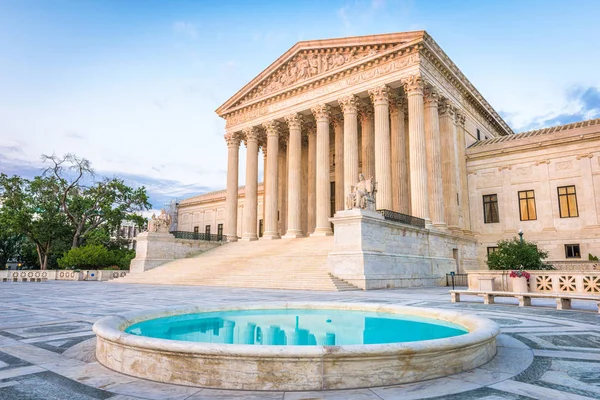
The refusal of the Supreme Court to hear the Llano County, Texas, library case has left in place a Fifth Circuit Court of Appeals decision that redefines the constitutional boundaries of public library collections. In a sharply divided 10–7 ruling, the Fifth Circuit concluded that library book removal decisions constitute “government speech,” effectively permitting local officials in Texas, Louisiana, and Mississippi to remove books based on viewpoint without violating the First Amendment.
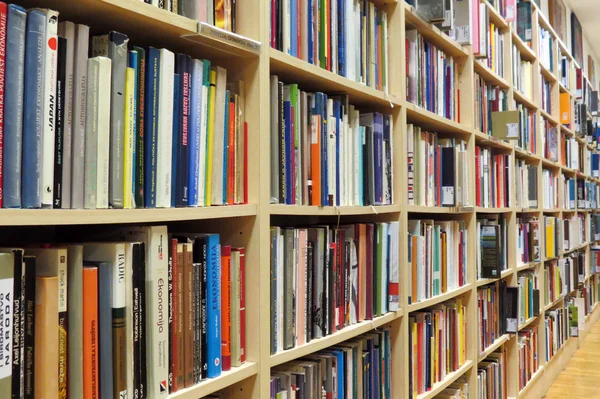
1. A Case to Redefine Public Library Rights
The controversy began in 2022 when officials in Llano County ordered the removal of 17 titles from public libraries-many of which dealt with race, gender, sexuality, and social justice. Among them were “Caste” by Isabel Wilkerson, “They Called Themselves the K.K.K.” by Susan Campbell Bartoletti, and “Being Jazz: My Life as a (Transgender) Teen,” the memoir by Jazz Jennings. Others were children’s books over humorous themes, including “Larry the Farting Leprechaun.” The plaintiffs contended that the removals constituted viewpoint-based censorship in violation of the First Amendment right to receive information. A majority in the Fifth Circuit rejected that contention, overturning precedent to declare that public library curation constitutes a form of government expression insulated from constitutional scrutiny.
2. Alarm Voices from Free Speech Advocates
Free speech groups responded with alarm. Elly Brinkley of PEN America said, “Leaving the Fifth Circuit’s decision intact erodes the most basic principles of free expression and allows state and local governments to censor ideology with impunity.” Sam Helmick, president of the American Library Association, said the decision “places government libraries at risk of becoming indoctrination centers, rather than the protected centers of free inquiry they must remain.”
3. Deep Community Divides in Llano County
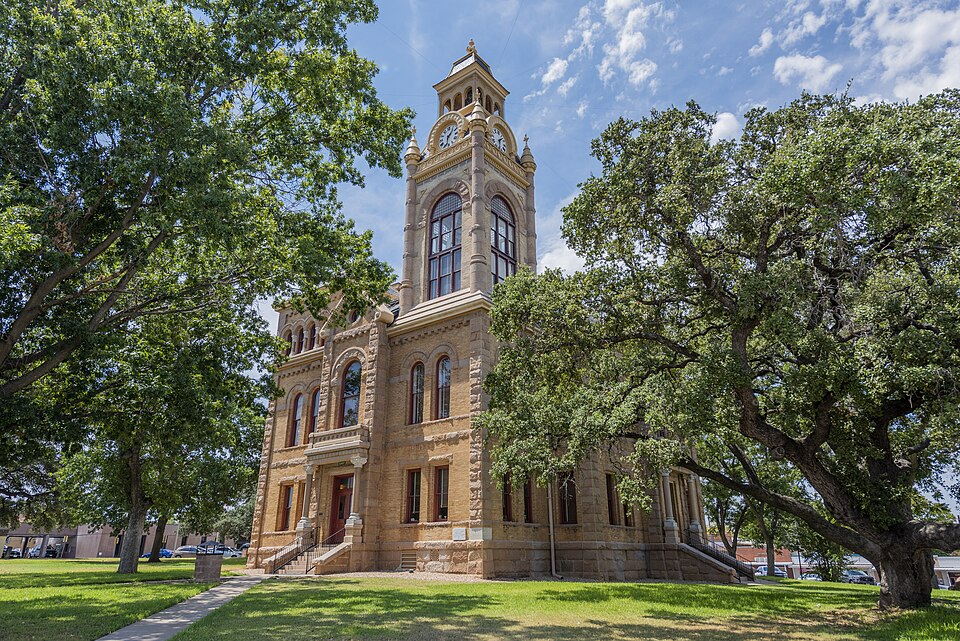
Llano County, a conservative rural region northwest of Austin, became a flashpoint in the national debate over book bans. The removals followed resident complaints about “pornographic filth” and coincided with broader state-level efforts to review hundreds of titles in school and public libraries. The fight divided this tight-knit community, with some residents battling to keep the books accessible and others pushing for their removal.
4. Fifth Circuit’s Break from Precedent
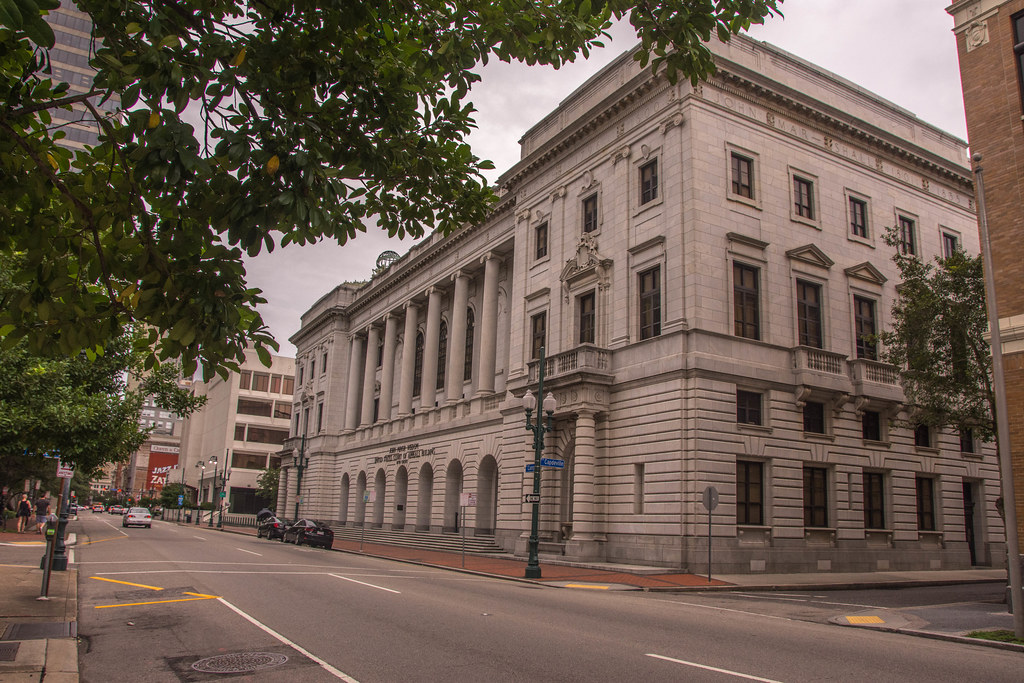
It overruled the circuit’s own 1995 decision in Campbell v. St. Tammany Parish School Board and broke with the Supreme Court’s 1982 Board of Education v. Pico precedent holding that school boards may not remove books simply because they disapprove of the ideas they contain. In his majority opinion, Judge Stuart Kyle Duncan brushed off any concerns about censorship, writing that “No one is banning (or burning) books. If a disappointed patron can’t find a book in the library, he can order it online, buy it from a bookstore, or borrow it from a friend.”
5. Dissenting Judges Warn of Censorship Risks
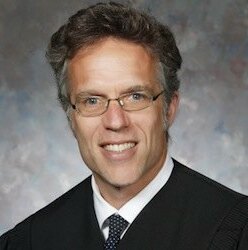
“Disturbingly flippant and legally unsound,” the majority’s decision sanctions “government censorship in every section of every public library in our circuit,” Judge Stephen Higginson wrote in dissent. The government must not take from parents the choice to control the reading of their own child without also imposing their choice upon other parents’ children, the dissent pointed out.

6. The Psychological and Civic Consequences of Censorship
According to research, banning books that deal with issues of race, gender, and marginalized identities can damage democratic trust and even the sense of personal safety. Psychologists echo that experiencing diverse thinking engenders empathy, critical thinking, and civic involvement. Place restrictions on such exposure, and the reasonable result is political polarization with a loss of credibility in public institutions. Studies around book banning show that children’s books with main characters featuring diversity are disproportionately banned. Authors of color are overrepresented among banned writers.
7. The Political Context of the Rise in Book Bans
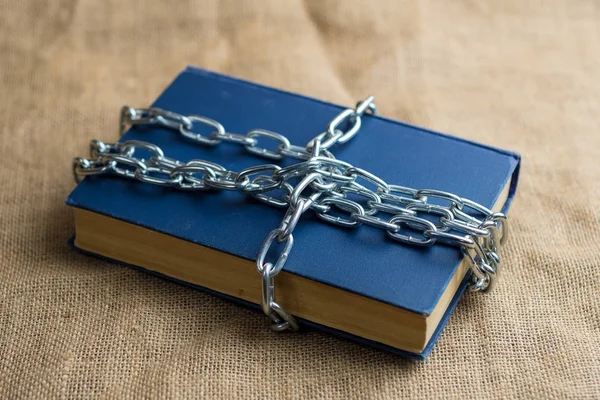
Data from a national analysis of 2,532 bans in the 2021–2022 school year suggest that bans often occur in counties with increasingly contested political majorities. Rather than suppress widely popular books-many banned titles have low sales and public interest-these actions may more accurately be described as a set of political strategies to galvanize voters by engaging in “culture war” battles over race, gender, and sexuality.
8. Making political anxiety great again: How free speech controversies are managed on campus
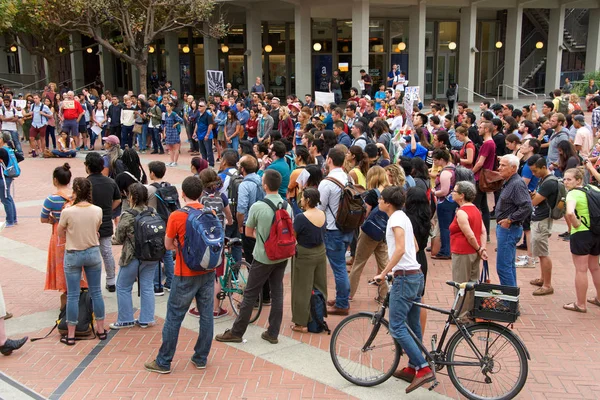
Experts suggest that amid free‑speech controversies, which polarize society, keeping the best principles of political anxiety in check will help to focus on constructive civic engagement by attending local library board meetings, support inclusive policies, and build coalitions across ideological divides. Keeping it in perspective, though the ruling impacts certain states, advocacy at a local and state level remains an incredibly powerful tool to safeguard access to information.
9. Possible Legislative and Legal Ways Ahead
Proponents note that civil rights statutes and public accommodation laws may provide other modes of challenging viewpoint-based removals as discriminatory when they disproportionally affect protected groups. Programs such as Delaware and Vermont’s Libraries for All Act mandate public libraries to reflect the diversity of their communities. The Supreme Court may eventually take on the constitutional questions presented in light of the circuit split with the Eighth Circuit.
In declining to intervene, the decision by the Supreme Court left the Fifth Circuit’s ruling as binding in its jurisdiction; yet it has inflamed national debates centered on the limits of government control in public spaces. For the civically engaged reader, this case underlines a dual imperative of vigilance in defense of free speech and equitable access to information.


