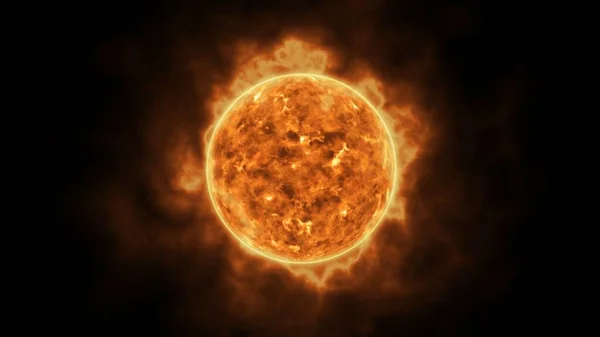
What happens when the Sun pulls out all the stops? The past week has provided a dramatic reminder, as a truly enormous X2.7-class solar flare blasted its way from active sunspot region AR4087, emitting radiation powerful enough to trigger radio blackouts across the Middle East and other sunlit areas. Caught by NASA’s Solar Dynamics Observatory, this flare is the most powerful so far in 2025, arriving just when the Sun is at its solar maximum-the most volatile period in its 11-year cycle, characterized by frequent sunspots and flares.
1. The Immediate Impact: Radio Blackouts
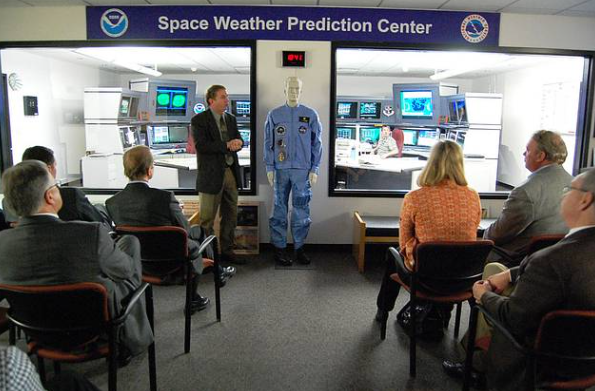
According to NOAA’s Space Weather Prediction Center, HF radio signals were blacked out for about ten minutes after the flare peaked. Those using such signals on the sunlit side of Earth saw temporary degradation or a complete loss of service. Though brief, these interruptions are a reminder of how quickly solar activity can impede critical communication systems, from aviation to maritime operations.
2. The Solar Maximum Effect
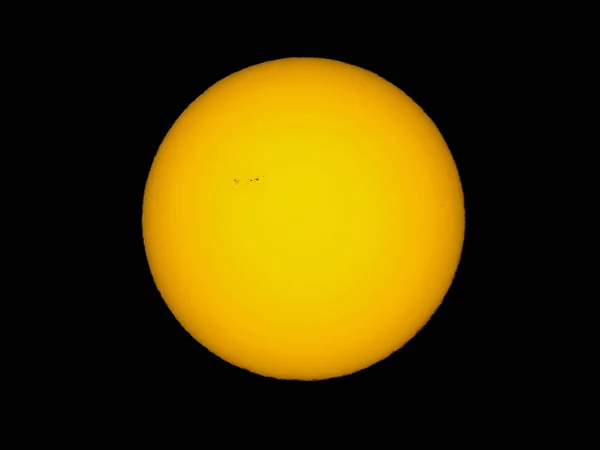
The Sun’s present activity is dominated by the magnetic pole flipper, energizing storms, flares, and coronal mass ejections. AR4087, which the UK Met Office characterized as “rowdy,” has already spawned numerous M-class flares in addition to the X2.7 eruption. Forecasters said as many as five active sunspot regions were rotating toward Earth, with a good chance of more Earth-directed storms over the next few days.
3. Horizon Auroras
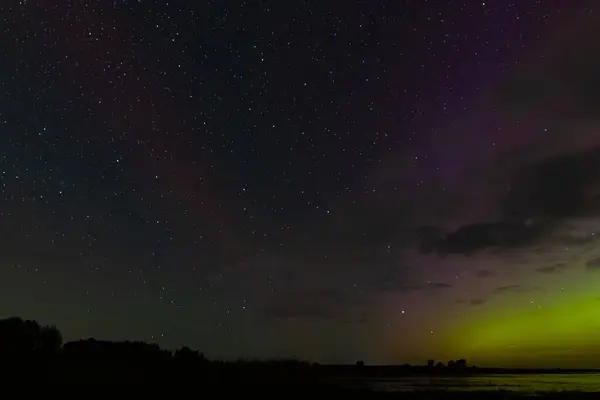
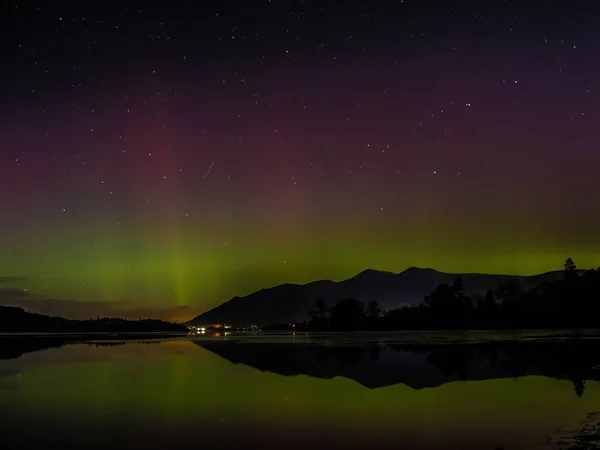
While solar flares bring disruption, they also offer spectacle. CMEs massive clouds of charged particles can interact with Earth’s atmosphere to produce vivid auroras. NOAA’s OVATION model indicates that this storm could make the Northern Lights visible far beyond their usual range, offering a rare treat for skywatchers in northern U.S. states. Optimal viewing, again, requires dark, rural locations and clear skies.
4. Spacecraft and Satellite Risks
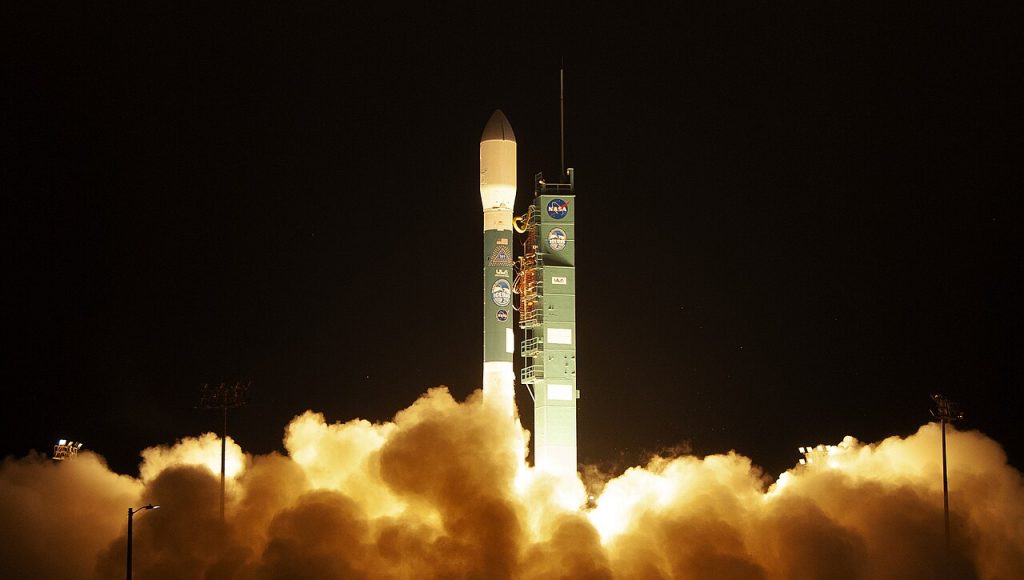
A geomagnetic storm in May 2024 showed how solar activity can put satellites at risk. NASA’s ICESat-2 was powered down to safe mode for protection, as other missions barely escaped the same fate. Solar flares have been known to flip bits in onboard computers, mess with the calibration of instruments, and shift the orbits of satellites due to atmospheric drag. Emergency maneuvers burn fuel that could be used to extend mission lives.
5. Power Grid Vulnerabilities
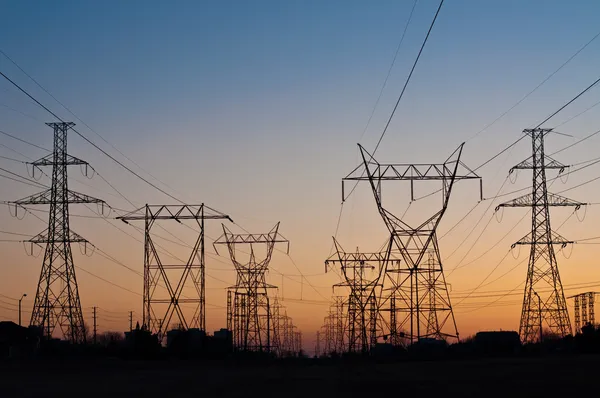
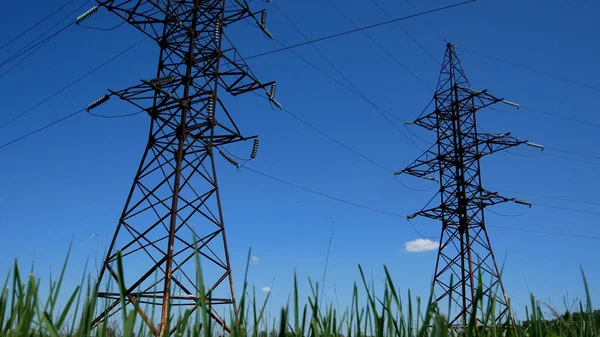
The geomagnetically-induced currents produced during these extreme space weather events can overload transformers and knock out electricity supply. History has shown the consequences: a 1989 blackout in Quebec, for example, left six million people without electricity. Though modern grids have invested in technologies to mitigate these kinds of threats-series capacitors and neutral blocking capacitors among them-their deployment remains spotty. Now, a new machine learning method developed by CIRES researchers offers up to an hour of advance warning about incoming GIC threats-the time it takes for operators to adjust loads or isolate the vulnerable lines.
6. GPS and Navigation Disruptions
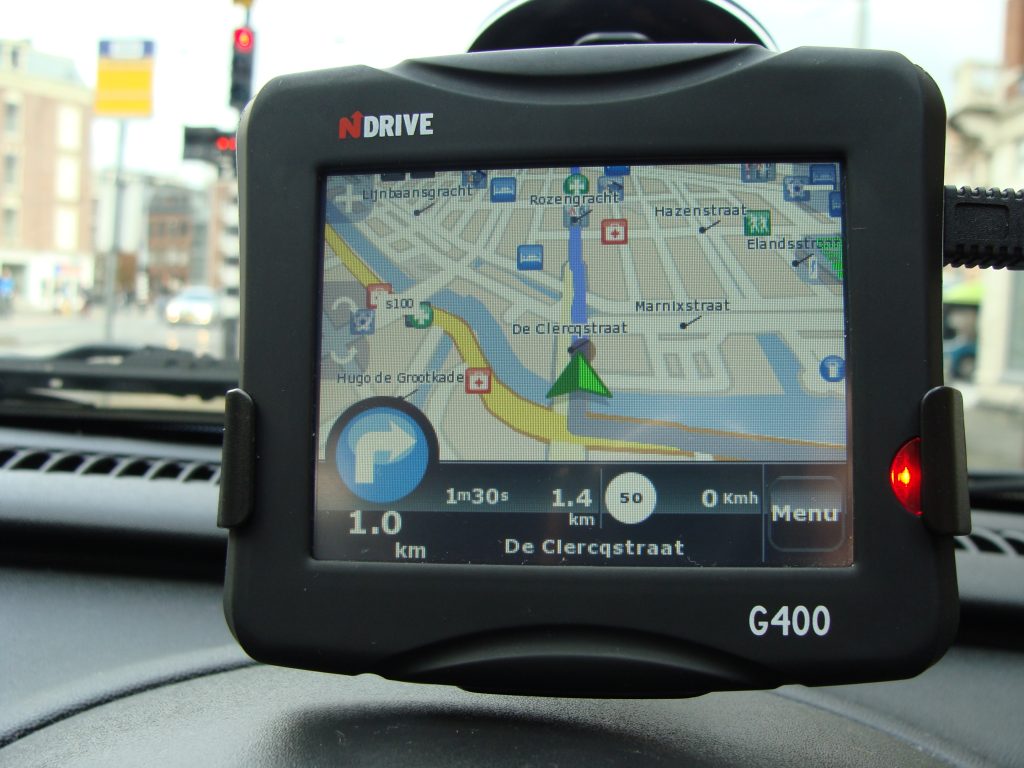
Space weather deforms GPS signals as they travel through the ionosphere, causing position errors up to tens of meters in single-frequency systems during heavy storms. Dual-frequency systems, though more resilient, still lose satellite lock when faced with severe ionospheric turbulence. This could affect highly precise industries such as aviation, shipping, and agriculture.
7. Forecasting Challenges
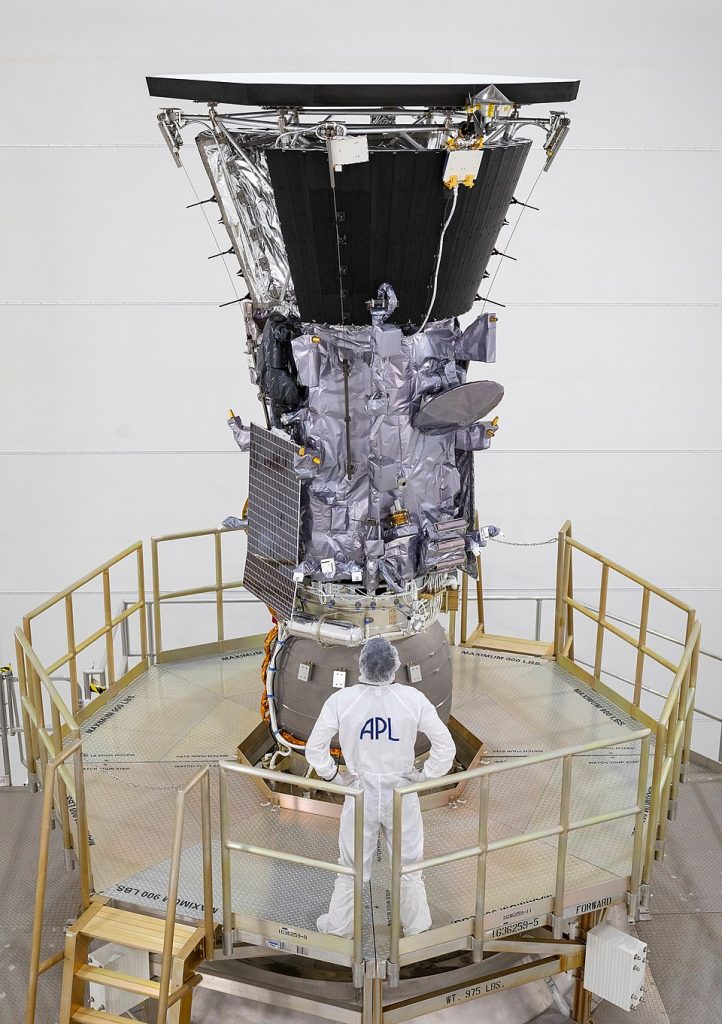
And despite advances from the likes of Parker Solar Probe, SOHO, and DSCOVR, this is all a remarkably complex solar weather system to predict. “Space weather is not nearly to the point of Earth weather,” notes NOAA’s Russell DeHart. The physics of the Sun defies easy forecasting, and while warnings can be issued a day or even two days before CMEs begin arriving, the flare itself can begin hitting Earth in eight minutes.
8. Remaining Calm and Ready
While experts are quick to point out that solar flares can indeed disrupt technology, most events are manageable provided one is prepared. So for the public, this means staying abreast of developments through official NOAA channels, understanding that steps are in place in regard to power grids and satellite operators, and appreciating that these kinds of storms also bring such natural wonders as auroras. In other words, it is a matter of awareness, not alarm.
AR4087 continues its rotation toward an Earth-facing position, forecasters will be watching closely. Whether the coming days bring more blackouts, dazzling auroras, or both, the Sun’s current activity is a reminder of its immense influence and of the resilience measures that help keep modern life running under its gaze.