
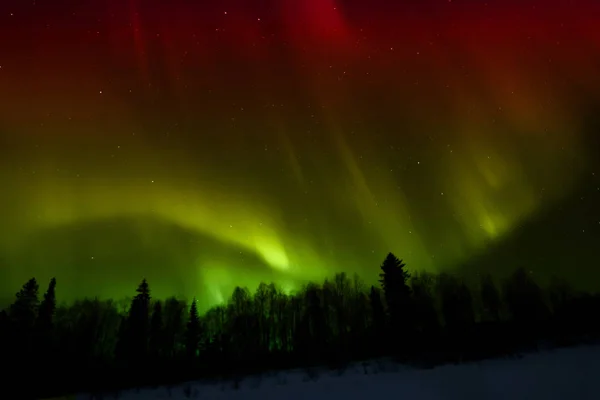
As the saying goes, “the Sun, with all those planets revolving around it, can still rip through our lives in seconds.” This week, that fact will be more palpably experienced as a strong burst of solar energy hurtles toward Earth. The National Oceanic and Atmospheric Administration’s Space Weather Prediction Center has issued a Strong (G3) Geomagnetic Storm Watch for Tuesday-a level 3 out of 5 on its space weather scale-which could impact everything from dazzling auroras to disruptions in satellite communications.
1. What is happening above Earth?
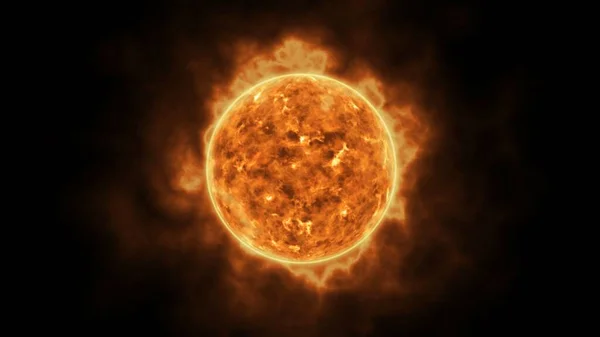
The event is the result of a coronal mass ejection (CME) a huge cloud of magnetized plasma flung from the Sun’s outer atmosphere expelled by an M8.1 solar flare. NOAA predicts the CME will arrive early to midday Tuesday. Eruptions like this can disrupt Earth’s magnetic field, causing geomagnetic storms. Although our planet’s magnetic shield deflects much of the Sun’s energy, storms of this magnitude still can ripple through technological systems and change the night sky.
2. Space Weather Clarity
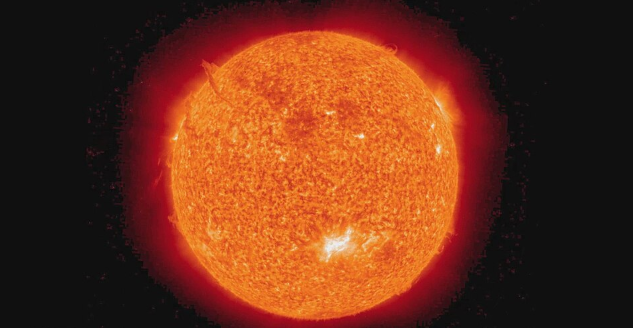
Space weather describes conditions in the space environment that are influenced by emissions from the sun. The Sun generates high-energy charged particles, plasma bursts, and radiation through the process of nuclear fusion. These interact with Earth’s magnetosphere and upper atmosphere to sometimes cause auroras but also, at times, interfere with technology. The SWPC classifies events using scales similar to hurricane or earthquake ratings. These include: geomagnetic storms (G1–G5), solar radiation storms (S1–S5), and radio blackouts (R1–R5).
3. Why This Storm Matters
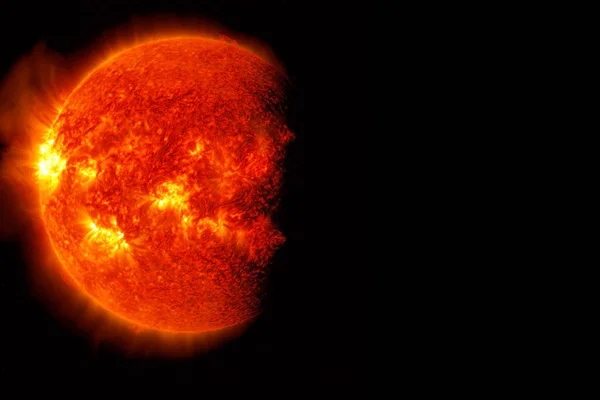
A G3 storm is considered “strong.” According to NOAA, such storms can bring “intermittent satellite navigation problems, degraded high-frequency radio communication and voltage irregularities in power systems.” Those are not theoretical impacts, either: In late November, Airbus warned that solar storms could “corrupt data critical to the functioning of flight controls,” prompting a rapid software fix.
4. Aurora Visibility Possible
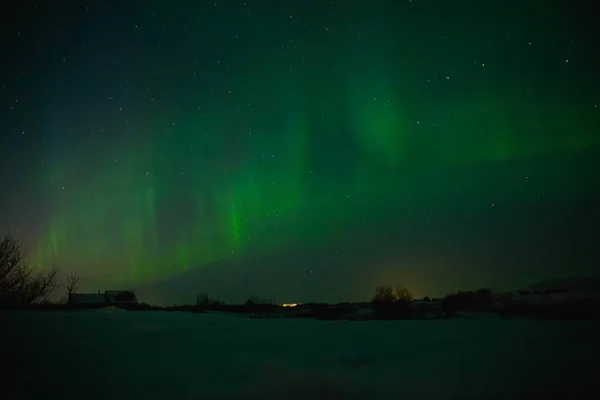
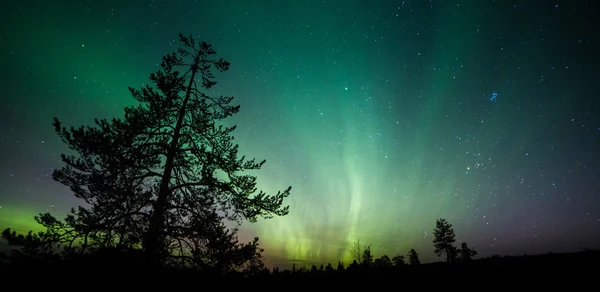
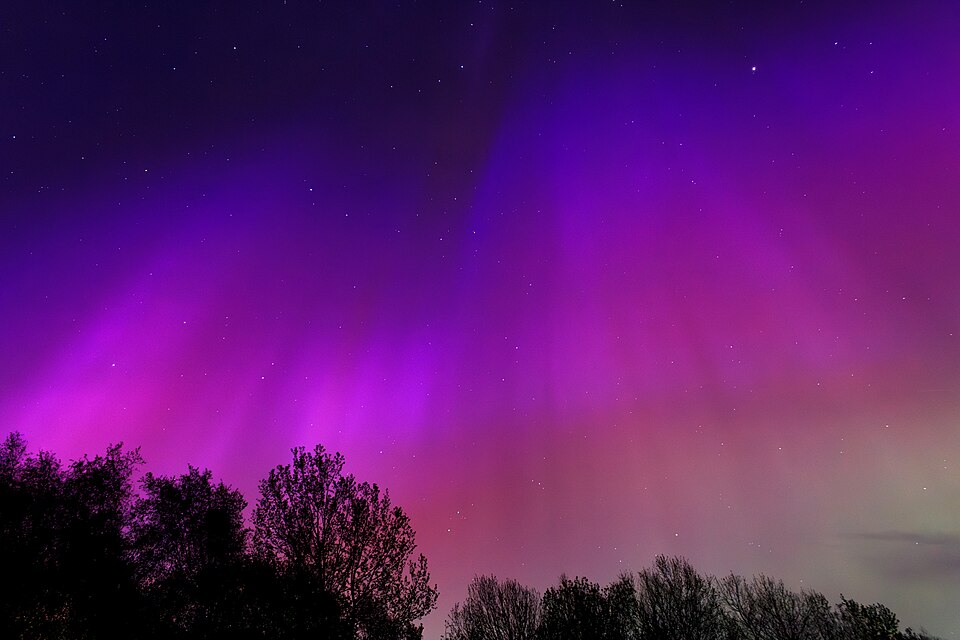
The same energy that can interfere with electronics also powers spectacular displays of the northern lights. NOAA’s aurora forecast estimates the aurora could be visible over many northern states, and possibly as far south as the lower Midwest and Oregon. Viewers from Alaska and Washington to Ohio and Pennsylvania may catch a glimpse, depending on storm strength and cloud cover. For real-time tracking, NOAA’s 30‑minute aurora forecast and apps like My Aurora Forecast can provide minute-by-minute alerts, including the all-important Bz component of the interplanetary magnetic field-which determines how easily solar energy enters Earth’s magnetosphere.
5. Lessons from the Past Storms
History is littered with sobering reminders of solar power. In 1859, the Carrington Event lit auroras as far south as the Caribbean and disrupted telegraph systems worldwide. A geomagnetic storm in March 1989 caused a nine-hour blackout for six million people in Canada. The “Halloween Storms” of 2003 reached G5 intensity, forcing aircraft reroutes and knocking out power in Sweden. Most recently, this past February 2022, a storm destroyed up to 40 newly launched Starlink satellites by increasing atmospheric drag in low-Earth orbit-a constellation worth well over $50 million.
6. How Storms Affect Modern Technology
Geomagnetic storms can induce electric currents in power lines, overheat transformers, and confuse GPS systems. In aviation, they may interfere with communication between pilots and ground control, while polar routes could be perturbed. Communication in the maritime as well as precision farming depends on GPS signals that can degrade under these storms. In this regard, low-Earth-orbit satellites are at increased risk when geomagnetic activity comes with an expanded thermosphere, increasing friction and perturbing orbit planes of affected satellites.
7. Monitoring and Preparedness
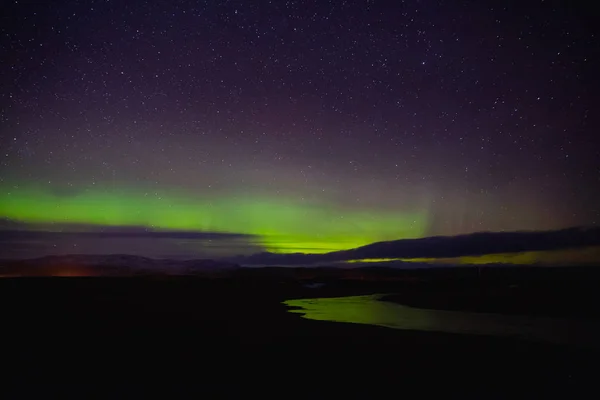
Continuous monitoring by ground-based observatories and satellites is performed by NOAA and NASA. Watches and warnings are issued for those times when geomagnetic storms are likely to occur, accompanied by predictions of storm intensity, timing, and possible effects. Aurora viewing will be best in dark-sky locations away from urban light pollution. For regions such as the northern Plains, Ohio Valley, and New England, high-level clouds may permit partial visibility.
8. The Present Solar Cycle
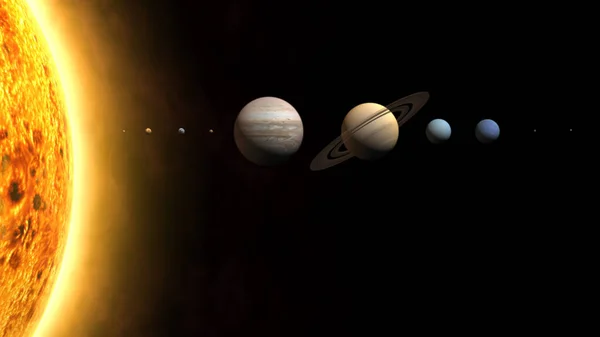
Solar cycle 25 started in December 2019 and is now well into its peak activity phase. In fact, the Sun’s magnetic field reached its solar maximum during October 2024, a time of very frequent flares and CMEs. Although the activity usually decreases after the maximum, it does not prevent events from occurring, as shown in this week’s forecast.

And when Tuesday arrives, the interaction between Sun and Earth will be well and truly in play a signal that the calm skies above our home planet are part of a far larger, dynamic system. For some, it will be a chance to behold sweeping curtains of green and red light; for others, a prompt to appreciate the quiet resilience of the infrastructure that keeps modern life running when space weather turns stormy.


