
Your pet hardly announces the fact that it’s clued into your patterns. But it is. It knows how you move & how you breathe, even how you pick up random objects, far better than you might recognize. Researchers like Dr. Juliane Kaminski and Dr. Attila Andics have spent many years looking into how pets study their owners. Here are some of the things they’ve found out.

1. Your pet moves when your body angle changes
Most pets move a few inches when their owners move their torsos or rotate their heads. It’s usually just enough to stay inside their owner’s line of sight. Researchers like Dr. Kaminski have found that dogs are able to read their owner’s head position & eye orientation surprisingly well. They move ever so slightly to follow the direction of where they think your attention is going. How many people do you think notice something like that?
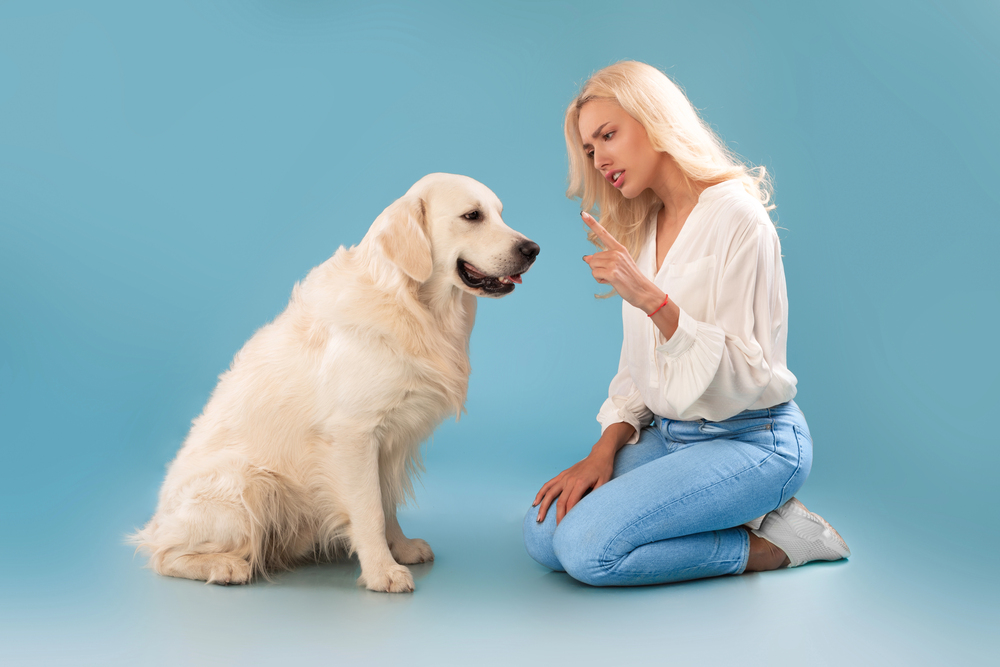
2. Your pet reacts to your tone over your words
It’s normal that, after a long day, your voice becomes a little tired, and it may even drop half an octave or so. Your pet recognizes that. In fact, Dr. Andics’ fMRI studies found that our furry friends are able to separate tone from meaning in different parts of their brains. Dogs do it in a similar way to humans, and a small change in your voice’s warmth is enough to make them react.

3. Your pet watches your face muscles
That’s not all for understanding your emotions. Anna Kis and her team conducted research into how dogs track their owner’s eyes. They found that these animals spent a lot of time studying the upper face, where your forehead & cheeks are. It’s in this region that micro-movements happen that show your emotions. As soon as your brows relax, your pet may step closer because they’ve been paying close attention to how you feel.

4. Your pet changes its routine when your habits change
Think about your morning routine. Any changes that you make to it, like putting on your sneakers before turning off the lights, are things that your furry friend notices. Studies from Dr. Monique Udell showed that dogs pay attention to a series of human actions, rather than single ones. They notice when a single step changes because they can’t fully predict what you’re going to do next.
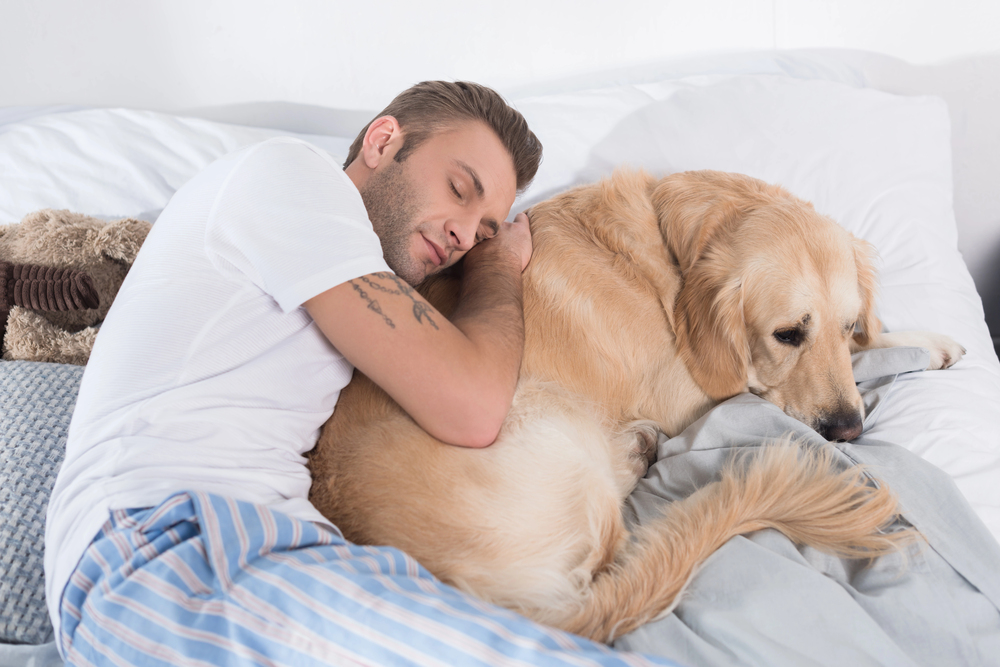
5. Your animal sleeps more lightly when your breathing changes
Yes, a few pets stay asleep through thunder. But they’ll likely wake up the very moment that you shift or breathe a little more sharply. At least, according to research from Dr. Therese Rehn & Dr. Lina Roth. It found that dogs that are closely bonded with their owners will pay close attention to how they move and even breathe during their sleep. Pets seem to make their sleep stages sync with the person they’re attached to the most.
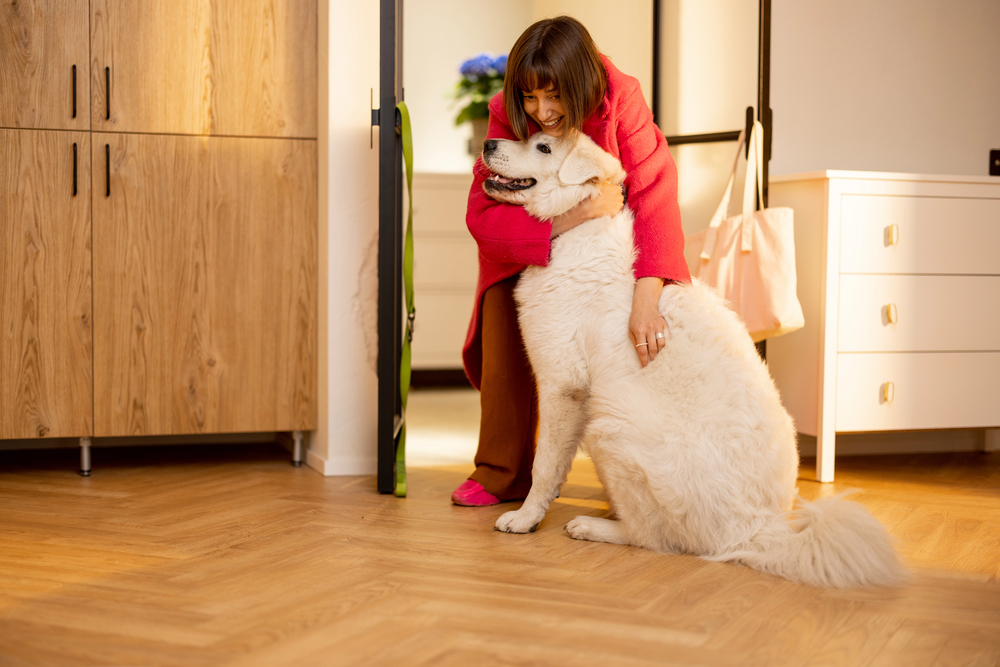
6. Your pet changes its greeting depending on how long you’re gone
Dogs usually keep an eye on how much time their owners have been away. You can tell by the greeting that they give you when you come back home. Dr. Rachel Sargisson looked into canine separation behavior, and she found that when a dog’s owner leaves for a few minutes, they’ll respond with a relaxed hello. They become more energetic when the break is longer. Such a habit is especially common among dogs who are more attached to their owners.
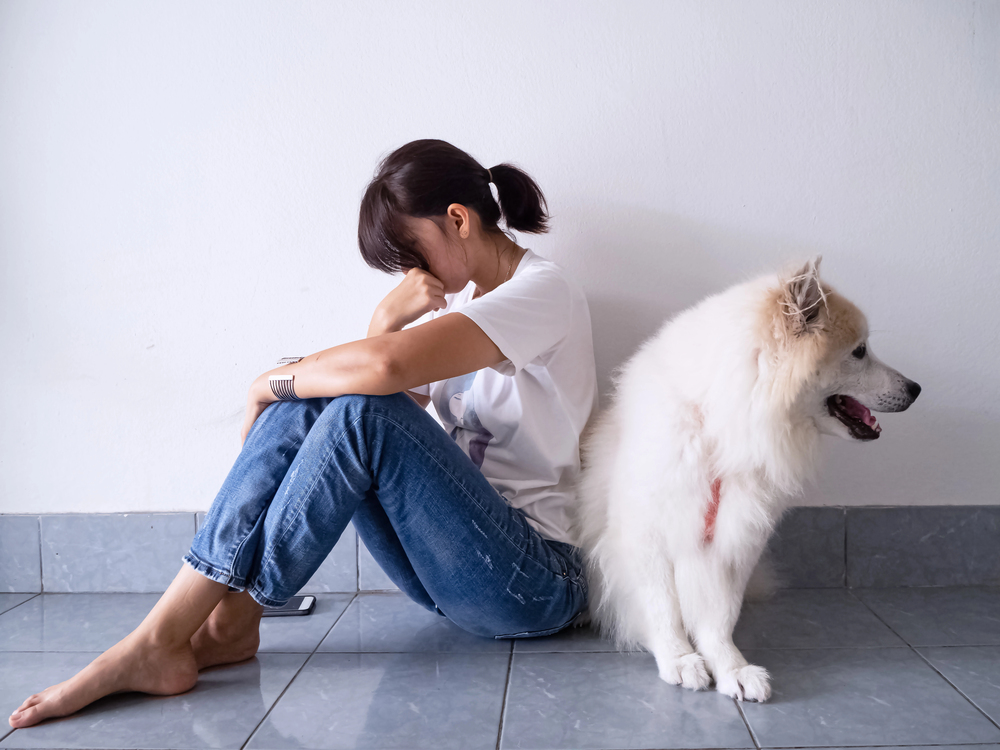
7. Your animal changes when you bring stress home
Have you ever noticed that your pet seems to hang around closer to you when you feel down? Research from Ann-Sofie Sundman’s team has found there’s a link between a dog & its owner’s cortisol levels. Cortisol is a hormone that our bodies release when we’re stressed. Angelika Buttner’s study also claimed that a dog’s cortisol levels change according to its human’s stress levels. They might stay within arm’s reach or follow their person around to make sure they’re okay.
8. Your pet tracks scent changes connected to your mood
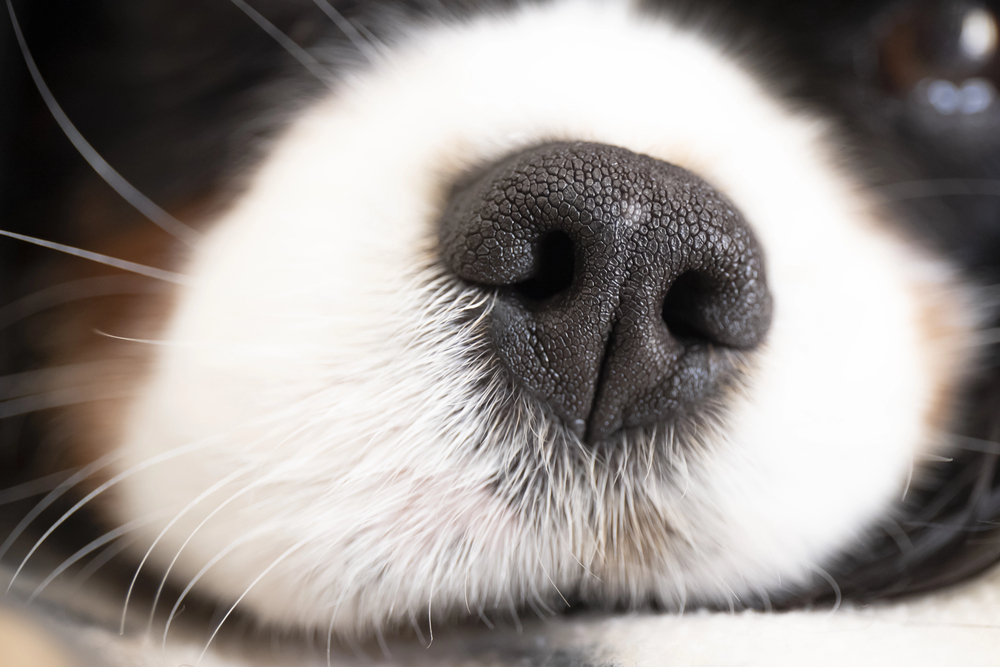
Most people don’t realize that their pets are able to actually read the chemicals on their skin. But controlled tests by Biagio D’Aniello found that dogs change their behavior after smelling sweat samples from their owners when they were happy & afraid. The dogs changed how they approached their owners, as well as strangers, when they smelled the different scents. It seems as though our furry friends have quite the strong nose for our emotions.
9. Your pet follows subtle pointing or body cues
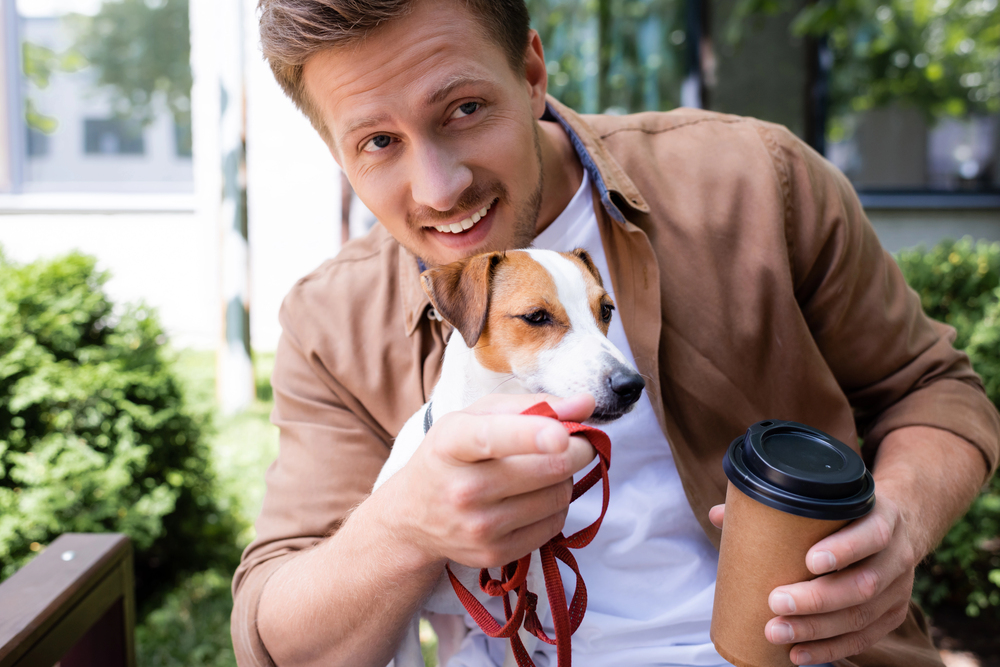
You may not even realize that you’re giving a hand cue or shifting your shoulders ever so slightly. But your pet does. It’s enough to get them going to a particular cabinet or doorway since they can pick up on even the tiniest of gestures. Professor Ádám Miklósi’s research showed that dogs will follow human pointing gestures, regardless of whether they’ve been trained to do so or not. They know what you’re trying to show them.

10. Your pet checks to see whether you’re paying attention
Zsófia Virányi, and later by Karen Lockey-Kennedy, conducted experiments on pets. What they found was that many pets act differently, depending on whether their owners are focused on them or doing something else entirely. Dogs change how they respond to you when they see you’re staring at your phone. They’re more likely to follow commands consistently when you’re looking directly at them.
Scientists are still trying to work out how much our pets can recognize human cues. But it’s clear from the dozens of studies & experiments that pets can understand far more about us than we ever give them credit for. Perhaps one day, we’ll know them just as well as they know us.