

Most boomers grew up during a time when safety rules were loose & labels were short. Their parents trusted a lot of products because they were common. However, years later, doctors and scientists, as well as regulators, connected dots that weren’t so obvious, but had devastating consequences. Here are seven childhood realities boomers didn’t realize were dangerous until later.
1. Lead dust from paint and exhausts
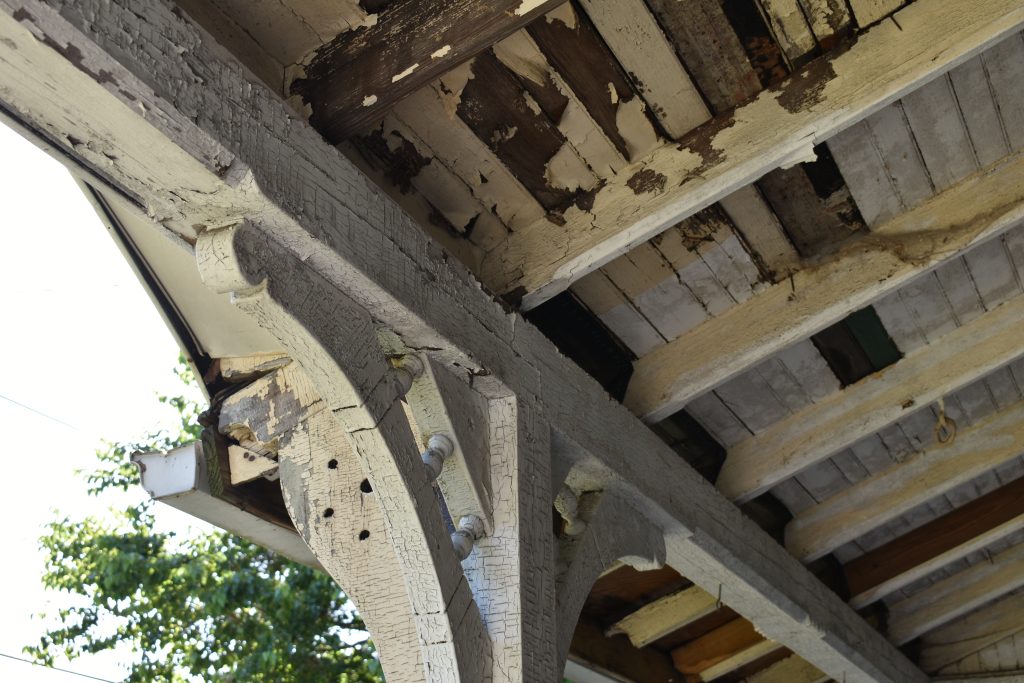
The majority of boomers grew up in houses that were built prior to the banning of lead paint in 1978. That meant they would play on floors & run around near porches where lead paint flakes were common. They couldn’t even take a break outside because cars back then ran on leaded gasoline. These vehicles pumped neighborhoods with invisible residue, and pediatric researchers like Dr. Herbert Needleman eventually concluded that exposure to lead as a child could have serious consequences. But it was too little, too late.
2. Asbestos materials in school buildings
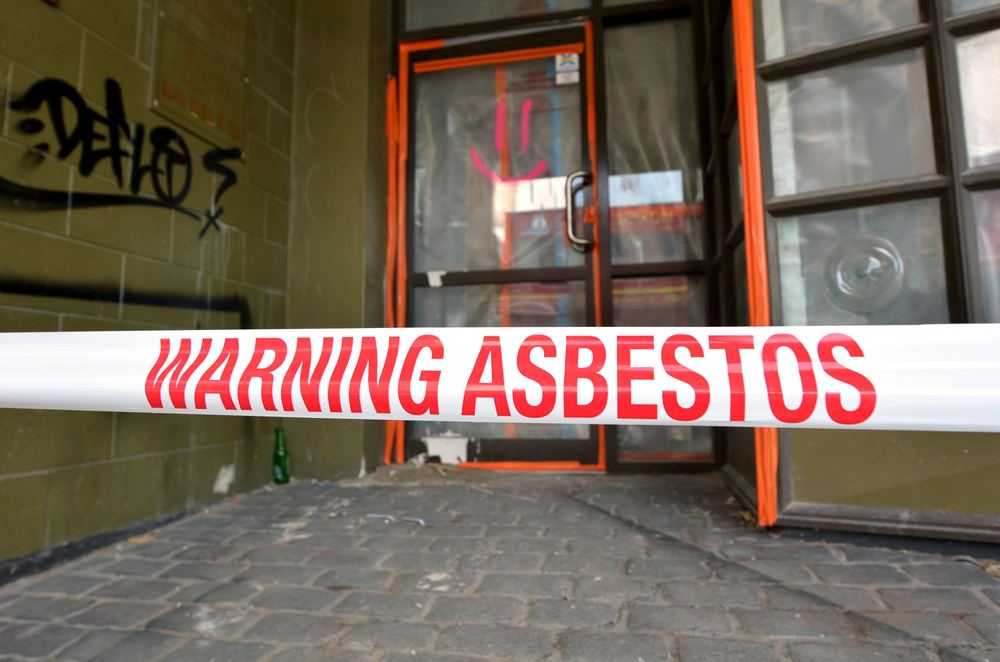
Another dangerous building material is asbestos, which was all too common in schools built between the 1940s & 1970s. They would use asbestos for insulation & fireproofing. It would cover pipes and hide in ceilings while kids spent years inside, breathing it all in. Medical evidence from the National Institute for Occupational Safety and Health (NIOSH) later proved that inhaling asbestos fibers could cause people to develop lung disease. Federal laws then forced schools to properly manage it in their buildings.

3. Riding in the back of station wagons
It was completely normal for families to pile into station wagons in whatever way the space allowed them to do so. You’d see many boomer kids riding in the cargo area with no restraints or worries about what they were doing, as seat belt laws weren’t as widespread as they are today. Child passenger safety research was also in its infancy. It took the National Highway Traffic Safety Administration stating that cargo areas aren’t for passengers for people to realize the dangers of riding in the back.

4. Pointed lawn darts
Anyone who was a child between the 1960s & 1970s might remember playing with steel-tipped lawn darts. They were heavy and sharp toys that kids would throw into the air. Incredibly, companies sold them as fun for all the family, until numerous reports of fatal head injuries came in. The U.S. Consumer Product Safety Commission officially banned the “toys” in 1988. But that wasn’t enough to take back the thousands of serious injuries and child deaths that had come before.
5. Spraying mosquitoes with DDT
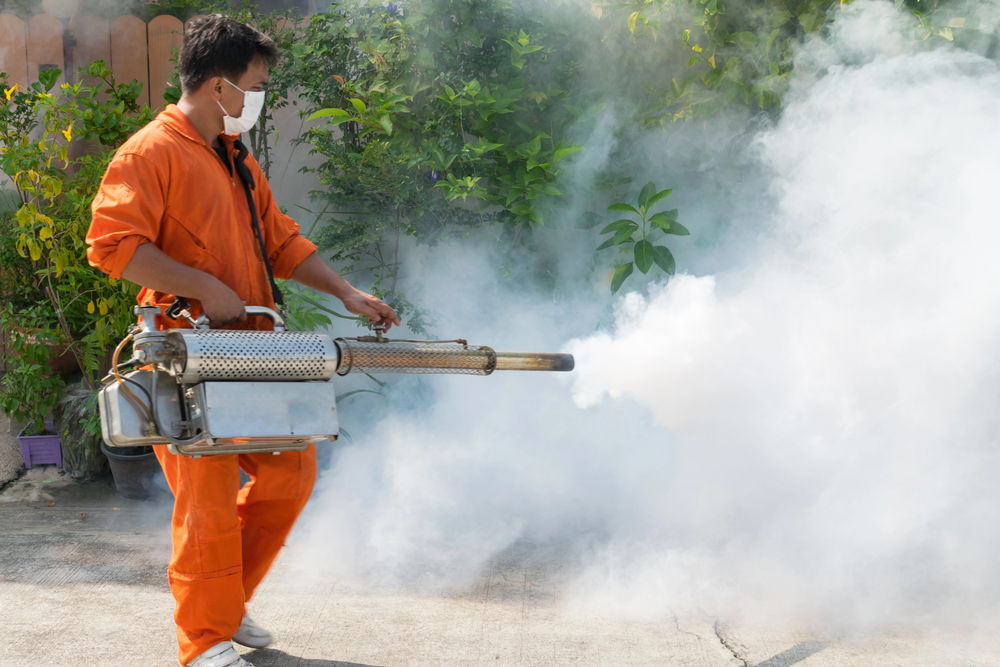
Nobody likes mosquitoes. During the 1950s & 1960s, DDT-spraying trucks would roll through American towns to get rid of the insects, spraying entire areas with the chemical and earning the praise of millions for its effectiveness. But it was too effective. Reports from the U.S. Environmental Protection Agency found a connection between DDT exposure and long-term health issues, as well as environmental damage. That’s why the U.S. effectively banned DDT use in 1972.

6. Mercury from thermometers
One of the biggest issues with glass thermometers is the fact that they break so easily. It was a serious issue when boomers were growing up because their thermometers contained mercury beads that could harm children, although they didn’t realize it at the time. Schools even used mercury during science demonstrations. But the CDC realized the problem after many years, warning that broken thermometers could cause mercury vapors to build up. These could affect children’s nervous systems quite badly, and research into these devices eventually helped to create mercury-free thermometers.

7. Aspirin for viral illness
Aspirin was the best medicine for childhood fevers across many decades. At least, that’s what the parents of boomers thought. But health groups like the CDC recognized in the late 1970s that there seemed to be a pattern of children with severe brain & liver diseases. These were mostly children who were recovering from viral infections. They finally made the connection that aspirin could cause Reye syndrome, and it forced pharmaceutical companies to start printing warning labels about it.
It’s easy to assume that boomers’ parents ignored safety. But the real issue was that science hadn’t caught up to many of the dangers of childhood that we know about today. Most of these risks only emerged after numerous hospitalizations and, sadly, deaths. Without them, it’s possible that we’d still have these childhood realities today.


