

Money advice has existed for as long as money itself. Throughout history, people have shared their money advice with the younger generations about how they should behave at bank counters & what to do with money on the kitchen table. But Gen Z has ignored some of these steps. Here are seven outdated money beliefs Gen Z has forgotten all about.

1. Always keep cash on you
Many older generations carried around cash with them as a kind of backup, more so than a spending habit. But younger people are unlikely to do so. A survey from the Pew Research Center shows that younger adults are far less likely to carry cash with them every day than older people are. Older people’s advice to take money everywhere came from their lived experiences of power outages & card machines going down. Gen Z would do well to learn from that.

2. You should pay bills with a money order
Older generations were used to filling out money orders for “serious” payments like rent or utilities. They were prepaid and accepted almost everywhere, mostly because they were traceable. That’s why the advice was to fill out these orders for the biggest kinds of payments. But Gen Z is so used to digital portals for paying rent & making instant cash transfers that money orders sound outdated to them. They’re completely unfamiliar with making them.

3. Save paper proof of payment
Receipts & canceled checks were once a form of protection because they would save you if anything ever went wrong with payments. Older generations believed you should have paper proof of every purchase. However, Gen Z trusts digital search instead. They think cloud storage is permanent, so the idea of keeping backups feels like something from another decade. But it’s not.

4. Savings bonds are a good gift for kids
There used to be a time when savings bonds were the perfect gifts during birthdays and graduations, perhaps even for holidays. Older people believed that it was a smart yet simple way to save some money for the future. Gen Z doesn’t really see the benefits. Buying savings bonds became almost entirely digital, and without the physical version changing hands, Gen Z never got the chance to see how useful savings bonds can be.

5. The importance of a safety deposit box
Many people used to assume that anything inside a bank vault had the same protection as a savings account did. It’s a belief that stuck around for quite some time. But far fewer items live online now, and that means that Gen Z has heard far less about safe deposit boxes. The idea that the bank covers whatever’s inside doesn’t really exist for them. They never received regular exposure to them.
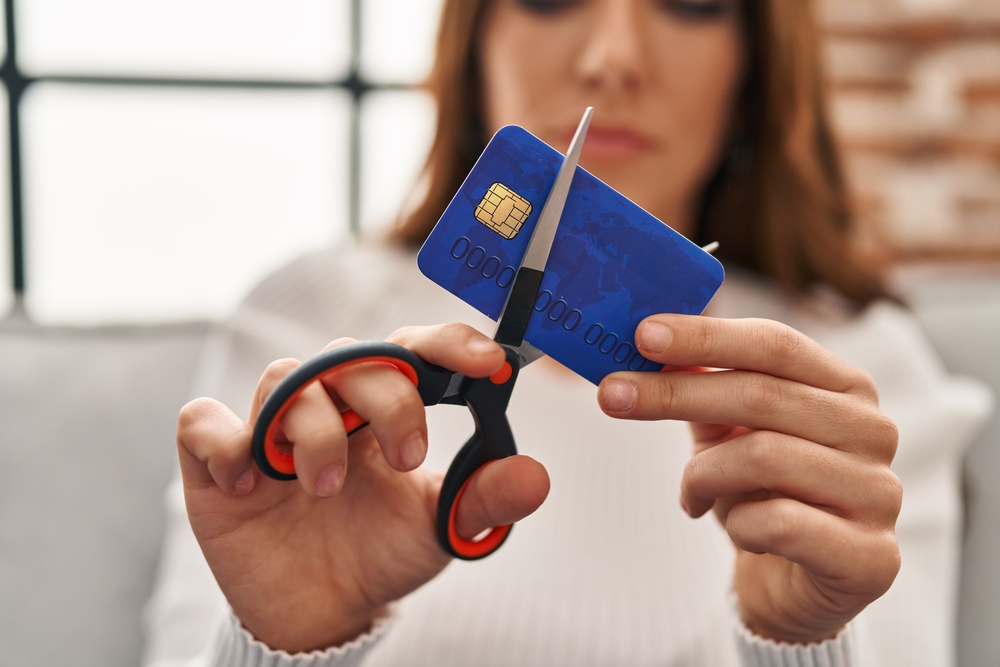
6. Never use credit
It used to be normal to think that avoiding credit entirely was the best way to deal with your finances. Lots of older generations saw credit cards as being too risky, so they tried to teach younger people to avoid them entirely. Gen Z didn’t listen. A lot of them don’t earn enough to rely on their paychecks alone, so they have to use credit to pay for bills. It’s rather difficult for them to be entirely loan-free.

7. Talking about money is rude
Basic manners dictated that you should never talk about money, whether it was in conversations about pay or debt. Even talking about savings in public crossed a line. But Gen Z didn’t grow up with the same belief, as online spaces made talking about budgets & credit far more common. Adults stopped encouraging their kids to be silent about money matters, so now, the idea that money is rude to talk about doesn’t really exist.
Not a single one of these beliefs disappeared because they were wrong. Instead, they disappeared because Gen Z inherited different tools first & heard different explanations later. That doesn’t make them any less responsible with their money than older generations. They simply do it differently.


