
What if the foods that many people eat regularly in their daily diets were actually contributing in the background to cutting lives short? Large-scale research studies have identified that the consumption of Ultra-processed foods (UPFs) is not just linked to chronic illnesses like coronary artery disease, diabetes, and dementia, but actually contributes to an increased risk of premature deaths between the ages of 30 and 69. It was noticed that with each 10% increase in the proportion of calories coming from UPFs, the risk of all-cause deaths increases by 3%, with 14% of premature deaths in the U.S. being due to these foods.
UPFs are described within the NOVA categories as industrial food formulation, containing additives, and highly processed, meaning their natural forms have been greatly affected. They have a tendency of being calorie-densed, nutrient-poor, designed for long-standing shelf life and attractive consumer palatability. Though not all UPFs are dangerous, some groups demonstrate very close links to an early death or brain deterioration. Here are nine offenders identified within modern research, and reasons for exercising caution.

1. Processed Meats
Bacon, sausage, hot dogs, and deli meats are all risk factors for higher all-cause mortality rates. However, in a research study conducted at the Harvard T.H. Chan School of Public Health, UPFs that yielded the highest risk for early all-cause mortality are actually processed meats. The possible mechanisms include initiation of pathways for oxidation, lipoperoxidation, or inflammation by nitrites/N-nitrosocompounds present in these UPFs associated with cardiovascular dementia and cardiovascular events.
There may also be a genetic component to increase susceptibility to the risk factor, since studies carried out by the American Journal of Preventive Medicine showed those with the APOE4 gene had up to six times the risk of being affected by Alzheimer’s if high dietary levels of processed meats were consumed.

2. Sugar-Sweetened Beverages
Drinking sodas, energy drinks, and sugared tea is one of the key factors that contribute to high calorie and metabolism-related issues. It has also been proven that sugar-saturated drinks are widely linked to an increased risk of death and cardiovascular-related deaths among the population. The glycemic load of sugared drinks causes high insulin levels and fat synthesis in the body due to which inflammation occurs in the body.
In the multi-cohort analyses, these beverages were among thehighest associated with harmful outcomes in theUPF subgroups. In addition to sugar content, the fact that these beverages are liquids makes it easy to quickly consume calories without theattribute of satiety.

3. Artificially Sweetened Bever
Frequently touted as a healthier choice, sweetened drinks were also associated with alarming rates of a neurodegenerative condition when this population was examined for a long period in a cohort of older individuals; Alzheimer’s disease was a significant comorbidity when similar drinks containing sugar did not share this association.
Proposed explanations include the alteration of gut bacterial flora, disturbances in glucose tolerance, and the possible central nervous system toxicity from man-made compounds. While more studies are required to better understand the possible effects on human health, available information supports consuming it in moderation.

4. Dairy Desserts
Ice cream, yogurt, and related dairy-based sweets might have more to them than empty calories. In the combined analyses, this subcategory was one of the strongest risk factors for neurodegenerative mortality. An earlier study using Nurses’ Health Study data found that Parkinson’s disease was related to the consumption of sherbet and yogurt.
Such foods can be high in saturated fats, added sugars, and emulsifiers that can trigger inflammation of the nervous system or compromise blood-brain barrier function, both of which can contribute to declining cognitive functions.
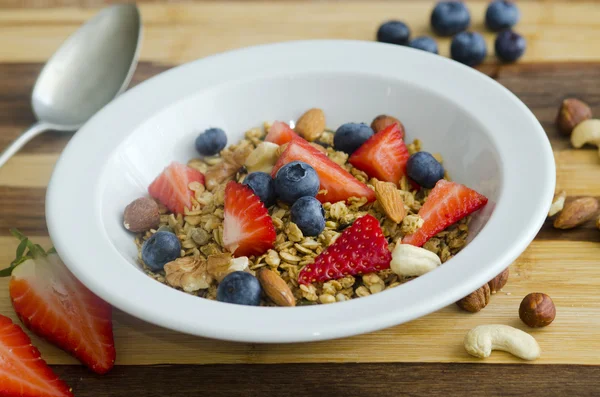
5. Ultra-processed breakfast foods
Cereal, toaster pastries, and other highly processed breakfast foods increase blood sugar and insulin levels. Harvard researchers discovered a significant association between the consumption of ultra-processed breakfast foods and a greater rate of mortality.
Still, despite periodic fortifications with vitamins or fiber, the potential drawbacks refined grains, added sugars, and artificial flavors outweigh any benefits. Such a product could lead to the displacement of other healthful alternatives like oats or eggs.
6. Packaged Sweet Snacks and Desserts
Cookies, cakes, candy bars, and other prepared desserts contain a big chunk of the UPF calories consumed every day. While there are positive nutritional values in certain ingredients, such as dark chocolates, the group is led by sugar, refined flours, and trans fatty acids.
These foods are designed to be extremely palatable, promoting overeating as a consequence of their highly processed nature and leading to conditions of obesity, diabetes, and inflammatory disorders that increase death.
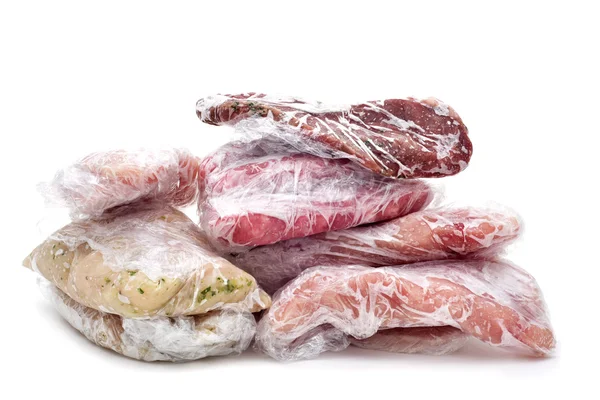
7. Ready-to-Eat Meat, Poultry, and Seafood Products
Pre-cooked meals like breaded chicken patties, meat pies, and fish sticks are another UPF category that is associated with increased deaths. Foods that are pre-cooked and consist of meat pies and stuffed sandwiches are also included within this category.
Let’s move on towards the next section. In cohort studies, meat/poultry/seafood-ready-to-eat foods had prominent roles in adverse effects of UPFs on death rate, specifically from non-cardiovascular sources. Meat/poultry products also had prominent roles
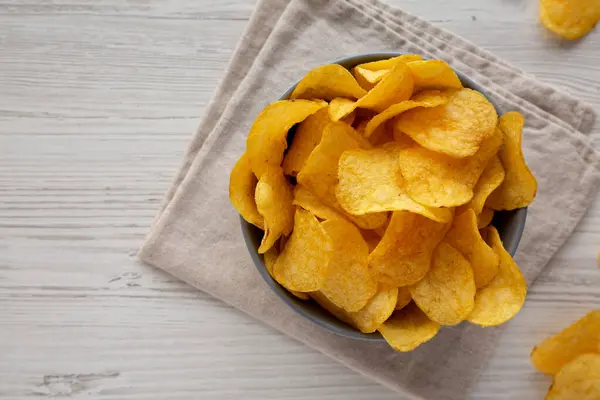
8. Packaged Savory Snacks
Chips, cheese puffs, or other savory snack foods are high in calories, salt, and unhealthy fats. Though they are not always the biggest killer relative to processed meats or sugary beverages, they all contribute to a poor quality of diet and the displacement of nutrient-dense foods. These snacks are high in sodium and could result in high blood pressures that could cause stroke and cardiovascular disease, while the refined oils and other ingredients could cause inflammation in the body.

9. Condiments, Sauces, and Spreads
Industrial sauces, dressings, and spreads that tend to be high in sodium, added sugars, and emulsifiers comprise a big part of UPFs in many consumers’ diets. While not all condiments are bad for a consumer’s diet, the regular consumption of highly processed condiments can be a major source of unhealthy substances in a person’s diet.
Industrial sauces, dressings, and spreads generally tend to be high in Such products could have a subtle effect of increasing total UPF consumption, thereby contributing to the overall risk associated with consumption of such products, especially those classified in high-risk categories.
Customer segmentation based on purchase behavior Although not all highly processed foods pose similar dangers, there is no doubt which processed food groups have been identified as major risk factors for both early death and mental decline. As a health-aware individual, cutting back on, or substituting, these food types with less-processed alternatives is shown to enhance diet quality. In short, it is essential to emphasize whole, nutrient-dense foods, viewing these nine food types below as a treat instead of a regular diet fixture.