TikTok runs on fast videos & auto-play. It has an algorithm that decides exactly what you’re going to watch next, for better or worse. The app bombards users with entertainment and the news, among other things, without giving them a chance to breathe. It seems that it’s having quite the negative effect on their brains. Here are seven ways that TikTok ruined America’s brain.
1. Autoplay loops make it hard to stop
TikTok doesn’t ask you what you want to watch next, and instead, it goes from clip to clip for you. Researcher Lakshit Jain & his team looked into this as part of their studies into problematic TikTok use. They found that users of the platform exhibited signs of compulsive checking, as well as difficulty stopping. They suggested that these behaviors could be a sign of addiction in users of the platform, as TikTok users are unable to resist continually scrolling through.
2. Time distorts during scrolling
Many TikTok users regularly talk about losing track of time while they’re using the app. The research backs it up. A 2025 study by Yaqi Jiang, Zhihao Yan & Zeyang Yang tracked “time loss” and users’ focus when they were using TikTok. Many of the participants in the study underestimated how much they worked on a task. It appears that using TikTok changes our brain’s understanding of time, so we genuinely don’t realize how long we’ve been scrolling on the app.
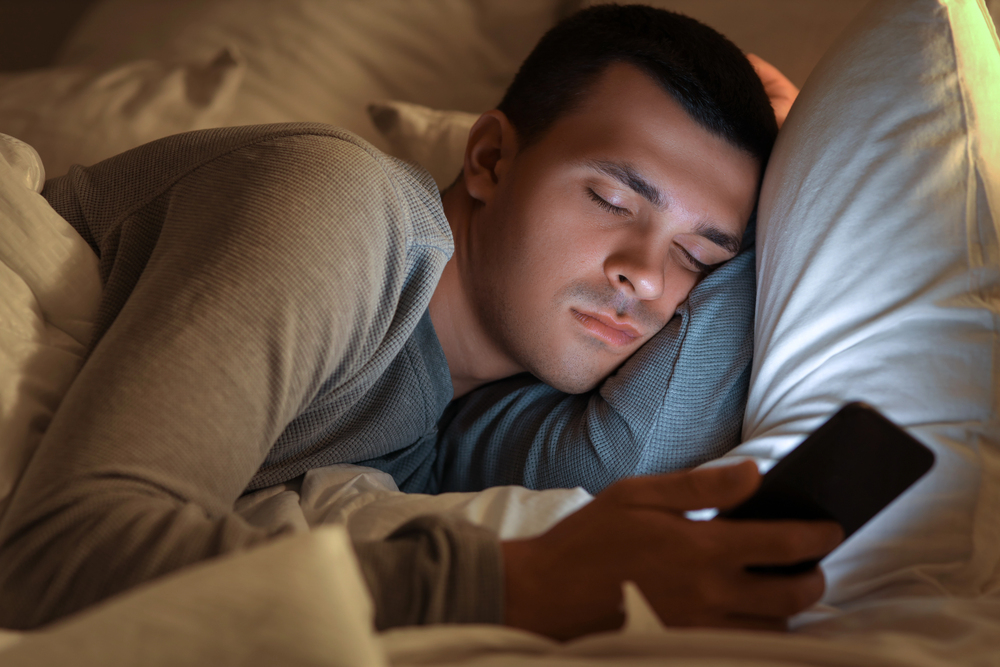
3. Our sleep gets ruined
It’s not hard to see the effect that TikTok is having on our sleep. Aglaia Katsiroumpa and her team of researchers found that people who were addicted to using TikTok suffered from shorter sleep times. They also appeared to be more sleepy in their waking hours than those who don’t use the platform. The American Academy of Pediatrics has also warned that using social media at night causes issues because it pushes your bedtime later & later. This can affect how well your brain works.
4. Higher rates of anxiety and depression
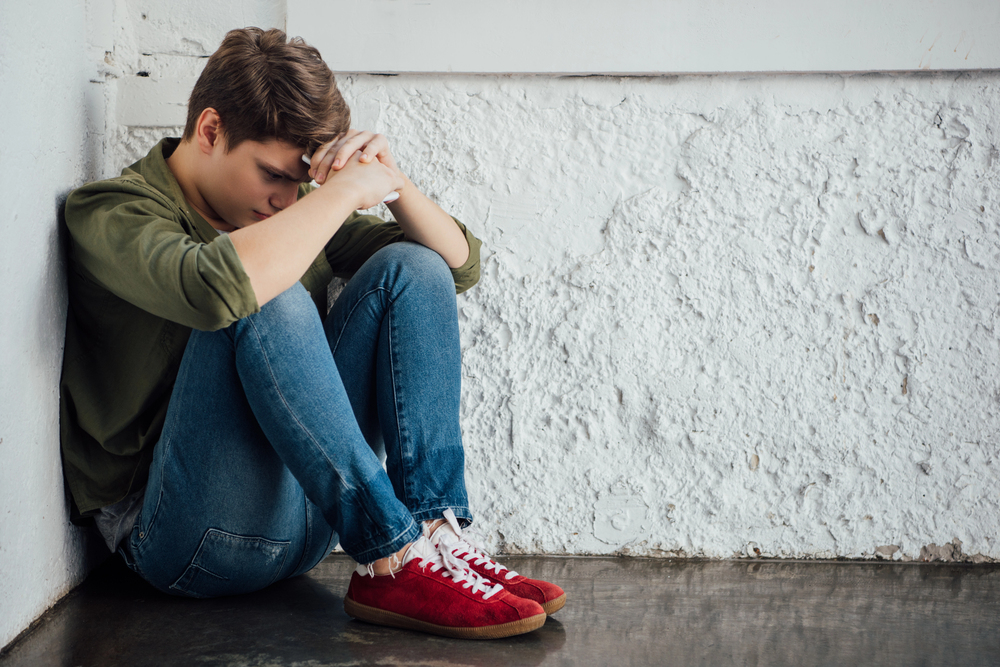
One of the worst effects that TikTok is having on people’s brains is in terms of anxiety and depression. A study led by Angeliki Bilali and published in Pediatric Reports found that higher TikTok use is connected to higher rates of anxiety & depression symptoms. These issues were apparently worse among boys than girls. It appears that TikTok is causing serious problems for young people’s mental health.
5. News by influencer
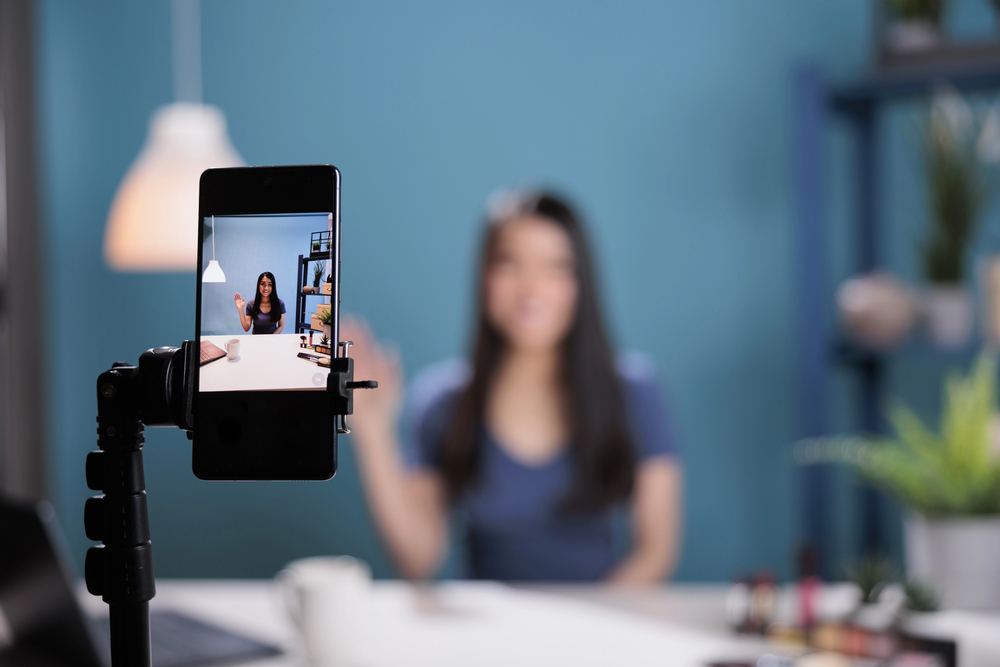
Data from the Pew Research Center has found that more Americans are getting their news from TikTok, especially young people. They found that, in 2025, approximately 43% of under-30s get news from the app, which is significantly higher than the rate of 9% in 2020. That’s an issue. A separate report from the Pew Research Center found that many TikTok news influencers don’t actually have any newsroom expertise or journalistic experience. This could mean that the news people receive on the platform contains claims that haven’t been fact-checked.

6. Harmful content gets pushed to vulnerable accounts
The Center for Countering Digital Hate looked into the kinds of material that young people see on social media. Their reports found that TikTok pushes videos about self-harm & eating disorders at a much higher rate to young people who also follow topics about mental health. What kind of effect could seeing such harmful content have on these already-vulnerable people? It may be making their mental health problems even worse.
7. Face filters change our view of normal
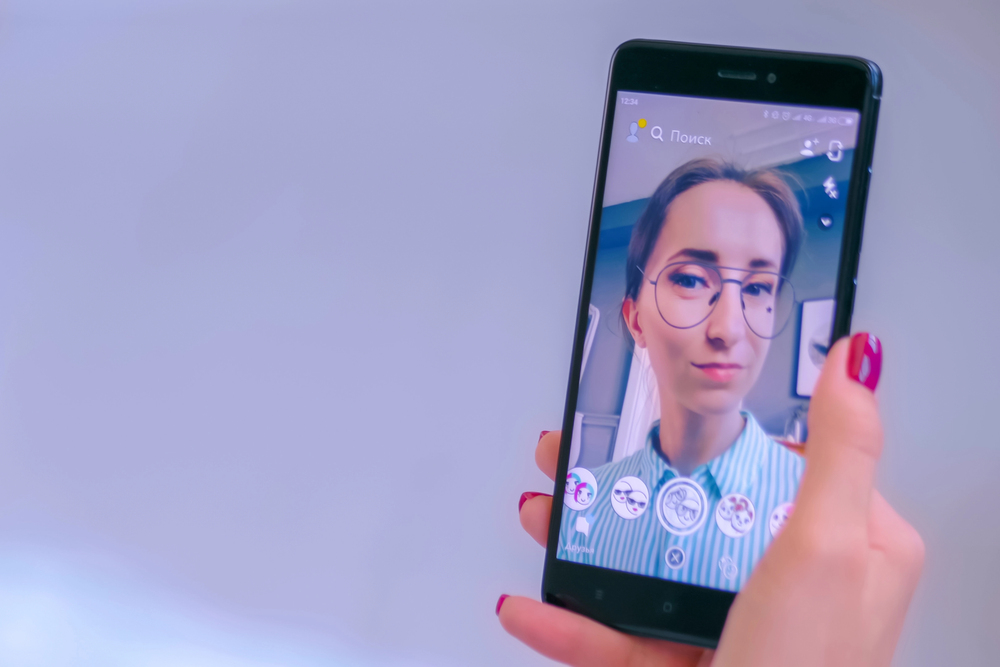
TikTok face filters do more than simply smooth skin, as they also change users’ bone structure & eye size, along with their facial symmetry. It may seem harmless at first. But research by John A Toms and others at Plastic & Reconstructive Surgery-Global Open found that these filters happen across videos, even when viewers aren’t actively using these filters. They’re changing how people see themselves because they start believing the filtered version of themselves is the “real” one. Seeing what they actually look like in the mirror can be quite shocking.
A lot of these issues are ones that you can find on other social media platforms, like Facebook and X (formerly Twitter). But what makes TikTok worse is the fact that it works at a much faster rate than other social media sites. Your attention gets trained to reset every few seconds, and your face is morphed without you realizing. Over time, your brain adapts to this format, so you start thinking that the things you see online are normal. They’re not.