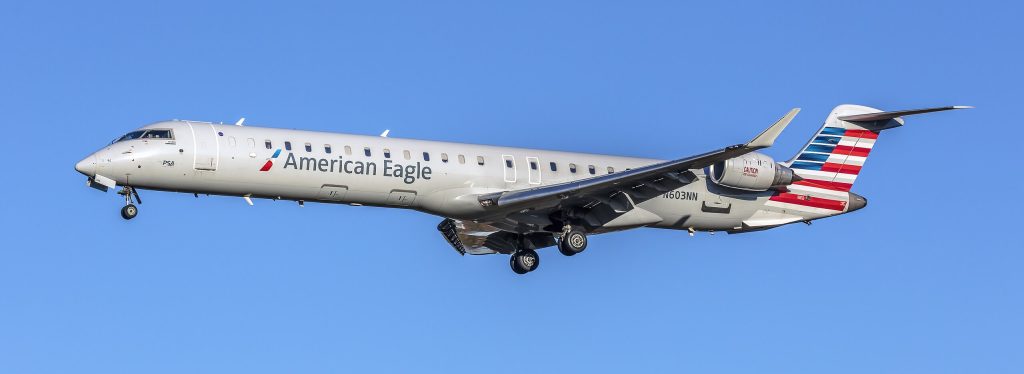
It was the deadliest U.S. aviation disaster in nearly a quarter century, and now the federal government has formally acknowledged its role. In a 209-page court filing, the Justice Department said: “The United States admits that it owed a duty of care to Plaintiffs, which it breached, thereby proximately causing the tragic accident on January 29, 2025.” The collision between an Army UH-60L Black Hawk helicopter and American Eagle Flight 5342, operated by PSA Airlines, killed 67 people and laid bare deep flaws in the nation’s aviation safety systems.
1. The Collision Over the Potomac
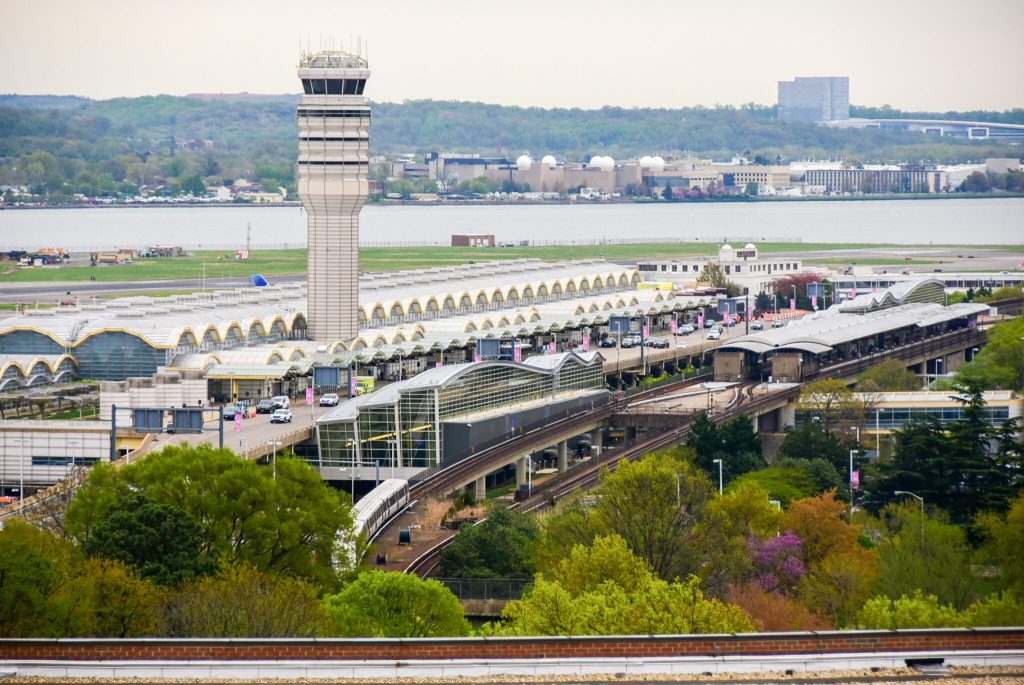
American Eagle Flight 5342 had entered final approach to Ronald Reagan Washington National Airport from Wichita, Kansas, with 64 on board, including members of the U.S. figure skating community. It was at about 300 feet over the Potomac River when it crossed with a Black Hawk helicopter on a night vision goggle training mission. Both crashed onto the icy waters; no one survived. It was concluded by investigators that the helicopter crew had failed to maintain the altitude required and did not avoid the jet even after acknowledging its presence.
2. Admission of Liability and Legal Fallout
The government’s admission came in response to a wrongful death lawsuit filed by the widow of victim Casey Crafton. The filing also conceded an FAA air traffic controller failed to follow procedures requiring alerts when aircraft are on converging courses. While accepting these breaches were a proximate cause, the government denied the airspace was “an accident waiting to happen,” or that collective failures guaranteed disaster. American Airlines, also named in the suit, has sought dismissal, arguing legal responsibility lies with the U.S. government.
3. A History of Warnings Ignored
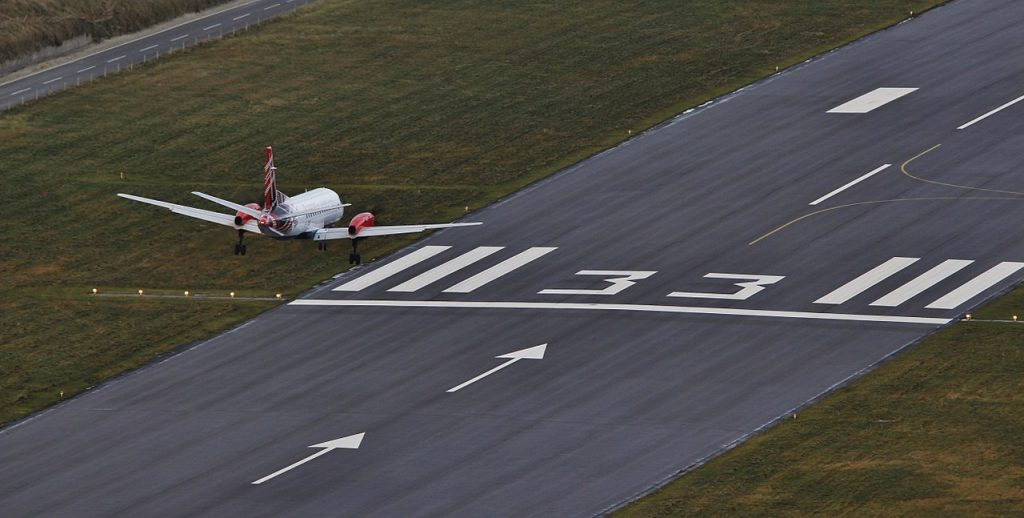
It cited more than 15,000 close calls between helicopters and commercial aircraft near Reagan National from 2021 to 2024. A similar near-miss occurred in the same spot as the 2025 crash, back in 2013. Various suggestions to change helicopter Route 4, which intersects the approach to Runway 33, were consistently denied, usually on the basis of military operational requirements. Even recommendations to add “hot spot” warnings to navigation charts were rejected for lack of a national standard.
4. Congested Airspace and Scheduling Pressures
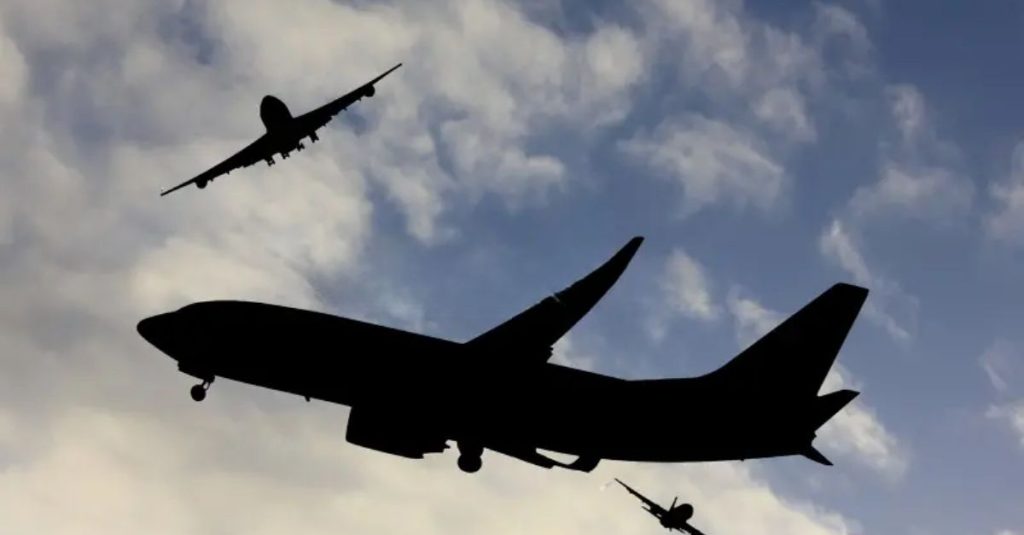
Reagan National’s airspace is among the most congested in the country, with commercial, military, and law enforcement flights compressed into a small, restricted area. Controllers have long warned that the airport’s high arrival rate leaves razor-thin safety margins. According to NTSB interviews, airlines-most notably American Airlines-took advantage of scheduling rules to shoehorn in as many flights as possible and stretched the system beyond its breaking point. A 2023 proposal to cut arrival rates was scuttled for “political” reasons, even as Congress was working to add more daily flights.
5. Air Traffic Control Strain
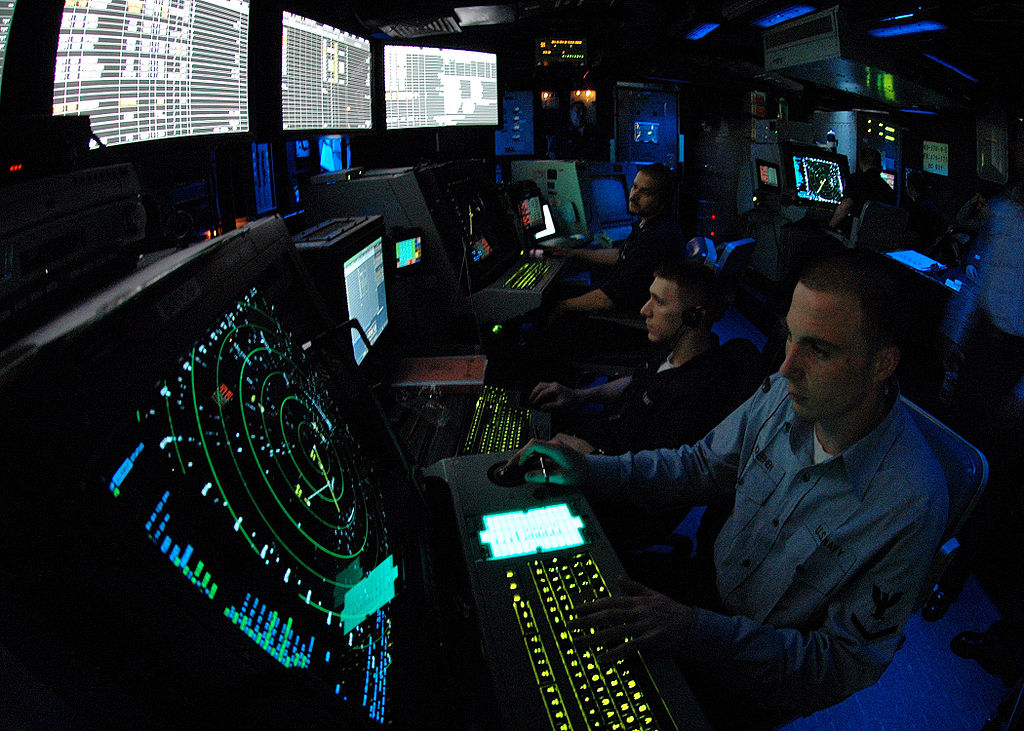
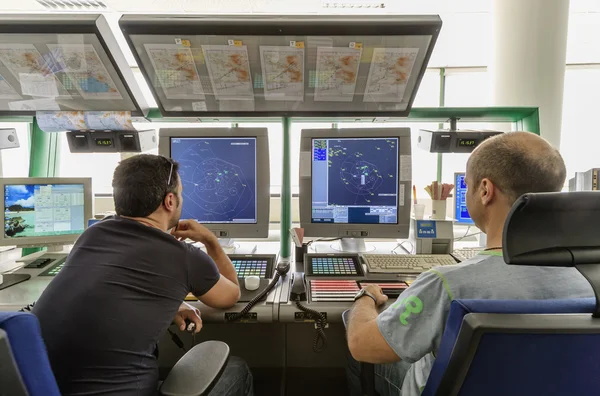
On the night of the collision, a single controller was handling both helicopter and fixed-wing traffic, duties normally divided between two individuals. The FAA has been beleaguered by chronic staffing shortages, and remains several thousand short of needed controllers. The tower did broadcast a traffic warning to the Black Hawk, which its crew acknowledged, but the collision occurred within seconds. The NTSB subsequently forbade visual separation within five miles of the airport and also banned mixing helicopter and fixed-wing operations within that zone.
6. Military Training and Equipment Gaps
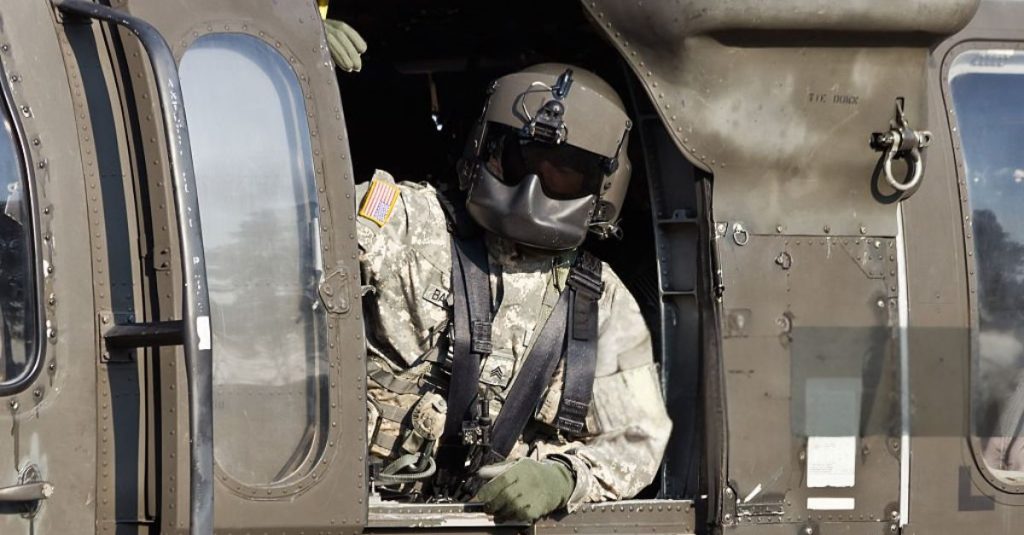
The mission of the 12th Aviation Battalion requires the unit to maintain the ability to accept and conduct VIP and national security flights with little notice, which limits training time. The Black Hawk’s crew met Army and FAA minimums, but some within the unit questioned whether those standards ensured proficiency. The pilot under evaluation had flown only five hours in the prior 60 days. Investigators also learned that barometric altimeters on similar helicopters read 80 to 130 feet low of actual altitude; such a malfunction could have contributed to the crew’s misjudging its altitude.
7. Visual Flight Rules and Night Vision Challenges
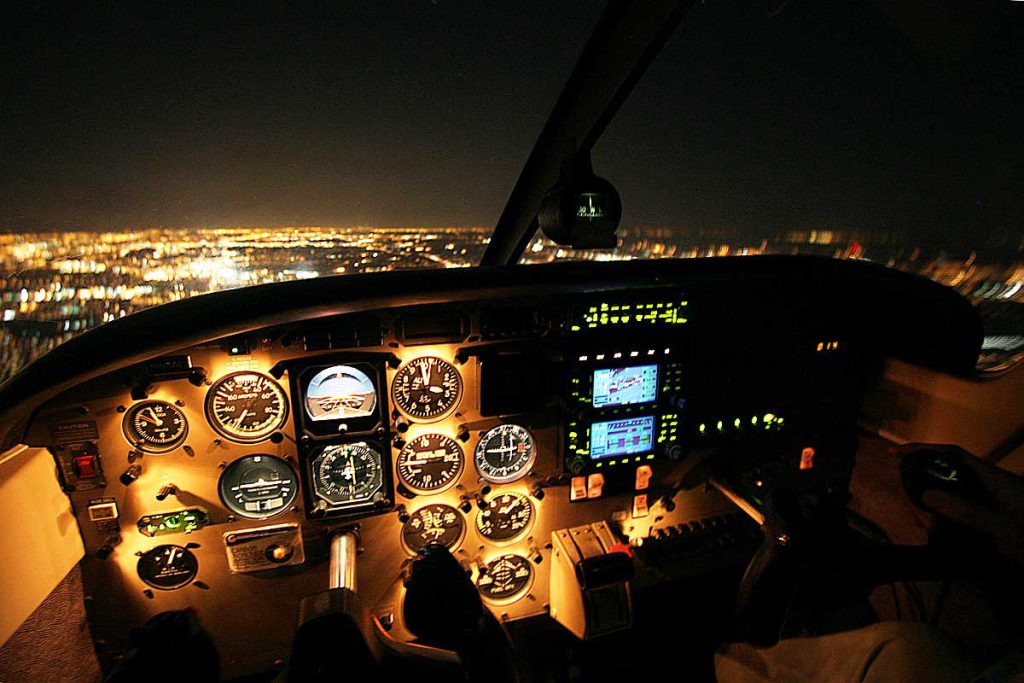
The Black Hawk was flying under visual flight rules, which made the crew primarily responsible to “see and avoid” other aircraft. Night vision goggles are effective to improve visibility in low light but degrade depth perception and can be saturated by city lights. Even so, the Army had no procedure that called for crews to verify traffic unaided in the complicated D.C. airspace. On the night of the crash, the crew confirmed they were visual with the jet but may not have heard the controller’s final instruction to “pass behind” because of radio interference.

8. Legislative and Safety Reforms
The Senate unanimously passed the ROTOR Act in the aftermath to enhance FAA–Department of Defense coordination, mandate safety reviews at high-hazard airports, and accelerate the deployment of Airborne Collision Avoidance System-X, capable of detecting and warning against conflicts at low altitudes. Lawmakers emphasized the urgent need to pass the bill for the protection of “passengers, flight crews, first responders, and the families still grieving the loss of their loved ones.”
9. Coping with the Human Toll
For the victims’ families and communities like Wichita where many of the passengers lived the grief is profound. Mental health experts recommend grounding routines, seeking peer and professional support, and focusing on constructive action such as advocating for safety reforms to channel loss into purpose. As one clergy member told mourners at a vigil, “We will get through this, but the only way we will get through this is together.” A probable cause along with further safety recommendations would come with the final NTSB report, expected no later than January 29, 2026. Until then, the Potomac collision stands as both a tragedy and a stark warning of the costs of inaction in aviation safety.