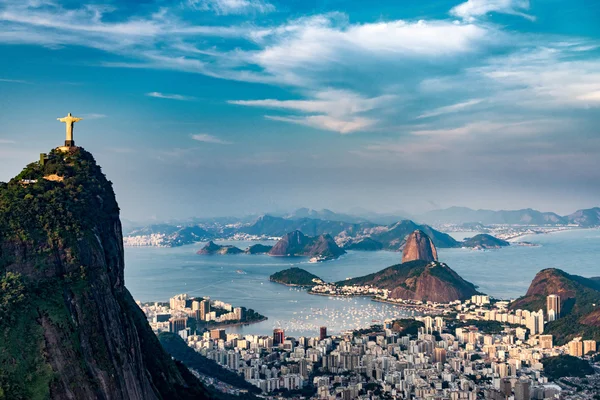
Some places are breathtaking to behold but deadly to experience. The allure of ancient ruins, vibrant cities, and wild landscapes can mask threats that range from violent crime to political unrest, terrorism, and even nature’s fury. In 2025, global risk assessments, from the U.S. State Department to the Global Peace Index and International SOS, reveal that danger isn’t confined to war zones. Some popular tourist spots are now flagged with high-level advisories, urging travelers to think twice before booking.
For safety-conscious adventurers, understanding these risks is not about avoiding the world it’s about approaching it with eyes wide open. This list blends official data, expert insights, and on-the-ground realities to highlight destinations where hazards are acute, and offers safer alternatives that still deliver unforgettable experiences.

1. Egypt – Cultural Treasure Under Threat
Egypt’s pyramids and temples draw millions, yet the country’s Level 3 advisory warns of terrorism, restrictive politics, and risks of gender-based violence. John Gobbels of Medjet notes that “gender-based abuse and rigid cultural expectations for women make it extremely problematic.” Travelers face heightened danger in crowded markets and remote sites. For those determined to go, experts recommend trusted tour operators, knowing emergency number 122, and learning key Arabic phrases. A whistle can be a lifesaver.
Safer alternative: Morocco offers North African charm without Egypt’s instability. From Marrakech’s medinas to Chefchaouen’s blue streets, it combines rich culture with lower crime and political risk.
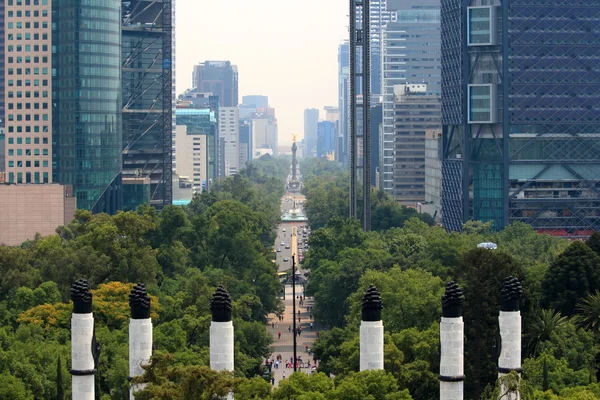
2. Mexico – Patchwork of Risk
Mexico’s safety varies dramatically by state. Guerrero, home to Acapulco, is Level 4 on par with Syria and North Korea due to gang violence and kidnappings. The U.S. State Department urges caution even in some resort areas. Organized crime operates openly in parts of the country, making situational awareness critical.
Safer alternative: Merida, in Yucatán, ranks among the world’s safest cities, with colonial architecture, Mayan ruins, and nearby cenotes. It offers Mexico’s warmth without its most dangerous edges.
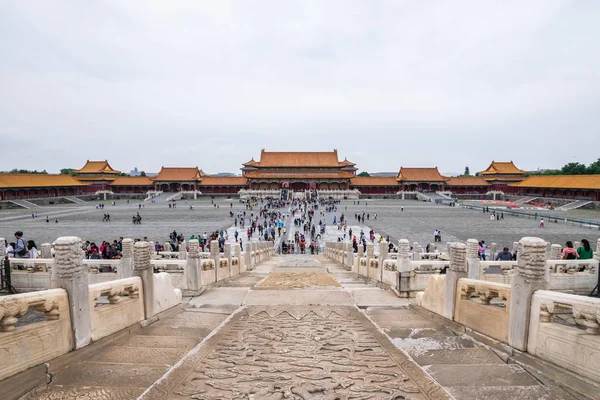
3. Middle East Hotspots – Sacred but Risky
The Middle East’s historic and religious significance is undeniable, yet many countries here carry Level 3 or 4 advisories for violence and unrest. Conflict zones and political instability can make travel unpredictable. Gobbels advises enrolling in the Smart Traveler program for embassy support during emergencies.
Safer alternative: Jordan remains a stable oasis, with Petra’s rose-red ruins and the buoyant waters of the Dead Sea. Avoid border regions with Iraq and Syria, but enjoy the country’s openness to tourism.
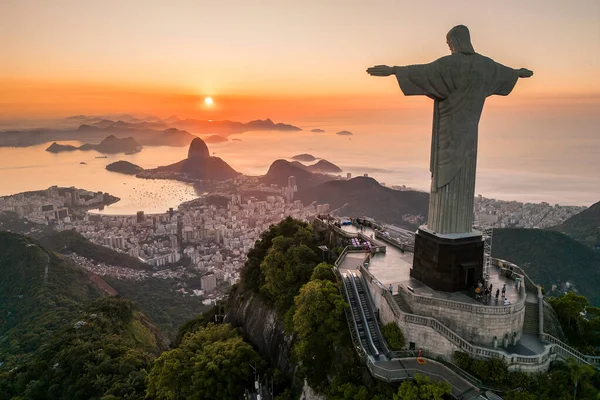
4. Brazil – Carnival and Crime
Brazil’s vibrant culture is shadowed by violent crime, especially in major cities during events like Carnival. Armed robbery, gang activity, and water pollution at famous beaches add to the hazards. Gobbels warns: “Crime is rampant in the cities, and you need to be especially careful outside tourist areas.”
Safer alternative: Argentina offers Patagonia’s wilderness and Buenos Aires’ elegance at Level 1 risk, with strong infrastructure and lower crime rates.

5. Madagascar – Natural Beauty, Growing Danger
Madagascar’s biodiversity and beaches hide risks from muggings to violent highway robberies. Political protests can turn violent, and poor infrastructure hampers emergency response. The State Department advises against night travel between cities.
Safer alternative: Mauritius, 700 miles east, matches Madagascar’s beauty with better tourism infrastructure and lower crime, making it a safer Indian Ocean escape.
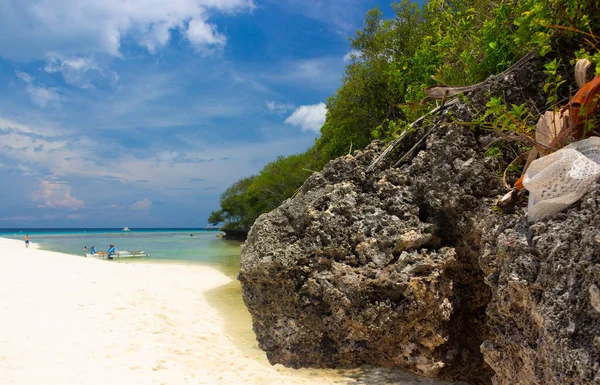
6. The Philippines – Islands with Uneven Safety
While much of the Philippines is idyllic, the south faces terrorism and kidnappings, particularly in Mindanao and the Sulu Archipelago. Even Manila sees rising violent crime. Limited emergency services compound the risk.
Safer alternative: Malaysia offers pristine beaches, rainforests, and cultural diversity at Level 1 risk, with stronger safety measures and infrastructure.
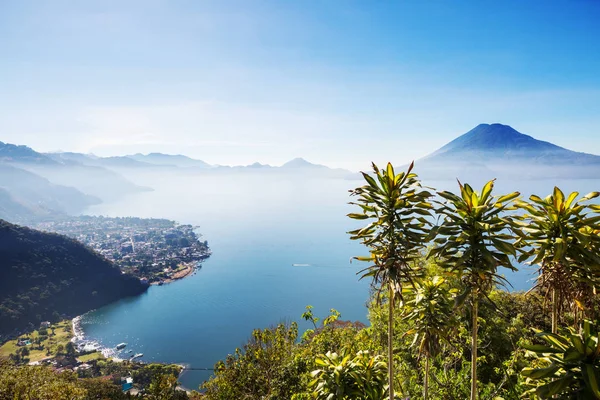
7. Guatemala – Gangs and Unstable Seas
Guatemala’s Level 3 advisory stems from violent crime, drug trafficking, and gang activity. Armed robbery and murder are common, and Pacific coast swimming is discouraged due to strong currents and poor emergency response.
Safer alternative: Costa Rica combines political stability, lush rainforests, and adventure sports with the region’s highest peace rating.
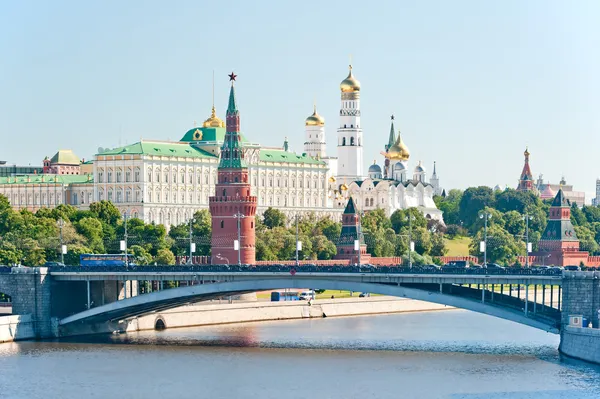
8. Russia – Geopolitical Flashpoint
Russia’s war in Ukraine, arbitrary law enforcement, and risk of wrongful detention earn it a Level 4 “Do Not Travel” warning. U.S. citizens are urged to leave immediately, and financial transactions via U.S. cards are blocked.
Safer alternative: Bulgaria offers Slavic culture, historic sites, and Black Sea beaches at Level 1 risk, with lower costs and a peaceful environment.
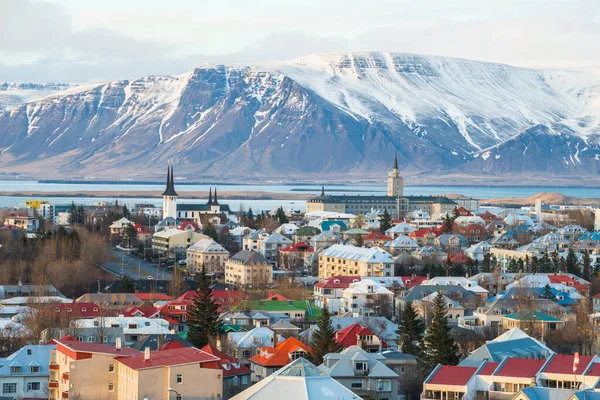
9. Iceland – Nature’s Unpredictable Side
Iceland’s crime rate is low, but volcanic eruptions near Reykjavik in 2023–2024 have disrupted tourism, closing the Blue Lagoon and raising safety concerns. Volcanic tourism can be deadly without caution.
Safer alternative: Finland matches Iceland’s safety record without current natural hazards, offering northern lights, saunas, and snowy forests.
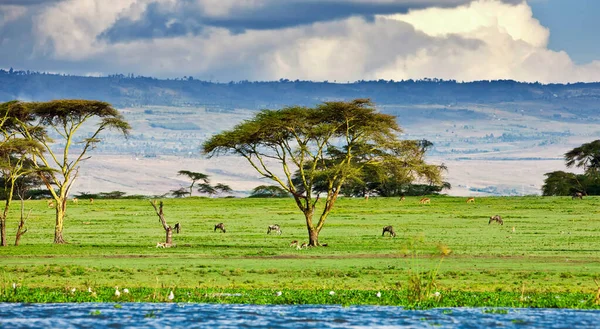
10. Kenya – Safari with Caution
Kenya’s wildlife draws travelers, but crime, terrorism, and kidnapping risks especially near Somalia’s border make vigilance essential. Some Nairobi neighborhoods are unsafe, and emergency response can be slow. Safer alternative: Zambia, at Level 1, offers safaris in unspoiled landscapes and the spectacle of Victoria Falls, with stable governance and experienced guides.
In 2025, danger zones are not limited to the headlines. Political instability, crime, terrorism, and environmental hazards can lurk in destinations that once felt secure. For safety-conscious travelers, the key is preparation: heed official advisories, choose stable alternatives, and invest in comprehensive insurance. Adventure is still possible when paired with informed, strategic choices.