
“A person should not have to worry that they are going to be contaminated with a toxic forever chemical just to do the most basic thing in life,” said Scott Faber of the Environmental Working Group. Evidence would suggest that not only can dangerous chemicals be found in a host of products, but also in something as benign as toilet paper.
In the case of health-sensitive consumers, the risks associated with PFAS not only include environmental hazards but also include contact with the skin since this is extremely sensitive. PFAS, dioxins, formaldehyde, BPA, and phthalates fall among the chemicals that find their way through dermal absorption or accumulation within the system for several years.
The following list reveals some of the most astounding discoveries that have come to light pertaining to toilet paper and its toxic properties, sneakily introduced based on new scientific discoveries about safe alternatives.
1. PFAS Contamination in Brands
Per- and polyfluoroalkyl substances, also referred to as “forever chemicals,” were detected in popular brands of toilet paper, including Charmin Ultra Soft and Seventh Generation’s 100% Recycled Bath Tissue, to name a few. The PFAS contaminants detected by means of fluorine analysis in lab tests might enter these items either in a wood pulp to paper processing stage or in a component part related to the use of recycled paper items. “The most prevalent PFAS in toilet paper and in sewage sludge are 6:2 diPAP,” according to a study by the University of Florida, followed by a statement that “these chemicals, referred to as PFAS, can persist in the environment for centuries, causing certain types of cancer, impaired immunity, and reproductive disorders.” Not even bamboo toilet paper, such as Tushy and Who Gives A Crap, was safe from the presence of PFAS in its ingredients.
2. Dioxins from Chlorine Bleaching
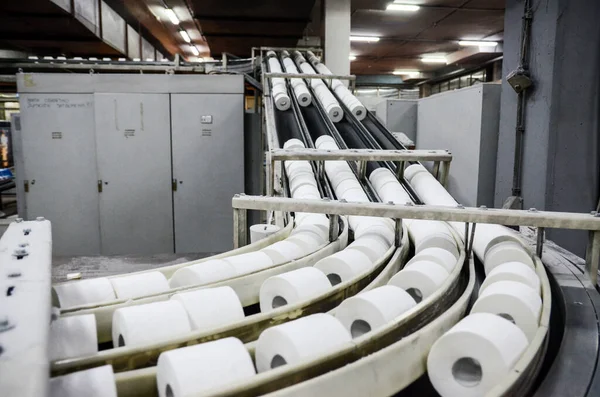
Chlorine bleaching, practiced for producing ultra-white paper rolls, has other potential releases of dioxin and furans, which are toxic by-products of chlorination, classified by the WHO’s International Agency for Research on Cancer, as human carcinogens. These compounds are also very persistent, having a calculated half-life of 7-11 years, after being absorbed by the human body, and affect the immune, endocrine, and reproductive systems of organisms. The chlorine bleached toilet paper, particularly the virgin toilet paper, has a higher likelihood of dioxin presence than the greyish, or unbleached, toilet paper.
3. Formaldehyde in Wet-Strength Resins
Certain toilet papers contain formaldehyde, whose increased wet strength has enhanced their properties, but this compound was already being considered in the list of carcinogens with Known Human Carcinogen by IARC. There exists a reported case in which chronic vulvar itching was attributed to the consumption of bleached toilet paper, which was replaced with chlorine-free toilet paper, hence improving the condition, thereby establishing formaldehyde sensitivity during allergy testing, especially in thick, soft, and bleached toilet paper.
4. BPA in Recycled Fibers
Toilet paper produced from recycled paper of consumer products may contain Bisphenol A (BPA) and other analogous compounds of Bisphenols. BPA is an exceptionally potent form of estrogen. It disrupts the hormonal balance and makes individuals, including women and men of reproductive age, infertile because BPA has been proven to negatively impact ovulation and sperm quality and the development of PCOS. The BPA substitutes called Bisphenol S (BPS) and Bisphenol F (BPF) can cause equal toxicity levels of BPA and are marked with the warning of ‘Regrettable Substitution’ in recycled materials.
5. Petroleum-Based Additives & Fragrances
Aromatic or lotion-coated toilet papers may include mineral oils that are based on petroleum, paraffin wax, and other unknown fragrance substances. The use of these substances will trigger inflammation in the skin, respiratory issues related to the emission of organic vapors, and hydrocarbon accumulation in the human body. According to the European Food Safety Authority, mineral oil hydrocarbon exposure has been related to inflammation and potential toxicity in various organs in the human body. The presence of fragrances may include phthalates that are already known as endocrine disruptors that cause superficial human reproduction and menstrual issues in the female body.

6. Phthalates and Hormonal Disruption
A component in the softeners of paper and scents called phthalates. It impacts the working of hormones. Researchers have linked the application of the chemical to lower fertility, a disrupted DNA in the sperms, problems in the genes of women, and the development of endometriosis. Studies by Harvard have indicated the possible adverse impacts of the environmental standards of the chemical on the DNA of the sperms of males and the possible complications in the pregnancy of the babies, as well as the respiratory development of the infants.
7. Environmental Pathways of Contamination
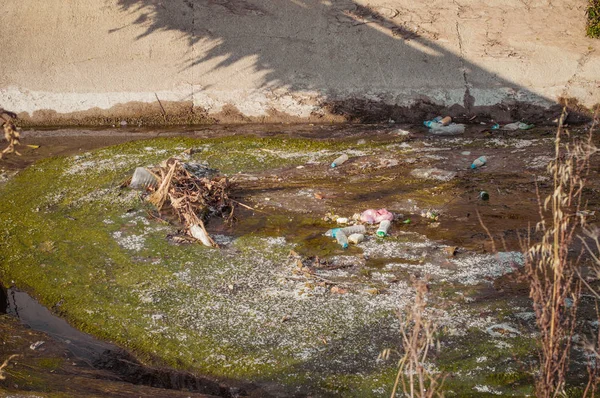
Moreover, the persistent chemicals in the toilet paper products, such as PFAS, would not be broken down in the sewers even after being flushed out from the toilet. It can be asserted that the aforementioned chemicals will not be easily removed in the wastewater treatment process, and it will end up in the tainted sludge, groundwater, and the soil in the farmlands, resulting in the production of tainted crops due to the consumption of PFAS by the soil, thereby contaminating the food chain. In continuing, the Natural Resources Defense Council explains: “PFAS persist: ‘One cannot wash one’s hands clean of them by buying their way out of them.’ In other words, there must be a phase-out with a systems-level approach to halt ‘nonessential uses.”
8. Regional & Global Differences in Risk
The University of Florida discovered that toilet paper comprised 4% of 6:2 diPAP levels in American sewage compared to 89% in France. American habits of use increase the levels of toilet paper, but this asserts that all other paper products may be affecting the contamination levels of PFAS. Percentages that might increase, possibly comprised of regional percentages of recycled parts incorporated within the toilet paper or other bleaching agents in use, could increase contamination levels.
9. Safer Alternatives and Protective Choices
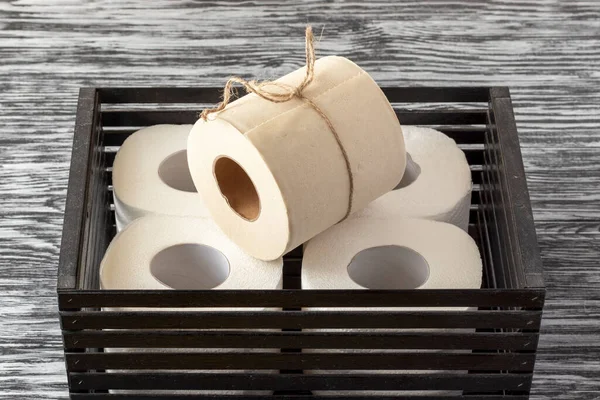
Recommendations suggest that toilet paper should ideally be chosen that is “totally chlorine-free” (TCF) or unbleached, free of PFAS, formaldehyde, and fragrance. Products such as “Caboo Tree-Free Bamboo Toilet Paper, ECOS Treeless Bamboo & Sugarcane Toilet Paper, or Reel Bamboo Toilet Paper” take a stand for a “cheaper, yet non-toxic, bamboo toilet paper, or a treeless bamboo toilet paper that comes from sustainably produced sugarcane.” However, bamboo toilet paper or even “recycled toilet paper could still be contaminated.” In reality, even the possibly fragranced and ultra-soft after chlorine bleach treatment, this particular product would still pose harm to their users.
The use of toilet paper as a chemical source has never been documented as an important consideration prior to this time. However, recent studies show that even this product seems to be a direct source of toxic substances. Indeed, for a consumer to limit their surroundings to the least amount of toxicity, some awareness on the part of the consumer about brands will always be significant. Nevertheless, even in making personal choices, much can no longer be done, hence even government guidelines are imperative.


