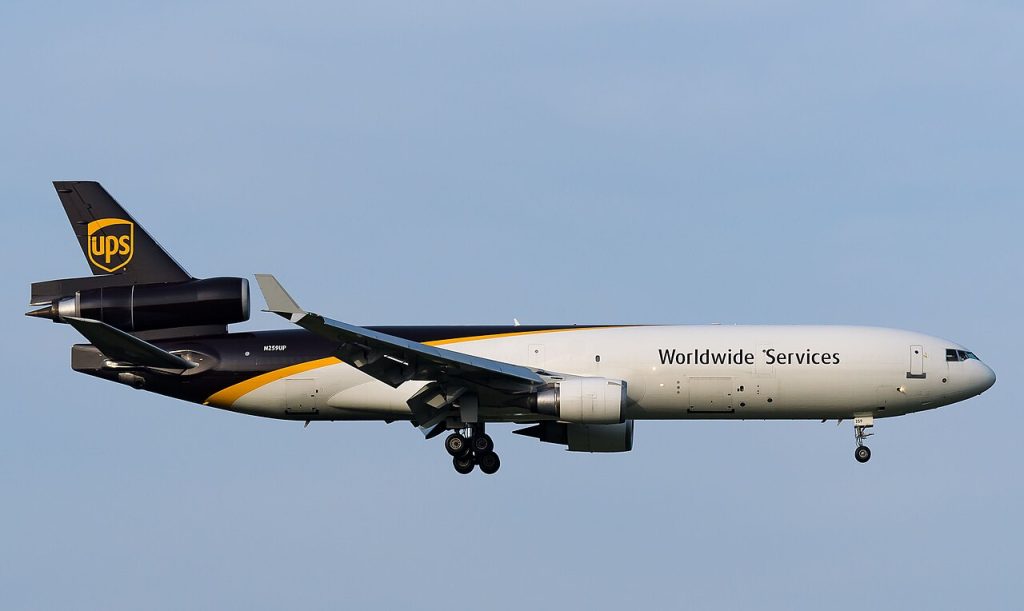
The blackened scar slicing through Louisville’s industrial district is visible even from space. Newly released satellite images have captured the devastating trail left by UPS Flight 2976 after its left engine tore away during takeoff, triggering a catastrophic crash that killed at least 12 people, including a child, and injured dozens more. The aerial views show scorched debris, burned-out vehicles, and a 300-foot gash ripped into the roof of a UPS warehouse a stark visual record of a disaster that unfolded in seconds.

1. Engine Detachment as the Fatal Trigger
Airport surveillance video, verified by investigators, shows the left engine detaching from the wing during the takeoff roll. Todd Inman of the National Transportation Safety Board (NTSB) confirmed, “There are a lot of different parts of this airplane in a lot of different places,” describing a debris field stretching for half a mile. Preliminary NTSB findings point to fatigue cracks and overstress fractures in the pylon hardware connecting the engine to the wing. The spherical bearing securing this mount had fractured circumferentially, allowing the engine to separate.
2. A Massive Fuel Fire
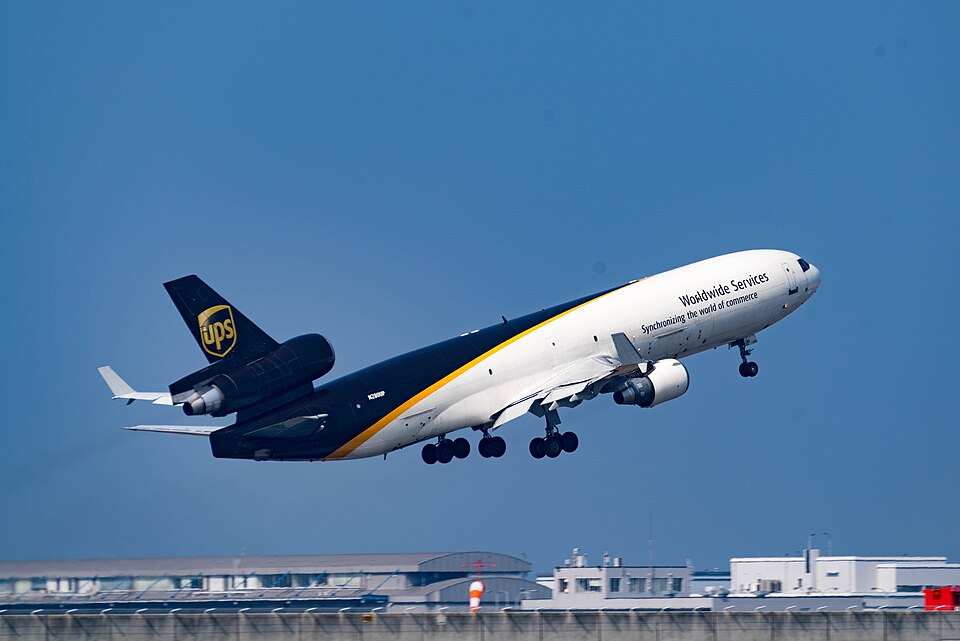
The MD-11F was bound for Honolulu and carried about 50,000 gallons of fuel. When the engine broke away, flames engulfed the left wing, igniting a blaze that spread rapidly to nearby businesses, including Kentucky Petroleum Recycling and Grade A Auto Parts. According to fuel spill hazard guidance, such incidents pose an immediate fire risk, requiring rapid intervention to prevent secondary emergencies. In this case, the sheer volume of fuel ensured the inferno consumed the aircraft and surrounding structures within minutes.

3. Satellite and Thermal Imaging Evidence
GOES-19 satellite fire detection products recorded the thermal signature of the crash beginning at 5:16 p.m. local time. The fire temperature RGB imagery, sensitive to shortwave infrared emissions, showed a pronounced hotspot that lingered until clouds obscured the site. The smoke plume rose to altitudes between 2,600 and 3,200 feet before gradually descending overnight, with authorities advising nearby residents to shelter in place and disable external air handling systems.
4. Similarities to Past Aviation Disasters
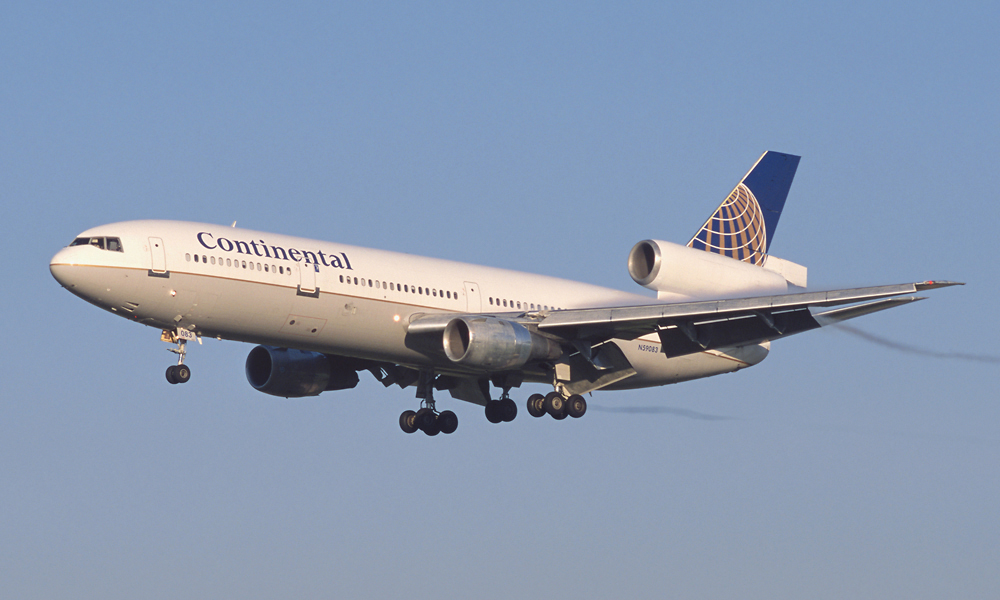
The accident bears chilling resemblance to the 1979 crash of American Airlines Flight 191 in Chicago, where a DC-10’s left engine also detached during takeoff, killing 273 people. The MD-11 design is a derivative of the DC-10, and both share pylon mounting systems that have been subject to intense scrutiny. The FAA has since issued emergency directives grounding MD-11 and DC-10 aircraft until inspections and corrective actions are completed.
5. Safety Protocols and Maintenance Oversight
UPS maintenance records indicate the pylon hardware had been lubricated in mid-October, with special detailed inspections scheduled but not yet due. While routine checks were reportedly performed, the discovery of fatigue cracks raises questions about inspection intervals and whether existing protocols adequately address aging components under high operational stress. Aviation safety experts note that modern protocols are designed to prevent single-point failures from escalating, but when multiple engines are compromised within seconds, recovery becomes nearly impossible.

6. Emotional Impact on Witnesses and Residents
For those who saw the crash, the emotional toll can be severe. Witnesses described walls of fire erupting as the plane skidded into buildings. According to trauma specialists, such events can trigger anxiety, nightmares, and intrusive memories. Coping strategies after disasters include limiting exposure to distressing imagery, maintaining routines, and seeking support from trusted friends or professionals if symptoms persist.

7. Community Response and Recovery
Kentucky Governor Andy Beshear called it a “blessing” that the plane missed a nearby Ford factory and convention center, but acknowledged the search for missing persons was grim. UPS has pledged direct communication with affected families and is expected to assist in rebuilding efforts. For residents, recovery will involve not only physical reconstruction but also emotional healing, aided by community solidarity and practical support networks.
8. Lessons in Crisis Management
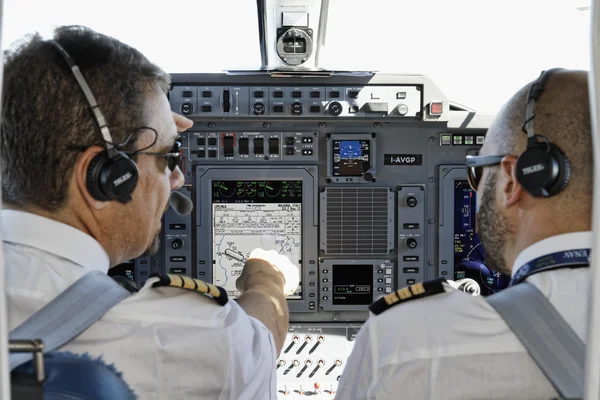
The crash underscores the importance of disciplined crew resource management (CRM) in emergencies. While the crew of Flight 2976 did not survive, aviation case studies show that maintaining focus on “aviate, navigate, communicate, manage” principles can be decisive in abnormal situations. Delegating tasks, preserving situational awareness, and avoiding fixation on causes during flight are critical lessons reinforced by past engine separation incidents where crews successfully returned to land.

The NTSB investigation will continue for more than a year, piecing together metallurgical evidence, maintenance histories, and operational data from recovered flight recorders. For now, the satellite images stand as a stark testament to the destructive power of mechanical failure and the urgent need for vigilance in aviation safety.